



Why Car Wraps Fade: The Science in Plain Language
Photodegradation is the chemical process responsible for nearly every case of vinyl wrap color loss. When ultraviolet radiation from the sun strikes vinyl film, it breaks the molecular bonds within the pigment compounds embedded in the material. Those broken bonds scatter light differently than intact pigments — which is why a once-rich, saturated color gradually looks washed out and uneven.
UV exposure accounts for roughly 80% of wrap fading. The remaining 20% comes from a combination of heat amplification (which accelerates UV damage), acidic environmental contaminants like bird droppings and industrial fallout, road salt during winter, and improper cleaning that strips the film's outer protective layer prematurely.
The hood, roof, and trunk lid receive the most direct overhead solar radiation and fade fastest. Vertical surfaces — doors and fenders — last significantly longer because the sun strikes them at an oblique angle rather than head-on. This is why a neglected wrap often develops an uneven, two-tone effect: the flat surfaces fade while the sides remain vibrant.
Understanding this basic mechanism explains every prevention strategy that follows. You are essentially working to slow or block photodegradation at every stage of your wrap's life.
Finish-by-Finish Fading Vulnerability Guide
Matte and Ultra Matte Wraps
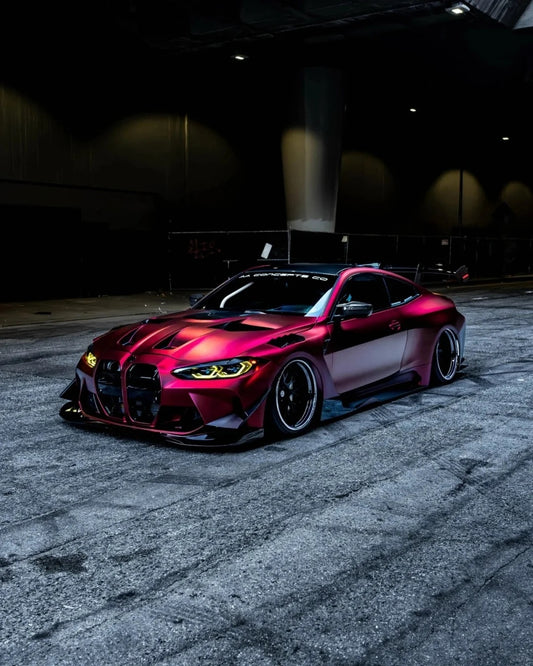
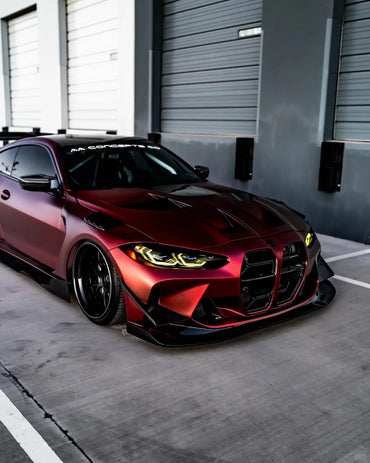
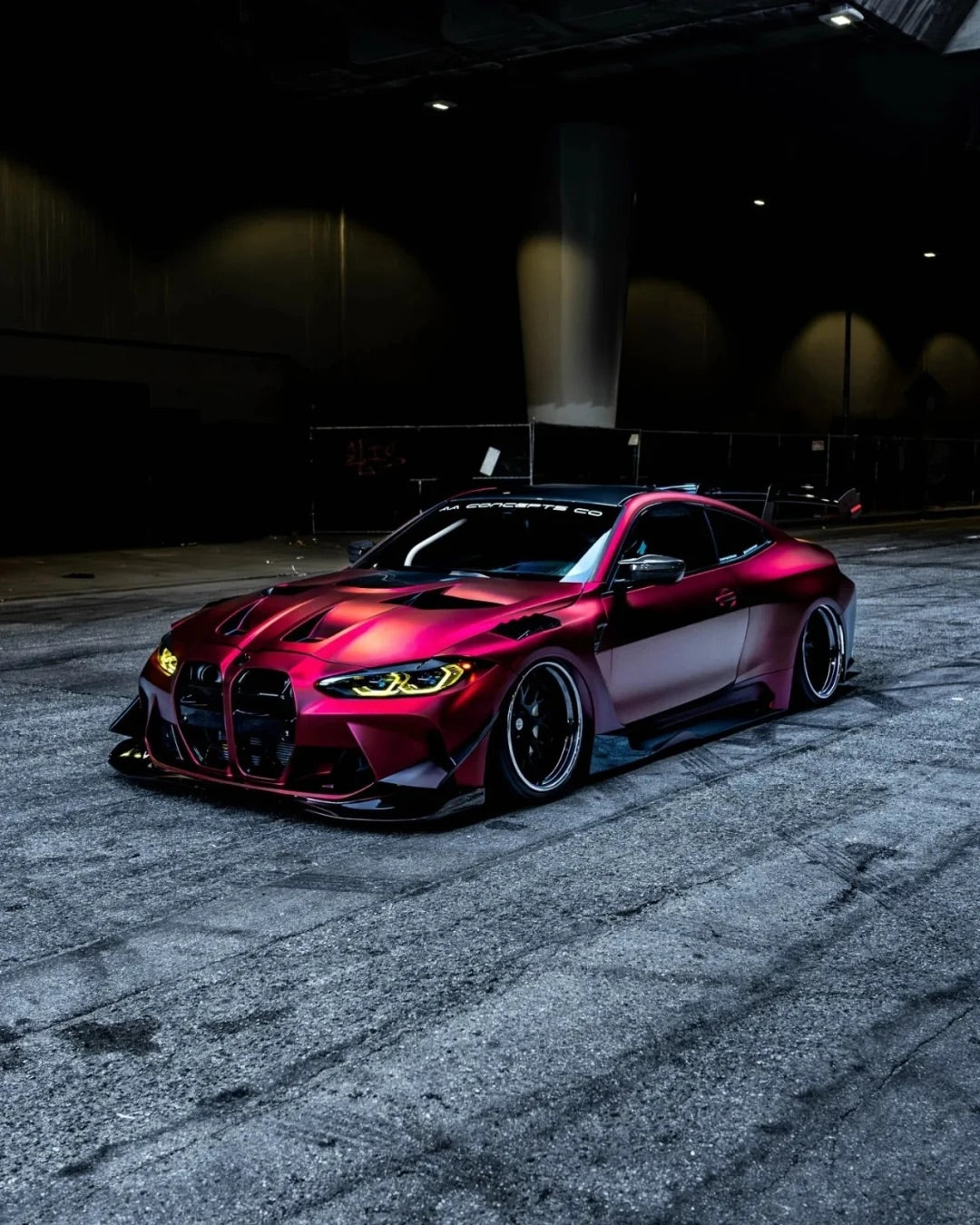
Matte finishes are uniquely vulnerable because their open surface texture — the very property that gives them that flat, velvety appearance — also makes them more absorbent of UV radiation and airborne contaminants. Unlike gloss films, matte wraps cannot be topped with standard carnauba wax, which would fill the surface texture and destroy the matte effect. This means the standard "wax for protection" shortcut doesn't apply here.
The best protection strategy for ultra matte wraps is applying a vinyl-specific matte sealant or a ceramic coating formulated for matte surfaces, reapplied every three to four months. These products create a protective barrier without altering the finish's characteristic texture. Hand-washing with a pH-neutral soap remains the only safe cleaning method — automatic car washes with rotating brushes create micro-scratches that permanently alter the light-scattering properties of matte films, making them appear unevenly shiny.
Metallic and Chrome Wraps
Metallic and chrome-style finishes are among the most UV-sensitive categories in automotive vinyl. The reflective metallic particles within metallic vinyl wraps depend on precise light interaction to produce their depth and shimmer. UV degradation first dulls the reflectivity of these particles before affecting the base color, meaning these wraps lose their visual impact even before obvious discoloration sets in.
Liquid chrome wraps face an additional challenge: their mirror-like surface is particularly sensitive to chemical contamination. Bird droppings left in direct sunlight for even a few hours can etch permanently into the film's chrome layer. For both metallic and chrome finishes, prompt spot-cleaning after contamination events and consistent UV-protective sealant applications are essential — not optional.
Rainbow Laser and Crystal Wraps
Color-shifting films including rainbow laser vinyl wraps and crystal vinyl wraps derive their iridescent properties from microscopic prismatic layers within the film. These layers are sensitive to the same UV degradation that affects standard pigment-based films, but they also lose their visual range — the spectrum of colors they display at different angles — before they show obvious fading.
In practical terms, this means an aging color-shift wrap may still appear to have its primary tone while having lost the secondary and tertiary hues that made it so dynamic. Protecting the prismatic layer requires consistent UV sealant application and minimizing exposure during peak UV hours (10 AM to 4 PM) whenever possible. Parking orientation also matters: positioning vehicles with their longest surfaces facing north keeps horizontal panels shaded from direct overhead sun.
Dual-Color and Glitter Wraps
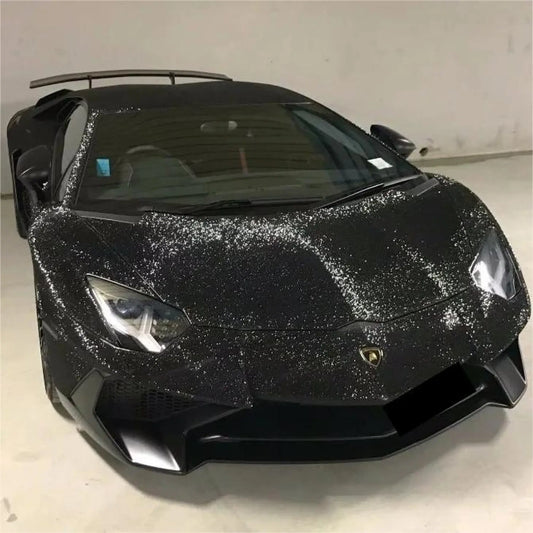
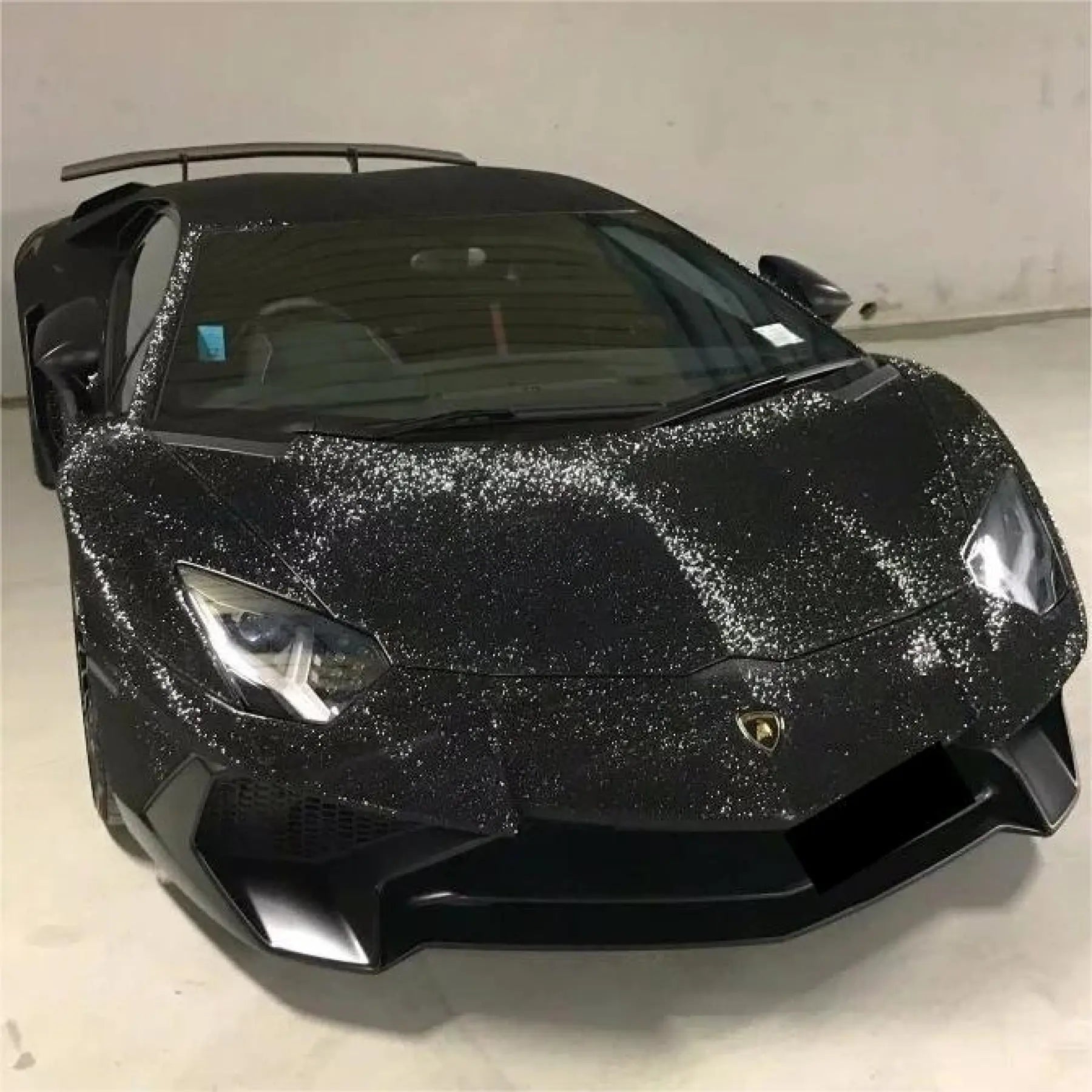
Dual-color dream vinyl wraps and glitter sparkle car wraps incorporate multiple visual elements that age at different rates. The color-shift effect in dual-tone films relies on thin interference layers that degrade with UV exposure, while the metallic particles in glitter films can oxidize slightly over time, dulling their brilliance.
Both finish types benefit significantly from a vinyl-compatible ceramic coating applied over the top surface after installation. Ceramic coatings create a semi-permanent hydrophobic barrier — meaning water, mud, and acidic contaminants bead off the surface before they can bond — while adding meaningful UV blocking above and beyond what the film itself provides.
3D Carbon Fiber Wraps
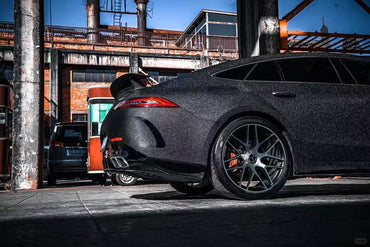
The textured topography of 3D carbon fiber wraps creates natural shadow within the pattern, which can mask early-stage fading more effectively than flat films. However, those same textured channels also trap dirt, road grime, and moisture — all of which accelerate localized degradation if the film isn't cleaned thoroughly and regularly.
A soft-bristle detailing brush used during hand washing ensures cleaning agents penetrate the texture channels without physically abrading the surface. UV-protective sealant should be applied with the same care, worked into the surface to ensure the recessed areas receive coverage.
Paint Protection Films: TPU and Colored PPF
TPU paint protection wrap and colored paint protection film sit in a distinct category from standard vinyl because they're engineered with multi-layer construction that includes built-in UV stabilizers as part of the film's core structure — not just as a surface coating. This fundamentally changes the fading equation.
Rather than relying entirely on aftermarket protection products to prevent UV degradation, TPU-based films distribute UV resistance throughout the material depth. Self-healing properties — minor swirl marks and light surface scratches closing under moderate heat — also help the film maintain a consistently smooth appearance over time. For vehicle owners who want maximum color retention with minimum maintenance intervention, upgrading to a colored PPF is the most durable long-term choice.
Universal Fading Prevention Strategies
Regardless of which finish covers your vehicle, the following practices apply across every wrap category and deliver measurable results in extending color vibrancy.
Park strategically, every time. Covered parking — garages, carports, parking structures — reduces cumulative UV exposure more than any product application can compensate for. When covered parking isn't available, a breathable vehicle-specific cover provides a meaningful reduction in UV dose, particularly for weekend vehicles that sit stationary for extended periods. The Carlisle Companies automotive aftermarket research consistently shows that storage environment is the single highest-impact variable in long-term automotive material preservation.
Wash before contamination bonds. Bird droppings, tree sap, and industrial fallout become dramatically harder to remove once UV-baked onto vinyl. A weekly hand-wash using a pH-neutral soap removes these materials before they chemically react with the film surface. Never use petroleum-based cleaners, alcohol concentrations above 10%, or kitchen detergents — these strip the film's protective outer layer immediately. For detailed washing technique guidance, the International Detailing Association's care resource library provides excellent finish-specific protocols.
Apply UV sealant on a schedule. For non-PPF wraps, reapplying a vinyl-compatible UV-protective sealant every three months during high-UV seasons (spring through fall) maintains a consistent protective barrier above the film's own UV resistance. This is particularly important for wraps beyond their second year, when the film's original protective coating has thinned through washing and exposure.
Avoid automatic car washes. Rotating brush mechanisms in standard car washes cause micro-abrasions on vinyl surfaces, destroying the outer protective layer and making the base film directly accessible to UV radiation. Touchless washes are a safer automated option but still use high-pressure water jets that can lift edges and seams over time. Hand-washing remains the benchmark for wrap longevity.
Monitor high-stress zones proactively. The hood, roof, trunk, and front bumper degrade faster than other surfaces. Inspect these areas every season for early fading, micro-cracking, or dullness. Catching degradation early allows targeted sealant reapplication or minor repairs before the damage spreads to adjacent panels.
Start With the Right Film
Prevention begins before installation. Choosing a film engineered for fade resistance from the outset eliminates much of the uphill maintenance battle that comes with lower-grade materials. If you're in the selection process, ordering a sample kit allows you to evaluate actual finish quality, texture, and thickness in person before committing to a full-vehicle application.
For installers and DIY enthusiasts, ensuring the right tools are used during application also affects long-term fade performance. Improper heat application during installation can pre-stress the film's UV-resistant layers, shortening their effective lifespan. Sailifilm's wrapping tools collection covers the professional-grade equipment needed for installations that don't compromise the film's performance characteristics.
Browse the full car vinyl wrap collection to compare finish categories, or explore the best-sellers for the most popular fade-resistant options among Sailifilm customers.
Final Thought
Color fading in car wraps is a process, not an event — and that process gives you significant opportunities to intervene. The vehicle owners whose wraps look showroom-fresh at year five aren't using secret products. They're parking smarter, washing more carefully, and choosing films that are engineered to hold their color from the first day of installation.
The right film, applied correctly and maintained consistently, doesn't just look better longer — it protects the original paint underneath, preserves resale value, and eliminates the premature replacement cost that comes with neglect.

