

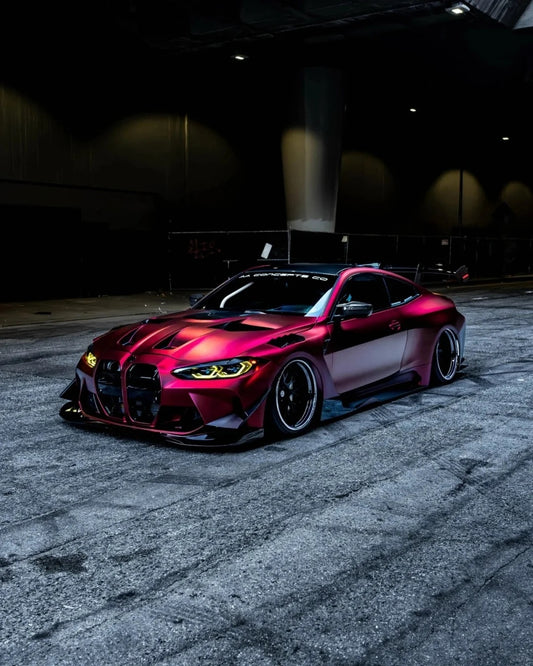
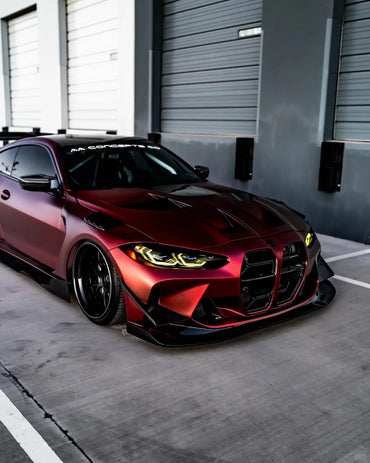
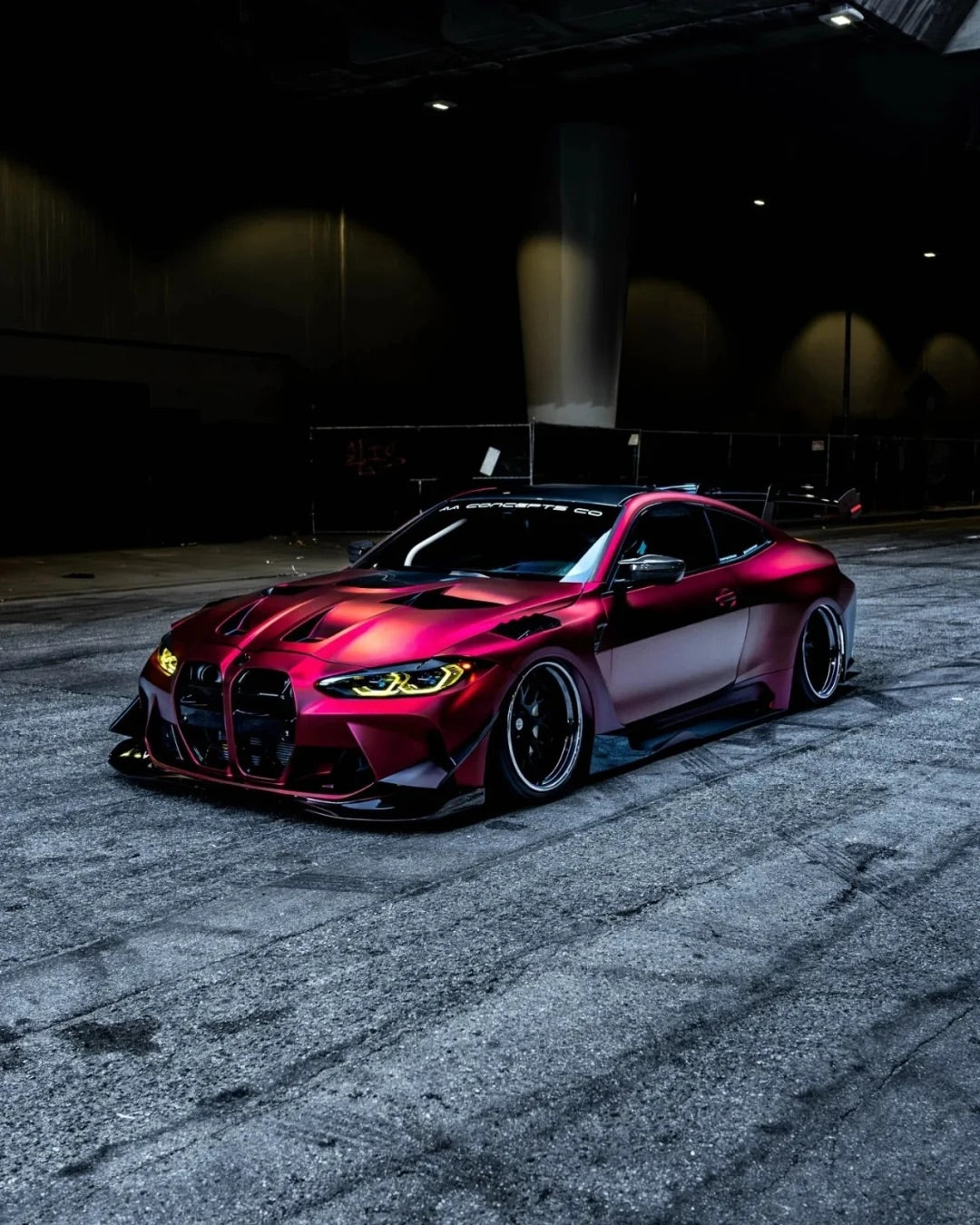


How Long Should a Car Wrap Last?
A quality cast vinyl wrap applied by a skilled installer typically holds strong for 5 to 7 years on vertical panels — doors, fenders, and quarter panels — while high-stress horizontal surfaces like the hood and roof often show wear closer to the 3 to 5-year mark. Specialty finishes such as liquid chrome wraps and 3D carbon fiber wraps require extra attention since their unique textures can be more sensitive to prolonged UV exposure and thermal cycling.
The timeline shifts depending on where you live, how you park, and how faithfully you maintain the film. A garage-kept vehicle in a mild climate will outlast a daily driver baking under harsh sun — every time.
7 Clear Signs Your Car Wrap Needs Replacing
1. Fading and Color Shift
Color fade is the most universally recognized sign of wrap aging. When UV rays break down pigment molecules inside the vinyl over time, deep saturated tones gradually wash out, and what was once a bold, commanding finish starts looking flat and tired. This is especially pronounced on darker colors — blacks, deep blues, and navy tones lose depth noticeably faster than lighter shades.
Fading is more than a cosmetic issue. It signals that the film's UV-blocking capacity has been exhausted, which means the original paint underneath is now receiving unfiltered solar radiation. If you're noticing an obvious difference between protected and exposed sections of your vehicle, or if your wrap no longer matches reference photos from installation day, replacement is overdue. Explore Sailifilm's metallic vinyl wrap collection and ultra matte wraps — both feature advanced UV-resistant formulations engineered to hold their color far longer than standard calendered films.
2. Peeling and Lifting Edges
Edge lifting is arguably the most urgent warning sign on this list. Once a corner or seam begins to pull away from the surface, moisture, dirt, and road grime immediately invade the gap. That contamination accelerates adhesive degradation beneath the surrounding film, turning a small peel into a spreading problem within weeks.
You'll typically spot lifting first around door handles, mirrors, bumper edges, and tight body contours — areas where the vinyl had to stretch during installation or where it faces repeated physical contact. According to automotive detailing experts, adhesive bonds weaken progressively with thermal cycling, meaning that summer heat and winter cold repeatedly stress the attachment layer until it finally releases.
Don't attempt to press lifted edges back down with tape or household adhesives. The underlying surface likely needs professional cleaning before any film will re-adhere properly. At this stage, a full replacement delivers a cleaner result and better long-term value than spot repairs.
3. Cracking and Surface Crazing
Cracks in vinyl wrap material are a sign of deep polymer degradation. When a film loses plasticizers through prolonged heat exposure, it becomes brittle and begins to fracture — first along tight curves and high-flex areas, then spreading to flatter panels. You might notice a fine network of surface fractures, sometimes called crazing, that appears almost like a dried lakebed pattern.
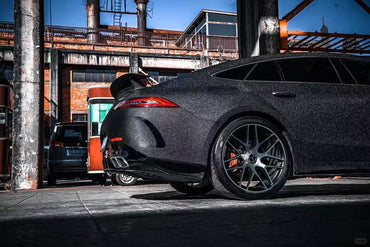
This type of damage cannot be reversed. Once the vinyl's structural integrity breaks down, no topical treatment will restore flexibility. A cracked wrap also provides zero paint protection, meaning your factory finish is exposed to stone chips, chemical spills, and abrasion. 3D carbon fiber wrap replacement is particularly satisfying at this stage — the textured finish adds tactile depth while the new film locks in paint protection for years ahead.
4. Persistent Bubbling Beneath the Surface
While small installation bubbles sometimes work themselves out in the first few weeks after application, bubbles that appear or persist long after installation tell a different story. Moisture trapped beneath aging vinyl, adhesive failure caused by chemical exposure, or structural damage to the vehicle surface beneath can all generate subsurface bubbling that won't resolve on its own.
Bubbles compromise the wrap's ability to lie flat and protect the paint uniformly. They also collect heat, accelerating localized degradation. If bubbling covers more than a small section or appears across multiple panels, replacing the wrap is more cost-effective than attempting individual repairs across the entire surface.
5. Uneven Sheen and Patchy Finish
A healthy wrap maintains consistent texture and reflectivity across all surfaces. When you notice that certain panels have developed an uneven or blotchy appearance — glossy in some areas, dull in others — the film has aged inconsistently, often due to variable sun exposure between sheltered and exposed panel zones.
This patchwork effect is particularly visible on crystal vinyl wraps and rainbow laser vinyl wraps, where the iridescent or prismatic effects depend on a perfectly uniform surface. Once the film degrades unevenly, those light-interactive properties are permanently compromised. A fresh installation restores the cohesive, show-quality look these specialty films are designed to deliver.
6. Difficulty Cleaning or Staining That Won't Lift
A wrap in good condition has a smooth surface that releases dirt, water, and road film with a basic hand wash. When the outer protective layer of the vinyl has worn through, the raw film beneath becomes porous — it absorbs contaminants rather than repelling them. You'll notice that bird droppings, tree sap, and industrial fallout leave permanent stains no matter how carefully you clean the surface.
This is particularly common on wraps approaching or past the 5-year mark, and it's a strong sign that the material's functional lifespan has ended. At this point, investing in a replacement from the Sailifilm best-sellers collection sets you up with a fresh, fully protective surface that responds to proper maintenance the way a new wrap should.
7. The Wrap Has Exceeded Its Warranty Period
Most reputable vinyl wrap films carry manufacturer warranties in the 2 to 5-year range, covering defects like unexpected peeling, discoloration, and delamination. Once the warranty period ends, the film is operating without a safety net. Even if no dramatic visual signs have appeared yet, the adhesive is aging, UV resistance is diminishing, and the risk of sudden failure increases with each passing season.
Rather than waiting for a catastrophic peel or crack to force your hand, proactively replacing an out-of-warranty wrap lets you control the timing, choose your next finish deliberately, and avoid damage to the paint underneath. If you're in the planning stages, ordering sample kits is an excellent way to evaluate finishes before committing to a full vehicle replacement.
What to Consider When Choosing a Replacement Wrap
The replacement process is an opportunity — not just a repair. Before choosing a new film, consider these factors:
Paint protection first. If your original paint protection is your primary goal, Sailifilm's TPU paint protection wrap and colored paint protection film offer the strongest barrier against stone chips, scratches, and chemical staining while adding a color-change element. TPU-based PPF is self-healing for minor surface swirls under heat, making it the top-tier choice for high-mileage daily drivers.
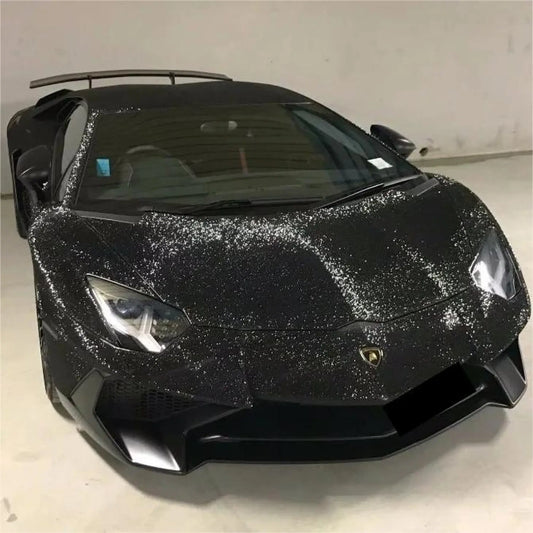
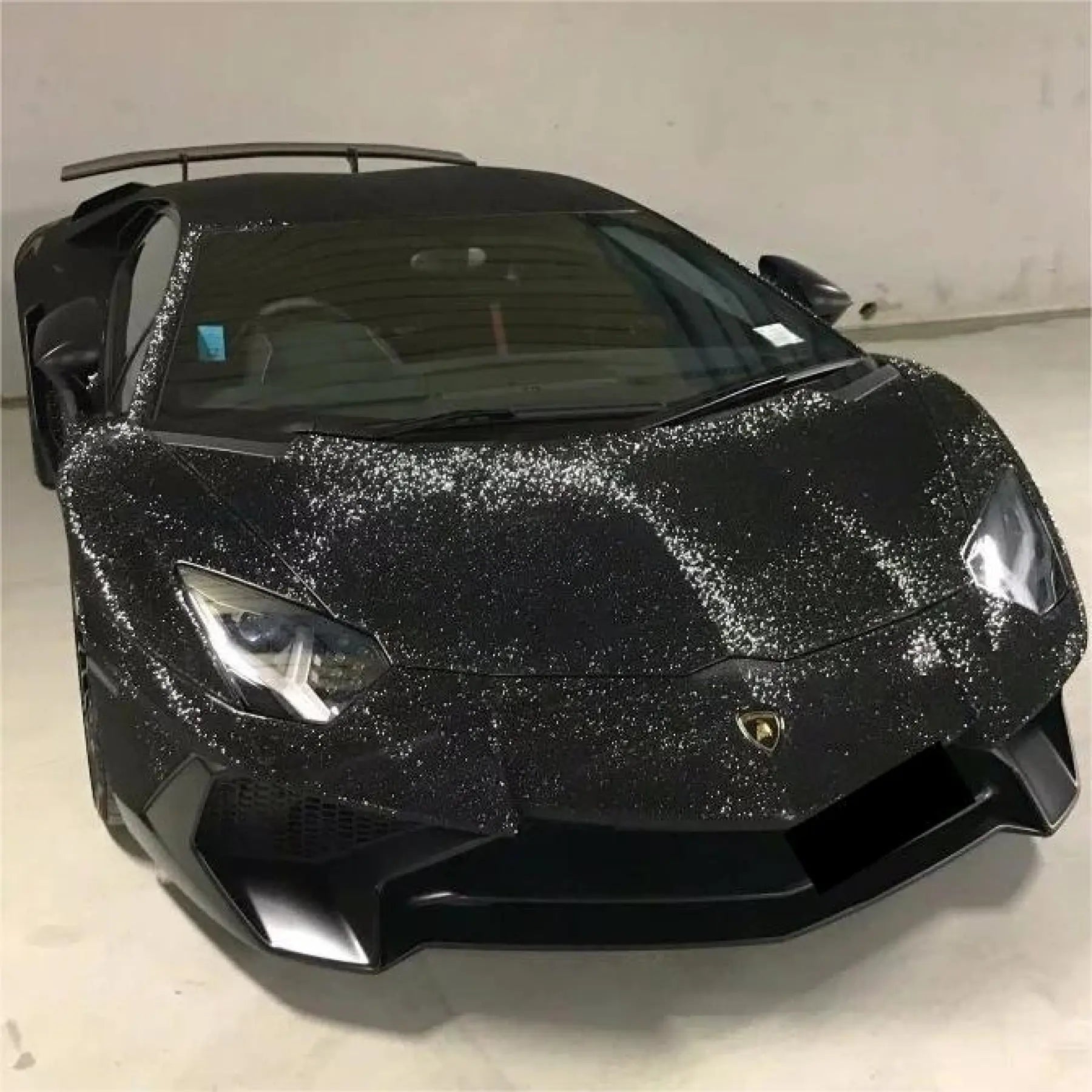
Finish and style upgrade. A wrap replacement is the perfect moment to make a bolder statement. The dual-color dream vinyl wrap creates a shifting two-tone effect that changes with viewing angle, while the glitter sparkle car wrap delivers a premium metalflake appearance without the commitment of a respray.
Application support. Whether you're working with a professional installer or tackling a section yourself, having the right tools makes a measurable difference in wrap longevity. Sailifilm's wrapping tools collection covers everything from squeegees and heat guns to edge sealing solutions.
Preventive Habits That Extend Your Next Wrap's Life
Once you've invested in a fresh installation, a few consistent habits will push its lifespan toward the top of the 5 to 7-year range:
Hand-wash only using a pH-neutral vinyl-safe soap, avoiding automatic car washes with rotating brushes that lift edges. Park in shaded or covered areas whenever possible, especially in summer months when UV intensity peaks. Address any edge lifting or minor damage immediately rather than allowing contamination to work inward. Avoid high-pressure water jets directed at seams and corners. For more on proper wrap care, the Vinyl Wrap Care section on Wikipedia offers helpful context on material science behind modern automotive films.
For further reading, the Car Bibles guide to vinyl wrap maintenance and the SEMA market research on protective film trends provide additional industry-level insights for enthusiasts who want to maximize their investment.
Ready for a Fresh Start?
A tired, peeling, or faded wrap is sending you a clear message — it's time for something better. Whether you're drawn to the mirror-like depth of a liquid chrome wrap, the understated elegance of an ultra matte finish, or the eye-catching iridescence of a rainbow laser vinyl wrap, Sailifilm's full catalog of premium films gives you a replacement that outperforms what came before.
Start with a sample kit to feel the difference in material quality before committing — and give your vehicle the fresh, protected finish it deserves.

