

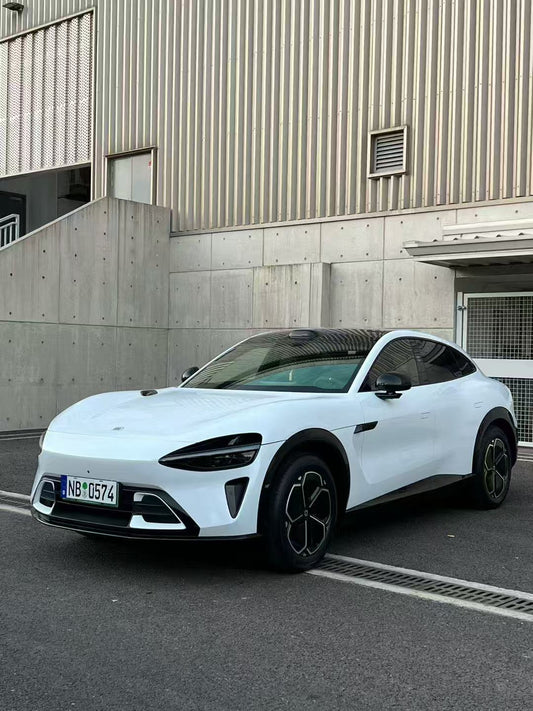


You paid for ceramic coating, but now you want a different car color. Can you install a vinyl wrap over the coating, or does the surface need preparation first?
A ceramic-coated car may still be a candidate for wrapping, but the coating needs to be disclosed and assessed before installation. Do not assume that a normal wash makes the paint ready for adhesive film. Agree on a preparation plan for the exact coating, paint condition and film you intend to use.
This guide explains what to ask before buying your Sailifilm wrap or booking an installer.
Why coating before a wrap is different from coating over a wrap
These two jobs put the coating in different places. A coating already on the paint sits beneath the wrap's adhesive. A coating applied after installation sits on the film's outer surface.
A product approved for use over a finished wrap does not automatically create a suitable surface underneath one. Treat pre-installation paint preparation and post-installation film care as separate decisions.
| Your vehicle | Main question | Next step |
|---|---|---|
| Paint has a ceramic coating | How will the existing coating affect preparation? | Provide the product history and arrange inspection |
| Paint has wax or a spray sealant | What residue needs removing? | Disclose recent detailing and follow the film's prep instructions |
| A wrap is already installed | Is the proposed coating suitable for this film and finish? | Check both products' current compatibility and warranty terms |
Why existing coatings matter to film adhesion
Adhesive film needs a suitable surface to form the intended bond. Existing surface treatments can change that surface, so a shiny, smooth-looking car is not necessarily ready to wrap.
As one manufacturer-specific example, 3M's Protection Wrap Film installation guide calls for a professional to remove an existing ceramic coating before application. It also identifies wax and paint sealant residue as preparation concerns.
That guidance illustrates why coating history matters. It is not a substitute for the instructions governing your chosen Sailifilm product.
1. Tell the wrap shop what has been applied
Send the coating name, approximate application date and any invoice or maintenance record you have. Mention recent spray toppers, sealants, detailing products and previous film as well.
If you do not know what a previous owner used, say so. An unknown history is more useful than confidently describing an unidentified treatment as “just wax.” The shop can then plan an assessment rather than discover the issue after the job has started.
Tell the installer which areas were treated. A recently repaired bumper, an older coated hood and doors with different maintenance histories may need separate attention.
2. Ask for paint assessment before coating removal
Preparation should account for the paint beneath the coating. Disclose resprays, body repairs, peeling clear coat, deep scratches and any known paint problems.
Wrapping does not repair a failing surface. If the paint needs work, discuss that before choosing the installation date. Recently refinished panels should be assessed against the paint manufacturer's curing requirements rather than a universal waiting period taken from a forum.
A professional assessment helps establish whether the car is ready for preparation, needs repair first, or requires a different plan for certain panels.
3. Do not assume one wash or wipe removes every coating
A wash removes surface dirt; it does not prove that an existing coating has been removed. Likewise, one solvent wipe is not a universal verification method for every ceramic product.
Ask the detailer or installer to explain the proposed process and how they will check the result against the film supplier's requirements. Depending on the coating and paint, that assessment may involve a paint correction specialist.
Do not choose an aggressive chemical or polishing method solely because someone used it on another car. Preparation needs to preserve the underlying finish as well as provide a suitable application surface.

4. Agree on the handover between detailer and installer
If different businesses handle coating removal and wrapping, clarify who checks the vehicle before film application. Otherwise, each may assume the other has completed the final preparation.
Give the detailer the wrap shop's requirements. Ask whether any finishing product will be applied after preparation, and have the installer approve it in advance. A final gloss-enhancing treatment may be unnecessary when the next step is adhesive film.
Keep the prepared vehicle clean and follow the installer's handover instructions. A preparation appointment and a film installation should form one coordinated plan.
5. Compare the complete quote
A ceramic-coated vehicle may require preparation beyond a standard installation scope. Ask for separate line items so you understand what is included.
- Initial paint and coating assessment.
- Any necessary coating removal or correction work.
- Cleaning and final surface checks before film.
- The exact film, color, finish and coverage.
- Old-film removal, trim work and agreed exclusions.
- Workmanship coverage, inspection and aftercare instructions.
There is no single preparation price that fits every coated car. Compare quotes using the same vehicle condition and job description. A material price on a product page is not a complete installed quote.
What about ceramic coating after the wrap?
If you want an additional coating on the finished film, make that a separate product-specific discussion. Confirm compatibility with the exact wrap and its finish, including satin or matte surfaces, and check any effect on warranty terms.
Do not apply a coating before the new film's recommended settling or inspection requirements have been addressed. The film supplier, installer and coating instructions should determine the timing.
For routine care, start with Sailifilm's car film maintenance guide and obtain the current instructions for your selected material.
Frequently asked questions
Should I ceramic-coat a new car just before wrapping it?
Discuss the wrap plan first. Applying a treatment that then needs removal can add work and expense. Ask the installer which preparation the selected film requires.
What if the car no longer beads water?
That observation alone does not establish a coating-free, wrap-ready surface. Let the installer assess the vehicle and perform the appropriate preparation checks.
Does this also matter for colored PPF?
Yes, coating history should be disclosed when planning adhesive film installation, including colored PPF. Confirm the preparation and application instructions for the exact product.
Can stronger adhesive compensate for skipped preparation?
Do not use that as a purchasing strategy. Choose a suitable film and follow its preparation requirements rather than expecting an adhesive claim to resolve an unknown surface condition.
Plan your Sailifilm wrap from the surface up
Choose the look you want while the installer checks how to prepare the car. Browse Sailifilm's metallic wraps, colored PPF and sample kits. Send your exact product link, vehicle details and coating history to support@sailifilm.com for help checking the relevant film information.
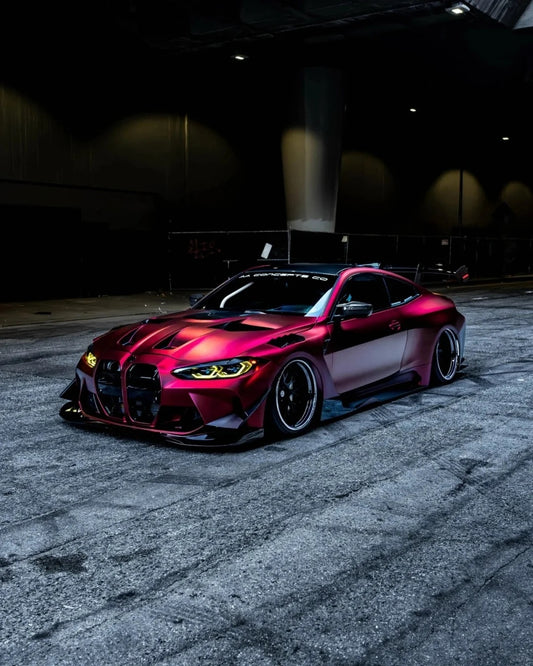
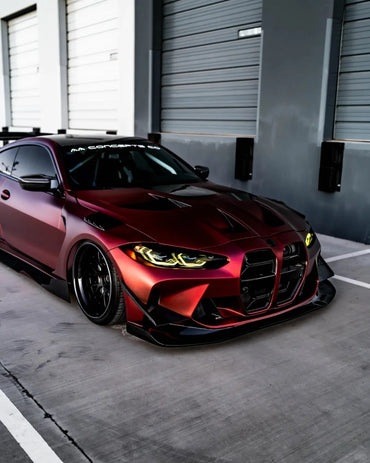
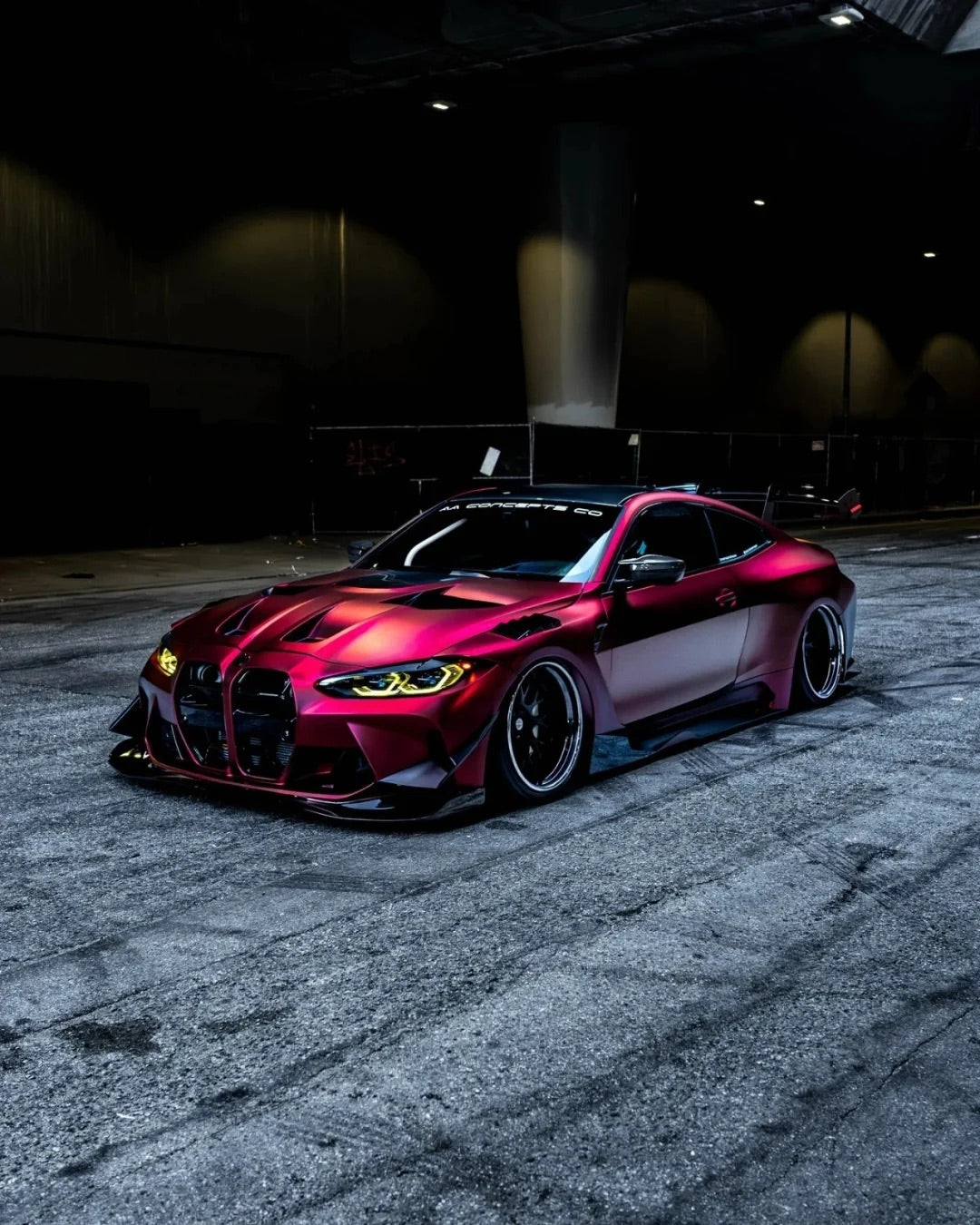
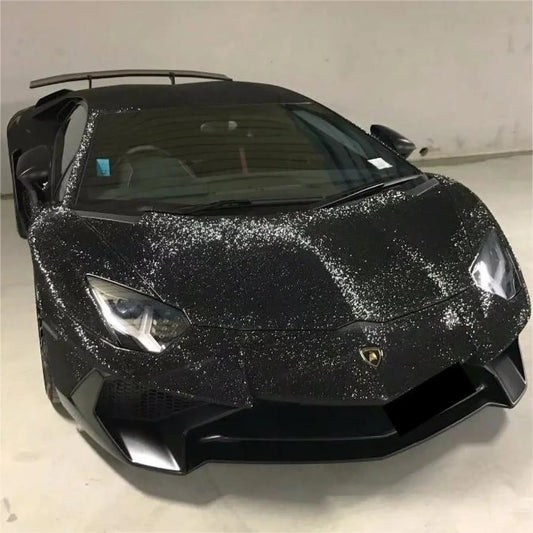
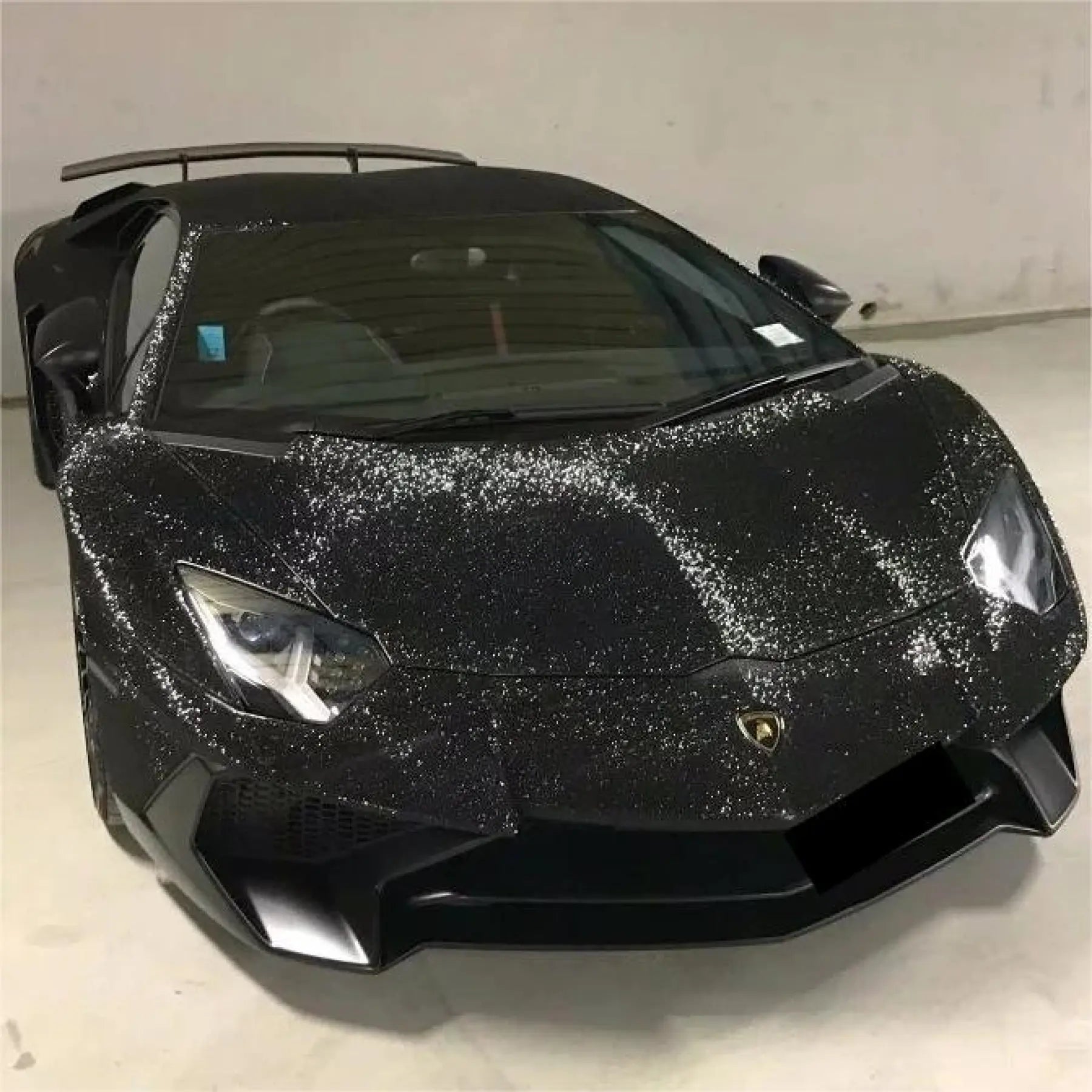
Images were generated with AI for editorial illustration. They do not show an actual Sailifilm installation or a product-specific coating removal procedure.

