



Dry-install and wet-install colored PPF are not interchangeable methods you can choose by preference. The correct approach depends on the exact film and its approved installation instructions. Before ordering a roll, confirm the product's application method with the supplier and make sure your installer has experience with that material.
That one check can prevent a costly mismatch: buying a color you love, then discovering the installation process differs from the vinyl or clear PPF you have used before.
Why dry versus wet colored PPF is a useful buying question
Colored paint protection film brings appearance and protection into the same product category, but that does not mean every film uses the same adhesive system. Manufacturers now offer products described as dry-install colored PPF alongside films designed for wet application.
For example, TeckWrap documents a dry-install color PPF range with air-release channels. This is an example of why buyers need to read product-specific instructions; it is not a specification for Sailifilm films or evidence that all colored PPF works the same way.
When comparing products, ask two separate questions: “What film is this?” and “How is this particular film intended to be installed?”
What dry installation means
In a dry application, installation liquid is not used between the adhesive and the vehicle surface unless the product's instructions specifically allow it. Depending on the film, positioning characteristics and air-release features help the installer manage placement before firm pressure establishes contact.
“Dry” does not remove the need for preparation. The vehicle still needs the appropriate cleaning, surface assessment and controlled working environment. Curves, edges, contamination and material handling remain important parts of the job.
Nor does dry-install PPF automatically handle like an ordinary color-change vinyl. Film construction, thickness and adhesive behavior can differ even when both products use a dry process.
What wet installation means
A wet application uses an approved installation solution as part of the film's positioning and application process. The installer then manages the liquid and establishes adhesion according to that product's procedure.
The solution, preparation, working conditions and finishing steps are product-specific. A mixture used successfully with one film should not be assumed suitable for another. Ask for the current installation guide rather than copying a recipe from a general video.
There is also a distinction between liquid beneath the adhesive and lubricant used on top of a film. Seeing a spray bottle in an installation video does not tell you which method is being used.
Dry versus wet colored PPF at a glance
| Question | Dry-install product | Wet-install product |
|---|---|---|
| How is it positioned? | Through the film's intended positioning and adhesive characteristics | With the specified installation solution and technique |
| What needs managing? | Placement, contact pressure, air and material tension | Placement, solution removal, contact and material tension |
| What should the buyer request? | Written confirmation of dry application and any permitted aids | Written instructions for approved solutions and procedure |
| Is it automatically easier? | No; vehicle shape and installer experience still matter | No; vehicle shape and installer experience still matter |
| What determines the correct choice? | The exact film's specification, vehicle requirements and a capable installer | |
Can you wet-apply a film intended for dry installation?
Do not change the method without written approval for the exact product. An adhesive system designed for one process may not be intended to work with liquid underneath it.
A clear example comes from 3M's installation FAQ for Wrap Film Series 2080: it does not recommend wet application on the vehicle surface for that film. That is a vinyl-specific instruction, not a blanket rule covering every PPF product.
The practical lesson is to follow the selected film's documentation. Neither “PPF is always wet” nor “air-release film can always be sprayed” is a dependable purchasing assumption.

Which method is faster or cheaper?
Neither label guarantees the fastest job or lowest installed price. A straightforward panel and a complex bumper can require very different planning. Installer familiarity, material preparation, disassembly and finishing standards also affect the result.
Compare written quotes using the same coverage and finish. Ask whether the total includes preparation, old-film removal, trim work, a follow-up inspection and any recommended settling time before washing. If a shop offers a speed claim, ask what vehicle and scope it applies to.
A quicker installation is useful only when the chosen process produces the expected finish and follows the film's requirements.
Does the application method determine protection or lifespan?
The words “dry” and “wet” describe installation. They do not, by themselves, establish impact resistance, scratch behavior, thickness, color stability or warranty duration.
Compare those properties separately using the actual product specification and written warranty. Also distinguish material coverage from workmanship coverage. A good-looking installation photo cannot verify either one.
Five things to confirm before ordering Sailifilm colored PPF
- Exact product identity. Record the listing name, color, finish and selected size. Similar color names do not establish identical construction.
- Approved application method. Request the current instructions for that product, including whether any installation aids are permitted.
- Installer familiarity. Ask whether the shop has worked with the exact series, and discuss a sample evaluation where appropriate.
- Vehicle suitability. Disclose repainting, previous repairs, existing coatings and the panels you want covered.
- Aftercare and coverage. Confirm inspection, washing instructions, material warranty and workmanship terms before work begins.
Sailifilm's colored paint protection film collection is a starting point for choosing a look. Confirm the installation requirements of your selected listing with the team; this article does not designate the entire collection as either dry-install or wet-install.
Frequently asked questions
Is dry-install colored PPF suitable for a first DIY project?
The label alone does not establish beginner suitability. Consider the product's instructions, your experience, the vehicle's curves and the cost of replacing a failed panel. Professional evaluation is especially useful for a full color change.
Can I use ordinary soapy water with any PPF?
No universal mixture is appropriate for every film. Use only the solution and procedure approved for the exact product.
Does dry installation mean I can wash the car immediately?
No. Follow the product's and installer's aftercare instructions. Installation method alone does not establish when washing should begin.
Can I switch methods halfway through a panel?
Only if the product's documented procedure permits that approach. Do not infer approval from another brand's tutorial or a short social-media clip.
Choose the film and the installation plan together
Pick the appearance you want, then verify the material and the process before ordering. Browse Sailifilm colored PPF and sample kits, or send your vehicle model, intended coverage and exact product link to support@sailifilm.com for help confirming the relevant product information.
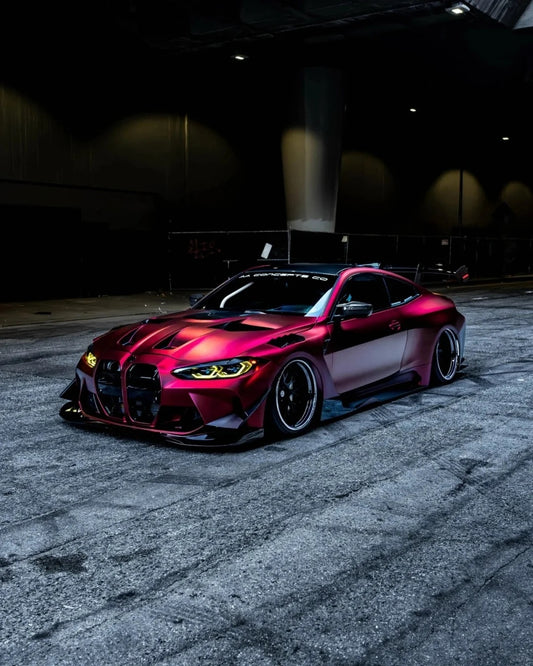
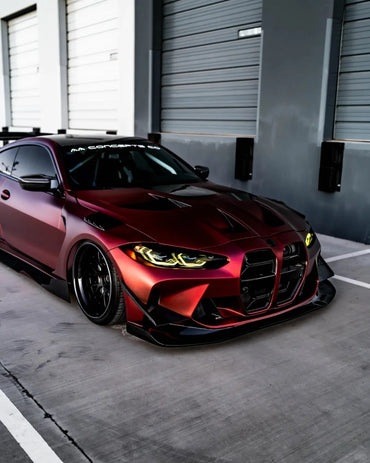
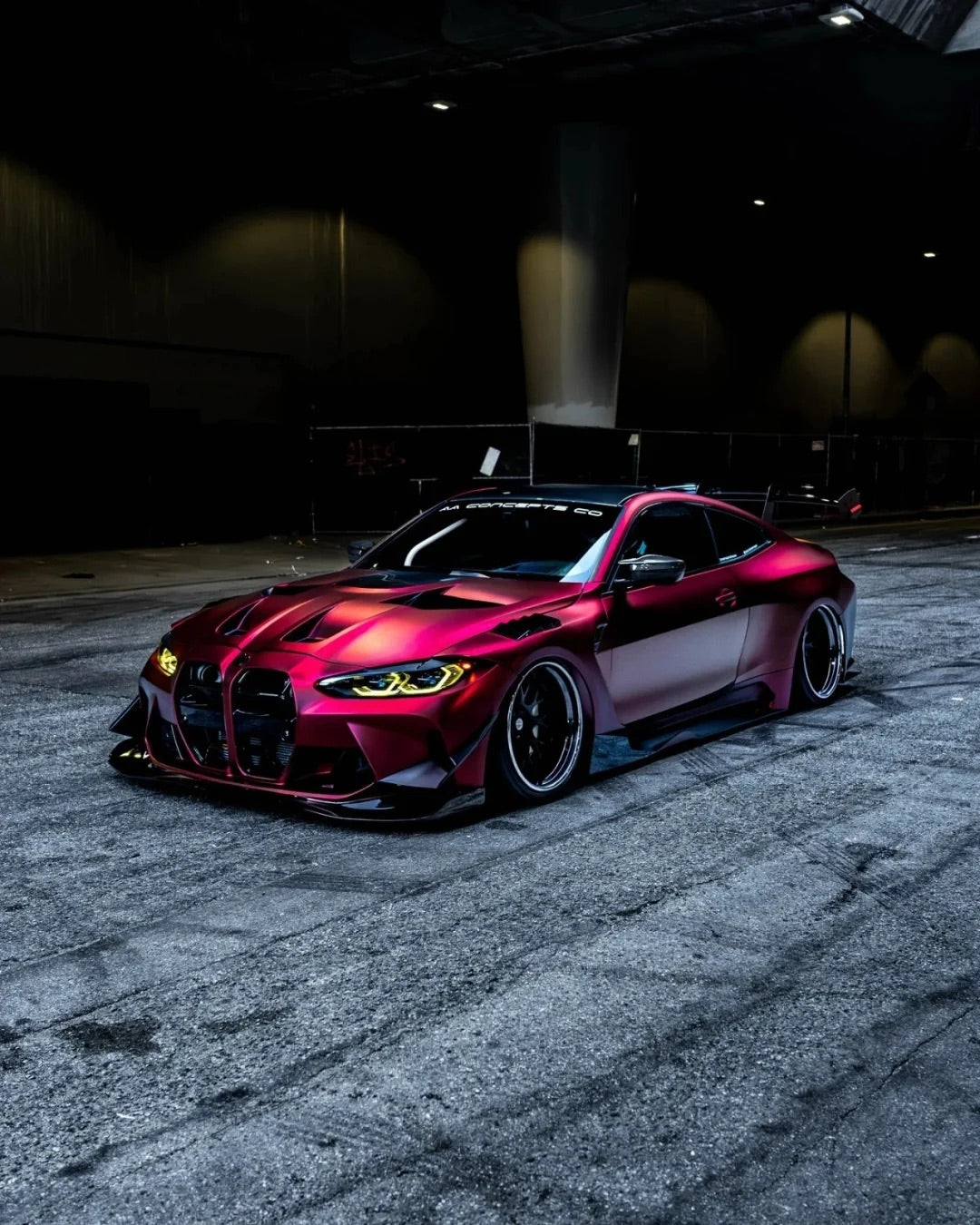
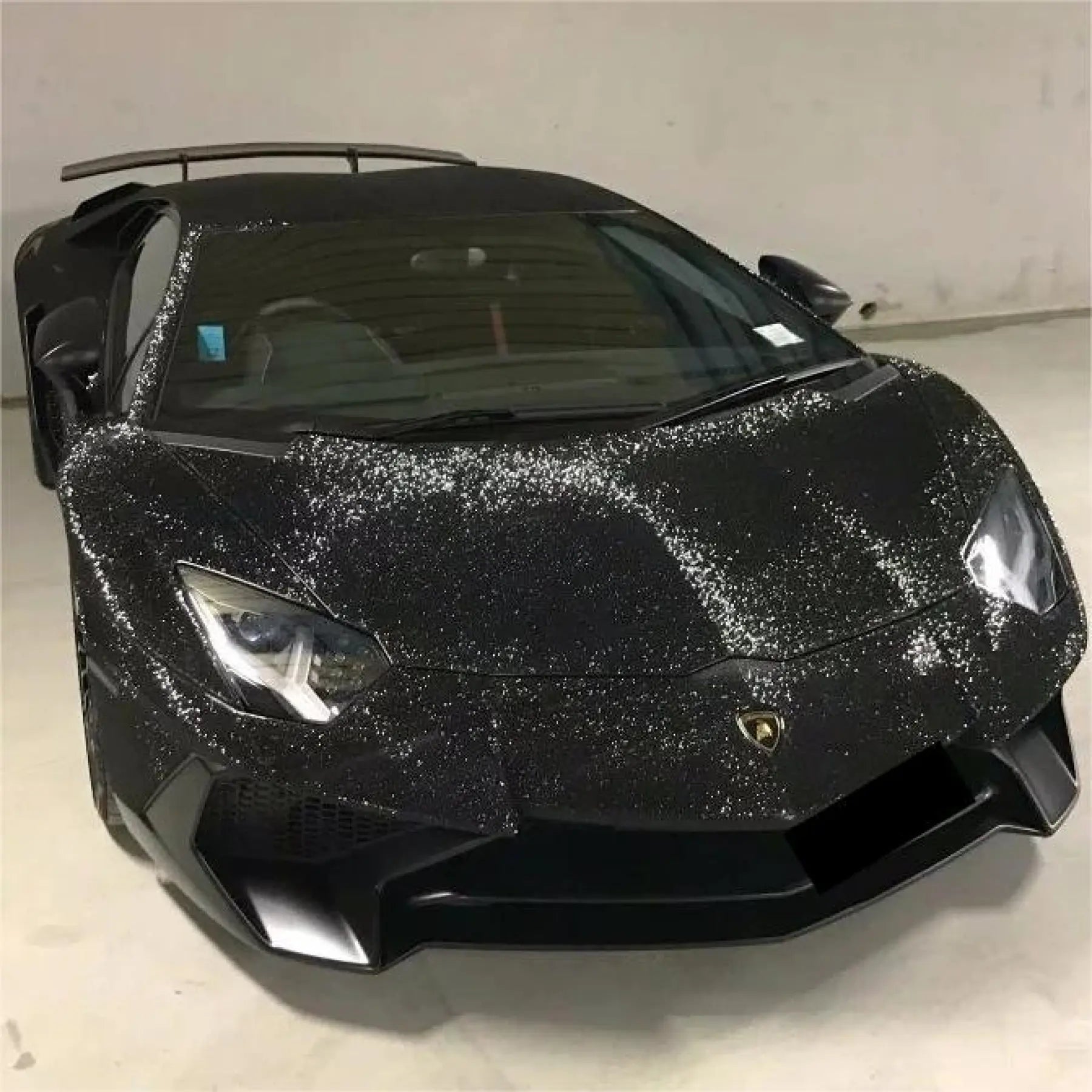
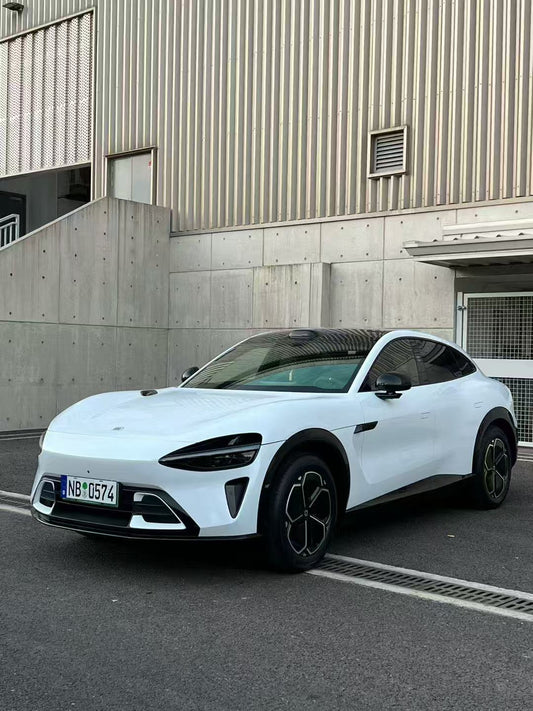
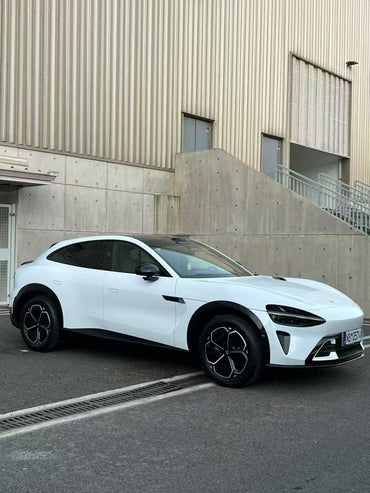
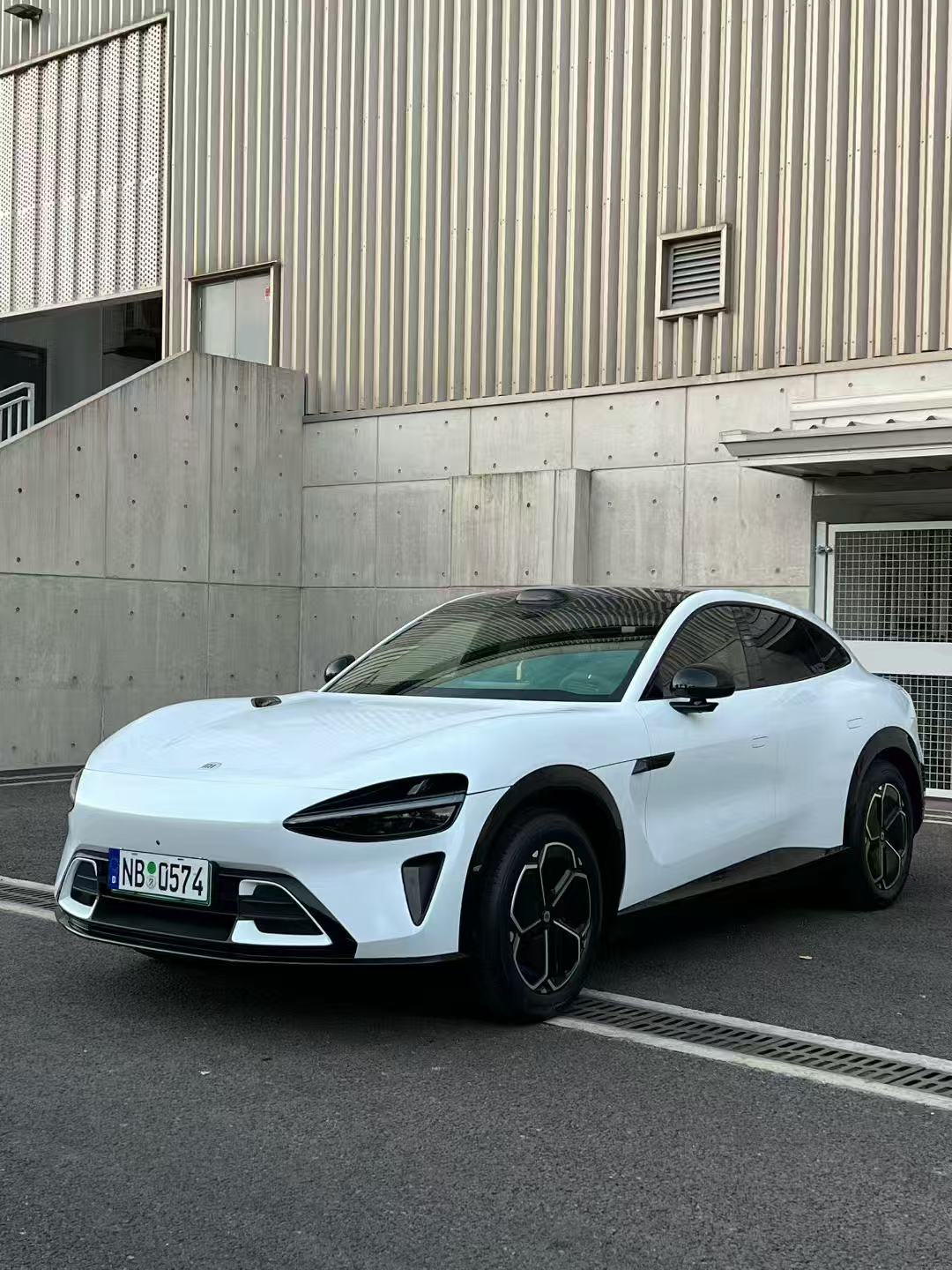
Images were generated with AI for editorial illustration. They do not show an actual Sailifilm installation or provide product-specific application instructions.
