



A black roof wrap can be worth it if you want a two-tone look without changing the whole car. The best result starts with more than choosing a shiny black film: the roof's condition, coverage, sun exposure and eventual removal all belong in the decision.
Before buying material or accepting an installation quote, use this guide to compare finishes, understand roof-specific care and decide what should be included in the job.
Why the black roof look keeps coming up
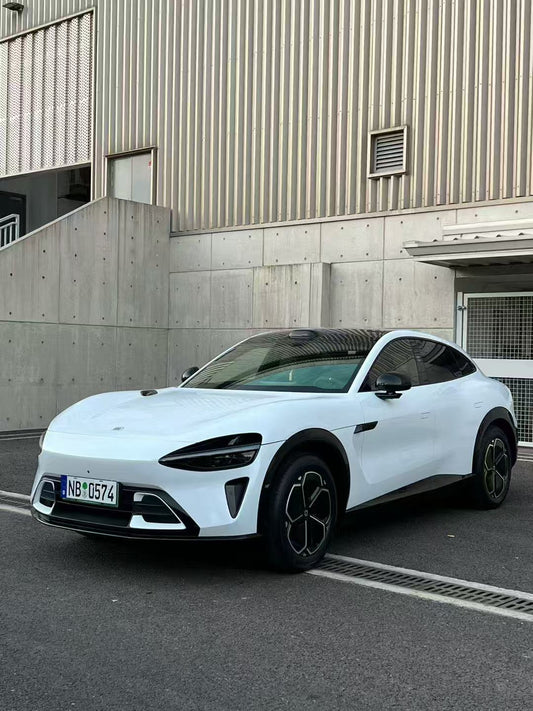
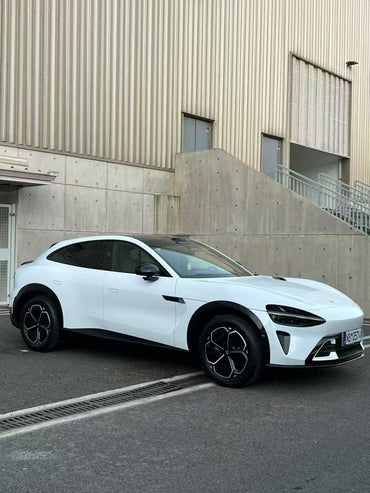
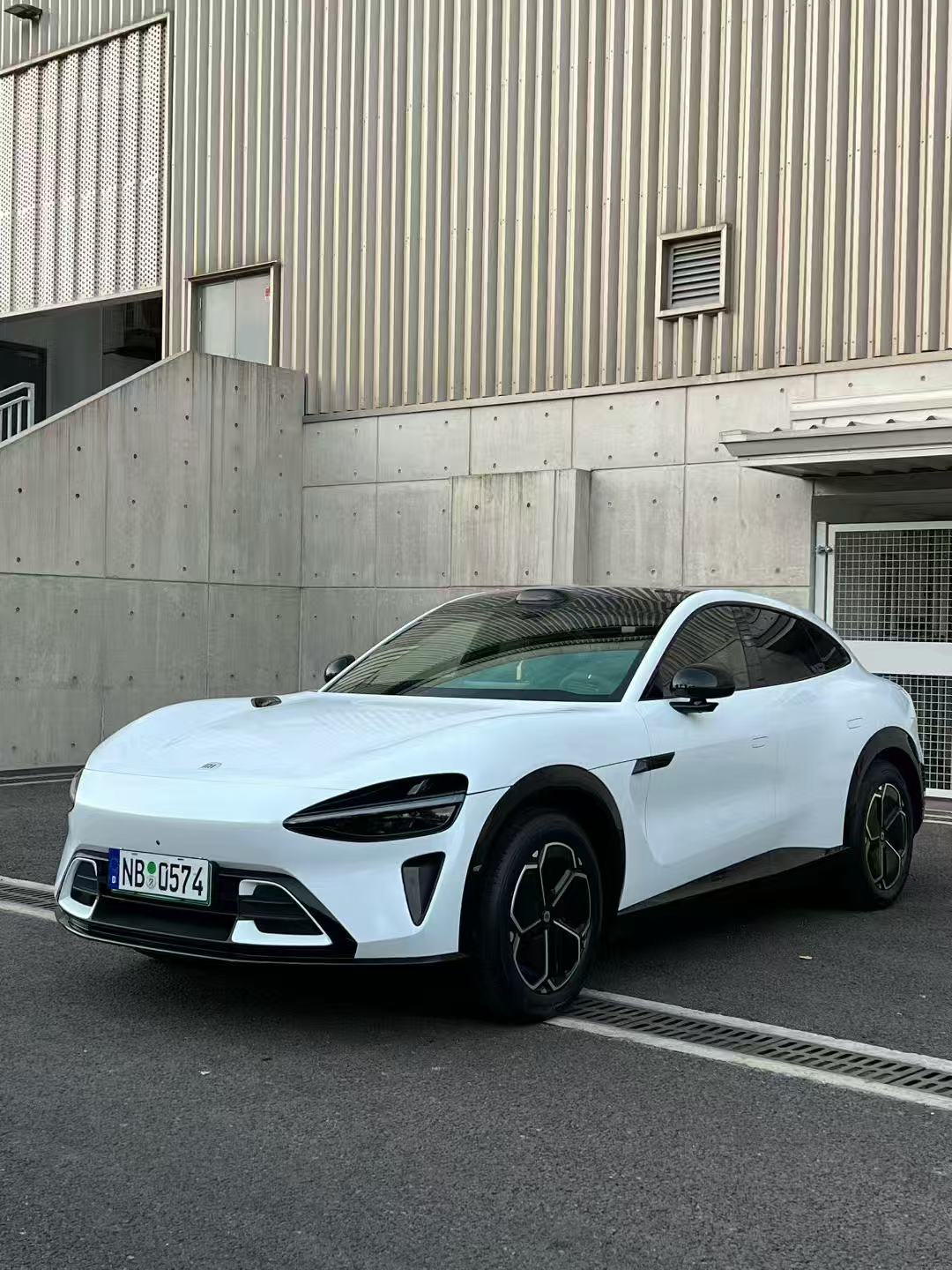
A dark roof can visually connect the roofline with the glass and contrast with a white, silver or brightly colored body. Some owners want only the painted roof covered; others add pillars or mirror caps for a broader two-tone treatment, sometimes described by installers as a “tuxedo wrap.”
These are different scopes of work. A roof-only photograph should not be treated as a quote for the roof, pillars, mirrors and every piece of chrome trim. Start by marking exactly which surfaces you want changed.
Gloss black or satin black: which suits your car?
Gloss black produces sharper reflections and can visually coordinate with glossy window surrounds. It is a useful starting point for a glass-like roof appearance, although the film remains an opaque covering over the existing panel.
Satin black has softer reflections and creates a more deliberate contrast with a glossy body. It can work well alongside other satin accents, but the selected film's care instructions matter: products intended to increase gloss may alter the appearance you chose.
Metallic and textured black films offer other directions. Compare an actual sample beside the car instead of assuming every product called “black” has the same undertone or surface finish.

Explore Sailifilm's black wrap collection, then check the corresponding sample options before ordering material.
How long does a black roof wrap last?
There is no single reliable lifespan for every roof wrap. Film construction, climate, outdoor parking, surface preparation and maintenance all influence the result. The roof also has a different exposure position from a door.
Manufacturers may distinguish vertical and horizontal applications in their warranty terms. For example, 3M describes vertical application coverage for its 2080 series; its headline duration should not be treated as a roof-life promise or transferred to another brand.
For your chosen Sailifilm product, ask specifically:
- Is this exact film suitable for a painted roof?
- What warranty terms apply to horizontal exposure in my location?
- What maintenance and inspection does the supplier recommend?
- Which changes in appearance should trigger an installer assessment?
A warranty period and useful appearance life are different things. Inspect for cracking, chalking, discoloration and lifting rather than waiting for a number of years to pass. Ask an installer about removal before the film becomes badly deteriorated.
What should a black roof wrap cost?
Compare local written quotes for the same car and coverage. A material listing is not an installed price, and a roof-only job is not directly comparable with a full upper-body package.
| Item | What to clarify |
|---|---|
| Film | Exact brand, series and finish; vinyl or colored PPF |
| Coverage | Roof panel only, or pillars, mirrors and trim too |
| Preparation | Cleaning, coating removal, old-film removal and paint assessment |
| Roof details | Antenna, roof rails, moldings and any necessary disassembly |
| Finish work | Edges, joins, inspection and workmanship coverage |
| Future work | Removal and replacement arrangements |
A lower price can reflect a smaller scope or different material. Ask for the total with applicable charges and compare what the installer will actually deliver.
Measure the panel before choosing a roll size
The roof's usable width and length, its curves and the planned edge treatment determine material needs. Do not order only from the vehicle's overall dimensions or assume a small sheet will fit because the roof looks compact.
Have the installer confirm roll width, required length and working allowance. Roof rails and antennas can change the job even when the painted panel looks simple. Confirm whether the planned result can be achieved in one piece and where any joins would sit.
For a directional metallic or textured finish, include material orientation in the plan. Saving a little film is not useful if the finished panels look inconsistent.
Check the paint and roof construction first
A roof wrap does not repair peeling clear coat, corrosion, failed paint or dents. Film follows the surface underneath, and weak paint can present problems when the wrap is eventually removed.
Tell the installer about repainting, repairs and existing coatings. Ask them to assess the surface before you commit. If the roof already has old film, allow for its removal and a fresh inspection rather than planning to hide it beneath another layer.
Also distinguish a painted metal roof from panoramic glass, opening sunroofs, seals and moving mechanisms. This guide concerns painted roof panels. Suitability for glass and surrounding components requires separate confirmation; do not treat a black-roof styling image as an installation instruction for those areas.
Roof only, or roof and pillars?
A roof-only treatment leaves more of the original color visible around the windows. Extending black onto selected pillars changes the outline more strongly and may require additional joins and edge decisions.
Use photos of your own car to mark the boundaries. Confirm the treatment of the antenna, roof rails, window trim and mirror caps individually. “Make it look like the picture” leaves too much room for different interpretations.
Look at the plan from the front, side and rear. The most useful design is one you like from everyday viewing angles and that your installer can clearly describe.
Care for the roof as a separate surface
Use the selected film's washing and drying instructions. Work on a cool surface, remove contamination promptly with compatible products, and check the roof rather than assuming it is clean because it is hard to see from ground level.
Choose cleaning products appropriate to gloss or satin film. Avoid abrasive correction or an unapproved polish. If an edge lifts, have it assessed before directing wash water at that area.
Covered parking where practical and regular inspection help you manage the roof's condition. For broader routines, see Sailifilm's car film maintenance guide and confirm any product-specific instructions with the team.
Frequently asked questions
Will a black roof wrap make my car look like it has a panoramic roof?
Gloss black can create a similar visual contrast at some angles, but it does not add glass, light transmission or an opening mechanism. Judge it as a styling choice for the existing roof.
Can I cover faded roof paint?
Have it inspected first. Sound paint with a cosmetic color issue is different from failing clear coat or damaged paint. Wrapping is not a substitute for necessary repairs.
Should I choose black vinyl or black PPF?
Compare your styling and protection priorities, the exact product specification, roof suitability and installed price. Similar-looking photographs do not establish equivalent construction or performance.
Can the roof wrap be removed later?
Removability depends on the film, time in service, paint condition and removal method. Discuss professional removal and any repainting history before installation.
Plan your black roof upgrade with Sailifilm
Choose a finish, check a sample and confirm the roof-specific details before ordering. Browse Sailifilm black wraps and sample kits, or contact support@sailifilm.com with your vehicle model, roof measurements, photos and preferred coverage for help checking suitable material options.
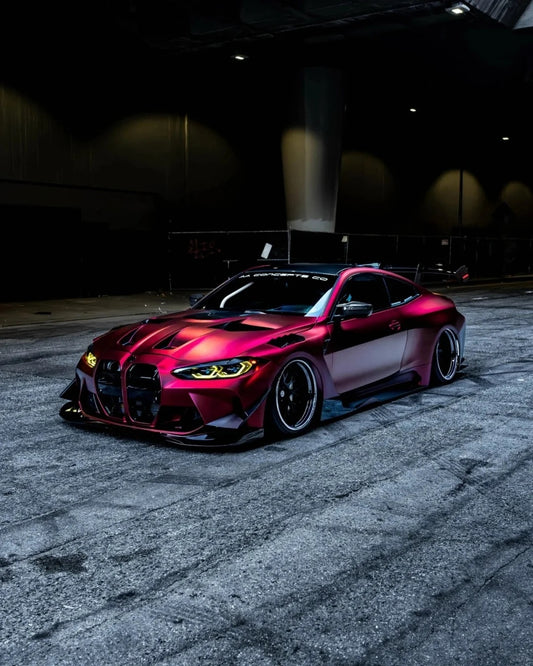
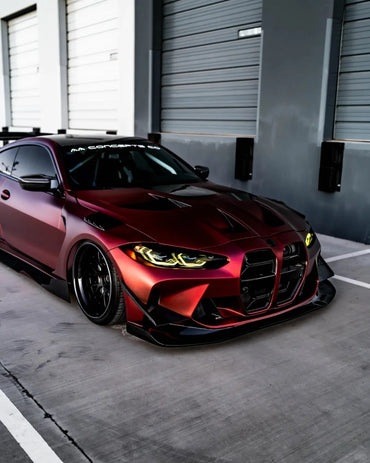
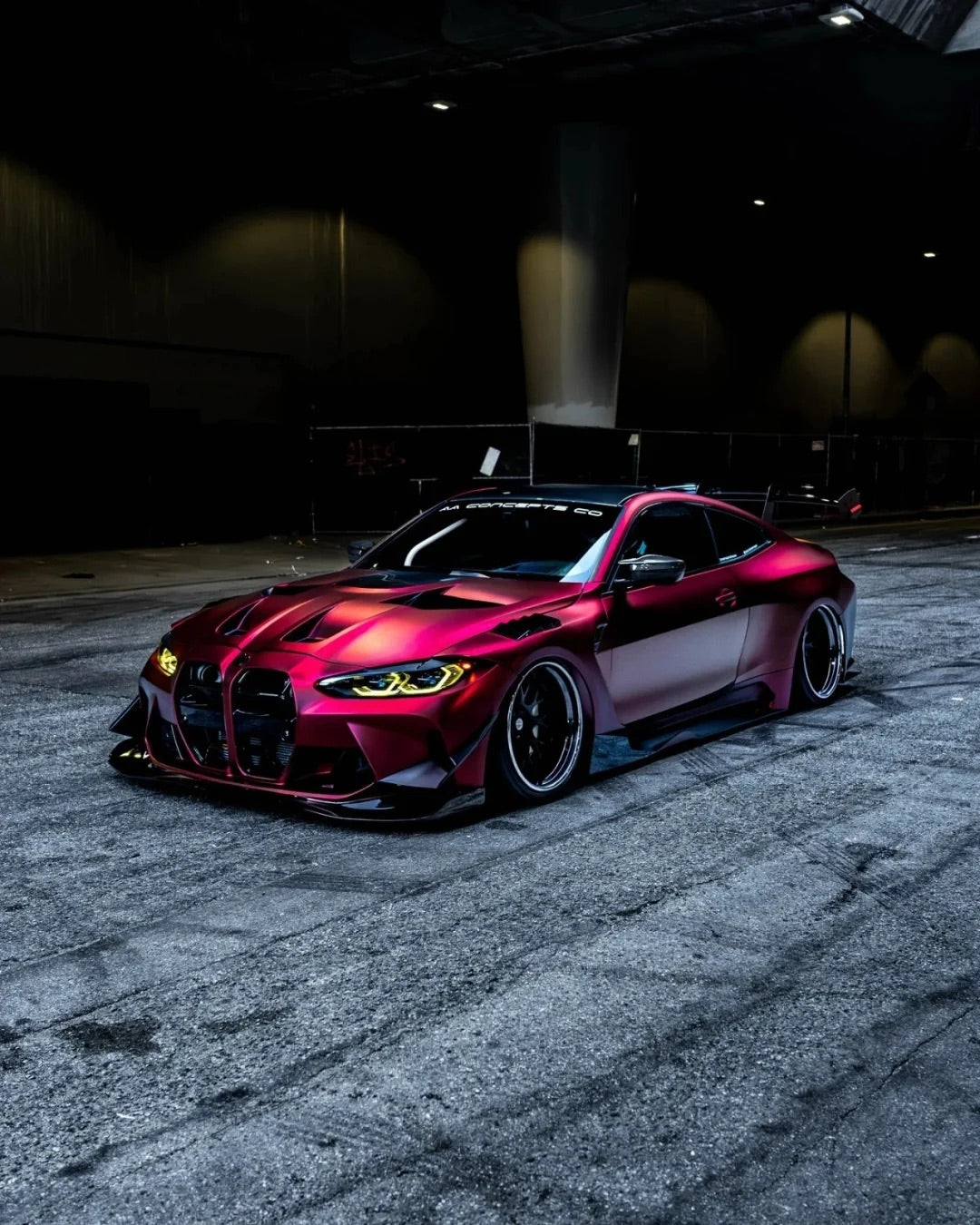
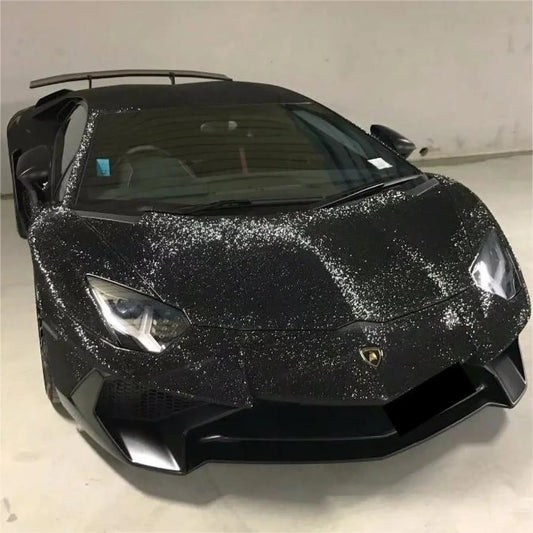
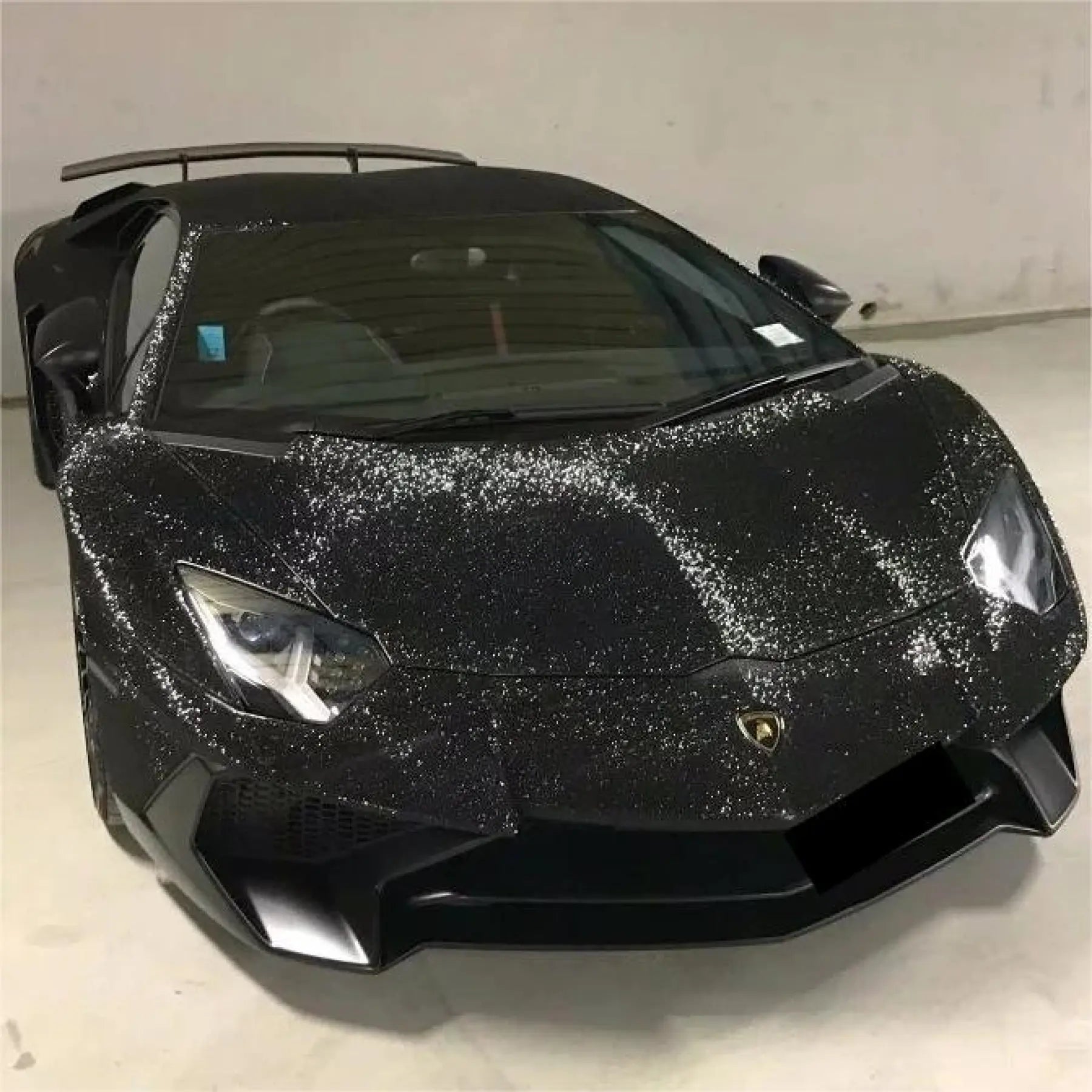
Images were generated with AI to illustrate styling concepts. They are not photographs of completed Sailifilm installations or exact product color matches.

