

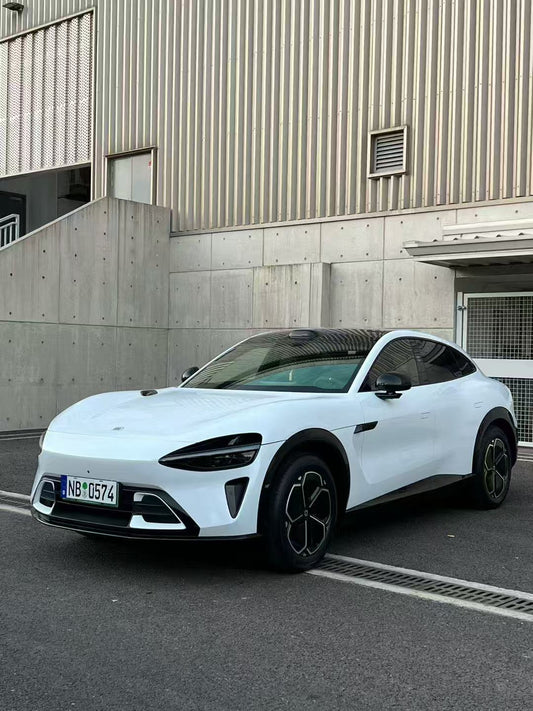
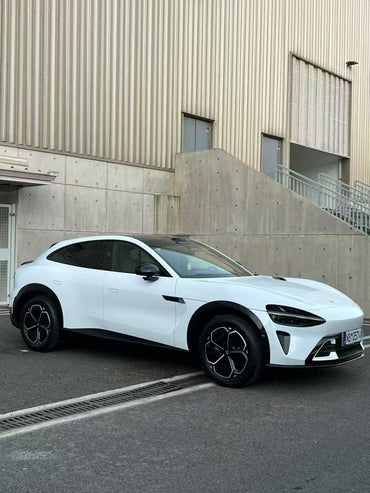
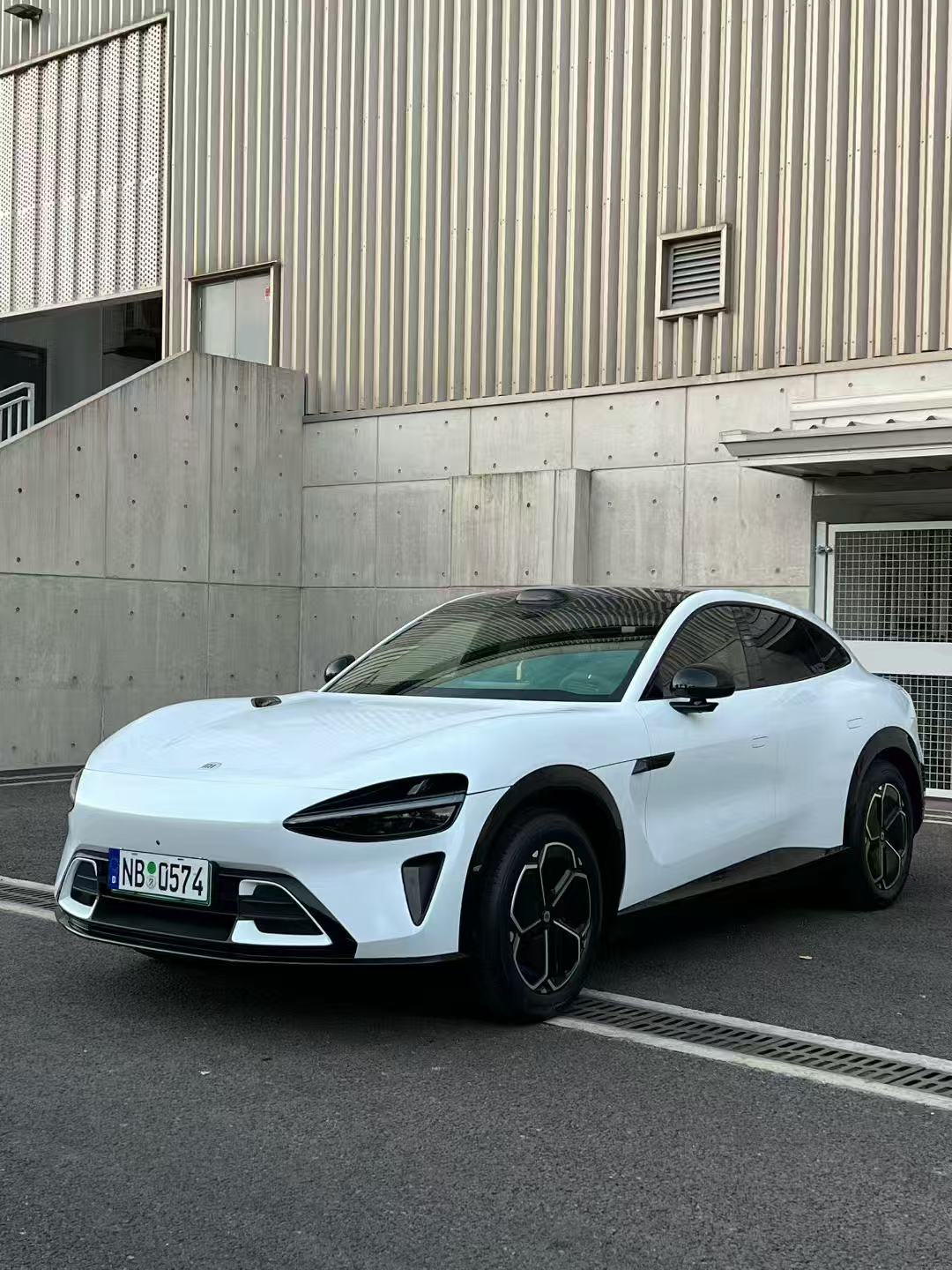


Before choosing where a car wrap should end, find out what is behind the panel. A bumper can look like a simple painted surface while hiding equipment used by driver-assistance systems. A neat finish around a visible camera is only one part of the plan.
Can a car wrap affect parking sensors, cameras or radar? Yes, if it obstructs equipment or conflicts with the vehicle manufacturer’s requirements. Compatibility must be checked for your exact vehicle, equipment and film. An installation that worked on another car is not proof that the same coverage is suitable for yours.
Advanced driver-assistance systems, or ADAS, are increasingly relevant to everyday customization. IIHS describes front crash prevention as becoming more universal. For owners planning a color change, that makes a discussion about sensor areas a useful part of the booking process.
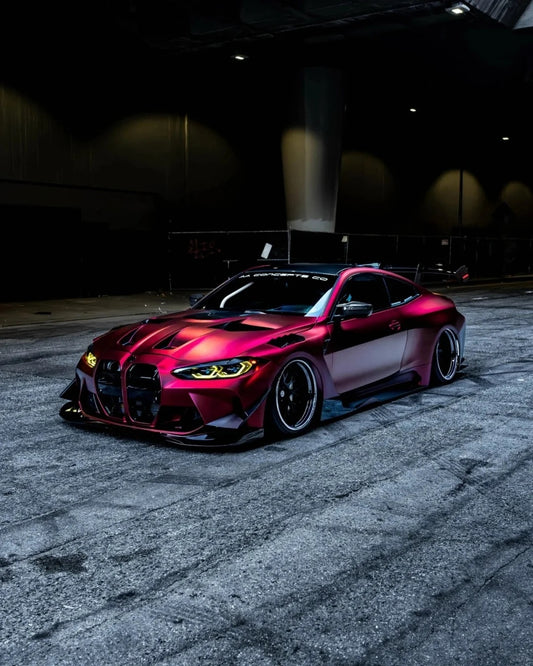
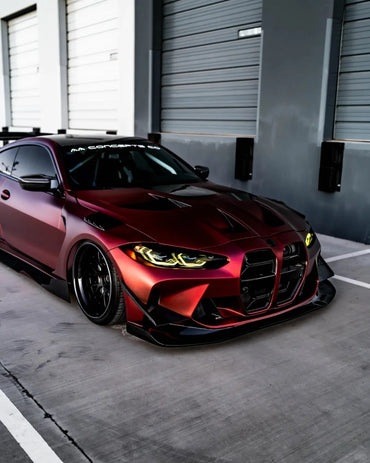
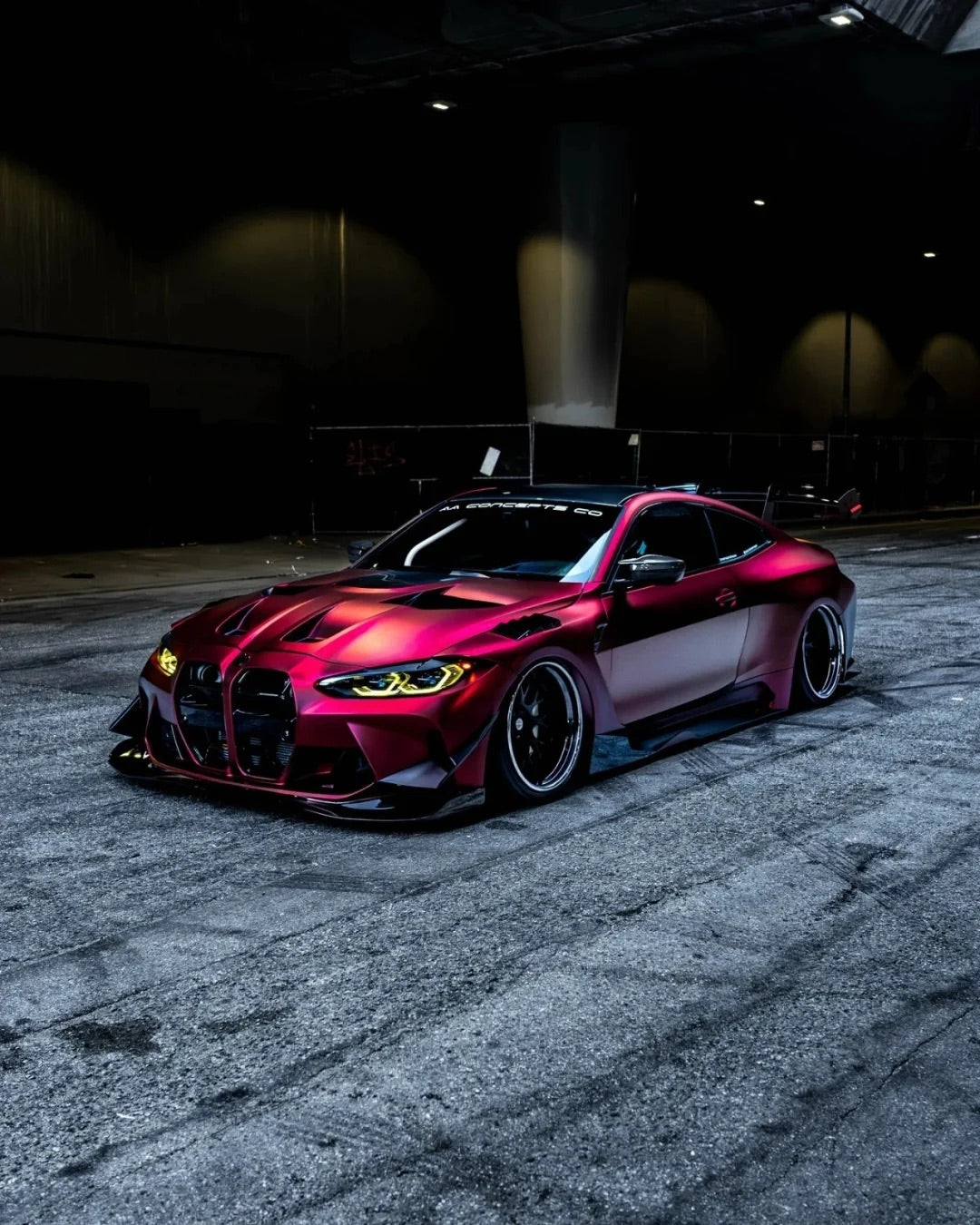
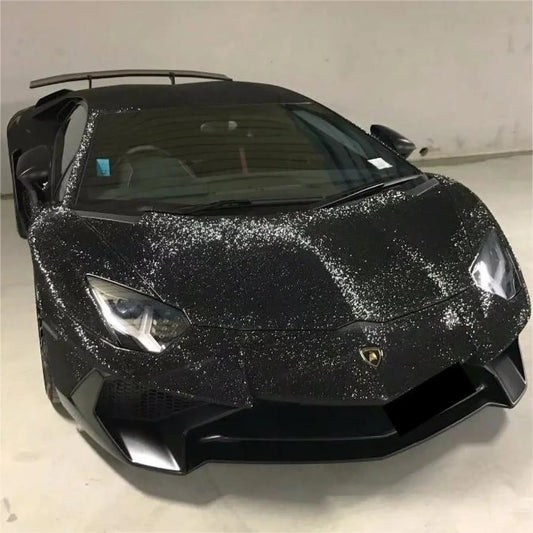
Both images are original AI-generated illustrations. They do not show certified sensor locations or installation clearances for a specific model.
First, separate cameras, parking sensors and radar
Do not treat every component as the same kind of sensor. Read the equipment section in the owner’s manual for the model year and market of your car. If the manual covers several configurations, confirm which one you own.
| Equipment | What to establish before wrapping | Planning question |
|---|---|---|
| Exterior cameras | The lens, housing and required viewing area | How will the approved coverage keep the camera view clear? |
| Ultrasonic parking sensors, where fitted | The sensor faces and the vehicle’s coverage restrictions | Does the manufacturer permit film at this location? |
| Radar | The sensor location and the exterior area in front of it | Does the manufacturer restrict film on or near this panel? |
These distinctions matter in practice. Tesla’s 2017–2023 Model 3 Park Assist guidance lists obstructed sensors or cameras, including obstruction by adhesive products such as wraps, among conditions that can affect performance. That guidance is an example for the specified vehicle, rather than a universal sensor map.
The easy-to-miss issue: radar behind a bumper
Visible circular parking sensors do not identify every area that needs attention. For example, the 2026 Ford Explorer manual describes a radar sensor, where equipped, behind the bumper in the center of the lower grille. The surrounding exterior surface therefore deserves attention even when no round sensor is visible.
Before approving a full bumper wrap, ask the installer to identify the relevant areas from manufacturer information. The design drawing should show any areas that must remain uncovered. Resolve those boundaries before installation, rather than assuming that a smooth panel is available for complete coverage.
Clear PPF is not automatic approval
A transparent film may be visually clear, but that alone does not establish compatibility with equipment behind it. Nissan’s 2024 Qashqai e-POWER manual specifically includes transparent material in its instruction against attaching stickers near the rear radar sensors.
Film manufacturers also address this issue. The 3M Wrap Film Series 2080 bulletin calls for compatibility validation and recommends against applying film over sensors, radar and similar equipment. Those are instructions for that film series; they do not certify Sailifilm products for any particular vehicle.
Ask about the exact material and intended coverage. A color name, a “premium” label or a comparison with another film is not a substitute for applicable compatibility information.
Plan a clean finish around camera areas

Bring the camera areas into the styling discussion early. Ask the shop to show how the wrap will meet existing black trim or camera housings while respecting the vehicle’s restrictions. Leaving an appropriate original trim section visible can be part of a deliberate design.
Record the agreed treatment on the job sheet. A short note such as “camera trim remains exposed according to the approved coverage plan” is more useful than relying on an inspiration photograph alone.
Six questions to ask before booking
- Which vehicle configuration are you using? Supply the model year, market and relevant equipment details so the coverage plan is specific.
- Where are the camera and sensor areas? Ask the installer to consult the applicable owner and service information.
- Which panels or areas will remain uncovered? Request a marked photograph or drawing before approving the appearance.
- Will any relevant parts be removed or disturbed? Ask how the shop will follow manufacturer procedures and determine whether inspection or calibration is required for that work.
- What film is included in the quote? Record the exact product and finish alongside the agreed coverage.
- What records will I receive at handover? Agree on before-and-after photographs and documentation of any required checks or service work.
When exploring Sailifilm car vinyl wraps, build your color shortlist alongside the coverage plan. Ask Sailifilm support for the available information on the specific film, and discuss vehicle-specific restrictions with the vehicle manufacturer or an appropriately qualified workshop.
After installation: appearance is only one check
At collection, compare the finished coverage with the agreed plan and review any inspection or calibration records that apply. Ask the shop to explain anything that changed during the work.
If a warning or unexpected behavior appears, record it and arrange a qualified assessment. Do not deliberately approach a person or obstacle to test automatic braking. A visual inspection or a clear dashboard cannot certify every function: Genesis sensor guidance, for example, notes that impact-related damage or misalignment may affect operation even without a warning message.
Car wrap and sensor FAQ
Can you wrap over parking sensors?
Do not assume permission. Check the instructions for the exact vehicle and film, and agree on compliant coverage before installation.
Does every wrapped car need ADAS calibration?
There is no single answer for every job. Ask the workshop to determine the requirements from the manufacturer’s procedures and the parts affected by the work.
Can a metallic or chrome wrap be used near radar?
A finish name cannot establish compatibility. Confirm the exact product and vehicle restrictions before including that area in the design.
What if the required uncovered area affects the look?
Revise the design around it. Review a marked vehicle photograph with the installer, then choose a film and coverage layout you are comfortable approving.
