


Understanding Car Wrap Pricing Factors
The total cost of wrapping a vehicle depends on several interconnected elements that compound to create your final price. Vehicle size represents the primary cost driver, as larger surface areas require more material and extended installation time. A compact sedan needs roughly 50-60 square feet of vinyl, while full-size SUVs and trucks demand 75-90 square feet or more.
Beyond sheer surface area, body complexity significantly impacts pricing. Vehicles with aggressive curves, deep recesses, door handles, mirrors, and body cladding require additional labor hours compared to simpler, flatter body styles. Professional installers charge premium rates for luxury and exotic vehicles due to the precision these high-value machines demand.
Geographic location influences labor costs substantially. Major metropolitan areas with higher living costs typically charge more than regional shops in smaller markets. However, competition in urban areas sometimes creates more competitive pricing despite higher overhead expenses.
Full Vehicle Wrap Cost Estimates
Professional full wrap installations in 2025 typically range from $2,500 to $7,000 for most passenger vehicles. This broad range reflects the diversity of vehicle sizes, film qualities, and design complexities available in today's market.
Compact cars and coupes generally fall into the $2,000-$3,500 range for quality full-color-change wraps. Mid-size sedans average $3,000-$4,500 depending on finish selection and installer reputation. Full-size SUVs, trucks, and vans command $4,000-$6,500 or higher due to increased material requirements and extended labor hours.
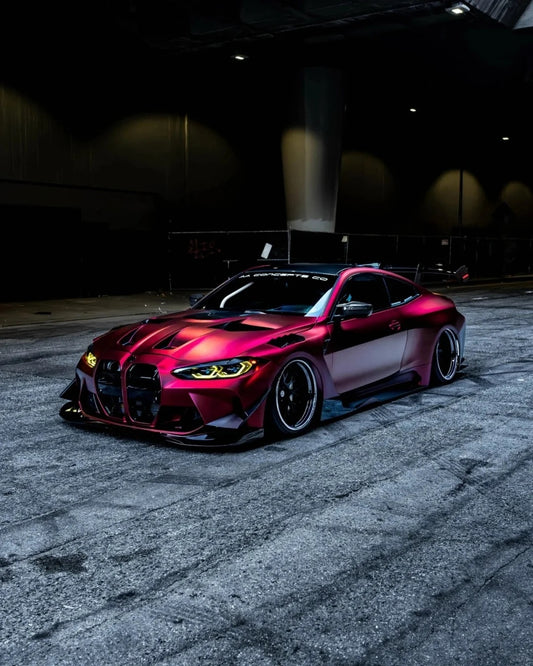
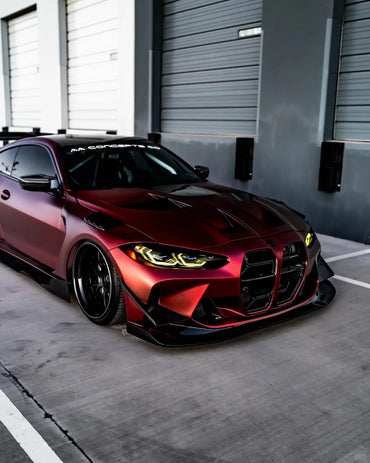
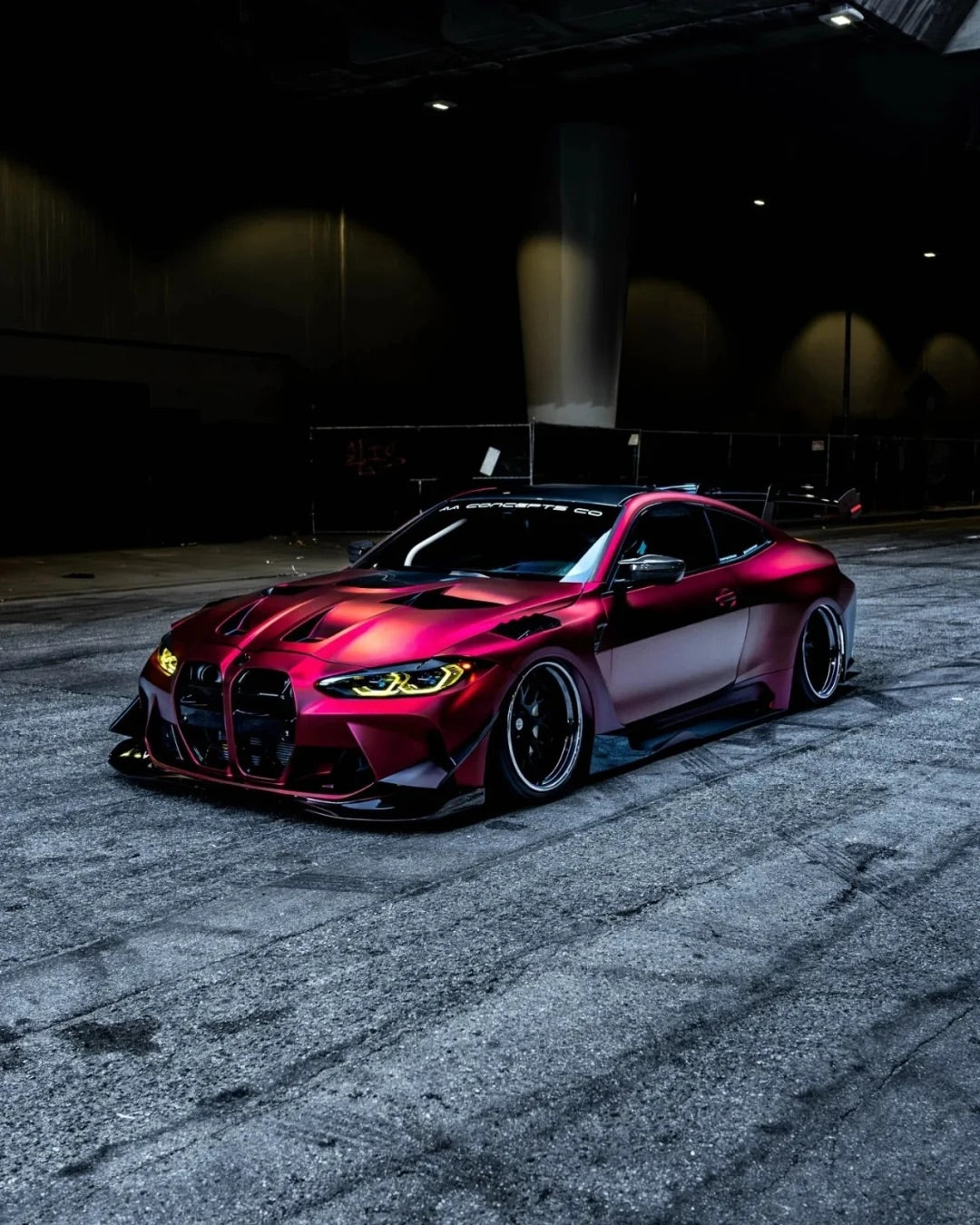
Luxury and exotic vehicles represent a separate category entirely. Complex body designs, expensive underlying paint, and customer expectations push prices into the $8,000-$15,000 range for vehicles from premium manufacturers. The meticulous attention required when working with high-value automobiles justifies these elevated rates.
Partial Wrap Options and Pricing
Not every customization project requires full vehicle coverage. Partial wraps offer budget-friendly alternatives that deliver significant visual impact while controlling costs. Many vehicle owners choose strategic accent wraps that transform specific areas without committing to complete coverage.
Roof wraps typically cost $300-$600 depending on vehicle size and material choice. Hood wraps range from $200-$500, making them popular entry points for DIY installers learning techniques on manageable surfaces. Mirror caps, spoilers, and trim pieces often run $100-$300 individually.
Racing stripes, graphic packages, and custom accent designs vary dramatically based on complexity. Simple single-color stripes might cost $200-$400, while elaborate multi-panel designs with intricate graphics can exceed $1,500 for design and installation combined.
The Sample Kits collection allows testing different finishes before committing to full-size purchases, ensuring your partial wrap matches your vision perfectly.
Vinyl Film Types and Material Costs
Film selection dramatically affects both price and performance expectations. Standard vehicle vinyl wrap materials cost $1.50-$4.00 per square foot at retail, while specialty films command significant premiums.
The Crystal Series offers premium gloss finishes that rival factory paint quality, delivering rich color depth and mirror-like reflections. These films suit vehicle owners seeking elegant, sophisticated aesthetics.
For motorsport-inspired styling, the 3D Carbon Fiber Wrap collection provides realistic textured patterns that mimic genuine carbon fiber weave at a fraction of actual carbon component costs. Carbon fiber vinyl typically runs $3-$7 per square foot depending on quality and finish.
The Ultra Matte Series delivers sophisticated non-reflective finishes that absorb light for a stealth appearance. These velvety smooth films suit modern design aesthetics and pair beautifully with architectural vehicle styling.
Color-shifting enthusiasts should explore the Dual Color Dream Series, which creates chameleon effects that transform depending on viewing angle and lighting conditions. Specialty color-shift films often cost $4-$8 per square foot but deliver attention-grabbing results impossible to replicate with traditional paint.
The Rainbow Laser Series produces spectacular holographic effects that dance across vehicle surfaces, commanding attention wherever you drive. These premium specialty films represent the pinnacle of show car aesthetics.
Chrome and Liquid Chrome Wrap finishes deliver mirror-like reflectivity that transforms vehicles into rolling sculptures. These challenging materials require experienced installers due to their unforgiving nature regarding surface preparation and application technique.
The Metallic Series features metallic flake finishes that shimmer elegantly under sunlight, combining depth and dimension with durable performance characteristics.
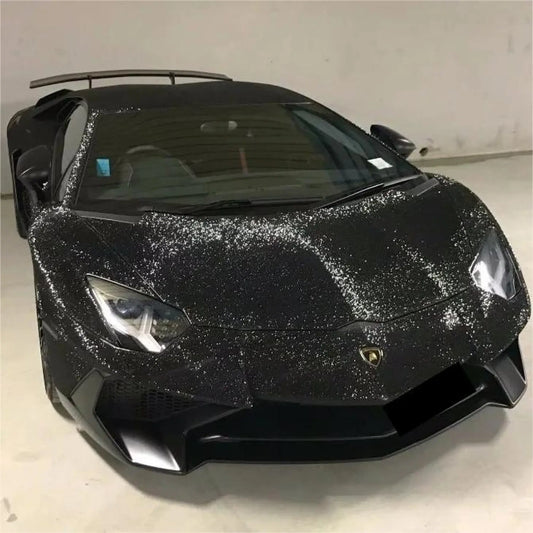
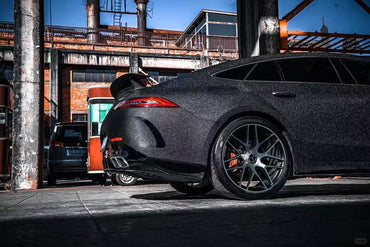
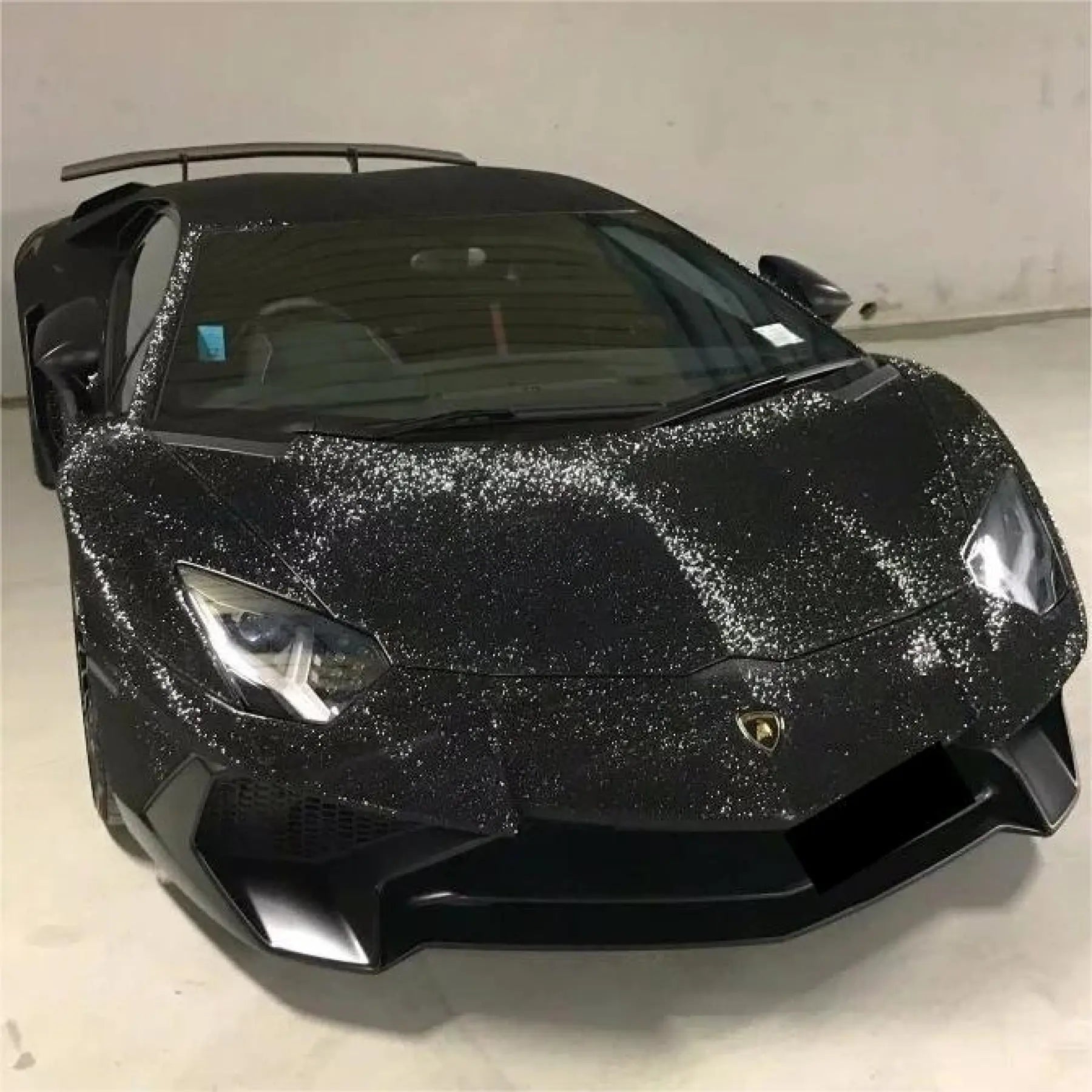
For eye-catching sparkle effects, the Glitter Sparkle Car Wrap collection features diamond glitter finishes in stunning colors including black, pink, and silver that catch light brilliantly.
DIY Installation: Maximum Savings Potential
Purchasing vinyl directly and installing it yourself represents the most cost-effective approach to vehicle wrapping. DIY projects typically reduce total costs by 50-70% compared to professional installation, though they require significant time investment and skill development.
Material costs for a full sedan wrap using quality vinyl range from $300-$800 depending on film selection. Add basic installation tools costing $50-$150, and total DIY project investment stays well under $1,000 for complete vehicle transformation.
The Car Vinyl Wrap collection offers extensive finish options suitable for DIY installers at every skill level. Starting with smaller panels builds confidence before tackling larger, more visible surfaces.
Essential tools include heat guns, squeegees with felt edges, precision cutting knives, isopropyl alcohol for surface preparation, and microfiber cloths. The Wrapping Tools collection provides professional-grade installation equipment designed specifically for vinyl application.
Learning proper technique requires patience and practice. Many successful DIY installers recommend starting with partial wraps on hoods, roofs, or trunk lids before attempting full vehicle projects. These flat or gently curved surfaces teach fundamental skills without the complexity of compound curves and deep recesses.
The DIY Car Wrap Installation Guide provides step-by-step instructions covering surface preparation, application techniques, and finishing methods that deliver professional-quality results.
Professional Installation Benefits
While DIY approaches save substantial money, professional installation offers advantages that justify higher costs for many vehicle owners. Experienced installers complete full wraps in 1-3 days, compared to weekend-consuming DIY projects that often stretch across multiple sessions.
Professional shops provide climate-controlled environments that eliminate dust contamination and temperature fluctuations affecting adhesive performance. Their specialized tools and lighting reveal imperfections invisible in typical garage settings.
Warranty coverage represents another significant professional advantage. Quality shops guarantee their workmanship for years, addressing any lifting, peeling, or defects that emerge. DIY installations offer no such protection against application errors.
Complex vehicles with aggressive styling demand professional expertise. Door handles, mirror housings, grilles, and body cladding create installation challenges that frustrate inexperienced wrappers. Professionals navigate these obstacles efficiently, delivering seamless results across even the most challenging surfaces.
Paint Protection Film: Premium Protection Option
For vehicle owners prioritizing protection over color change, TPU Paint Protection Wrap offers superior durability against stone chips, scratches, and environmental damage. Clear paint protection film costs $4,000-$8,000 for full vehicle coverage, reflecting its enhanced protective properties.
The Colored Paint Protection Film collection combines color-change aesthetics with self-healing protection that makes minor scratches disappear under heat. These premium films cost $5,000-$10,000 or more for full coverage but deliver unmatched protection alongside styling transformation.
TPU-based protection films stretch further, resist impacts better, and heal surface scratches automatically. These characteristics justify premium pricing for owners of luxury vehicles, daily drivers subjected to highway debris, or anyone prioritizing long-term paint preservation.
Cost Comparison: Wrap vs. Paint
Traditional quality paint jobs cost $3,000-$10,000 or more depending on preparation requirements and finish complexity. Custom paint work involving multiple colors, graphics, or specialty finishes easily exceeds $15,000-$20,000 at reputable shops.
Vinyl wraps provide comparable visual transformation at lower price points while offering reversibility that paint cannot match. Vehicle owners can remove wraps and return to original factory colors without damaging underlying paint, preserving resale value and enabling future style changes.
Wrap durability spans 5-7 years with proper maintenance, after which removal and replacement refreshes the vehicle completely. Quality paint jobs last longer but cannot be reversed without expensive repainting.
For leased vehicles, wraps represent the only viable customization option since lease agreements prohibit permanent modifications. Installing wrap before lease return and removing it maintains compliance while enabling personalization throughout the lease term.
Maximizing Your Wrap Investment
Proper preparation significantly affects wrap longevity and appearance. Thoroughly cleaning vehicles before installation removes contaminants that prevent proper adhesion. Addressing paint damage, scratches, or rust beforehand ensures smooth, professional results since vinyl conforms to underlying imperfections rather than hiding them.
Post-installation care extends wrap lifespan dramatically. Hand washing with gentle automotive soap maintains finish quality without damaging vinyl. Avoiding automatic car washes protects edges from lifting or damage. Parking in shaded areas minimizes UV exposure that accelerates aging.
The Car Film Maintenance Guide provides comprehensive care instructions that maximize your wrap investment over years of daily driving.
Making Your Decision
Budget-conscious enthusiasts with time availability and mechanical aptitude benefit enormously from DIY installation. Material costs from the Best Sellers collection combined with proper technique deliver professional-appearance results at substantial savings.
Vehicle owners prioritizing convenience, warranty protection, and guaranteed results should invest in professional installation. The higher upfront cost delivers peace of mind and consistently excellent outcomes regardless of vehicle complexity.
Regardless of installation method, selecting quality vinyl materials ensures durability, appearance retention, and easier installation compared to bargain alternatives. Sailifilm premium films feature air-release technology for bubble-free application and UV-resistant formulations that maintain color vibrancy throughout their service life.
The complete Car Vinyl Wrap collection offers finishes suitable for every aesthetic preference and budget level, from subtle color changes to attention-commanding specialty effects.
How long does a car wrap last
Car wrap warranty explained
Commercial fleet wrap costs

