





Why Riders Choose Carbon Fiber Vinyl Wrap
Real carbon fiber components command premium prices due to their exceptional strength-to-weight ratio and manufacturing complexity. Professional racing teams in World Superbikes and MotoAmerica rely on carbon fiber bodywork because it reduces weight while maintaining structural integrity during high-speed competition.
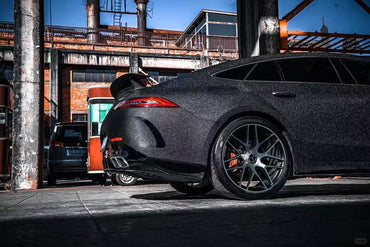
For everyday riders, carbon fiber vinyl wrap provides the same stunning woven texture appearance at a fraction of the cost. The 3D Carbon Fiber Wrap collection from Sailifilm replicates authentic carbon fiber weave patterns with realistic texture and depth that catches light beautifully from every angle.
Beyond aesthetics, vinyl wrap creates a protective barrier between your original paint and the elements. Road grime, stone chips, bug splatter, and UV rays constantly assault motorcycle fairings during rides. A quality wrap film absorbs these minor impacts and can be replaced when worn, keeping your underlying paint pristine for resale or future customization.
Best Motorcycle Parts to Wrap in Carbon Fiber
Not every surface suits wrapping equally well. Experienced installers recommend starting with flat or gently curved panels before tackling complex compound curves. Here are the most popular motorcycle components for carbon fiber wrap application:
Fuel Tank – The most prominent visual element on any motorcycle, the fuel tank offers substantial surface area to showcase the distinctive carbon weave pattern. Wrapping protects against scratches from zippers, belt buckles, and gear bags that constantly contact this area during rides.
Side Fairings – Sport bikes feature large side panels perfect for dramatic transformation. These pieces typically remove easily for workshop wrapping, allowing precise application without rushing.
Front Fender – Constantly pelted by road debris thrown up from the front tire, the front fender benefits enormously from wrap protection. Carbon fiber vinyl adds aggressive styling while shielding paint from chips.
Rear Hugger – This piece collects chain fling and rear tire spray throughout its life. Wrapping the hugger in carbon fiber protects against this abuse while complementing other wrapped components.
Tank Pad Area – Even partial wraps on high-wear zones deliver significant protection and style improvement without requiring full panel coverage.
Understanding Different Vinyl Wrap Finishes
Carbon fiber represents just one option among many finish styles available for motorcycle customization. Understanding the complete range helps you select materials that complement your vision. Sailifilm offers extensive choices across multiple categories:
The 3D Carbon Fiber Wrap collection includes both gloss and matte forged fiber patterns in black and red colorways. These wraps feature realistic textured surfaces that mimic genuine carbon weave, delivering motorsport credibility to any machine.
For riders seeking understated elegance, the Ultra Matte Series provides sophisticated non-reflective finishes that absorb light for a stealth appearance. Colors range from pure white through mountain grey to dramatic Russian violet purple. This velvety smooth aesthetic suits modern cafe racers and minimalist builds exceptionally well.
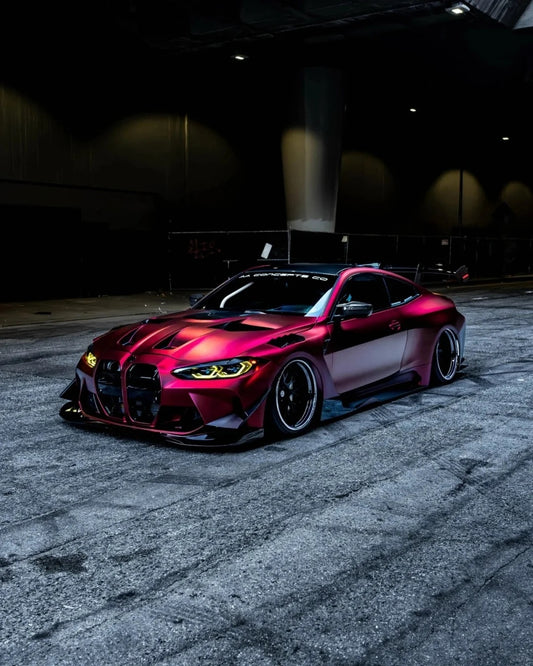
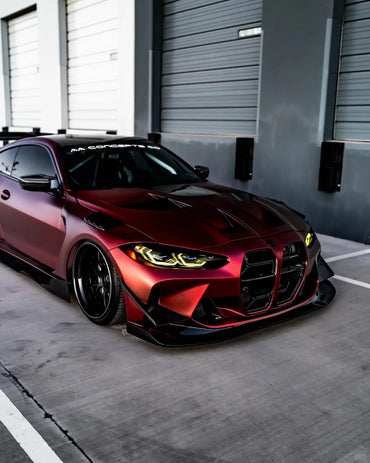
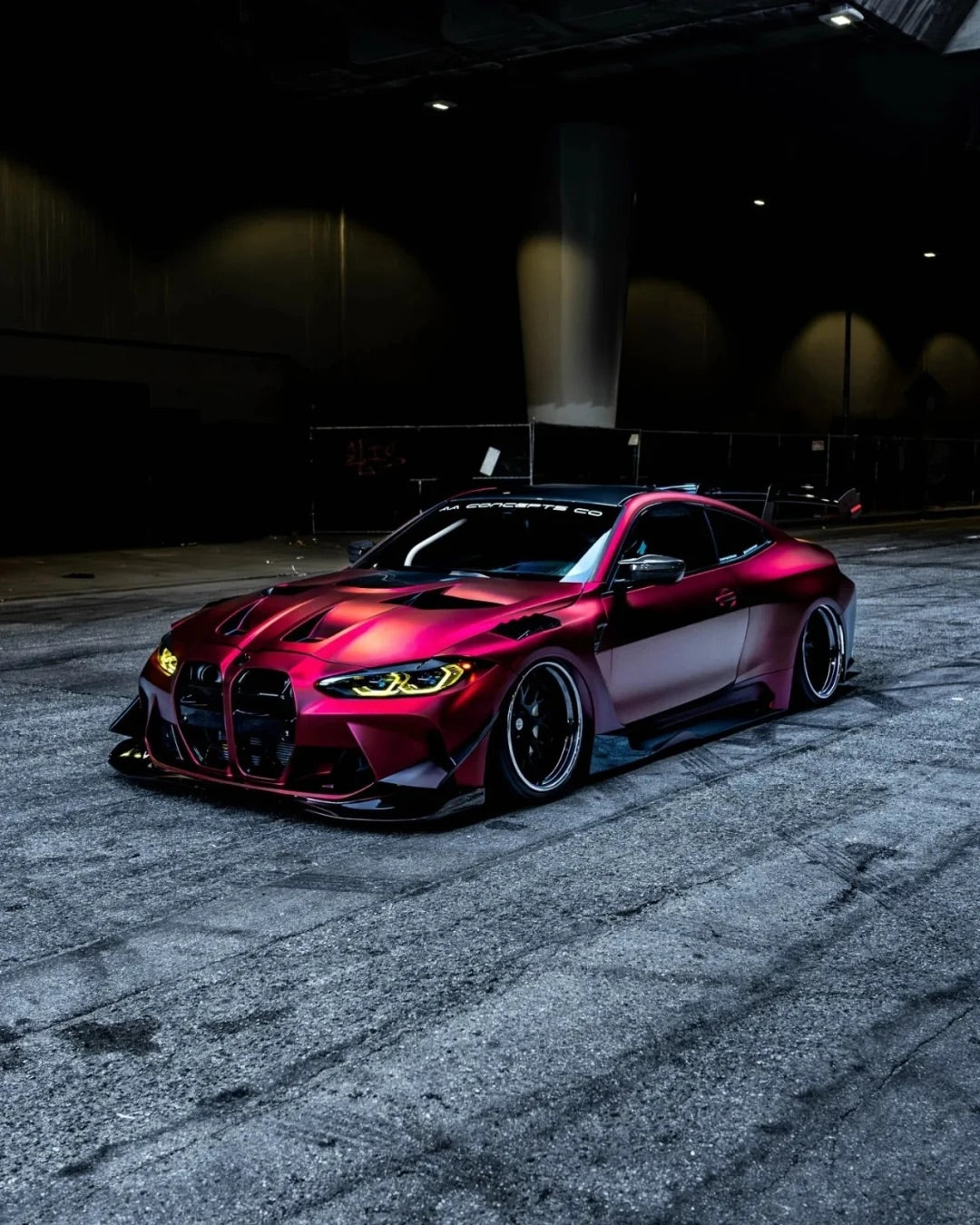
The Metallic Series delivers deep lustrous finishes with subtle metallic flakes that shimmer elegantly under sunlight. Ghost midnight blue, frozen berry pink, and GT silver options transform motorcycles into head-turning showpieces with mirror-like shine.
Color-shifting enthusiasts should explore the Dual Color Dream Series, which creates chameleon effects that shift between hues depending on viewing angle and lighting conditions. These eye-catching wraps guarantee attention wherever you ride.
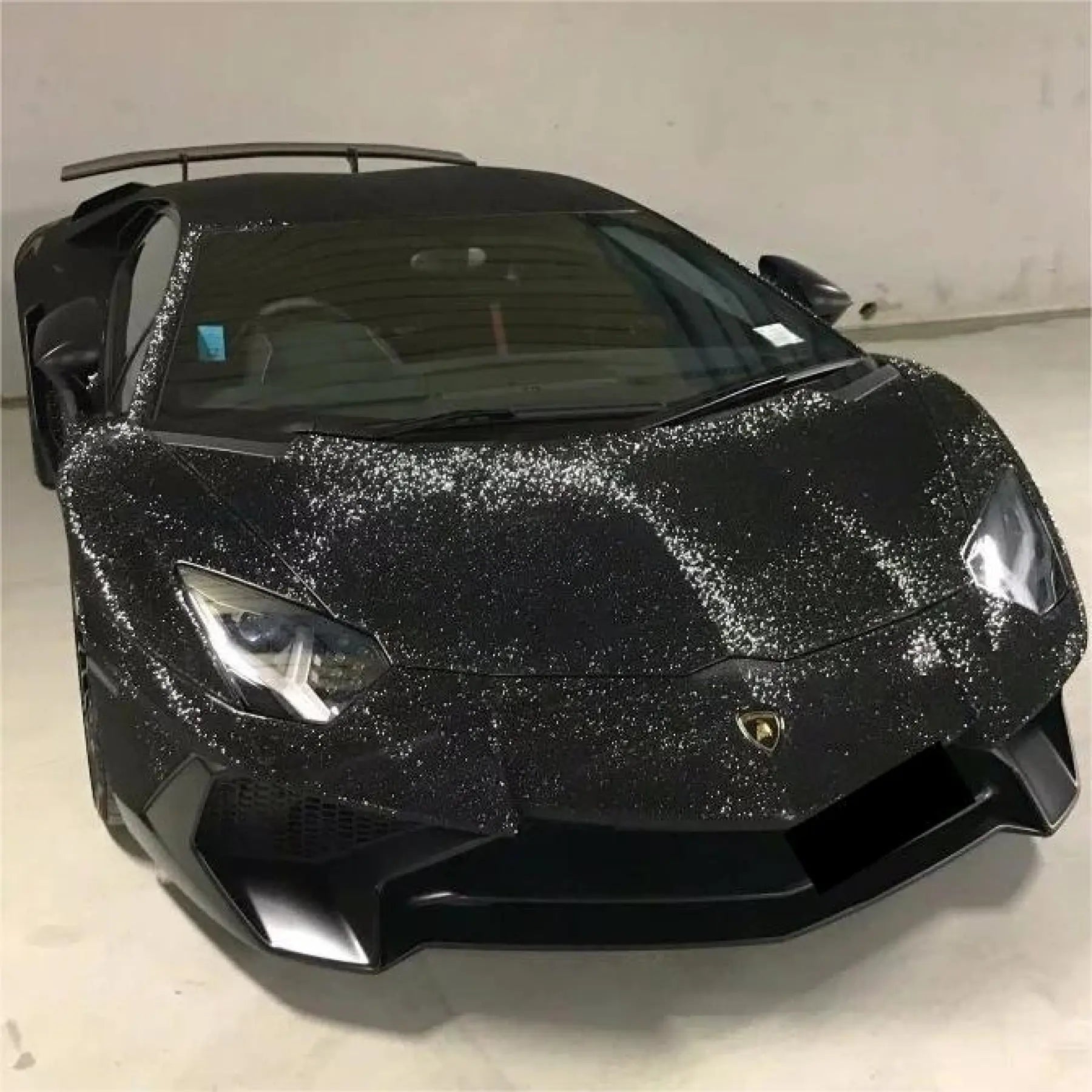
For maximum visual impact, the Rainbow Laser Series produces spectacular holographic effects that dance across surfaces as you move. Laser pink and other options in this collection suit riders who want their machines noticed immediately.
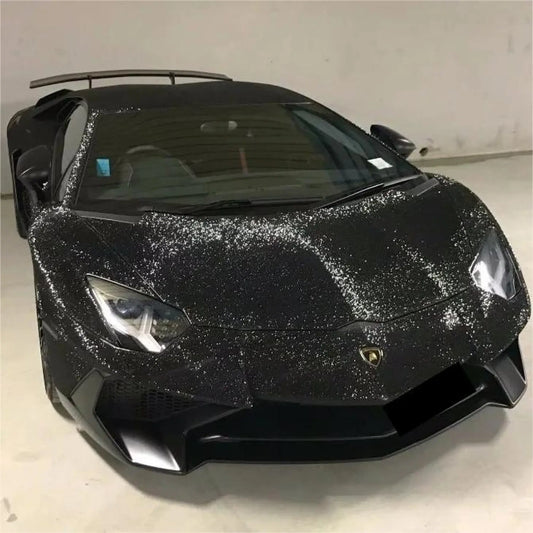
The Crystal Series and Liquid Chrome Wrap collection round out the styling options with premium gloss finishes that rival professional paint quality.
DIY Installation: Tools and Preparation
Successful motorcycle wrap installation requires proper preparation and patience more than specialized skills. Gather these essential tools before starting:
Heat Gun or Hair Dryer – Warming vinyl makes it pliable and conformable around curves and edges. Heat activates the adhesive for permanent bonding and enables stretching without tearing.
Squeegee with Felt Edge – This tool smooths vinyl onto surfaces while preventing scratches. The felt covering slides across delicate materials without marring the finish.
Precision Knife – Sharp cutting tools ensure clean edges and accurate trimming around complex shapes. Replace blades frequently for best results.
Isopropyl Alcohol – Surface preparation determines adhesion quality. Alcohol removes oils, waxes, and contaminants that prevent vinyl from bonding properly.
Microfiber Cloths – Lint-free cloths wipe surfaces clean without leaving fibers behind that create bumps under the wrap.
Masking Tape – Protects adjacent surfaces during installation and helps position vinyl accurately before final application.
Check the Wrapping Tools collection for professional-grade installation equipment designed specifically for vinyl application.
Step-by-Step Installation Process
Remove the fairing or component you plan to wrap whenever possible. Working on a bench provides better angles and control than struggling on the assembled motorcycle. Some riders successfully wrap panels in place, but removal simplifies the process significantly.
Surface Cleaning – Wash the panel thoroughly with soap and water to remove dirt and grime. Follow with isopropyl alcohol wipe-down to eliminate oils and residues. Allow complete drying before proceeding.
Damage Inspection – Examine surfaces for scratches, dents, or rust. Vinyl wrap conforms to underlying imperfections rather than hiding them. Address any damage before wrapping for best results.
Measurement and Cutting – Lay vinyl over the panel and cut roughly to shape, leaving 4-6 inches extra on all sides. This excess material allows repositioning and provides material for stretching around edges.
Initial Positioning – Peel backing from one section and position vinyl on the panel. Work from center outward, pressing firmly with the squeegee to eliminate air bubbles. The air-release technology in quality wraps allows bubbles to escape through micro-channels.
Heat Application – Warm the vinyl gently as you work around curves and recessed areas. Heat increases flexibility, allowing the material to stretch and conform without wrinkling. Avoid overheating, which can damage the film or weaken adhesive.
Edge Wrapping – Fold vinyl around panel edges and secure on the backside. This creates durable seams that resist lifting during cleaning or normal use. Trim excess material with precision for clean finishing.
Final Heat Treatment – Once installation completes, apply heat across the entire surface to activate adhesive fully. This post-heating step ensures long-term bonding and durability.
Caring for Wrapped Motorcycle Fairings
Proper maintenance extends wrap lifespan significantly. Hand washing with mild automotive soap keeps surfaces clean without damaging the vinyl. Avoid automatic washes and pressure washers that can lift edges or force water underneath seams.
Park in shaded areas when possible to minimize UV exposure. Although quality wraps include UV inhibitors, direct sunlight accelerates aging on any material. Garage storage dramatically extends appearance retention.
Inspect edges periodically for lifting or peeling. Small issues caught early can be resealed with heat application before they spread. Once edges lift significantly, moisture and dirt penetrate underneath, requiring complete removal and replacement.
The Car Film Maintenance Guide provides detailed care instructions applicable to all vehicle vinyl applications.
Combining Protection with Style
Riders wanting maximum protection alongside custom styling should consider the Colored Paint Protection Film options. These TPU Paint Protection Wrap products combine colored aesthetics with self-healing properties that make minor scratches disappear under heat.
Paint protection film differs from standard vinyl wrap in composition and performance characteristics. TPU-based films stretch further, resist impacts better, and heal surface scratches automatically. The trade-off involves higher cost and more limited color selection compared to vinyl wraps.
For comprehensive coverage combining style transformation and surface protection, many riders apply clear protection film over critical impact zones while using colored vinyl wrap on lower-risk areas.
Sample Kits: Try Before Full Commitment
Uncertain which finish suits your motorcycle best? The Sample Kits collection allows testing multiple materials before investing in full-size rolls. Sample swatches show exactly how different finishes appear on various surfaces under different lighting conditions.
Comparing samples against your paint color and existing accessories ensures harmonious results. What looks stunning online may clash with your specific combination of tank color, seat material, and frame finish.
Professional Results at Home
The DIY Car Wrap Installation Guide walks through techniques that apply equally to motorcycle applications. Following established methods prevents common mistakes that frustrate first-time installers.
Practice on small panels or inexpensive test surfaces before tackling prominent fairings. Building confidence and technique on low-stakes pieces prevents costly errors on visible components.
Carbon fiber vinyl wrap transforms motorcycle aesthetics while protecting surfaces from daily wear. The Car Vinyl Wrap collection includes options for every style preference and budget level. Whether you seek aggressive racing appearance, subtle elegance, or eye-catching color-shifting effects, quality vinyl wrap delivers professional customization results achievable at home.
Explore the complete Best Sellers collection to discover which styles current riders prefer, then start planning your motorcycle transformation project today.
Winter storage tips for wrapped motorcycles
Best vinyl wrap colors for sportbikes
Removing old vinyl wrap from motorcycles
Carbon fiber wrap vs paint protection film

