





The Core Difference in One Sentence
A carbon fiber wrap changes how your car looks. Paint protection film defends what is underneath. That single distinction drives every other difference between them, and keeping it in mind makes the rest of the decision straightforward.
A 3D carbon fiber wrap is a styling product first. Its purpose is to give panels the aggressive, motorsport-inspired woven texture of real carbon fiber at a fraction of the cost of the genuine material. Paint protection film, by contrast, is a defensive product first. Its purpose is to take the hits — rock chips, scratches, road debris, bug acid — so your factory paint never has to.
What Carbon Fiber Wrap Is Made Of
Carbon fiber vinyl wrap is a cast PVC film with a textured surface layer that replicates the look of a woven carbon weave. Sailifilm's carbon collection includes realistic 3D and 4D textures in both gloss and matte, available in classic black as well as bold red, so you can match the finish to the build.
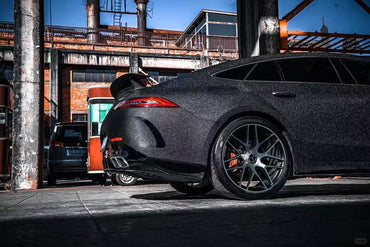
The strength of carbon fiber wrap is visual. It adds genuine depth and dimension that a flat printed sticker cannot, and it conforms to curves, edges, and complex body lines thanks to air-release adhesive channels that let trapped air escape during installation for a clean, bubble-free result. It is the ideal way to give a hood, roof, mirror caps, spoiler, or interior trim that purposeful performance look without the enormous expense of actual carbon fiber components.
What carbon fiber wrap is not designed to do is absorb impacts. Like all decorative car vinyl wrap, it is a relatively thin film whose job is appearance. It will shrug off light surface contact, but it is not a physical shield against a stone thrown up at highway speed.
What Paint Protection Film Is Made Of
Paint protection film is a different animal entirely. Sailifilm's TPU paint protection wrap is built from thermoplastic polyurethane — a thicker, far more elastic material than the PVC used in styling vinyl. That construction is what gives PPF its defining abilities.
The film is engineered to absorb physical impacts, so rock chips and road debris strike the film instead of your paint. It carries a self-healing topcoat, meaning light scratches and swirl marks vanish on their own as the surface recovers, often with a little warmth from the sun or warm water. And it resists UV, staining, and chemical etching, keeping the surface clear and the paint beneath it factory-fresh.
Sailifilm offers PPF in 7.5mil and 8.5mil thicknesses, in both gloss and matte invisible finishes. The thicker the film, the more impact protection it provides, which is why the heaviest grades go on the most exposed panels. If you want protection that also adds color rather than staying invisible, the colored paint protection film range combines that defensive TPU base with a finished look.
Side-by-Side: The Differences That Matter
| Factor | Carbon Fiber Wrap | Paint Protection Film |
|---|---|---|
| Primary purpose | Change appearance | Protect the paint |
| Base material | Cast PVC vinyl | Thermoplastic polyurethane (TPU) |
| Thickness | Thinner styling film | Thicker, impact-absorbing |
| Self-healing | No | Yes |
| Impact / chip resistance | Minimal | High |
| Look | Bold carbon weave texture | Clear/invisible (or colored) |
| Best for | Hoods, roofs, trim, accents | Front bumpers, hoods, high-impact zones |
| Relative cost | Lower | Higher |
The pattern is clear. If your priority is transforming the look of the car, carbon fiber wrap delivers an aesthetic that PPF simply is not made to provide. If your priority is shielding the paint from the daily reality of the road, PPF delivers protection that decorative vinyl cannot match.
When to Choose Carbon Fiber Wrap
Reach for a carbon fiber wrap when the goal is visual impact. It excels at:
- Adding a motorsport look to a hood, roof, or trunk
- Accenting mirror caps, splitters, spoilers, and side skirts
- Dressing up interior trim pieces
- Creating contrast on dark or neutral-colored cars, or a purposeful two-tone effect on brighter ones
- Achieving the carbon aesthetic without the cost of genuine carbon panels
If you love the idea of the carbon look but also want other dramatic finishes elsewhere on the build, it is worth exploring the wider catalog — the Liquid Series, Metallic Series, and Ultra Matte Series all pair beautifully with carbon accents.
When to Choose Paint Protection Film
Reach for PPF when the goal is keeping the car's surface flawless over the long term. It is the right call for:
- Front bumpers, hoods, and fenders that take the brunt of highway debris
- Side skirts and rocker panels exposed to stone chips
- High-touch areas like door edges and handle cups
- Any vehicle where preserving resale value and factory paint is a priority
- Daily drivers that rack up miles in real-world conditions
PPF is the insurance policy for your paint. The areas most worth protecting are exactly the ones most likely to get chipped, which is why many owners film just the front-facing panels rather than the whole car.
You Do Not Actually Have to Choose
Here is the part that surprises people: the smartest approach in 2026 is often to use both materials, each where it performs best. You can run a carbon fiber wrap on the panels you want to restyle, and lay paint protection film over the panels that take the most abuse — or even layer clear PPF over a color wrap on vulnerable areas to protect the film itself.
This combination gives you the aggressive carbon aesthetic where you want to be seen, and serious surface defense where you need to be protected, all on the same vehicle. For a full walkthrough of how to plan a build that uses carbon vinyl and TPU film together, our dedicated Carbon Fiber PPF combination guide covers strategy panel by panel.
A Note on Quality
Whichever you choose, material quality is what separates a result that lasts from one that disappoints. A good film — vinyl or TPU — should deliver realistic texture or clarity, a strong but paint-safe adhesive, air-release technology for smooth installation, and clean removal that does not harm the paint underneath. Cheap rolls tend to stiffen, fade, lift at the edges, and flatten in texture within months. The difference becomes obvious the moment the film is on the car.
To get the most from either product, prep and technique matter as much as the film itself. The DIY car wrap installation guide walks through surface preparation and application step by step, and the car film maintenance guide keeps both finishes looking their best for the long haul. If you would like to feel the texture and finish before committing to a full roll, a sample kit is the easiest way to compare in person.
The Bottom Line
Carbon fiber wrap and paint protection film are not competitors — they are specialists. Carbon fiber wrap is the answer when you want your car to look faster, more aggressive, more custom. PPF is the answer when you want your paint to survive everything the road throws at it. Decide what you are actually trying to achieve, match the film to that goal, and for the most complete result, consider letting the two work together.
Further Reading
- Carbon Fibers — Wikipedia — Overview of carbon fiber material properties and why the weave look is so prized
- Paint Protection Film — Wikipedia — Background on TPU films and self-healing technology
- Vehicle Vinyl Wrap — Wikipedia — Technical overview of vinyl film materials and adhesives
- Polyurethane — Wikipedia — The polymer chemistry behind modern protection films

