



The Short Answer: Five to Seven Years
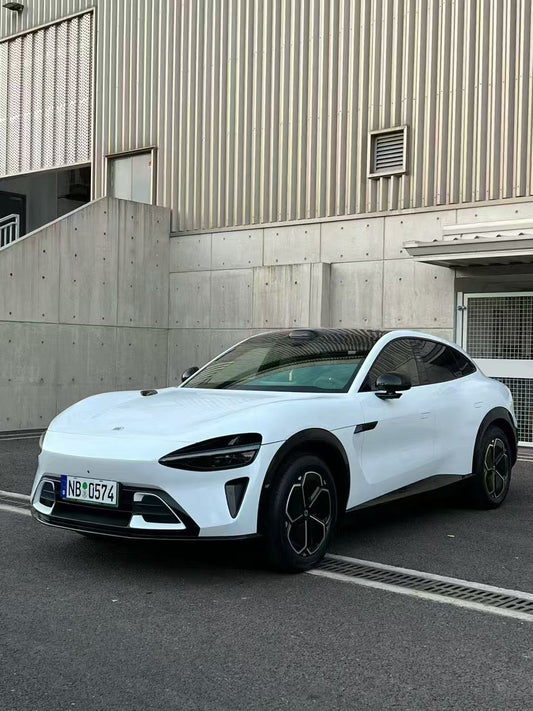
For most vehicles, a quality cast vinyl wrap that is properly installed and looked after will last around five to seven years before it begins to show its age. After that point, you may start to notice fading, edge lifting, or a loss of the original gloss — the natural signs that it is time to refresh the look.
But that range is an average, not a guarantee. A wrap on a car that lives in a garage and gets washed by hand will comfortably outlast the same wrap on a car baking in a parking lot all day. Four things decide which end of the range you land on: the quality of the film, the quality of the installation, the environment the car lives in, and how the wrap is maintained. Get all four right and you are looking at the long end. Neglect them and even a good wrap fades early.
The Four Factors That Decide Wrap Lifespan
1. Material Quality
This is the single biggest factor. A premium cast film is engineered with UV-resistant pigments, a stable adhesive, and the flexibility to handle temperature swings without cracking. A cheap calendered roll, by contrast, stiffens, fades, and lifts at the edges within a year or two. Starting with quality film is the most important decision you make for long-term durability — no amount of careful washing rescues a budget wrap.
Across the car vinyl wrap range, the films are built on cast PET material designed for full-vehicle application and a long service life, which is exactly the foundation a durable wrap needs.
2. Installation Quality
Even the best film fails early if it is applied badly. Air bubbles, weak edges, and over-stretched corners are all weak points where lifting and peeling begin. A clean, well-prepped surface and patient application — letting the film conform properly with air-release adhesive channels — gives the wrap its full lifespan. A rushed install is one of the most common reasons a wrap fails years before it should. The DIY car wrap installation guide covers the prep and technique that prevent these early-failure points.
3. Environment and Climate
Where your car lives matters enormously. The sun is a wrap's biggest enemy — sustained UV exposure is what fades color and degrades the film over time. Hot, sunny climates shorten wrap life, while cooler regions and garage storage extend it. Coastal salt air can attack edges, and in cold regions road salt and freeze-thaw cycles stress the adhesive. A car parked in shade or indoors will keep its wrap looking fresh far longer than one exposed to the elements around the clock.
4. Maintenance
How you care for the wrap is the factor most within your control, and it can add two to three years of good looks. Hand washing with a pH-neutral soap, removing contaminants quickly, and keeping the film sealed all slow the aging process dramatically. We will come back to the specifics below.
How Different Finishes Age
Not every wrap finish lasts the same length of time. The finish you choose has a real effect on longevity, and it is worth knowing the trade-offs before you commit.
| Finish | Typical Character | Lifespan Note |
|---|---|---|
| Gloss | Durable, easy to clean, fade-resistant | Among the longest-lasting finishes |
| Satin / Matte | Smooth, understated sheen | Long-lasting but needs finish-specific care |
| Metallic | Rich, saturated color and sparkle | Strong color depth; protect from UV to preserve vibrancy |
| Specialty (chrome-like, laser, holographic) | Maximum visual drama | Thinner, more delicate films that need extra care |
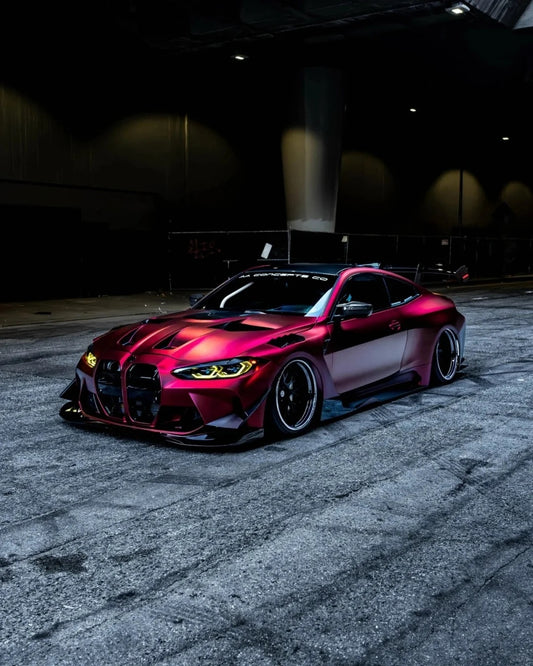
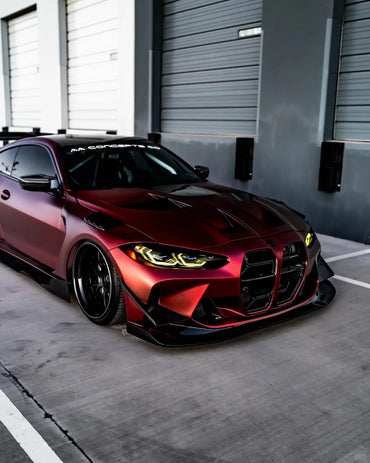
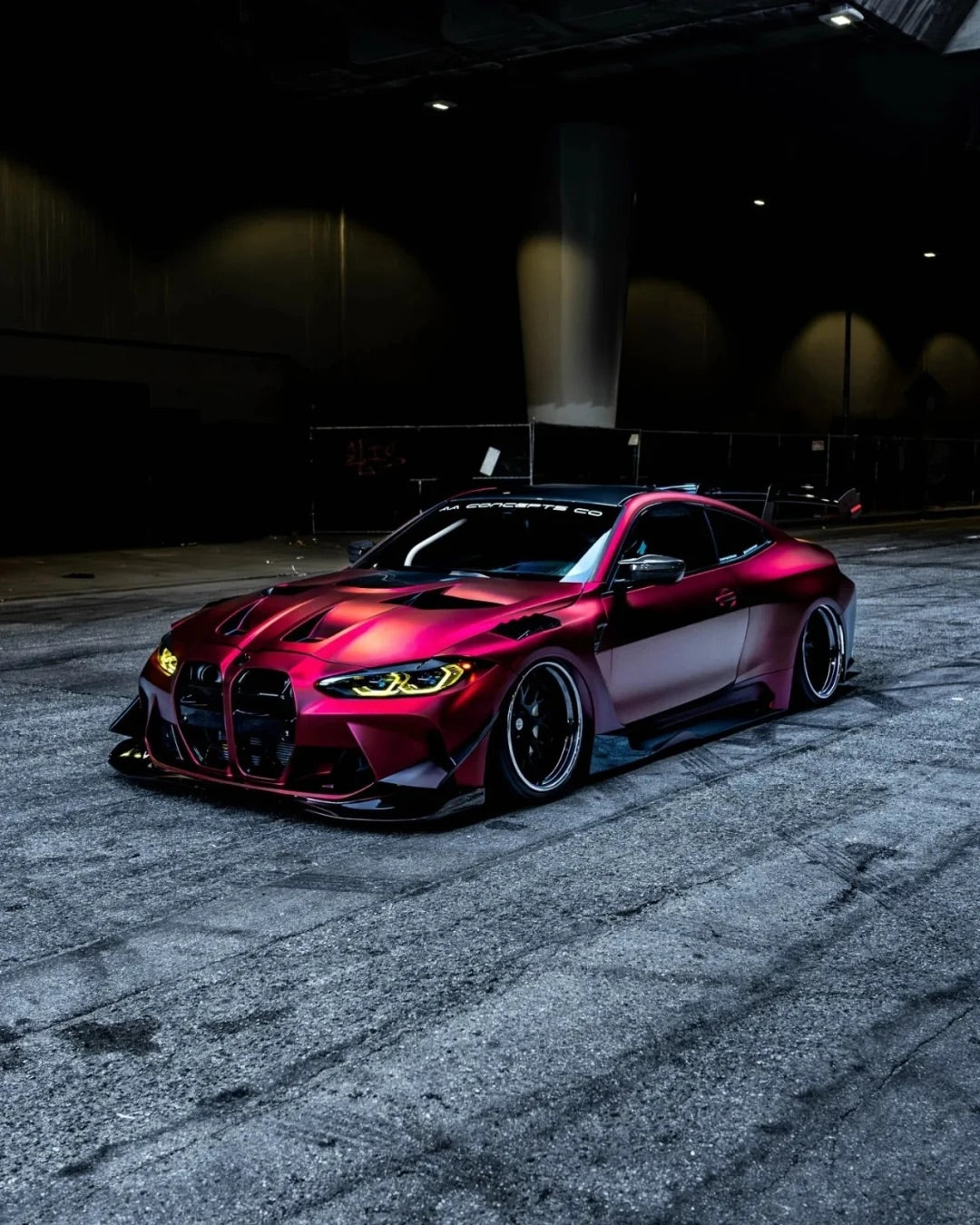
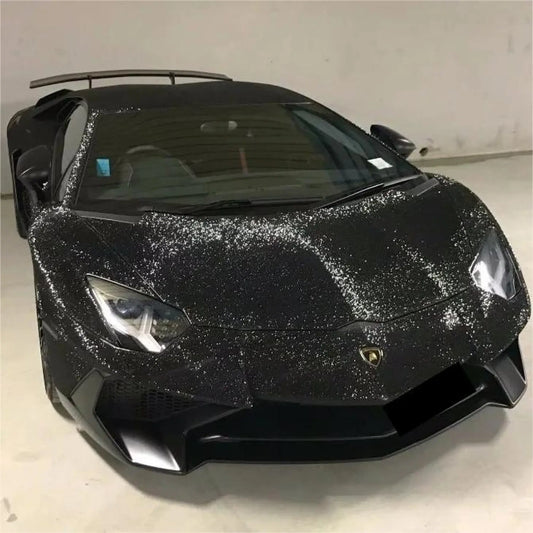
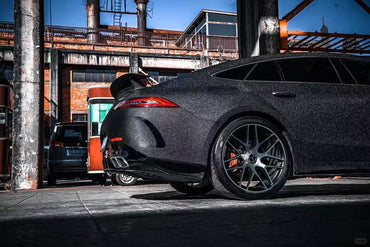
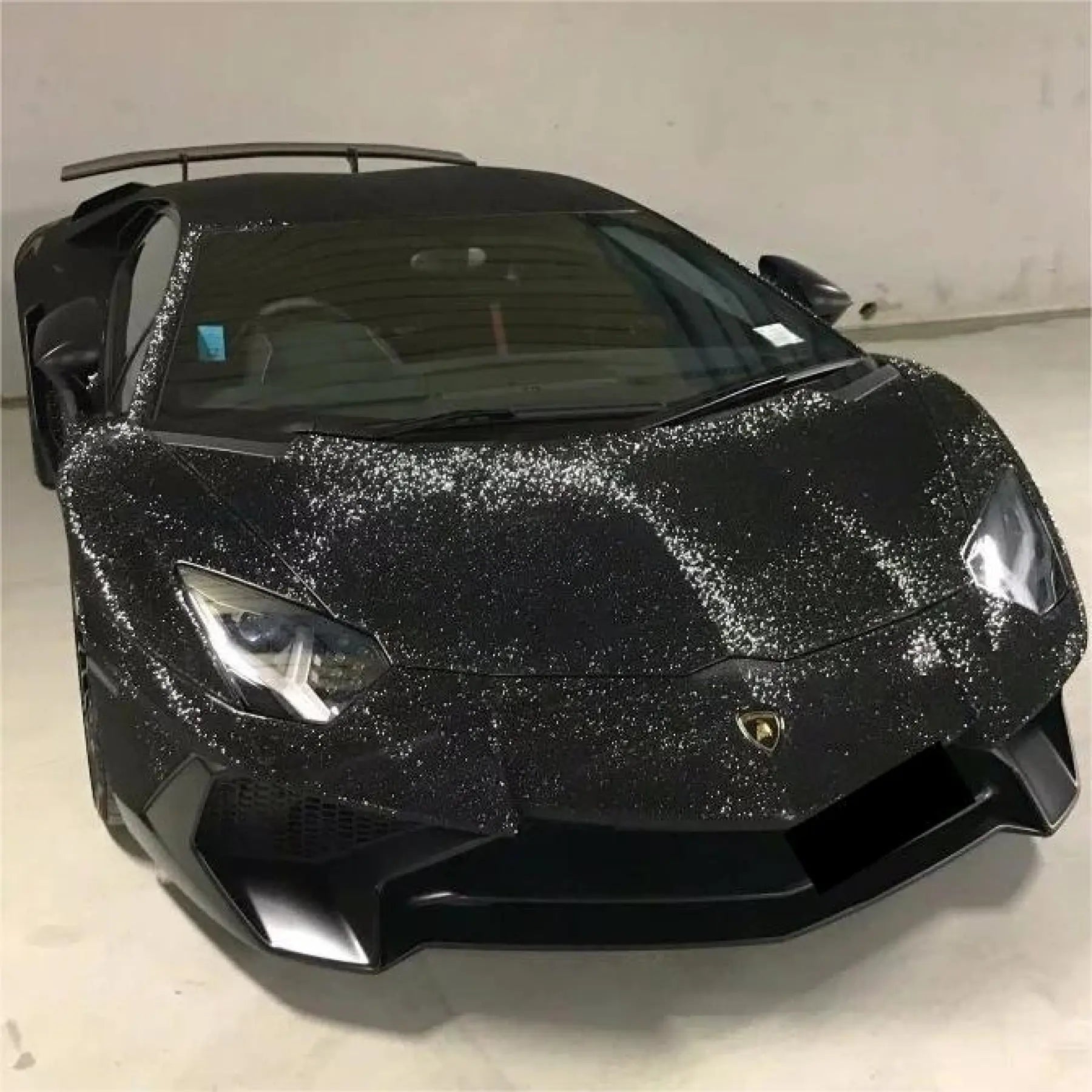
Glossy finishes are generally the workhorses of longevity — they resist fading and clean up easily. The deep colors of metallic vinyl wraps and the dramatic shift of rainbow laser vinyl wraps reward a little extra protection, since color integrity is the entire point of those finishes. A flat, even ultra matte wrap looks fantastic but must never be cleaned with gloss-enhancing products, which create permanent shiny patches. Choosing a finish is partly an aesthetic decision and partly a longevity one.
What About Paint Protection Film?
If your goal is the longest-lasting film on the car, that is a slightly different product. TPU paint protection wrap is built from thermoplastic polyurethane rather than decorative vinyl, and it is engineered to last longer while defending the paint underneath from rock chips and scratches. Its self-healing topcoat keeps the surface looking clear for years. Many owners run a color wrap for style and add PPF on the high-impact panels for protection — the two are not mutually exclusive, and combining them is one of the smartest ways to protect a wrap investment over the long term.
How to Make Your Wrap Last Longer
The difference between a wrap that fades at four years and one that still looks sharp at seven comes down to habits. Here is what genuinely extends a wrap's life:
- Wash by hand with pH-neutral soap. Avoid automatic car washes with stiff brushes that can catch and lift edges. Use soft microfiber and gentle products.
- Remove contaminants quickly. Bird droppings, bug splatter, tree sap, and fuel spills are acidic and can stain or etch the film if left to sit. Clean them off promptly.
- Park in shade or a garage. Reducing UV exposure is the most effective single thing you can do for color longevity.
- Apply a wrap-safe sealant or ceramic coating. A hydrophobic barrier repels water, resists contamination, and makes cleaning easier — protecting the finish through the seasons.
- Use the right products for your finish. Matte and satin wraps in particular need cleaners formulated for them, never gloss-restoring waxes or polishes.
For the full routine that keeps any finish looking its best, the car film maintenance guide walks through the products and frequency that matter. If you want to compare finishes in person before deciding, a sample kit lets you see and feel the film against your own car.
Signs It Is Time to Replace Your Wrap
Wraps age gracefully when cared for, but eventually every film reaches the end of its life. The telltale signs are fading or dulling color, edges that have started to lift or peel, small cracks in the surface, and a general loss of the original sheen. Catching a lifting edge early is a quick fix; letting it go can lead to peeling across a panel. When the overall look has clearly faded, removal and a fresh wrap restore the car completely — and because a quality wrap protects the paint underneath the entire time, the surface is usually ready for whatever comes next.
Is a Wrap Worth It?
When you weigh five to seven years of a fresh, custom look against the cost and permanence of a respray, a wrap is a strong investment — especially because it shields your factory paint and helps preserve resale value the whole time it is on. Choose quality film, install it carefully, protect it from the sun, and maintain it with the right products, and your wrap will reward you with years of looking exactly the way you wanted it to.
If you are choosing your first wrap, browsing by color family is the easiest way to narrow down a finish that fits both your style and your longevity expectations.
Further Reading
- Vehicle Vinyl Wrap — Wikipedia — Technical overview of vinyl film materials, adhesives, and durability
- Paint Protection Film — Wikipedia — Background on TPU protective films and self-healing technology
- Ultraviolet — Wikipedia — Why UV radiation is the primary cause of film and color degradation
- Polyvinyl Chloride — Wikipedia — The base polymer behind most decorative wrap films

