



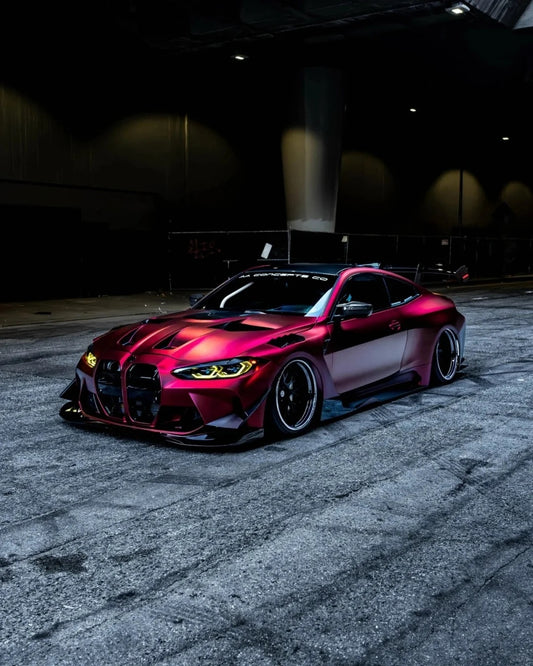
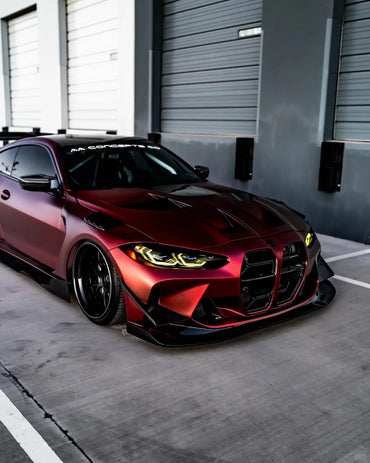
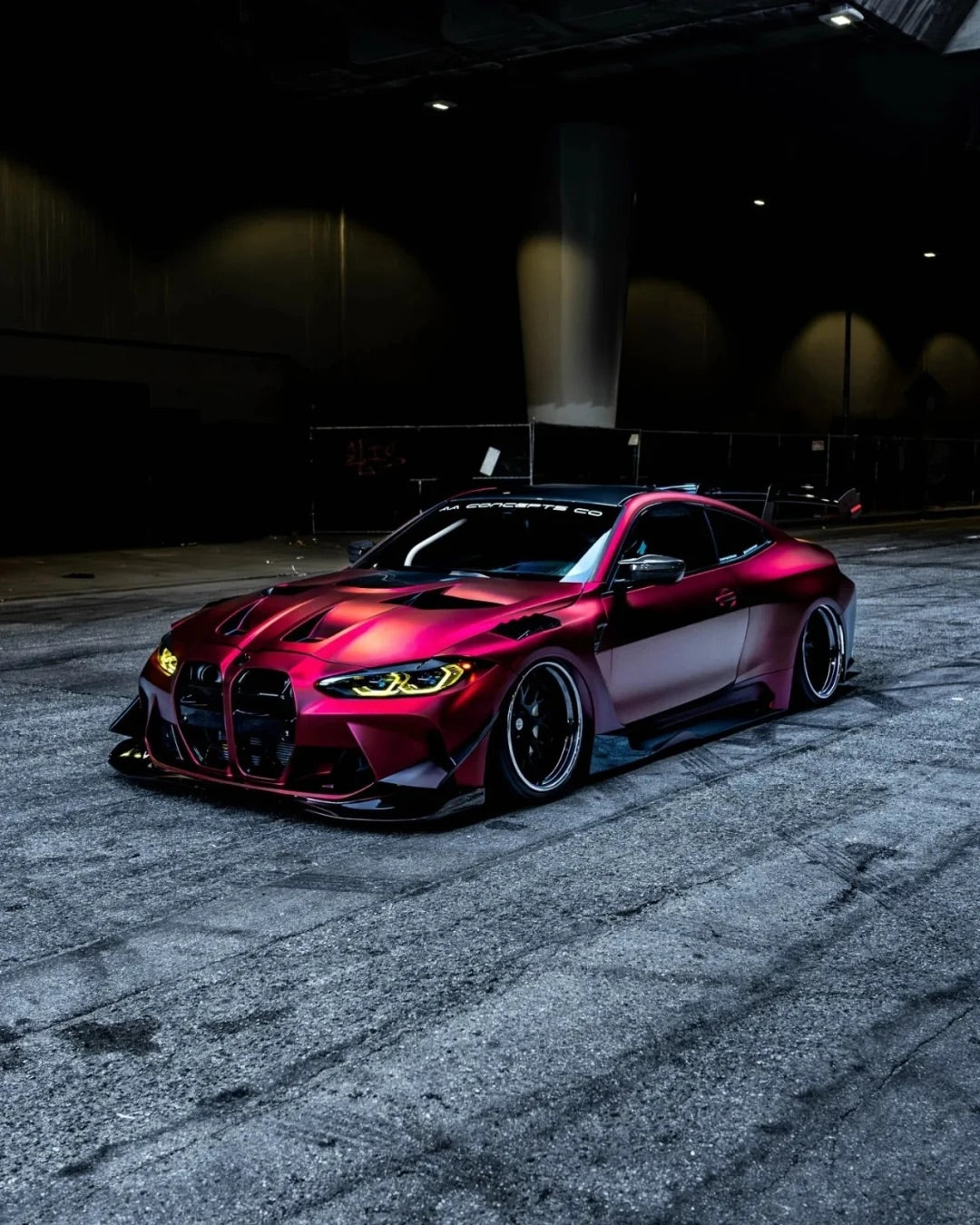


Vehicle owners in 2026 face a fundamental choice when upgrading their cars: pursue striking visual transformation or invest in serious paint protection. The exciting reality is that you no longer need to choose one over the other. Combining 3D carbon fiber wrap with TPU paint protection film delivers the best of both worlds — an aggressive motorsport-inspired aesthetic backed by advanced self-healing surface defense. This comprehensive guide walks you through the science, the strategy, and the step-by-step approach to pairing these two premium automotive films for maximum impact on your build.
What Makes Carbon Fiber Wrap a Standout Choice
Carbon fiber has been synonymous with high performance ever since racing teams and aerospace engineers adopted the material for its exceptional strength-to-weight ratio. According to the carbon fiber entry on Wikipedia, carbon fiber reinforced polymers are prized for their stiffness, tensile strength, and resistance to heat and chemicals. Genuine carbon fiber components, however, cost thousands of dollars per panel and require specialized fabrication. Carbon fiber vinyl wrap replicates the distinctive woven texture and aggressive visual depth of the real material at a fraction of the expense.
The 3D Carbon Fiber Wrap collection from Sailifilm features realistic textured patterns in both gloss and matte finishes, including forged fiber designs in black and red colorways. These films use advanced embossing technology to create a tactile surface that catches light from every angle, producing shadow play across the weave pattern that flat printed vinyl simply cannot achieve. Available sizes range from compact 5ft x 3.28ft sheets for accent pieces up to 5ft x 79ft rolls suitable for full vehicle coverage.
Carbon fiber wraps are especially effective as partial wrap accents. Hoods, roof panels, side mirrors, door pillars, trunk spoilers, and interior trim pieces all benefit from the sporty texture. A dark vehicle with a carbon fiber hood instantly communicates performance intent, while a lighter car with carbon fiber roof and mirror caps achieves a sophisticated two-tone contrast. These targeted applications have become increasingly popular in online car customization communities and at events like the SEMA Show, where forged carbon patterns consistently trend among the most photographed builds.
Understanding TPU Paint Protection Film
While carbon fiber vinyl excels at visual transformation, TPU paint protection wrap serves a fundamentally different purpose. PPF is a transparent or lightly tinted thermoplastic polyurethane film engineered specifically to absorb physical impacts — rock chips, gravel spray, door dings, and minor abrasions — before they reach your paint. Premium TPU films typically measure between 7.5 and 8.5 mils thick, creating a substantial barrier that disperses impact energy across a wider surface area rather than allowing it to concentrate on a single point.
The defining feature of modern PPF is self-healing technology. When light scratches or swirl marks appear on the film’s topcoat, exposure to heat — whether from direct sunlight, warm water, or a heat gun — causes the thermoplastic material to flow back into its original smooth state. This means your vehicle maintains that freshly installed appearance far longer than any standard vinyl wrap or traditional wax coating could achieve. The colored paint protection film range at Sailifilm takes this technology further by integrating pigments directly into the TPU layers, offering options like Crystal Sky Blue, Light Pink, Ferrari Red, and Piano Black that combine color customization with full PPF-grade protection.
PPF technology traces its origins back to military applications. The United States Department of Defense originally developed protective film to shield helicopter rotor blades from debris damage during the Vietnam War. Automotive manufacturers subsequently adapted this technology for consumer vehicles, and decades of refinement have produced the optically clear, self-healing films available today.
The Strategic Advantage of Combining Both Films
Pairing carbon fiber vinyl wrap with TPU paint protection film creates a layered defense strategy that addresses both the aesthetic and protective needs of your vehicle. The concept is straightforward: apply PPF to high-impact zones where physical damage risk is greatest, and use carbon fiber wrap on display panels where visual impact matters most. This zoned approach optimizes your investment because each material works in the area where it delivers maximum value.
The front end of any vehicle absorbs the most punishment from road debris. The hood leading edge, front bumper, fender tips, and headlight surrounds face constant bombardment from stones, gravel, and insect impacts at highway speeds. Applying clear or colored PPF to these areas ensures that the underlying paint stays pristine regardless of driving conditions. Meanwhile, the roof, rear trunk lid, side mirrors, and interior trim — areas that face less impact but maximum visual exposure — receive the 3D carbon fiber treatment for that motorsport-inspired transformation.
This combination strategy typically costs between $3,000 and $8,000 for full vehicle coverage depending on vehicle size and material choices. Compare that against a custom paint job delivering similar visual impact at $10,000 to $25,000 with zero reversibility, and the value proposition becomes clear. Wraps preserve resale value because the original factory paint remains untouched underneath, and both films can be professionally removed and replaced when styles change or wear accumulates.
Choosing the Right Carbon Fiber Finish for Your Build
Not all carbon fiber patterns serve the same aesthetic purpose. Selecting the right texture and finish depends on your vehicle’s existing color, the specific panels being wrapped, and whether you want subtle sophistication or aggressive showcar presence. Here is a breakdown of the main carbon fiber categories available in the Sailifilm collection:
3D Carbon Fiber features a shallow weave pattern with genuine tactile texture. Running your fingers across the surface reveals raised ridges that replicate the feel of authentic woven carbon. This style works beautifully on hoods, roof panels, and interior dashboard trim where people can see and touch the surface up close. The matte black 3D finish remains the most popular choice for drivers seeking an understated performance look.
Gloss Carbon Fiber delivers a wet-look reflective surface over the same woven pattern. The added gloss creates dramatic light reflection and a showroom-quality depth that photographs exceptionally well. Sports cars and luxury vehicles benefit most from gloss carbon accents, particularly on mirror caps and spoiler lips where the reflected light draws attention.
Matte Carbon Fiber provides a flat, non-reflective finish that reduces glare while maintaining the distinctive weave texture. This option pairs naturally with ultra matte vinyl wraps on the rest of the vehicle, creating a cohesive stealth aesthetic that has gained tremendous popularity among enthusiasts building blacked-out or murdered-out vehicles.
Forged Carbon Fiber showcases a randomized, irregular pattern rather than the traditional woven grid. No two sections look identical, creating a unique high-tech appearance that stands apart from conventional carbon fiber styling. Forged carbon has become especially trendy in 2026 for hood and roof accents on performance vehicles, drawing direct visual inspiration from hypercars and motorsport components.
Expanding Your Customization with Complementary Wrap Styles
Carbon fiber and PPF form the protective backbone of your build, but Sailifilm’s full product lineup offers numerous ways to extend the visual customization further. The metallic vinyl wrap collection includes finishes with fine metallic flake that catch light beautifully alongside carbon fiber accents. Pairing a metallic grey body wrap with carbon fiber hood and roof creates a factory-supercar aesthetic at aftermarket pricing.
For drivers who want head-turning color-shift effects, the rainbow laser vinyl wrap series produces stunning holographic transitions that change hue depending on the viewing angle and lighting conditions. The dual color dream vinyl wrap offers chameleon-style finishes that shift between two distinct tones — imagine a body that transitions from deep purple to emerald green, accented with matte carbon fiber roof and mirror caps.
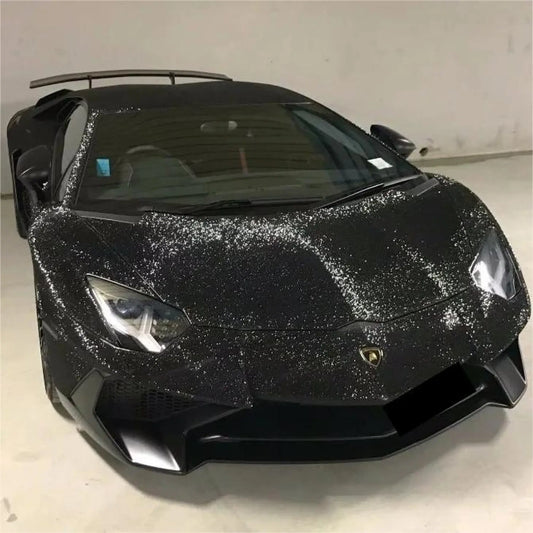
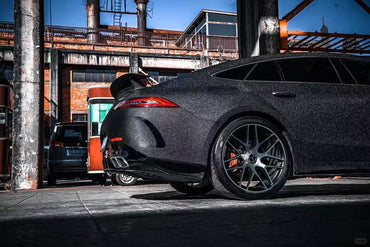
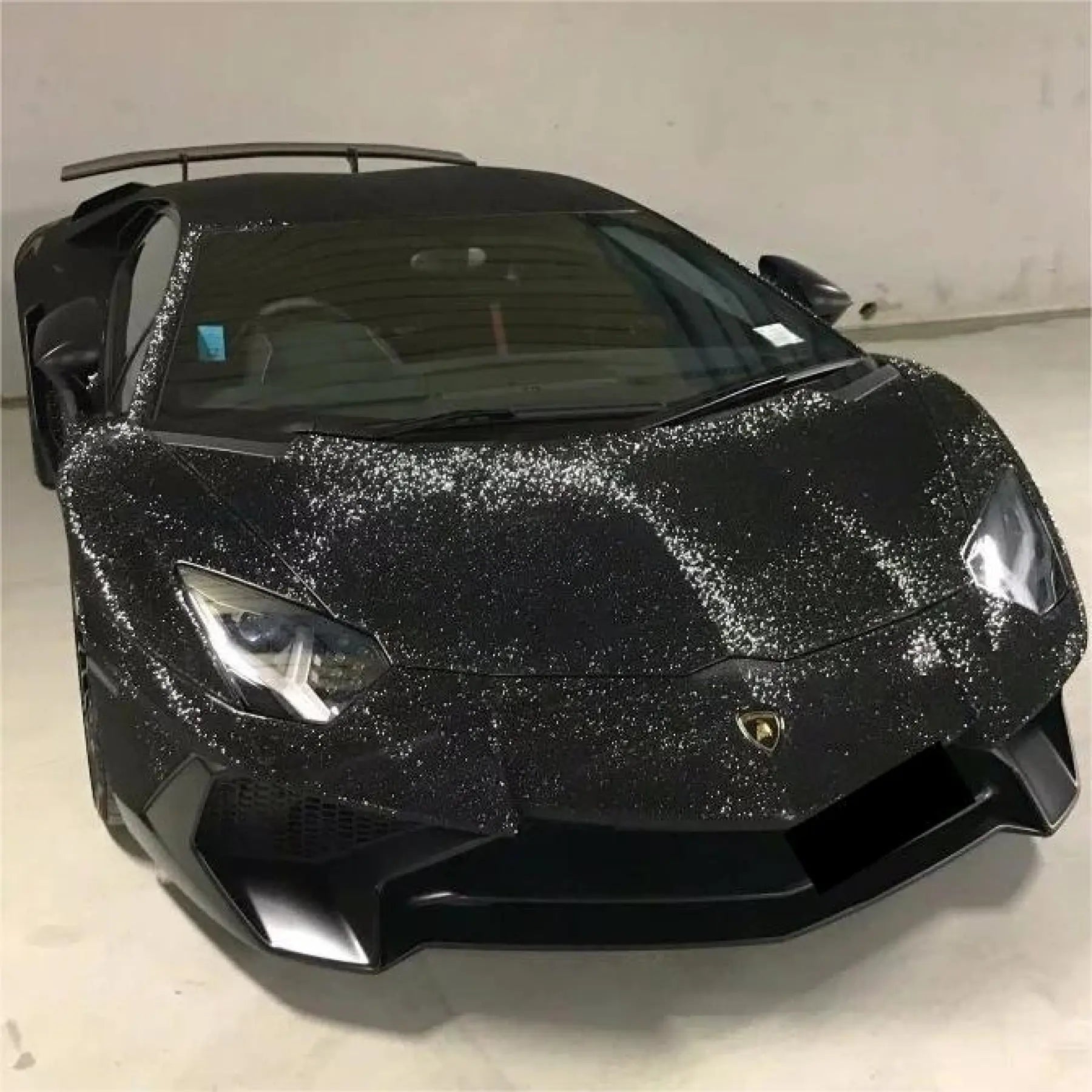
Those seeking a refined, understated approach should explore the crystal vinyl wrap collection, which features deep gloss finishes with exceptional clarity and color richness. The liquid chrome wrap line delivers mirror-like reflectivity that performs most impressively as a full-vehicle treatment. And for maximum sparkle, the glitter sparkle car wrap range includes Diamond Glitter options in Black, Pink, and Silver with dazzling metallic flake effects.
Installation Planning and Best Practices
Successful installation of a carbon fiber and PPF combination project requires thoughtful planning. Surface preparation is the single most important factor affecting adhesion quality and long-term durability for both film types. Every panel must be thoroughly washed, clay-barred to remove embedded contaminants, and wiped down with isopropyl alcohol before any film touches the surface. Even microscopic dust particles trapped under film create visible imperfections that become permanent once the adhesive cures.
For the PPF portions of your project, wet application using a slip solution is standard practice. The soapy water layer allows repositioning of the film before the adhesive activates, which is essential when working around complex curves on bumpers and fenders. Carbon fiber vinyl wrap, on the other hand, typically uses dry application with heat gun assistance. The air-release channel technology built into Sailifilm’s vinyl products — thousands of micro-perforations in the adhesive backing — allows trapped air to escape naturally during squeegee application, preventing bubbles even on challenging curved surfaces.
The general recommended installation sequence is to apply PPF first to high-impact zones, allow 24 to 48 hours of curing time, and then proceed with carbon fiber vinyl on accent panels. This order prevents any overlap issues and ensures each film bonds cleanly to the paint surface rather than to another film layer. If you are new to vehicle wrapping, the wrapping tools collection at Sailifilm provides everything needed for professional results, including squeegees, cutting blades, heat guns, and application fluid. The sample kits also allow you to test color and texture choices on a small section before committing to a full order.
Long-Term Maintenance for Maximum Durability
Maintaining a vehicle protected by both carbon fiber wrap and PPF is straightforward but requires consistency. Wash the vehicle every two weeks using a pH-neutral, vinyl-safe soap and lukewarm water. Avoid automated car washes with abrasive brushes — touchless wash systems are acceptable. Always dry immediately with clean microfiber towels to prevent water spots, particularly on matte carbon fiber surfaces where mineral deposits become highly visible.
Address biological contaminants like bird droppings, tree sap, and insect residue as quickly as possible. These substances contain acids that can etch through protective topcoats if left on the surface for extended periods. Quarterly inspections of all film edges help catch any early signs of lifting before contamination accumulates underneath the material. If edge lifting is detected early, a professional installer can reactivate the adhesive with targeted heat application, avoiding the need for full panel replacement.
Avoid traditional car wax products on wrapped surfaces. Standard waxes contain silicones that build up on vinyl and create a hazy, inconsistent appearance. Instead, use dedicated vinyl wrap maintenance sprays formulated to enhance appearance without residue buildup. For PPF sections, ceramic coating sprays designed for film surfaces can add an additional hydrophobic layer that repels water and contaminants. According to automotive detailing resources from the International Detailing Association, proper aftercare can extend film life by several years beyond manufacturer warranty periods.
Cost Comparison: Carbon Fiber PPF Combo vs. Alternatives
Understanding the financial picture helps justify the investment in a dual-film approach. A full vehicle carbon fiber wrap using premium vinyl typically costs between $800 and $2,500 in materials depending on vehicle size, with professional installation labor adding $500 to $1,500. PPF coverage for the front end — hood, bumper, fender edges, and mirror caps — adds approximately $800 to $2,000 in materials plus labor. Total project costs for a well-planned combination build generally fall in the $3,000 to $8,000 range.
Compare this to the alternatives: genuine carbon fiber body panels for a hood alone can exceed $1,500, and a custom paint job achieving similar visual drama routinely costs $10,000 to $25,000 with no reversibility and no protective properties. The wrap-and-PPF strategy protects original factory paint, preserves resale value, and can be completely removed or updated when your taste changes or a new finish catches your eye. Browse the best sellers collection to see which products other vehicle owners are choosing for their own combination builds, and check the full car vinyl wrap catalog for the complete range of finish options available.
Building Your Carbon Fiber PPF Project Plan
Every successful vehicle transformation starts with a clear plan. Begin by identifying which panels on your vehicle face the highest impact risk — these receive PPF. Then select the accent zones where carbon fiber wrap will create the strongest visual statement. Consider your vehicle’s factory color when choosing between gloss, matte, or forged carbon fiber textures. Dark factory colors pair exceptionally well with gloss carbon accents, while lighter vehicles often look best with matte or forged patterns that create strong visual contrast.
Order sample kits to evaluate textures and colors against your vehicle in natural light before placing a full materials order. Measure each panel carefully using the sizing guides provided with each product listing to ensure you order adequate material without excessive waste. And if you want to explore the full spectrum of finish possibilities before finalizing your design concept, spend time with the complete car vinyl wrap collection where every Sailifilm style is organized by finish type and color family.
The combination of carbon fiber vinyl wrap and TPU paint protection film represents the most sophisticated approach to vehicle customization available in 2026. It delivers the aggressive motorsport aesthetic that turns heads in every parking lot, backed by military-grade surface protection that keeps your investment looking flawless for years. Whether you are planning a full showcar build or targeted accent upgrades on a daily driver, the carbon fiber PPF strategy offers unmatched versatility, protection, and visual impact at a fraction of traditional alternatives.

