






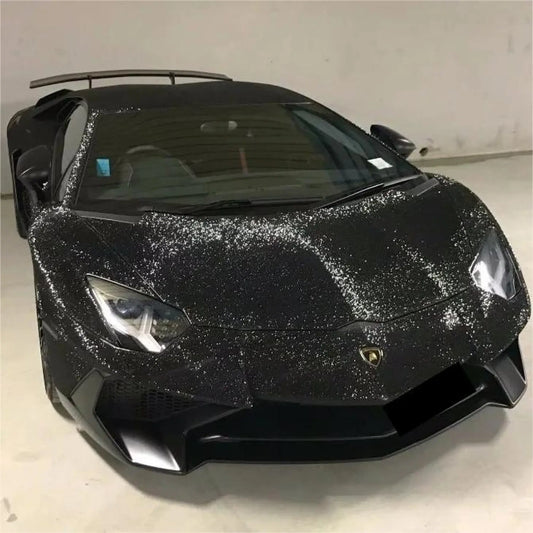
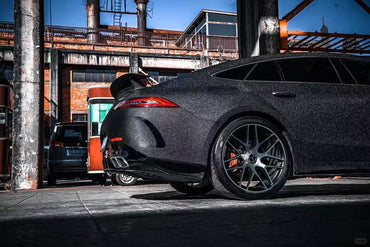
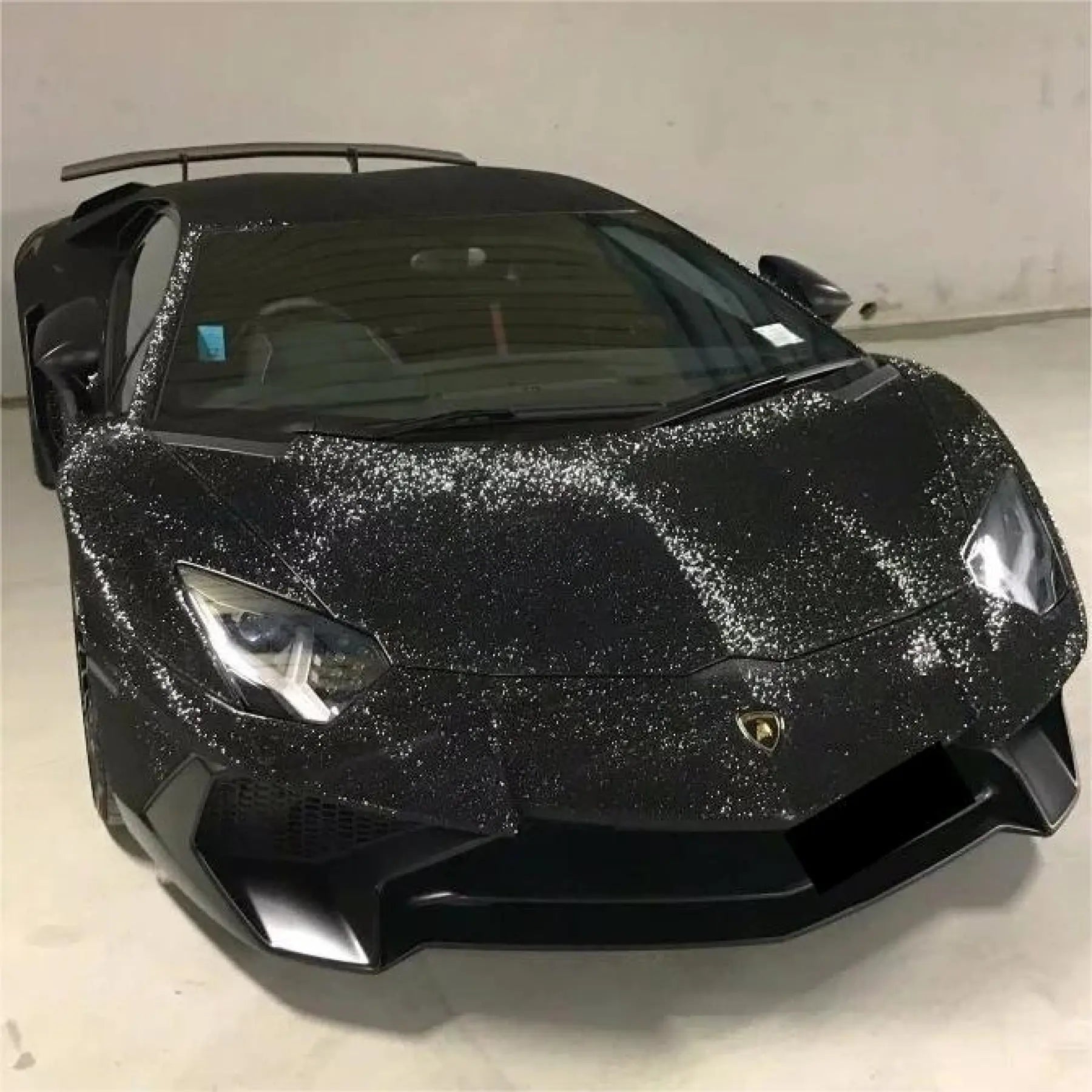




Installing carbon fiber wrap on your vehicle is one of the most rewarding DIY automotive projects you can tackle in a single weekend. A high-quality 3D carbon fiber vinyl wrap transforms hoods, roofs, mirror caps, spoilers, and interior trim into surfaces that mimic the aggressive weave pattern found on professional race cars and exotic supercars. The entire process requires no specialized training, no spray booth, and no irreversible modifications to your factory paint. With the right preparation technique and careful heat management, first-time installers regularly achieve results that rival professional shops charging thousands of dollars for the same work.
Choosing the Right Carbon Fiber Wrap for Your Project
Carbon fiber vinyl wraps are available in several pattern types, and selecting the right one before installation prevents disappointment after the film is already on the car. The most popular option in 2026 is 3D carbon fiber, which features a raised, textured weave that you can feel when running your fingers across the surface. This tactile depth catches light and shadow in a way that flat printed patterns cannot replicate, making it the go-to choice for hoods, roofs, and any panel where close inspection is common. The Sailifilm 3D carbon fiber wrap collection includes gloss and matte forged fiber designs in black and red colorways, covering the most requested finishes in the current market.
Forged carbon fiber uses a random, marble-like pattern of chopped fiber strands instead of traditional woven twill. This style has surged in popularity because it photographs exceptionally well and hides seams better than repeating weave patterns, making it ideal for larger panels where sheet-to-sheet transitions might otherwise show. Matte carbon fiber absorbs light rather than reflecting it, producing a stealth aesthetic that reduces cabin glare when used on interior trim and eliminates distracting reflections on glossy dashboards. For broader finish options beyond carbon fiber, the full car vinyl wrap collection showcases every available style from crystal gloss to ultra matte to color-shifting chameleon finishes.
How Much Carbon Fiber Wrap Do You Need
Ordering the correct amount of material prevents mid-project shortages and color-matching headaches between production batches. Sailifilm carbon fiber wraps come in standard 5-foot (60-inch) widths with length options ranging from 5ft x 3.28ft for small accent pieces up to 5ft x 79ft for full-vehicle coverage. The industry-standard calculation formula is: Vehicle Length x 3 + Extra Material = Total Vinyl Needed. The multiplier of three accounts for both sides and the top surface from bumper to bumper.
For partial wrap projects like a hood-only or roof-only installation, a 5ft x 10ft roll covers most sedan and coupe panels with adequate trimming allowance. Full sedan wraps typically require 59 linear feet, SUVs and trucks need 69 to 79 feet, and compact sports cars fit comfortably within 49 feet. Always add 10 to 20 percent extra for installation waste, edge tucking, and any sections that may need reworking. Before ordering full rolls, consider starting with sample kits to confirm your preferred finish and color against your vehicle under natural daylight.
Essential Installation Tools and Workspace Setup
Successful carbon fiber wrap installation depends on having the correct tools staged and ready before you peel the first inch of backing paper. Mid-project supply runs break your momentum and allow dust to settle on freshly cleaned surfaces, compromising adhesion quality.
Your toolkit should include a heat gun with adjustable temperature control (a standard hair dryer lacks the precision needed for edge sealing and complex curves), a felt-edge squeegee that presses film into contours without scratching the surface, a precision utility knife with fresh snap-off blades for clean trimming, isopropyl alcohol at 70% or higher concentration with lint-free microfiber cloths for degreasing, and plastic trim removal tools if you plan to detach components before wrapping. The Sailifilm professional wrapping tools kit bundles these essentials into a single package designed specifically for vinyl wrap installation.
Your workspace matters almost as much as your tools. Install in a clean, enclosed environment with temperatures between 68 and 77 degrees Fahrenheit and humidity below 60 percent. Cold temperatures below 60 degrees make vinyl brittle and prevent proper adhesive activation. A well-lit garage with overhead fluorescent or LED lighting reveals surface contaminants and air bubbles that dim lighting would conceal. For a deeper understanding of how automotive vinyl adhesive technology evolved from industrial signage into the conformable films used today, Wikipedia's overview of vehicle vinyl wrapping provides useful technical background.
Surface Preparation: The Foundation of Every Clean Installation
Surface preparation accounts for roughly 40 percent of total installation time in a professional shop, and cutting corners here guarantees visible defects in your finished wrap. Every particle, oil film, or wax residue trapped between the vinyl and the vehicle surface will telegraph through the film as a visible bump or adhesion failure.
Step 1: Wash the vehicle thoroughly with automotive soap and water to remove loose dirt, road grime, and surface debris. Dry completely with clean microfiber towels.
Step 2: Clay bar treatment removes embedded contaminants that washing alone cannot eliminate. Run a clay bar across every panel you intend to wrap, using clay lubricant to prevent scratching. The surface should feel glass-smooth when finished.
Step 3: Degrease with isopropyl alcohol using a lint-free microfiber cloth. Wipe every surface at least twice with a five-minute drying interval between passes. Focus extra attention on edges, recesses, and areas near rubber seals where wax and protectant products accumulate. Let the alcohol evaporate completely before proceeding.
Step 4: Inspect under strong light. Run your fingertips across every panel feeling for raised particles, old adhesive residue, or surface imperfections. Any texture you can feel will push through the vinyl and become visible after installation. Address paint chips, scratches, or rough spots before wrapping.
Step 5: Remove components that obstruct clean edge work. Door handles, mirror caps, badges, wiper arms, and antenna bases should be detached where practical. Photograph each component and its clip locations before removal. Wrapping around installed components is possible but produces less professional results with visible seams and potential lifting at edges.
Applying Carbon Fiber Vinyl: The Core Installation Technique
Measuring and Pre-Cutting
Lay the vinyl over each panel and cut sections with at least four to six inches of excess material on every edge. This buffer provides room for repositioning, edge tucking, and trimming to final shape. For panels with consistent weave patterns like 3D carbon fiber, align the weave direction consistently across adjacent panels so the finished result looks cohesive rather than randomly oriented.
Dry Application Method
Peel back approximately 12 inches of backing paper and fold it under. Position this exposed section at the center of the panel and press firmly with your squeegee in a single downward stroke. Continue peeling backing paper in 6-to-12-inch increments, squeegeeing from center outward toward edges with each section. This center-outward technique pushes trapped air ahead of the squeegee rather than trapping it beneath the film. The air-release channel technology engineered into Sailifilm wraps creates a micro-perforation network in the adhesive backing that allows air pockets to escape through thousands of tiny channels, eliminating bubbles that plague lower-quality films.
Heat Gun Technique for Curves and Recesses
Flat panels are straightforward, but every vehicle has compound curves, recessed handles, and body lines that require heat to conform the vinyl smoothly. Set your heat gun between 180 and 220 degrees Fahrenheit and warm small areas at a time while gently stretching the film with your free hand. Press immediately with the squeegee while the vinyl is still warm and pliable. Overheating causes the film to lose its dimensional memory and can distort the carbon fiber weave pattern, so keep the heat gun moving constantly and never concentrate on a single spot for more than two to three seconds. Practice this technique on a scrap piece before attempting it on a visible panel.
Edge Wrapping and Tucking
Professional results require wrapping vinyl at least one inch behind every panel edge so the adhesive bonds to a secondary surface that will not be exposed to peeling forces. Use the heat gun to soften the film along edges, stretch it gently around the curve, and press firmly behind the panel with your squeegee or fingers. Apply extra heat after tucking to permanently activate the adhesive at every wrapped edge. Tuck into door jambs, under hood lips, and beneath trunk seals for completely invisible transitions.
Trimming to Final Shape
Once the vinyl is fully adhered and all curves are formed, trim excess material using a sharp blade with a fresh segment snapped into position. Cut against the natural edge of the panel itself as a guide for straight lines. For recessed areas like gas cap doors, headlight surrounds, and badge cutouts, score lightly along the edge and peel away the excess. Snap new blade segments frequently because dull edges drag and tear vinyl instead of slicing cleanly. A torn edge lifts within weeks and ruins the entire panel appearance.
Panel-Specific Installation Tips
Hood Installation
The hood is the most visible panel on any vehicle and the surface most people tackle first. Start by positioning the vinyl sheet across the full hood width with equal overhang on all sides. Squeegee from the center ridge toward both fender edges, then work forward and backward toward the front lip and windshield base. Heat the leading edge generously before wrapping it underneath. If your vehicle has a hood scoop or air intake, heat the surrounding area and press the vinyl into the recess before trimming the opening. Hood wraps typically consume 5ft x 6 to 8ft of material depending on vehicle size.
Roof Installation
Roof panels offer large, relatively flat surfaces that install quickly once you manage the initial sheet positioning. Recruit a helper to hold one end of the vinyl while you align and tack the other end. Squeegee from the center lengthwise, then across the width. Pay special attention to antenna bases, sunroof surrounds, and roof rail mounting points where the surface transitions from flat to curved. Roof wraps on sedans need 5ft x 6 to 10ft of film. Vehicles with panoramic sunroofs require careful measurement around the glass perimeter.
Mirror Caps and Small Accents
Mirror caps are the ideal beginner project because they are small, removable, and highly visible. Detach the cap, clean and degrease, cut a piece of carbon fiber vinyl with two inches of excess per side, and apply using the same center-outward squeegee method. Heat generously around the curves and tuck all edges behind the cap. Reinstall and inspect from multiple angles. Mirror caps, door handle insets, and A-pillar covers in 3D carbon fiber provide an immediate visual upgrade with minimal material cost and installation time.
Post-Installation: Sealing, Curing, and Inspection
After every panel is wrapped and trimmed, perform a complete post-heat pass across all installed surfaces. Set your heat gun to medium temperature and sweep slowly over every edge, tuck point, and complex curve. This final heating reactivates the adhesive at every stress point and ensures permanent bonding that prevents lifting over time. Post-heating is the single most overlooked step among first-time installers and the primary reason edges begin peeling within the first few weeks.
Allow the wrap to cure for 24 to 48 hours before washing the vehicle or exposing it to rain. During this curing period, the adhesive bonds fully to the surface and reaches its maximum holding strength. Avoid touching or pressing on freshly wrapped surfaces. After the curing window, inspect every panel under bright light from multiple angles, checking for remaining air bubbles, edge lifts, or areas where the carbon fiber pattern has stretched beyond its intended appearance. Minor bubbles can be punctured with a fine pin and pressed flat. Edge lifts can often be re-seated with localized heat and pressure.
Combining Carbon Fiber with Other Wrap Styles
Carbon fiber delivers its strongest visual impact when combined with contrasting finishes on adjacent panels. A matte carbon fiber hood paired with a ultra matte wrap body creates a layered, race-inspired look that separates texture from color across the vehicle. Metallic vinyl wrap on the main body with carbon fiber accents on the roof, mirrors, and spoiler produces the classic two-tone performance aesthetic that dominates car show circuits and social media content in 2026.
For more dramatic builds, consider pairing carbon fiber panels with the crystal vinyl wrap series for deep gloss contrast, or the dual color dream vinyl wrap for chameleon color-shifting effects that complement the carbon weave texture. Show car builders often mix glitter sparkle car wrap on roof panels with carbon fiber on hoods and trunks for maximum visual variety. Even the rainbow laser vinyl wrap and liquid chrome wrap collections integrate beautifully with carbon fiber accents when applied to contrasting surfaces.
Protecting Your Carbon Fiber Installation with PPF
High-impact areas like front bumper leading edges, fender lips, and hood noses benefit from an additional layer of protection beyond the vinyl wrap itself. The TPU paint protection wrap features self-healing thermoplastic urethane technology that automatically repairs minor surface scratches when exposed to heat. Applying a clear PPF layer over carbon fiber accents on vulnerable panels delivers both the aggressive motorsport aesthetic and functional rock chip defense in a single layered system.
For builders who want color customization and protection simultaneously, the colored paint protection film collection offers tinted PPF options that combine visual transformation with the self-healing and UV-resistant properties of premium thermoplastic urethane. This layered approach of carbon fiber for style and PPF for durability represents the most sophisticated surface treatment strategy available in the current aftermarket. For deeper context on the material science behind carbon fiber composites used in both genuine components and vinyl replications, the Wikipedia article on carbon fiber reinforced polymer explains the origins and engineering principles that inspired the distinctive weave patterns found in modern wrap films.
Maintaining Your Carbon Fiber Wrap for Maximum Lifespan
Well-maintained carbon fiber wraps last five to seven years on exterior applications and even longer on protected interior surfaces. Clean wrapped panels with pH-neutral automotive soap and lukewarm water every two weeks, using soft microfiber cloths or foam wash mitts. Avoid automated car washes with spinning brushes that can scratch and lift vinyl edges. Touchless washes are acceptable. For matte carbon fiber finishes, use only matte-specific or vinyl-safe cleaning products because traditional car wax and ceramic coatings create unwanted shine that destroys the flat aesthetic. A 2:1 water-to-isopropyl alcohol solution works well for spot treatment of stubborn contaminants.
Garage parking significantly extends wrap life by reducing UV exposure and thermal cycling. If garage storage is unavailable, windshield sun shades and covered parking during peak sun hours help preserve adhesive integrity and color accuracy. Address any lifted edges, small tears, or bubbles promptly before they expand, as early repairs are simple while neglected damage compounds rapidly. The Insurance Institute for Highway Safety vehicle maintenance resource offers additional context on how exterior surface treatments interact with long-term vehicle value and appearance.
Common Installation Mistakes and How to Avoid Them
Understanding frequent errors saves material, time, and frustration. The most common mistake is insufficient surface preparation. Skipping the clay bar step or performing only one alcohol wipe instead of two virtually guarantees trapped contaminants visible through the film. The second most common error is applying too much heat too quickly, which overstretches the vinyl and distorts the carbon fiber weave pattern permanently. Use low to medium heat and multiple short passes rather than a single prolonged blast.
Cutting with dull blades ranks third among installation failures. A blade that has been used through an entire panel produces ragged edges that lift and peel within weeks. Snap fresh blade segments at least once per panel side. Starting with the most complex panel on the vehicle is another common beginner mistake. Begin with flat, simple surfaces like the roof or a single door panel to develop your squeegee rhythm and heat gun comfort before attempting bumpers, fenders, or compound-curved spoilers. Finally, skipping post-heat sealing allows edges to relax and lift over days. Always perform a thorough final heat pass on every wrapped edge and tuck point.
Start Your Carbon Fiber Transformation Today
Installing carbon fiber wrap is a skill that improves rapidly with practice, and even your first project can produce genuinely impressive results when you follow proper preparation, patient heat management, and thorough post-installation sealing. The Sailifilm 3D carbon fiber wrap collection offers realistic textured patterns with air-release adhesive technology that makes bubble-free application accessible to every skill level. Available in rolls from 5ft x 3.28ft for small accent projects up to 5ft x 79ft for complete vehicle transformations, there is a size and finish option for every build.
Begin with a sample kit to confirm your ideal finish, stock your workspace with professional wrapping tools, and explore the full best sellers collection to see which carbon fiber and specialty wrap styles are trending among enthusiasts worldwide right now. Your factory paint stays protected underneath, your vehicle gains a motorsport-inspired aesthetic that commands attention, and the entire project can be completed in your own garage over a single weekend.

