







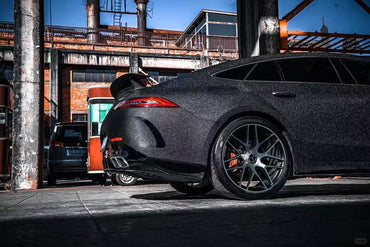






Carbon fiber interior trim transforms any vehicle cabin from factory-standard to motorsport-inspired in a single weekend. Whether you drive a daily commuter or a weekend track car, applying 3D carbon fiber vinyl wrap to your dashboard, center console, door panels, and accent trim delivers that high-performance aesthetic without the extreme cost of genuine carbon fiber components. The automotive customization market continues to grow rapidly, with wrap applications increasing approximately 20% annually as more vehicle owners discover the dual benefits of style and surface protection.
Why Carbon Fiber Vinyl Is the Top Choice for Interior Trim Upgrades
Genuine carbon fiber components for vehicle interiors typically cost between $500 and $3,000 per panel, depending on complexity and vehicle model. A premium car vinyl wrap achieves the same visual impact at roughly one-tenth that price. Modern 3D carbon fiber films feature raised textured surfaces that replicate the tactile quality of genuine carbon weave, so the result looks and feels authentic rather than flat or printed. Under direct lighting, shadows emphasize the weave pattern and create depth that flat vinyl simply cannot match.
Beyond the visual transformation, carbon fiber vinyl wrap serves a protective function. Interior trim surfaces endure constant contact from fingers, rings, keys, and sun exposure. A quality vinyl film shields the original surface from UV fading, scratches, and general wear. If the wrap ever becomes damaged, you simply remove and replace it, revealing the untouched original trim underneath. This reversibility makes vinyl wrapping an especially attractive option for leased vehicles or owners who plan to sell in the future.
For more context on the material science behind carbon fiber composites, Wikipedia's article on carbon fiber reinforced polymer provides a thorough overview of how the distinctive weave patterns used in both genuine composites and vinyl replications originated in aerospace and motorsport engineering.
Understanding Carbon Fiber Wrap Types: 3D, 4D, Forged, and Matte
Not all carbon fiber vinyl is created equal. The designation numbers refer to the depth and complexity of the textured weave pattern, and each variation suits different interior applications.
3D Carbon Fiber features a shallow, realistic weave pattern that you can feel with your fingertips. It suits subtle interior enhancements like door handle trim, A-pillar covers, and switch panel surrounds where close inspection is common. The Sailifilm 3D carbon fiber wrap collection includes both gloss and matte forged fiber designs in black and red colorways, providing versatility across different interior color schemes.
4D and 5D Carbon Fiber builds on the 3D foundation with enhanced depth perception through multiple visual layers. Light interacts with these multi-dimensional surfaces differently depending on the viewing angle, producing dynamic visual effects that closely approximate real carbon fiber composites. These patterns work especially well on larger interior surfaces like center consoles and dashboard panels where the shifting light effect becomes a constant visual feature during driving.
Forged Carbon Fiber represents an entirely different aesthetic. Instead of the traditional woven twill pattern, forged carbon displays a random, marble-like texture of chopped fiber strands. This pattern has gained significant popularity in 2025 and 2026 because it photographs exceptionally well and hides seams more effectively than woven patterns, making it ideal for larger interior surfaces where panel-to-panel consistency matters.
Matte Carbon Fiber eliminates glare and reflection, creating a stealth appearance that professional detailers and car enthusiasts favor for interior applications. Matte finishes reduce light bounce inside the cabin, which improves the driving environment and prevents distracting reflections on windshields from glossy dashboard surfaces. Explore the ultra matte wrap collection for additional flat-finish options that pair beautifully with carbon fiber accents.
Essential Tools and Materials for Interior Carbon Fiber Wrapping
Successful interior trim wrapping depends as much on proper tooling as on film quality. Gathering everything before you begin prevents mid-project interruptions that can compromise adhesion.
You will need a quality heat gun with adjustable temperature settings (a standard hair dryer works for flat surfaces but lacks the control needed for tight curves), a felt-edged squeegee to press film into contours without scratching the surface, a precision utility knife with fresh snap-off blades for clean edge trimming, isopropyl alcohol (at least 70% concentration) and lint-free microfiber cloths for surface degreasing, and a set of plastic trim removal tools to safely detach interior panels. The Sailifilm professional wrapping tools kit bundles these essentials together so you are fully equipped from the start.
For a comprehensive introduction to wrap installation fundamentals that apply to both interior and exterior applications, the Wikipedia overview of vehicle vinyl wrapping explains how cast vinyl films became the professional standard and why air-release adhesive technology revolutionized the industry.
Step-by-Step: How to Wrap Interior Trim in Carbon Fiber Vinyl
Step 1: Remove the Trim Panels
For the best results that look factory-installed, always remove trim pieces before wrapping. In-place wrapping leads to uneven edges and adhesion failures around clips and fasteners. Use plastic pry tools to carefully pop each panel free, starting from the outer edges and working inward. Label every piece and photograph the clip locations before removal so reinstallation goes smoothly. Most door trim panels, center console covers, and dashboard inserts can be removed in 15 to 30 minutes per section with basic tools.
Step 2: Clean and Degrease Every Surface
Wipe every trim piece thoroughly with isopropyl alcohol and a lint-free cloth. Interior surfaces accumulate oils from hands, silicone-based protectants, and dust that create adhesion barriers. Any particle trapped under the film will remain visible, so inspect the surface under strong light and clean again if necessary. Allow the alcohol to evaporate completely before handling the vinyl. Experienced wrappers recommend cleaning each piece at least twice, with a five-minute drying interval between passes.
Step 3: Measure, Cut, and Position the Film
Lay each trim piece on the vinyl and cut a section with at least two inches of excess material on every side. This buffer allows you to wrap edges cleanly and provides adjustment room during application. Place the film loosely over the trim surface and align the carbon fiber weave pattern in the direction you prefer. Consistent weave alignment across adjacent panels creates a cohesive, factory-quality appearance throughout the interior.
Step 4: Apply the Vinyl with Squeegee Technique
Peel back the backing paper and position the adhesive side over the center of the trim piece. Press down firmly at the center point with your squeegee, then work outward toward the edges in smooth, overlapping strokes. This center-outward method pushes trapped air ahead of the squeegee rather than trapping it beneath the film. The air-release channel technology built into premium wraps like those from Sailifilm creates a network of micro-perforations in the adhesive backing, allowing air pockets to escape through tiny channels rather than forming permanent bubbles.
Step 5: Heat-Form Around Curves and Recesses
Interior trim often features complex curves, recessed button openings, and tight corners that require heat to conform the vinyl smoothly. Set your heat gun to approximately 200 degrees Fahrenheit and warm small sections at a time, stretching the film gently into curves while pressing with the squeegee. Overheating causes the vinyl to lose its memory and can distort the carbon fiber pattern, so keep the gun moving and never concentrate heat on one spot for more than three seconds. Post-heating all edges and tucked areas after application ensures long-term adhesion and prevents lifting over time.
Step 6: Trim Excess and Finish Edges
Once the vinyl is fully adhered and all curves are formed, use a sharp blade to trim excess material along the edges of each panel. Cut against the natural edge of the trim piece itself, which provides a guide for a straight, clean line. Tuck any remaining edge material behind the panel where it will be concealed once reinstalled. Apply final heat to every cut edge to seal the adhesive and prevent peeling. Snap fresh blade segments frequently, as dull blades drag and tear vinyl rather than slicing cleanly.
Step 7: Reinstall and Inspect
Carefully snap each wrapped panel back into its mounting position, verifying that clip alignment matches your reference photos. Inspect every surface under both natural and artificial light to catch any remaining bubbles, edge lifts, or pattern misalignments. Minor bubbles can often be resolved by pricking with a pin and pressing flat with your thumb. A completed interior carbon fiber wrap should feel smooth and seamless, with no visible edges or transition lines between wrapped and unwrapped surfaces.
Best Interior Surfaces for Carbon Fiber Vinyl Wrap
Not every interior surface delivers equal visual impact. Prioritizing high-visibility areas maximizes the transformation effect while keeping material costs reasonable.
The center console and gear surround represent the most visually prominent interior surface and the natural starting point for any carbon fiber interior project. The dashboard trim strips and air vent surrounds create a continuous visual line across the cabin that ties the entire design together. Door panel inserts and armrest caps receive constant attention from both driver and passengers, making them high-impact targets. Steering wheel trim accents, though smaller, sit directly in the driver's line of sight at all times. A-pillar covers and rearview mirror housings complete the full motorsport-interior look for enthusiasts who want comprehensive coverage.
If you plan to combine your interior carbon fiber work with exterior accents, consider wrapping mirror caps, door handle insets, and rear spoiler lips to create a unified theme. The Sailifilm best sellers collection highlights which wrap styles are currently most popular among enthusiasts worldwide, and many of those selections work beautifully for both interior and exterior accent applications.
Complementary Wrap Styles for a Complete Interior Makeover
Carbon fiber does not need to be the only finish in your interior. Combining textures and finishes creates depth and visual variety that makes the design feel intentional rather than uniform.
Pairing matte carbon fiber console accents with a metallic vinyl wrap on larger door panel sections creates a two-tone interior that balances sporty texture with refined metallic sheen. For drivers who prefer statement interiors, mixing carbon fiber trim with accents from the crystal vinyl wrap series produces a striking contrast between the aggressive carbon weave and deep crystalline reflections.
Color-shifting enthusiasts can incorporate the dual color dream vinyl wrap on select interior surfaces for a chameleon effect that shifts hue depending on viewing angle. The rainbow laser vinyl wrap collection offers holographic finishes that add futuristic flair to smaller accent pieces. Even the glitter sparkle car wrap line can elevate interior styling when applied to cup holder surrounds or switch panel frames for a subtle sparkle effect.
For a dramatic liquid-metal look on wider interior panels, the liquid chrome wrap collection delivers a mirror-like reflective surface that pairs exceptionally well with matte carbon fiber accents on adjacent trim pieces.
Adding Paint Protection Film for Maximum Interior Durability
While carbon fiber vinyl provides inherent scratch resistance, high-touch areas like armrests and door pulls benefit from additional protection layers. Sailifilm offers TPU paint protection wrap with self-healing properties that automatically repair minor surface scratches when exposed to moderate heat. The thermoplastic urethane top layer reforms its molecular structure to erase light abrasions without any intervention, keeping your carbon fiber finish looking pristine for years.
The colored paint protection film collection enables you to combine tinted protective layers with your carbon fiber design, adding both color customization and surface defense in a single application. This layered approach of carbon fiber for aesthetics and PPF for protection represents the gold standard in modern vehicle customization, ensuring your investment maintains its visual impact throughout years of daily use.
Maintaining Your Carbon Fiber Interior Wrap
Proper care significantly extends the lifespan of interior vinyl wrap, with well-maintained films lasting five to seven years even in high-contact areas. Clean wrapped surfaces regularly with mild soap and water, followed by a wipe with a soft microfiber cloth. For stubborn spots, use a 2:1 water-to-isopropyl alcohol solution for gentle spot treatment. Never apply traditional car wax, polish, or ceramic coatings to matte carbon fiber surfaces, as these products create unwanted shine and compromise the flat finish.
Avoid abrasive cleaning materials that could alter the textured surface of 3D carbon fiber. Vinyl-safe maintenance sprays formulated specifically for wrap films provide light UV protection and maintain the original appearance without product buildup. Keep interior surfaces away from prolonged direct sunlight when possible by using windshield sun shades during parking, which reduces thermal stress on adhesive layers.
For detailed cleaning protocols across different wrap finishes, the Detailing Wiki guide on vinyl wrap care offers additional insights into product selection and technique that complement the carbon fiber specific guidance above.
Try Before You Commit: Sample Kits for Color and Texture Matching
Choosing the right carbon fiber pattern and finish for your specific interior color scheme requires seeing and feeling the material in person. Screen displays and product photographs cannot fully convey the tactile quality and light behavior of 3D textured vinyl. The Sailifilm sample kits allow you to test multiple finishes side by side against your actual interior surfaces before committing to a full purchase. Holding a sample against your dashboard in natural daylight reveals how the weave pattern interacts with your cabin lighting and whether the color temperature complements your existing trim and upholstery.
Transform Your Cabin This Weekend
Wrapping interior trim in carbon fiber vinyl is one of the most accessible and rewarding vehicle customization projects available in 2026. With quality 3D carbon fiber film from the Sailifilm 3D carbon fiber wrap collection, the right preparation tools, and the step-by-step technique outlined in this guide, you can achieve results that rival professional installation at a fraction of the cost. The tactile depth, realistic weave pattern, and motorsport-inspired aesthetic of modern carbon fiber vinyl make it the single most impactful upgrade you can make to your vehicle's interior.
Start with a sample kit to match your ideal finish, gather your wrapping tools, and transform your cabin into a driver-focused cockpit that reflects genuine performance heritage. Browse the full car vinyl wrap collection to discover every available style, texture, and color option for your next project.

