







Carbon fiber wrap is one of the most versatile and visually striking materials in automotive customization. The distinctive woven texture communicates speed, performance, and engineering precision — qualities that appeal to owners of every vehicle category. However, the most effective carbon fiber applications differ significantly between a low-slung sports car and a towering pickup truck. A hood wrap that looks aggressive on a coupe may appear entirely different on an SUV, and the accent zones that transform a sedan are not the same panels that elevate a motorcycle.
Sports Cars and Performance Coupes
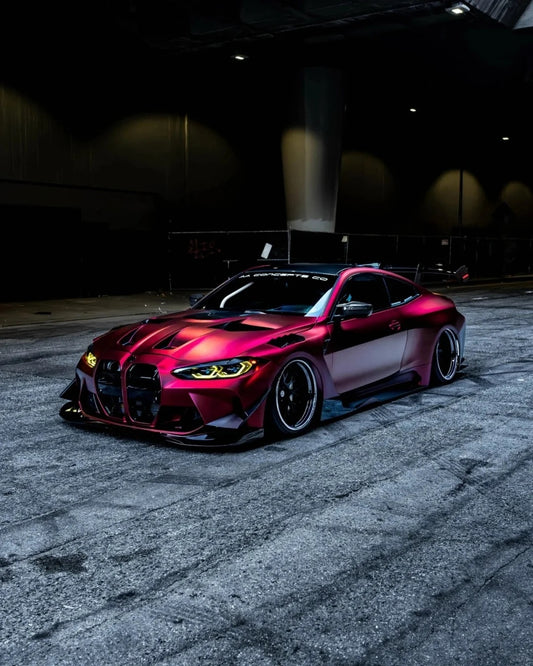
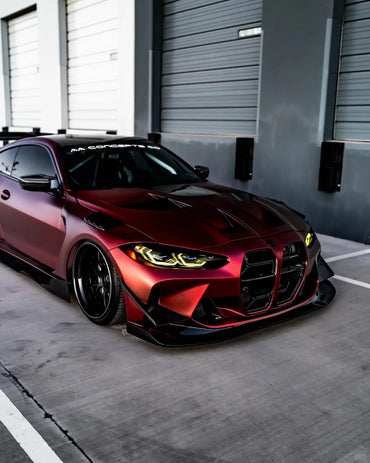
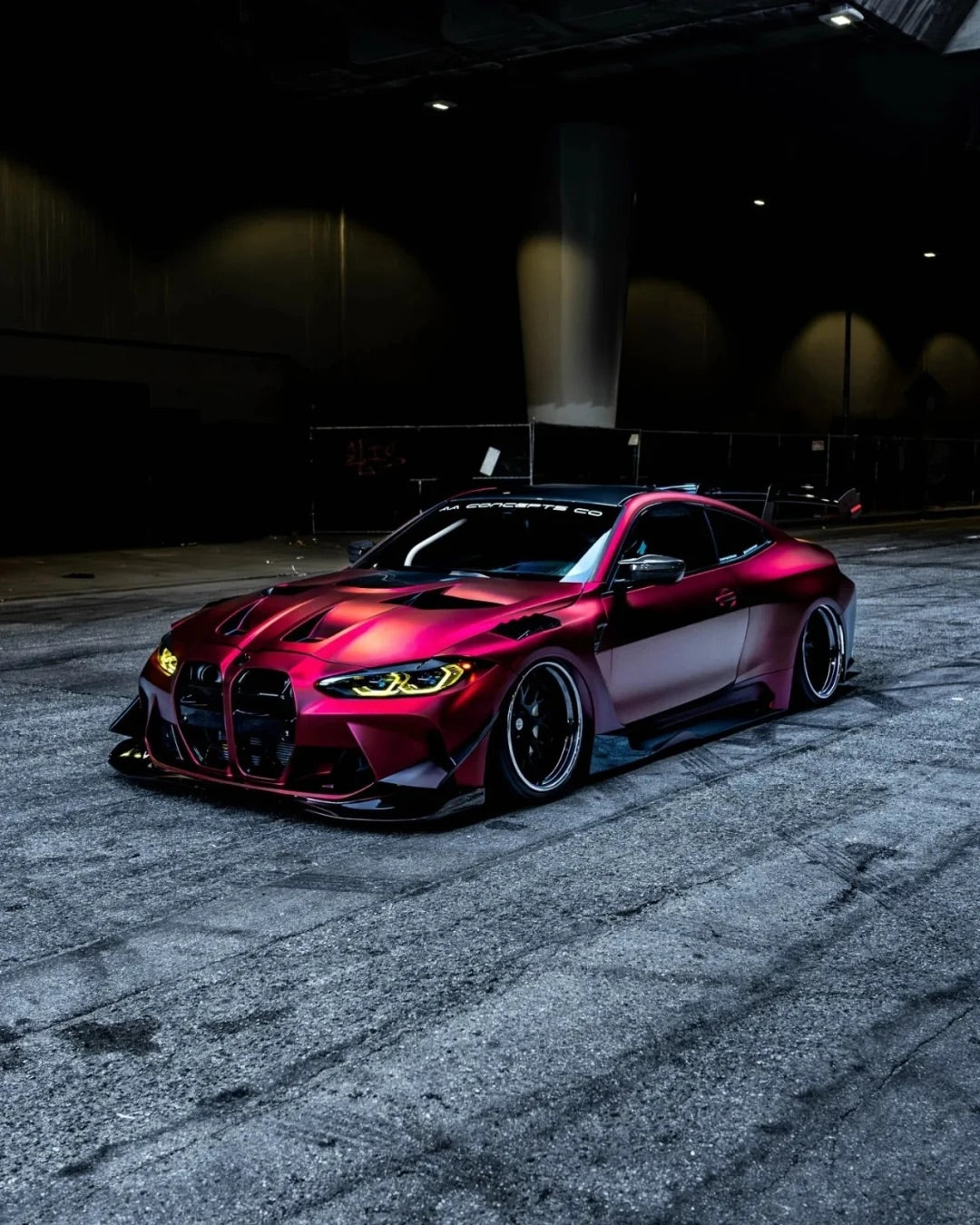
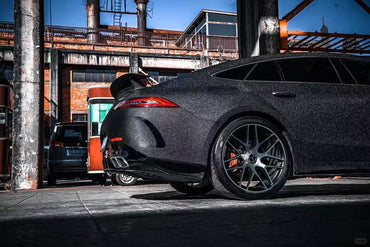
Sports cars are the natural home for carbon fiber styling. The low, aggressive body lines of coupes and performance vehicles were designed to suggest speed, and carbon fiber accents amplify that message with unmistakable motorsport energy. According to the carbon fiber reinforced polymer article on Wikipedia, carbon fiber composites are fundamental to professional racing and aerospace because of their exceptional strength-to-weight ratio. Wrapping a sports car in carbon fiber vinyl taps directly into that heritage.
The hood is the single most impactful panel to wrap on any performance vehicle. Sports car hoods are long, highly visible, and naturally associated with what lies beneath — wrapping the hood in carbon fiber suggests serious engine upgrades and race-ready intent. Gloss carbon fiber finishes work particularly well on coupes because the reflective surface interacts with the low, sculpted body lines to create dynamic light play as the car moves. For darker factory colors, forged carbon fiber creates an especially striking contrast with its randomized, irregular weave pattern that draws direct visual inspiration from modern hypercars.
Roof panels, trunk lids, rear diffusers, side mirror caps, and front splitters all represent high-value carbon fiber accent zones on sports cars. These panels are the same components that factory performance packages from luxury automakers wrap in genuine carbon fiber — at costs exceeding $1,500 per panel. A complete set of carbon fiber accents using vinyl wrap from the 3D carbon fiber collection achieves the same visual result at a fraction of the expense, with the added advantage of protecting the original paint underneath.
Material requirements for sports cars are moderate due to their compact dimensions. Most coupes need approximately 49 to 59 linear feet of 5-foot-wide film for full body coverage, though many sports car owners prefer targeted accent wraps that require far less material. Sailifilm offers roll sizes from 5ft x 3.28ft for individual accent panels up to 5ft x 59ft for complete vehicle coverage. Consider pairing carbon fiber accents with a liquid chrome wrap or crystal vinyl wrap body color for maximum showcar presence.
Sedans and Luxury Vehicles
Sedans offer the most versatile canvas for carbon fiber customization because their clean, flowing body lines accommodate both subtle accents and bold full-panel treatments equally well. The key to successful carbon fiber styling on a sedan is restraint — strategic placement on three to five accent zones creates a refined performance look, while excessive coverage can overwhelm the elegant proportions that define modern sedan design.
The most effective sedan applications focus on the roof panel, trunk lid spoiler, side mirror housings, and A/B/C pillar trims. A carbon fiber roof wrap on a sedan instantly adds a panoramic sunroof-style visual effect while creating two-tone contrast against the factory body color. This technique has gained massive popularity in online car customization communities, with roof wrap and pillar wrap searches trending consistently throughout 2026. White, silver, and light grey sedans benefit especially from matte carbon fiber roof and pillar treatments, as the dark texture creates sophisticated contrast without appearing aggressive.
For luxury sedans where subtlety matters most, matte carbon fiber delivers understated performance credibility that gloss finishes cannot match. The flat, non-reflective surface absorbs light rather than bouncing it, producing a stealth effect that pairs naturally with Sailifilm’s ultra matte wrap collection for a fully coordinated stealth build. Interior applications also deserve attention on sedans — dashboard trim, center console panels, and door card accents in carbon fiber transform the cabin atmosphere into something closer to a sports car cockpit.
A standard sedan full wrap requires roughly 59 to 65 linear feet of material. However, most sedan carbon fiber projects are partial wraps targeting five to eight specific panels, which typically require a 5ft x 16ft to 5ft x 33ft roll depending on coverage scope. Ordering a sample kit before committing allows you to evaluate how different carbon fiber textures interact with your specific factory color under natural lighting conditions.
SUVs and Crossovers
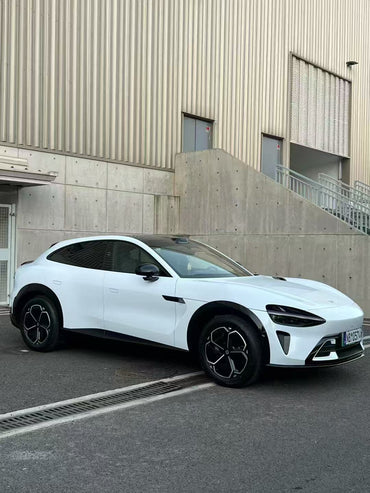
SUVs present unique opportunities for carbon fiber application because their larger, flatter panel surfaces provide broad display areas that showcase the woven texture at scale. The vertical door surfaces, expansive hood, and prominent roof rails on most SUVs mean carbon fiber patterns remain visible from greater distances than on lower vehicles. This makes carbon fiber an excellent choice for SUV owners who want their customization noticed in traffic and parking lots, not just up close.
Hood wraps deliver the greatest visual return on SUVs because the hood surface is both large and positioned at eye level for other drivers. A full carbon fiber hood on an SUV immediately signals performance intent on a vehicle type not traditionally associated with motorsport aesthetics — and that unexpected contrast is precisely what makes it compelling. The SEMA Show has featured increasing numbers of carbon fiber SUV builds in recent years, reflecting growing demand for performance-styled utility vehicles.
Roof applications on SUVs serve both aesthetic and practical purposes. Carbon fiber roof wraps reduce visual height, making tall SUVs appear sleeker and more athletic. For SUVs with roof racks or rails, wrapping the roof panel between the rails creates a factory-premium appearance similar to optional carbon fiber roof packages offered by performance SUV manufacturers. Combine carbon fiber hood and roof treatments with metallic vinyl wrap or colored paint protection film on the body panels for comprehensive coverage that protects and transforms simultaneously.
SUVs and crossovers demand more material than sedans or coupes. Full vehicle wraps on mid-size SUVs typically require 69 to 79 linear feet of 5-foot-wide film, while larger full-size models may need even more. Sailifilm’s largest available roll sizes at 5ft x 69ft and 5ft x 79ft are specifically designed for these larger vehicles. Lower body panels on SUVs also face significant road debris exposure, so pairing carbon fiber accents on the upper body with TPU paint protection wrap on rockers and lower doors provides a smart dual-material strategy.
Pickup Trucks and Work Vehicles
Trucks represent some of the most rewarding vehicles to wrap with carbon fiber because their large, flat panels display the woven texture with impressive clarity, and the contrast between a rugged truck platform and a high-tech carbon fiber surface creates an eye-catching juxtaposition that few other modifications can achieve. Truck customization is an enormous market segment in 2026, with vehicle wrap advertising statistics showing that wrapped trucks generate tens of thousands of visual impressions daily due to their size and road presence.
The hood remains the primary carbon fiber application zone for trucks, but tailgates deserve special attention. A truck tailgate is one of the largest single-panel surfaces on any consumer vehicle, and wrapping it in carbon fiber creates a massive, attention-grabbing display that is visible to every car following behind. Tonneau cover surfaces, bed rail caps, front grille surrounds, and fender flares all serve as excellent secondary carbon fiber zones on trucks. These are high-wear areas where the wrap provides genuine protective value against stone chips, trail debris, and parking lot contact.
Truck owners frequently combine carbon fiber accents with bolder wrap finishes on the body — a matte black truck with a gloss carbon fiber hood and tailgate makes a powerful visual statement. The dual color dream vinyl wrap offers chameleon color-shifting effects that create dramatic contrast alongside carbon fiber trim. For trucks used in commercial applications, carbon fiber dash trim and center console wraps elevate the interior without affecting the rugged exterior identity.
Full-size pickup trucks are the most material-intensive vehicles to wrap, typically requiring 79 linear feet or more of film. The Sailifilm 5ft x 79ft roll size is designed for exactly this application. Partial carbon fiber treatments on trucks — targeting the hood, tailgate, mirror caps, and door handles — can be accomplished with a 5ft x 16ft to 5ft x 33ft roll, making carbon fiber accent builds accessible for truck owners on any budget. Browse the best sellers collection to see which wraps truck owners are choosing most frequently.
Motorcycles and Two-Wheeled Vehicles
Motorcycles have a special relationship with carbon fiber. Real carbon fiber components are commonplace on high-end sportbikes and racing machines, so carbon fiber vinyl wrap on a motorcycle reads as authentic and purposeful rather than purely decorative. The compact surface areas of motorcycle fairings, fuel tanks, and fenders make carbon fiber wrapping an exceptionally accessible DIY project — requiring as little as a 5ft x 10ft to 5ft x 16ft sheet depending on the components covered.
Fuel tanks are the most prominent visual element on any motorcycle and represent the ideal starting point for carbon fiber customization. A carbon fiber fuel tank wrap immediately transforms the personality of the bike, transitioning its aesthetic from casual commuter to track-day competitor. Front fenders face constant bombardment from road debris thrown up by the front tire, making them excellent candidates for carbon fiber wrap that provides both visual upgrade and genuine surface protection. Rear huggers, swingarm covers, and tank pad areas round out the most popular motorcycle carbon fiber zones.
Sportbike riders gravitate toward gloss carbon fiber for maximum visual depth and wet-look reflectivity that mirrors genuine factory carbon fiber parts. Cruiser and adventure touring owners often prefer matte carbon fiber for its understated, tactical character. Professional racing teams in World Superbike Championship competition use extensive carbon fiber bodywork, and wrapping your own motorcycle fairings in textured carbon fiber vinyl pays direct tribute to that racing lineage. The wrapping tools collection includes the squeegees, precision knives, and application tools needed for tight motorcycle panel work.
Matching Carbon Fiber Finish to Your Vehicle
Selecting the right carbon fiber texture matters as much as choosing which panels to wrap. The 3D carbon fiber wrap collection from Sailifilm includes multiple finish options that serve different vehicle types and personal aesthetics. Standard 3D carbon fiber with its shallow textured weave suits virtually any vehicle and application, making it the most universal choice for first-time buyers. Gloss carbon fiber excels on sports cars and motorcycles where reflective depth enhances sculpted body lines. Matte carbon fiber belongs on stealth builds, luxury sedans, and military-inspired truck projects where light absorption creates an understated premium appearance. Forged carbon fiber — with its randomized, non-repeating pattern — delivers maximum individuality and pairs exceptionally well with modern performance vehicles and custom show builds.
Your factory paint color should influence your carbon fiber selection. Dark vehicles like black, navy, and charcoal pair best with gloss carbon fiber, where the reflective surface catches light and creates visual separation from the dark body. Lighter vehicles in white, silver, or pearl benefit most from matte or standard 3D carbon fiber, which provides strong contrast without competing with the factory finish’s brightness. Vehicles in bold colors like red, blue, or orange can use any carbon fiber finish effectively, though forged carbon creates particularly striking results against vivid body colors.
Complementary Wrap Styles for Every Build
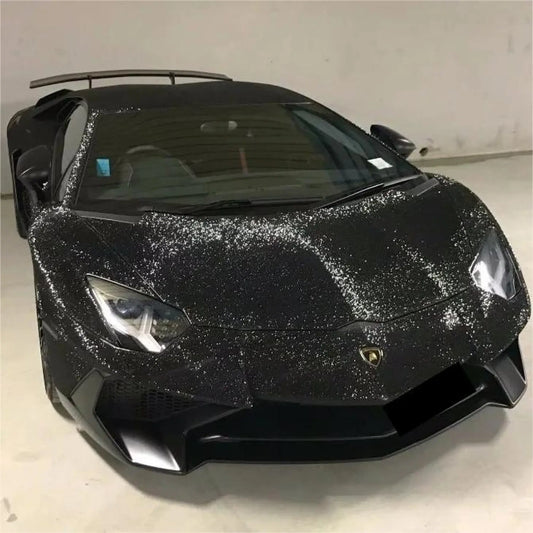
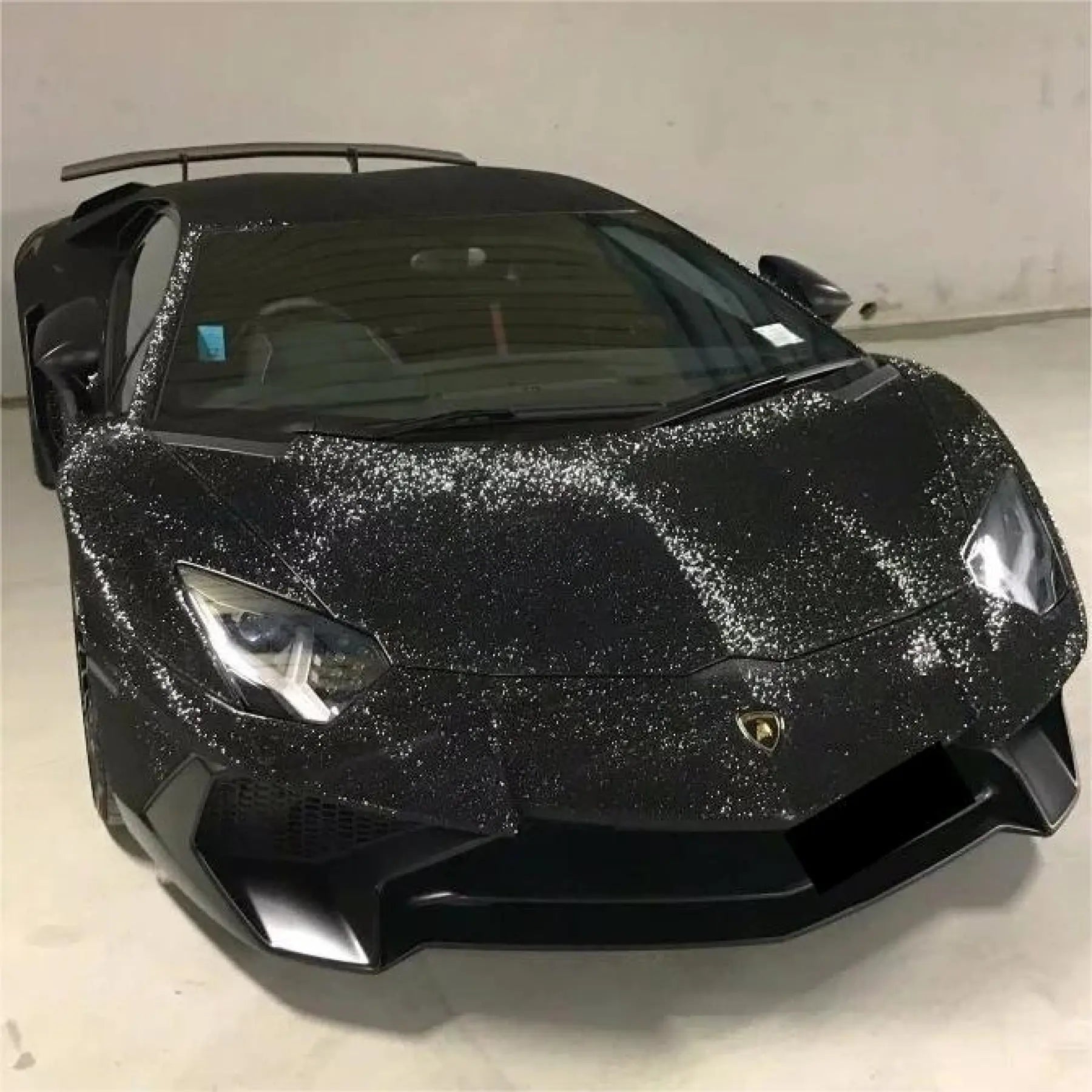
Carbon fiber works best as one element within a broader customization strategy. Sailifilm’s extensive product lineup offers wrap styles that complement carbon fiber accents across every vehicle type. The rainbow laser vinyl wrap creates holographic color-shifting body coverage that makes carbon fiber hood accents pop with contrast. The glitter sparkle car wrap in Diamond Glitter Black, Pink, or Silver adds metallic flake depth alongside carbon fiber texture for vehicles seeking maximum visual complexity.
For protection-focused builds, combining carbon fiber vinyl accents with TPU paint protection wrap on high-impact zones creates the ultimate balance between style and surface defense. The colored paint protection film range adds another dimension by offering self-healing TPU in colors like Crystal Sky Blue, Ferrari Red, and Arctic Grey — allowing you to color-match protected panels while carbon fiber handles the accent work. Explore the full car vinyl wrap collection to see every available finish organized by style and color family.
Material Sizing Guide and Project Planning
Ordering the correct amount of material prevents both waste and the frustration of running short mid-project. Sailifilm offers vinyl wraps in six roll sizes: 5ft x 3.28ft, 5ft x 10ft, 5ft x 16ft, 5ft x 33ft, 5ft x 49ft, and 5ft x 59ft, with additional 5ft x 69ft and 5ft x 79ft options for larger vehicles. As a general guide, motorcycles require 5ft x 10ft to 5ft x 16ft, compact and mid-size cars need 5ft x 49ft to 5ft x 59ft for full coverage, SUVs require 5ft x 69ft, and full-size trucks need 5ft x 79ft. Partial accent wraps on any vehicle type typically require a 5ft x 10ft to 5ft x 33ft roll depending on how many panels you plan to cover.
Always order approximately 10 to 15 percent extra material beyond your calculated requirement to account for trimming waste and potential reinstallation of panels where the first attempt does not meet your standards. The sample kits allow you to evaluate texture, color, and adhesive performance before placing a full materials order. This small upfront investment prevents costly mismatches and ensures confidence in your final selection. For installation guidance applicable to all vehicle types, the International Window Film Association provides industry-standard resources on proper surface preparation and application techniques.
Carbon fiber vinyl wrap adapts to every vehicle on the road, from track-focused sports cars to family SUVs and weekend motorcycles. The secret to a successful build is matching the right carbon fiber finish to your vehicle’s character, placing it on the panels where visual impact is highest, and pairing it with complementary wrap styles that complete your customization vision. Start by exploring the full 3D carbon fiber wrap collection, order a sample to test against your paint, and plan your project around the panel-by-panel strategies outlined in this guide. The result will be a vehicle that looks purpose-built, professionally finished, and unmistakably yours.

