

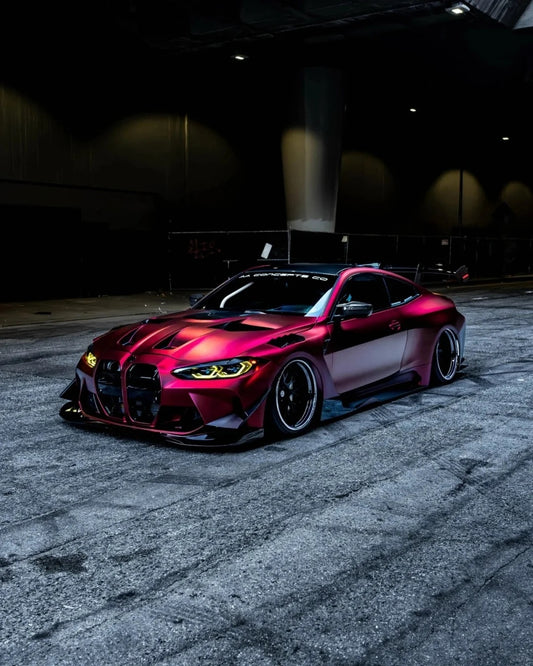
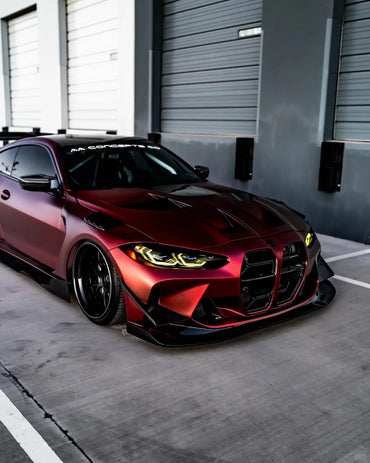

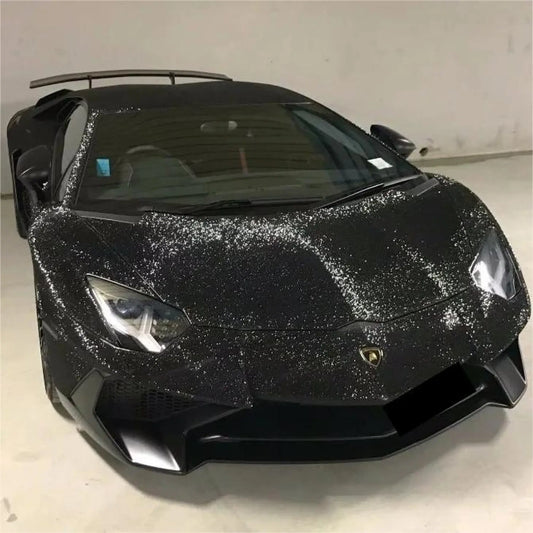
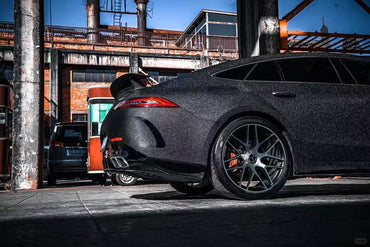
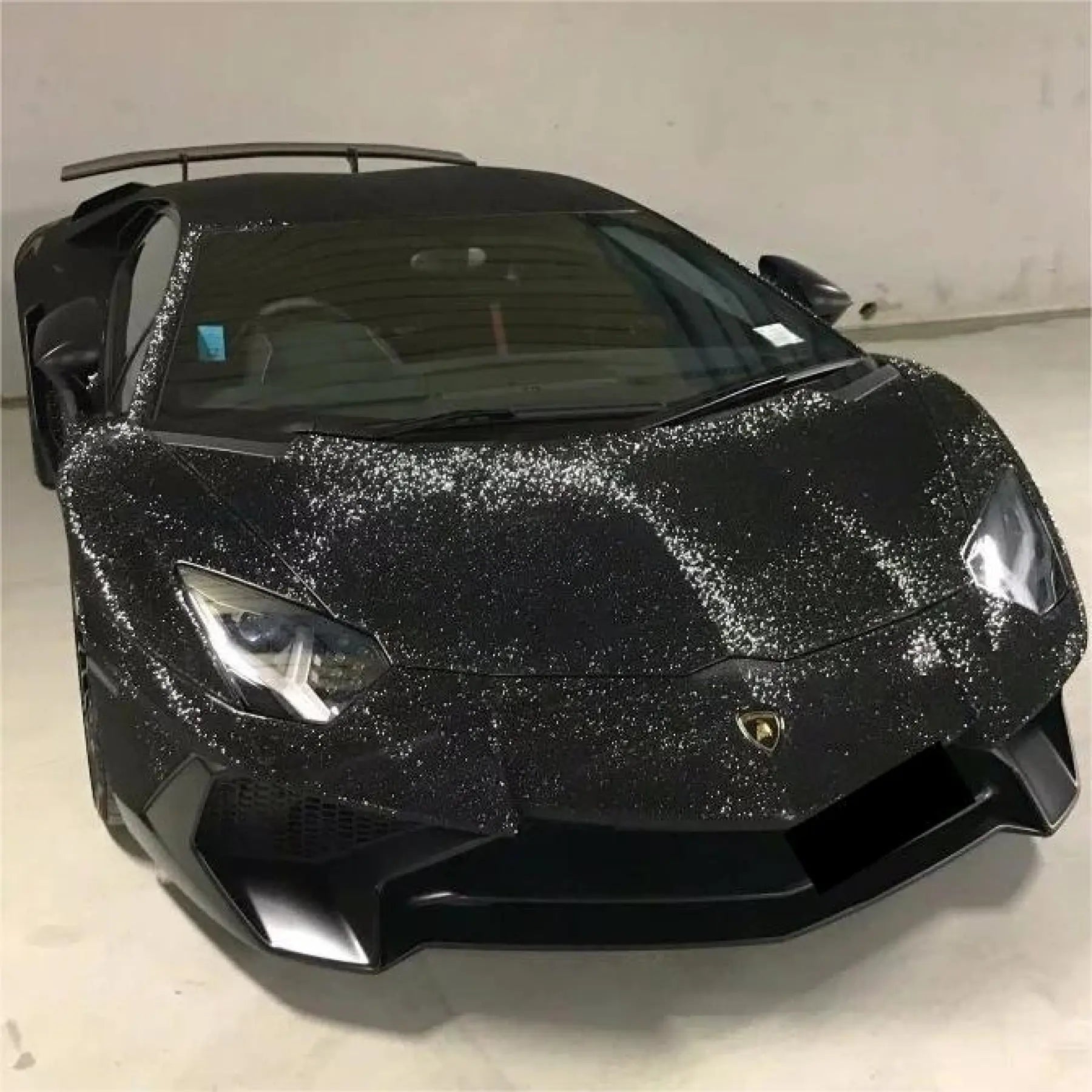
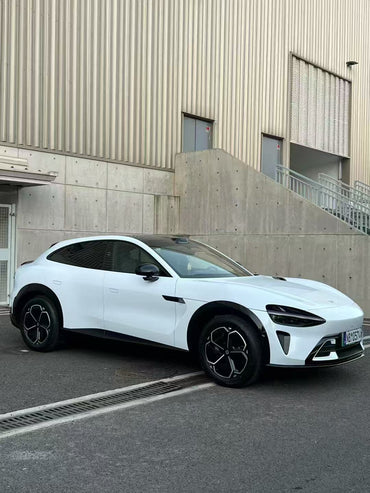
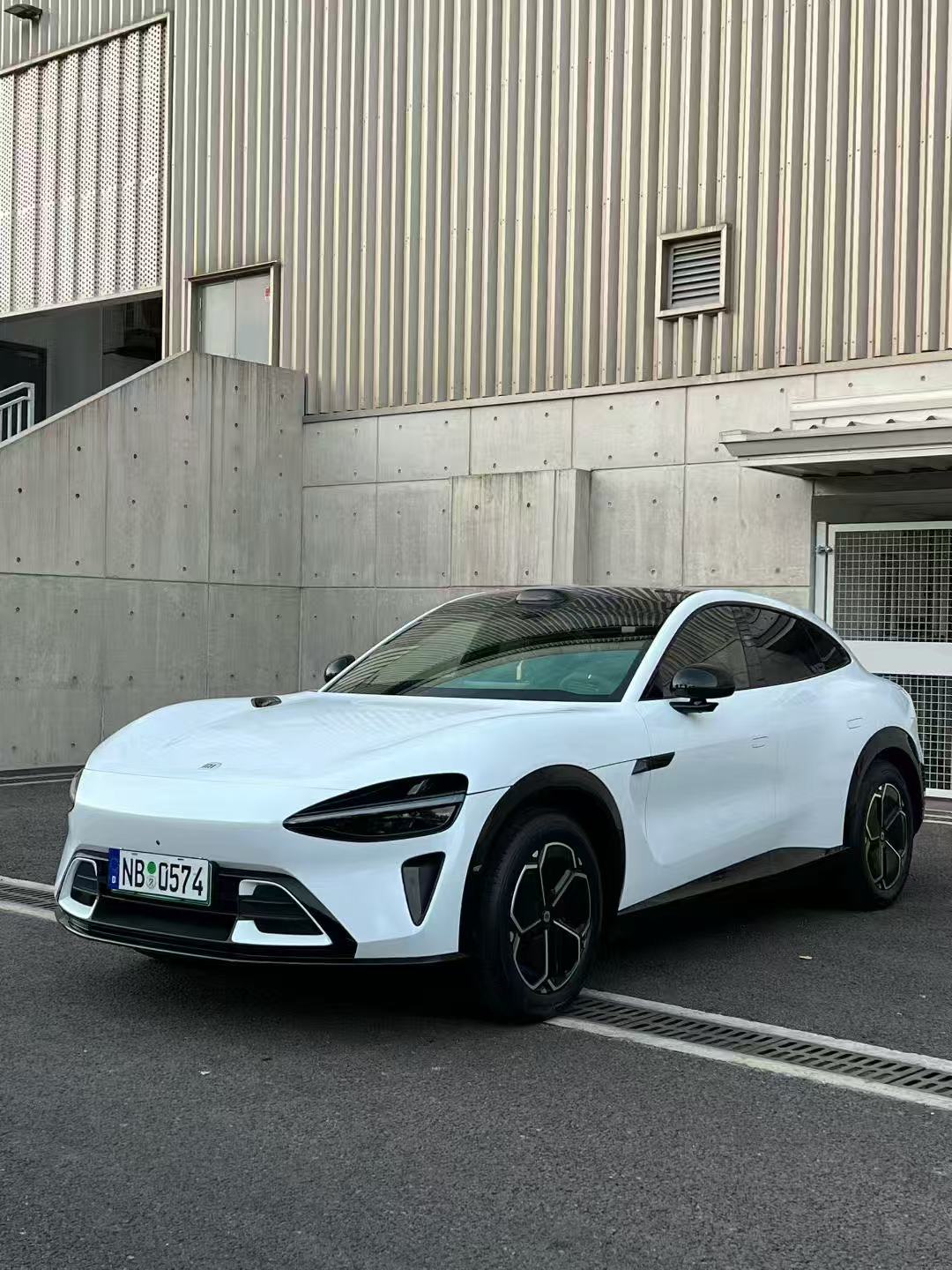


A carbon fiber wrap transforms the personality of any vehicle, delivering that aggressive motorsport aesthetic that genuine carbon fiber components provide at ten times the price. But the visual impact only lasts as long as the maintenance behind it. A neglected wrap fades, lifts at the edges, and develops stains that no amount of scrubbing can reverse. A properly maintained wrap stays vibrant, stays bonded, and keeps turning heads for years. The difference between a two-year wrap and a five-year wrap comes down almost entirely to how you care for it after installation.
The First 48 Hours After Installation
Wrap care begins the moment the installer finishes the final panel. The adhesive in quality vinyl films requires a curing period to reach full bond strength, and any disruption during this window can compromise long-term adhesion. Do not wash the vehicle for at least 48 hours after installation. Avoid exposing it to rain, heavy dew, or any significant moisture during this period. If possible, keep the vehicle garaged or under covered shelter while the adhesive completes its initial bond cycle.
Do not drive the vehicle through automatic car washes during the first week. The combination of high-pressure water jets, spinning brushes, and chemical detergents creates exactly the conditions that can lift fresh film edges before the adhesive has fully cured. Many wrap failures that owners blame on material quality actually originate from premature exposure during this critical curing phase. The International Window Film Association recommends waiting a minimum of 48 hours before any wet contact with newly installed film, with 72 hours being the preferred standard for complete curing in moderate climates.
During this waiting period, visually inspect every edge, corner, and seam of the installation. Fresh installations may reveal minor edge lifting or small air pockets that were not visible under shop lighting. Identifying these issues within the first few days allows your installer to make corrections while the adhesive remains receptive to reactivation with a heat gun. Waiting weeks or months before reporting edge concerns makes repair significantly more difficult.
Proper Washing Technique for Carbon Fiber Vinyl
The single most important maintenance habit for any wrapped vehicle is a consistent, gentle hand wash routine. Wash your carbon fiber wrap every two weeks at minimum, or immediately whenever you notice visible contamination from road grime, insect residue, bird droppings, or tree sap. The two-bucket method remains the gold standard for safe wrap washing — one bucket holds your soapy wash solution while the second contains clean rinse water for wringing out your wash mitt between passes.
Use only pH-neutral, vinyl-safe car shampoo. Standard automotive soaps formulated for painted surfaces often contain surfactants and wax additives that leave residue on vinyl films, creating a hazy buildup that dulls the finish over time. Avoid dish soap, household cleaners, and any product containing petroleum distillates, citrus solvents, or abrasive compounds. These chemicals attack the plasticizers in PVC vinyl, accelerating aging, fading, and surface cracking. The polyvinyl chloride article on Wikipedia explains how PVC-based materials degrade when exposed to incompatible chemical agents — a process that applies directly to vinyl wrap films.
Always wash in a shaded area or during cooler parts of the day. Direct sunlight heats the vinyl surface and causes soap to dry before you can rinse it away, leaving streaks and mineral deposits that require extra effort to remove. Rinse the entire vehicle with low-pressure water before touching any surface with a wash mitt to flush away loose grit and sand particles that would otherwise scratch the wrap during contact washing. After washing, dry every panel immediately with clean, soft microfiber towels. Air drying invites water spots, especially on matte and textured carbon fiber surfaces where mineral deposits settle into the weave pattern and become extremely difficult to remove once baked by sunlight.
Gloss Carbon Fiber vs. Matte Carbon Fiber: Finish-Specific Care
Not all carbon fiber wraps require identical maintenance protocols. The finish type — whether gloss or matte — dictates which products are safe to use and how you handle specific cleaning situations. Applying the wrong product to the wrong finish can cause irreversible damage.
Gloss carbon fiber maintenance closely resembles standard gloss vinyl care. The reflective surface shows water spots and swirl marks more readily than matte, so thorough drying after every wash is essential. Gloss surfaces tolerate vinyl-specific spray sealants and ceramic coatings that enhance reflectivity and add a hydrophobic layer. These products cause water to bead and roll off the surface, reducing the frequency of full washes and making quick detail wipes more effective between wash days. The crystal vinyl wrap collection and liquid chrome wrap share similar gloss-care requirements, so the same products and techniques apply across these finish families.
Matte carbon fiber requires specialized care that differs substantially from gloss protocols. Never apply traditional car wax, polish, glaze, or any product designed to add shine to a matte surface. These products fill the microscopic texture of the matte finish, creating unwanted glossy patches that destroy the flat aesthetic and are extremely difficult to reverse. Use only cleaning and protection products explicitly labeled as matte-safe or vinyl-safe. When spot cleaning matte carbon fiber, a diluted solution of two parts water to one part isopropyl alcohol works effectively without altering the finish. The same matte-specific approach applies to the ultra matte wrap collection — any product that adds gloss will compromise the intended flat appearance.
Dealing with Contaminants: Bird Droppings, Tree Sap, and Insect Residue
Biological contaminants represent the most urgent threat to carbon fiber wrap surfaces because they contain organic acids that actively etch through protective topcoats when left in contact for extended periods. Bird droppings are the primary offender — their acidic composition can begin damaging the vinyl surface within hours of contact in warm temperatures. Tree sap creates a bonded, sticky film that hardens progressively and becomes more difficult to remove with each passing day. Insect residue, particularly from highway-speed impacts, bakes onto the surface and bonds chemically with the vinyl when exposed to sunlight.
The solution is immediate action. Carry a small spray bottle of vinyl-safe quick detailer and a clean microfiber cloth in the vehicle at all times. When you notice bird droppings or insect residue, saturate the affected area with the detailing spray, allow it to soak for 30 to 60 seconds to soften the contaminant, and then gently wipe away with the microfiber cloth using minimal pressure. Never scrape or scrub dried contaminants aggressively — the friction will scratch the wrap surface and potentially pull the texture off textured 3D carbon fiber films.
For hardened tree sap that resists standard detailer spray, apply a small amount of isopropyl alcohol (70 percent concentration) directly to the sap deposit and allow it to dwell for one to two minutes. The alcohol dissolves the resin without attacking the vinyl substrate. Wipe gently with a fresh microfiber cloth and follow up with a vinyl-safe detailer to restore any surface protection removed by the alcohol treatment. If your vehicle parks regularly under trees, consider additional protective measures like TPU paint protection wrap on the most exposed horizontal surfaces to create an extra barrier against recurring sap exposure.
Seasonal Maintenance Strategies
Spring and summer bring increased UV exposure, higher temperatures, and peak biological contamination from insects and tree pollen. Increase your wash frequency to weekly during these months if you drive daily. Park in shaded structures or garages whenever possible — prolonged UV radiation is the leading cause of vinyl wrap fading and premature aging. The UV radiation article on Wikipedia details how ultraviolet light breaks down polymer chains, which directly applies to PVC vinyl wrap films exposed to consistent sunlight. Vehicles garaged overnight and parked in shade during the day can extend wrap lifespan by one to two additional years compared to identical vehicles stored outdoors full-time.
Fall and winter introduce different challenges. Road salt, de-icing chemicals, and cold temperatures all affect vinyl adhesion and surface integrity. Wash road salt deposits away within 48 hours of exposure to prevent chemical corrosion of the adhesive layer beneath the film. Cold temperatures reduce vinyl flexibility, which means edges that may have tolerated minor stress during warm months become prone to lifting and cracking when ambient temperatures drop below freezing. Inspect all film edges monthly during winter and address any lifting immediately with targeted heat application before moisture intrusion worsens the separation.
Between seasons, perform a thorough inspection of every wrapped panel. Check for color consistency, edge adhesion, texture changes, and any areas where the film may have stretched or shifted. Seasonal temperature swings cause repeated expansion and contraction cycles that gradually stress adhesive bonds, making transitional inspections especially valuable for catching problems early.
Ceramic Coating as a Maintenance Multiplier
Applying a vinyl-safe ceramic coating to your carbon fiber wrap is the single most effective way to reduce ongoing maintenance effort while extending the life of the film. Ceramic coatings create a nanoscopic layer of silicon dioxide that bonds to the vinyl surface, producing a hydrophobic barrier that causes water and contaminants to bead and roll away rather than adhering to the film. This means less scrubbing during washes, easier contaminant removal, enhanced UV resistance, and a deeper visual appearance on gloss finishes.
Not all ceramic coatings are compatible with vinyl wrap. Standard ceramic products formulated for automotive clear coat may contain solvents or hardeners that react poorly with PVC vinyl, potentially causing discoloration, brittleness, or interference with the textured pattern of 3D carbon fiber films. Always select ceramic coatings specifically formulated for vinyl wrap and paint protection film surfaces. These specialized formulations maintain film flexibility and, critically, preserve the self-healing properties of TPU paint protection film if you are running a combined wrap and PPF setup on your vehicle.
Timing matters when applying ceramic coating to wrapped surfaces. Wait at least one full week after wrap installation before coating to allow the adhesive to fully outgas and cure. Applying ceramic too early can trap adhesive gases beneath the sealed surface, leading to micro-bubbles or reduced bond strength over time. Once applied, ceramic coatings on vinyl typically last 12 to 36 months depending on product grade, climate exposure, and wash frequency. Maintenance ceramic spray boosters applied every two to three months extend the active life of the base coating and refresh the hydrophobic performance.
Edge Care and Preventing Lift
Edge lifting is the most common maintenance issue with any vinyl wrap, and it is almost always preventable with proper care. Film edges begin to lift when moisture, dirt, or chemical contamination works its way beneath the adhesive boundary. Once lifting begins, the exposed adhesive collects additional debris, which accelerates the separation and makes re-adhesion progressively more difficult.
Prevent edge lifting by avoiding high-pressure water directed at film edges during washing. Hold wash nozzles at least 12 inches away from any edge or seam, and angle the water flow away from the edge rather than directly into it. Pressure washers are the single most common cause of premature edge failure — the concentrated water jet literally peels the adhesive boundary apart at pressures exceeding 1,200 PSI. Touchless automatic car washes are acceptable for wrapped vehicles, but avoid any facility that uses spinning brushes or aggressive chemical pre-soak cycles.
If you detect early edge lifting, act immediately. Clean the lifted area gently with isopropyl alcohol to remove any trapped dirt. Use a heat gun on low setting to warm the vinyl and reactivate the adhesive, then press the edge firmly into place using a felt-edge squeegee from the wrapping tools collection. Hold pressure for 30 seconds while the adhesive resets. If the lift area exceeds one inch or the adhesive appears contaminated, consult a professional installer for repair rather than attempting home remedies that may worsen the damage.
Common Maintenance Mistakes That Shorten Wrap Life
Understanding what to avoid is just as important as knowing what to do. The following errors are responsible for the majority of premature carbon fiber wrap failures, and every one of them is entirely preventable.
Using traditional car wax on any vinyl wrap creates waxy buildup that clouds the finish. Standard carnauba and synthetic waxes contain petroleum distillates that degrade vinyl and leave deposits in the textured weave of carbon fiber patterns. On matte surfaces, wax creates permanent glossy patches.
Parking in direct sunlight without protection accelerates UV degradation faster than any other factor. Extended sun exposure fades color, weakens adhesive bonds, and causes the vinyl to become brittle. Garage parking or even basic car covers extend wrap life significantly.
Ignoring minor damage allows small problems to become large failures. A tiny edge lift that costs nothing to fix with a heat gun today becomes a full panel replacement requiring new material in six months if left untreated. Inspect wrapped surfaces monthly and address every imperfection immediately.
Using abrasive cleaning tools like stiff brushes, rough sponges, or magic eraser pads scratches the vinyl surface permanently. Only soft microfiber cloths and foam wash mitts should ever contact a wrapped surface. This applies to every finish type in the Sailifilm lineup, from metallic vinyl wrap to rainbow laser vinyl wrap to glitter sparkle car wrap.
Applying polish or rubbing compound to fix scratches on vinyl is never appropriate. Unlike automotive paint, vinyl wrap surfaces cannot be corrected through abrasive polishing. Minor scratches on gloss carbon fiber can sometimes be reduced with targeted heat application, while deeper damage requires panel replacement.
Building a Long-Term Wrap Maintenance Schedule
Consistency turns occasional effort into lasting results. A simple maintenance calendar keeps your carbon fiber wrap looking its best without requiring excessive time or expense. Wash every two weeks using the two-bucket method with pH-neutral, vinyl-safe soap. Dry immediately with microfiber towels. Address any bird droppings, sap, or insect residue within 24 hours of discovery. Inspect edges and seams monthly for early signs of lifting or contamination. Apply vinyl-safe ceramic booster spray every two to three months. Perform a comprehensive full-vehicle inspection at every seasonal transition.
This routine applies to every wrap style in the Sailifilm product range — from 3D carbon fiber and dual color dream vinyl wrap to colored paint protection film. The underlying principles of gentle cleaning, immediate contaminant removal, edge vigilance, and UV avoidance remain universal regardless of finish type. Proper maintenance transforms a vinyl wrap from a temporary cosmetic upgrade into a long-term investment that protects your factory paint, preserves resale value, and keeps your vehicle looking exceptional for years. Explore the complete car vinyl wrap collection and the best sellers to discover which finishes other owners are pairing with disciplined care routines for maximum longevity.

