





What Is a Color Carbon Fiber Wrap and Why Is It Trending in 2026?
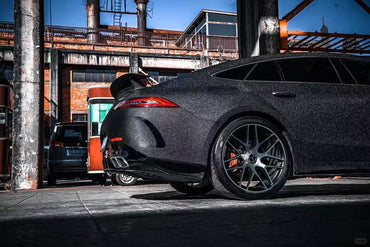
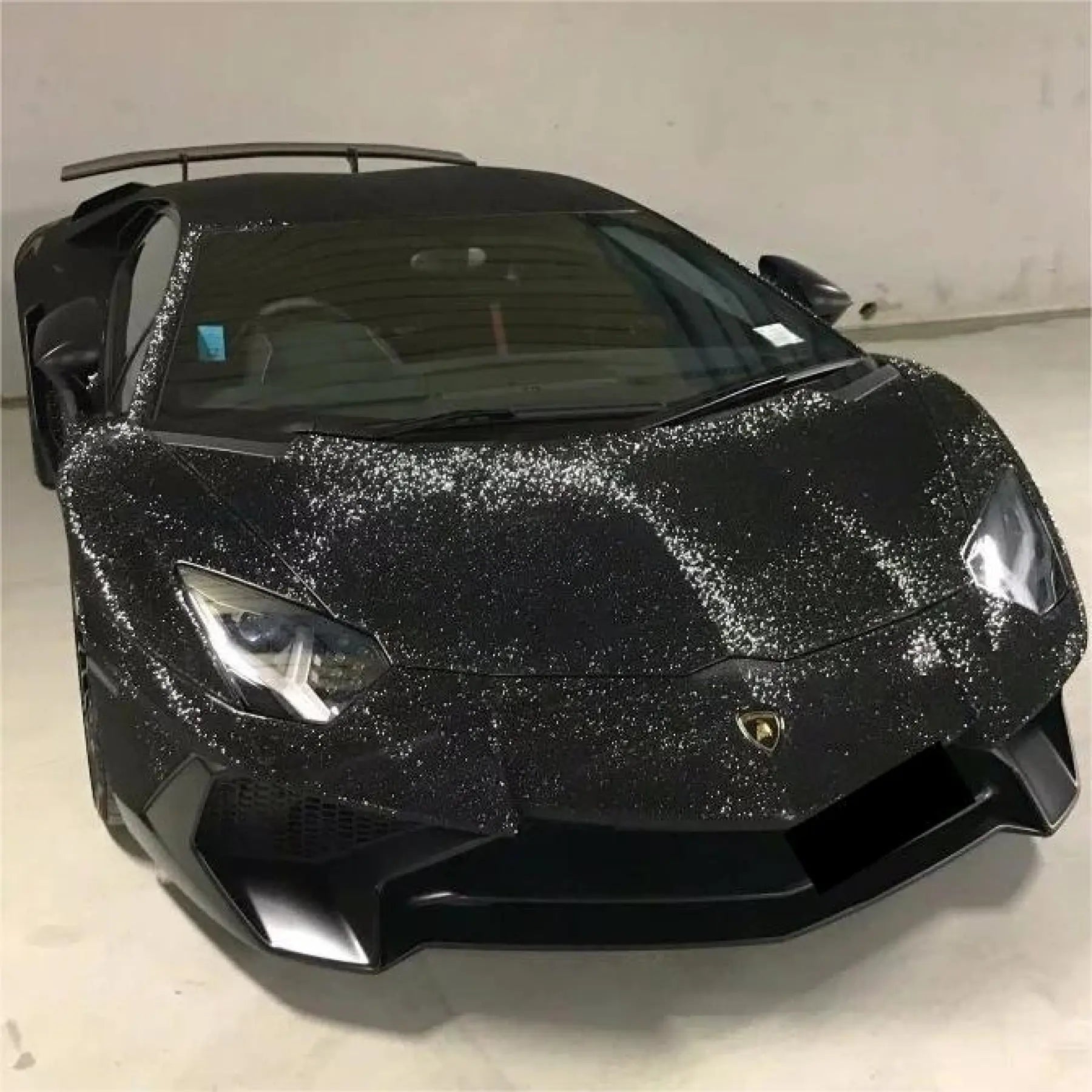
A color carbon fiber wrap is a multi-layer vinyl film engineered with an embossed or printed weave pattern that replicates the look and, in premium 3D versions, the texture of woven carbon fiber fabric. Unlike a standard flat-color wrap, it carries depth and dimensionality that shifts with light and viewing angle. The color is integrated into the film itself rather than applied as a topcoat, so it holds its hue through UV exposure, washing, and seasonal temperature swings.
What makes this format so relevant right now is the intersection of two major trends. First, forged carbon fiber aesthetics — the random, non-repeating weave pattern seen on high-end OEM parts — have crossed from supercar exclusivity into mainstream automotive culture. Second, buyers increasingly want personality in their builds, not just stealth. Color carbon delivers both the performance signal and the individual expression. According to recent automotive color research, texture-forward surfaces are defining the premium aftermarket segment heading into 2026.
Every Color Carbon Fiber Option in the Sailifilm Collection
Carbon Fiber Red — Gloss and Matte Forged Variants
Red is the boldest statement in the carbon fiber color lineup. Sailifilm offers two distinct takes on it through the 3D Carbon Fiber collection:
-
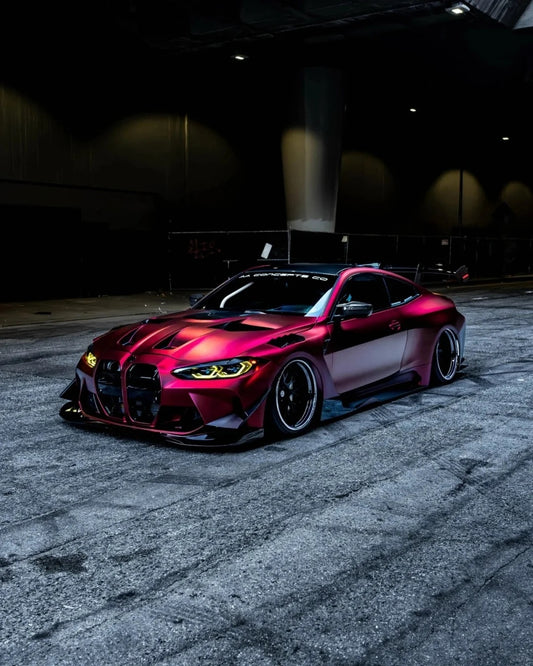
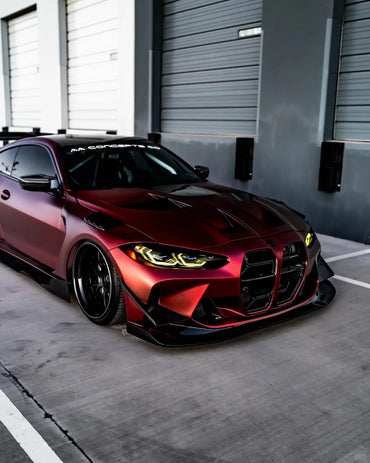
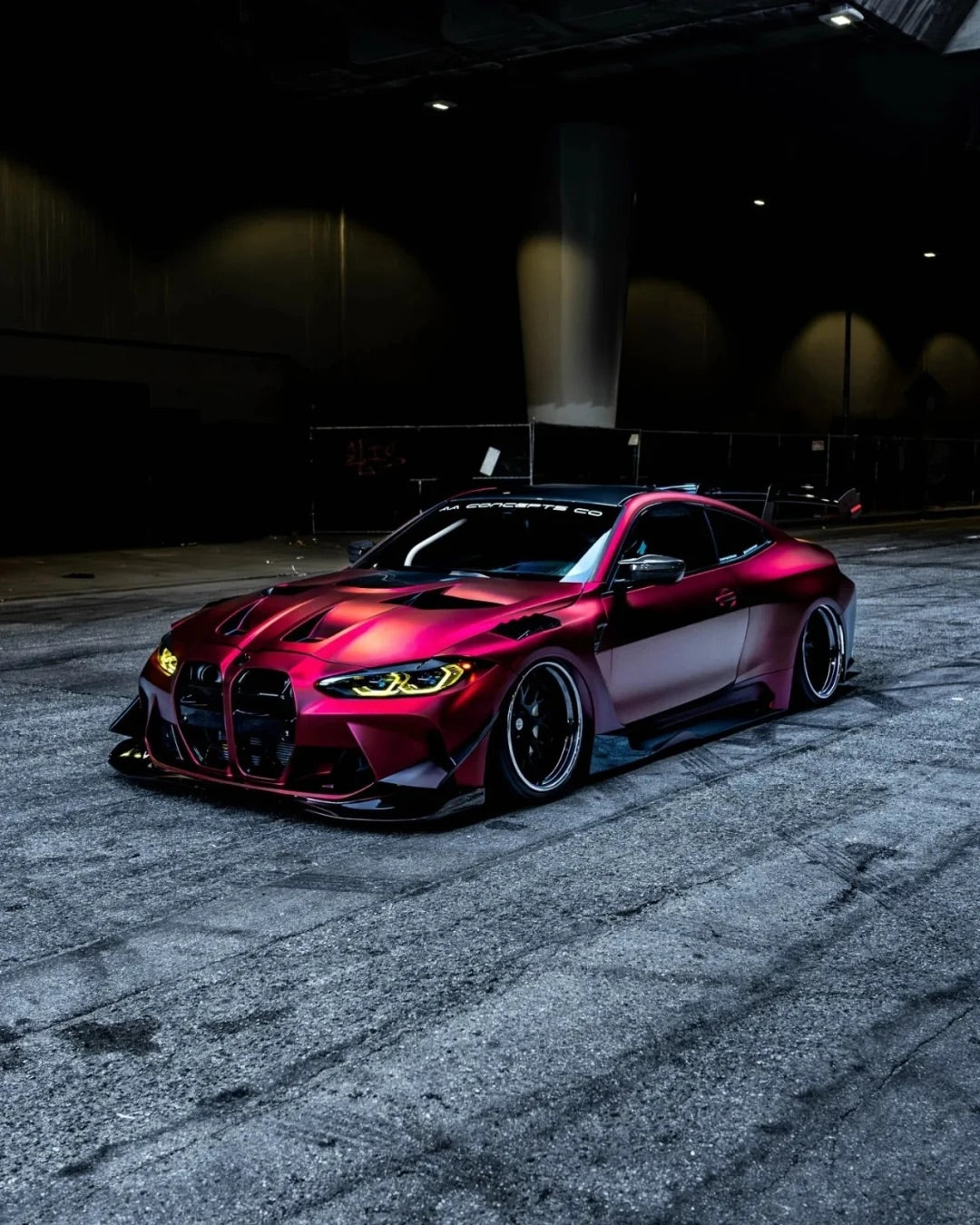
Carbon Fiber Gloss Red Forged — The gloss finish amplifies the depth of the forged weave pattern. Under direct sunlight, the random fiber arrangement creates a wet, dimensional appearance that reads as aggressive and premium simultaneously. This variant suits hoods, roofs, and full exterior wraps on sports cars where the paint-like sheen is desirable.
-
Carbon Fiber Matte Red Forging Fiber — The matte version kills the surface reflection entirely, pushing all visual interest into the weave texture itself. The effect is more industrial and purposeful — closer to what you would see on an actual race car's bare composite panels. It pairs exceptionally well with gloss red accents elsewhere on the vehicle, creating contrast without changing the color story.
Both red variants use a forged fiber pattern rather than a traditional woven grid. This means the fiber threads run in irregular, overlapping directions — the same aesthetic produced by genuine chopped carbon fiber composite manufacturing. For anyone considering interior accents as well, both films work on dashboards, door inserts, and center consoles. Future articles will explore carbon fiber interior trim wrapping techniques in depth.
Carbon Fiber Black — Gloss Forged and Matte Forging Options
Black remains the dominant color in carbon fiber wrapping — it is the closest reference to naturally-colored structural carbon fiber, and it works universally across vehicle types.
-
Carbon Fiber Gloss Black Forged — Delivers the classic high-contrast motorsport look. The gloss surface creates sharp light reflections across the weave crests, making each fiber thread visible from multiple angles. This is the go-to choice for mirrors, spoilers, pillars, and accent panels on vehicles with darker base colors.
-
Carbon Fiber Matte Black Forging Fiber — Produces a stealth-grade finish. With zero surface gloss, the weave pattern is readable purely through the physical texture and light diffusion rather than reflection. It is particularly effective on vehicles with gloss black or dark metallic paint, creating a tonal, layered appearance rather than a sharp contrast.
Black carbon fiber wrap applies to every section of the vehicle — full body, partial hood, roof panel, mirror caps, spoiler, and interior trim. It is also the most color-flexible option because it complements virtually every base paint color. For vehicles where the full body wrap is impractical, applying carbon fiber black to the roof and mirrors while combining it with another finish from the metallic vinyl wrap or ultra matte wrap collection on the main panels creates a sophisticated two-tone build.
4D Carbon Fiber Gloss Black — Enhanced Depth Perception
The 4D variant in the collection takes the standard gloss black forged finish further by engineering additional dimensional layering into the film surface. Where a conventional carbon film shows a flat weave under diffuse light, the 4D film reads with visible depth gradient across each fiber cluster — the visual equivalent of the difference between a flat photograph of carbon fiber and the real material. This option is suited for show builds, accent panels where close inspection is expected, and any application where the carbon itself is meant to be the focal point rather than a supporting element.
Gloss vs. Matte Carbon Fiber Wrap: Which Finish Is Right for Your Build?
Choosing between gloss and matte carbon fiber comes down to three factors: the visual intention, the surrounding panels, and the maintenance reality. Here is how they break down:
-
Gloss carbon fiber reads as high-energy and aggressive. The reflective surface creates strong contrast between fiber peaks and valleys, making the weave highly visible from a distance. It is the better choice when the wrap is a central design element rather than a subtle accent. Maintenance is straightforward — dirt and water do not embed into the surface texture the way they can with matte films.
-
Matte carbon fiber creates a more restrained, functional aesthetic. It photographs well in natural light without overexposed hot spots, which matters for anyone documenting builds for social media or car shows. The surface requires a dedicated matte-safe cleaning protocol — standard waxes and sealants designed for gloss finishes will leave a sheen residue that defeats the purpose of the matte film.
-
Forged vs. woven grid pattern: Sailifilm's current carbon fiber range uses forged fiber patterns rather than the uniform 2x2 twill weave common in entry-level carbon films. The forged pattern is more visually complex, more closely tied to actual composite manufacturing processes, and harder to imitate at a distance — making the wrap read as more authentic even under close inspection. This is consistent with the SEMA Show direction where forged carbon aesthetics have received growing attention in recent years.
Best Applications for Color Carbon Fiber Wrap by Vehicle Zone
Different panels respond differently to carbon fiber wrap both visually and technically. Here is how to maximize the impact of each option:
-
Hood: The largest single panel on most vehicles, and the most impactful zone for carbon fiber. Red carbon fiber on a black car hood creates an immediate focal point. Black carbon on a silver or white hood adds visual weight and an OEM+ motorsport aesthetic. Size reference from the Sailifilm collection: a 5ft x 33ft or 5ft x 49ft roll is typically needed depending on vehicle class.
-
Roof: Carbon fiber roofs have become a near-standard feature on performance vehicles. The flat surface of most roofs is one of the easiest applications for a DIY installer, and the visual payoff from street level and overhead angles is significant.
-
Mirror caps: A small panel with outsized visual impact. Mirror caps in gloss red or gloss black carbon fiber contrast sharply against the body color and add a factory-upgrade appearance without requiring a full vehicle application. Typically requires 5ft x 3.28ft per pair.
-
Spoilers and diffusers: Aerodynamic components in carbon fiber wrap reinforce the performance narrative of the vehicle. The forged fiber pattern reads as more authentic than grid-pattern alternatives on curved spoiler surfaces where the weave alignment would otherwise distort.
-
Interior trim: Dashboard panels, center consoles, door inserts, and steering wheel trim all benefit from interior carbon fiber application. The matte variants are generally preferred here because interior lighting conditions rarely favor high-gloss surfaces without creating distracting reflections. Future guides on DIY car wrap installation will cover interior application specifics.
How Carbon Fiber Wraps Complement the Full Sailifilm Range
Color carbon fiber wraps do not exist in isolation — they are most effective as part of a larger design system. Sailifilm's collection makes it straightforward to combine carbon with other finish types for multi-panel builds:
-
Carbon fiber black hood + liquid chrome wrap lower panels: The mirror-finish liquid chrome creates an extreme contrast with the textured matte carbon, producing a show-ready build with two materials that reinforce each other's premium positioning.
-
Carbon fiber red roof + ultra matte wrap body: Matte body panels with a contrasting carbon fiber roof is one of the most consistently successful two-tone formulas in contemporary car culture. The shared matte surface language between the forging fiber and ultra matte body film keeps the build cohesive while the color contrast creates interest.
-
Carbon fiber accents + dual color dream vinyl wrap: Color-shifting dual-tone films on the main body panels with carbon fiber mirror caps and spoiler components is a high-complexity build formula that rewards careful panel selection.
-
Carbon fiber interior trim + colored paint protection film exterior: Some builds prioritize exterior protection (using colored TPU PPF on exterior panels) while reserving the decorative carbon wrap for the interior. The TPU paint protection wrap collection provides that protective layer without sacrificing color customization.
Installation Specs and Film Technology
All color carbon fiber films in the Sailifilm 3D collection share a consistent technical specification set designed for both professional and experienced DIY installation:
-
Air-release channel technology: Micro-perforation channels embedded in the adhesive backing allow trapped air to evacuate during application. This eliminates bubble formation on large flat panels and significantly reduces installation time on complex curves. The channels are sized to allow air escape without compromising long-term adhesion.
-
Conformability: The film is engineered to stretch and conform to compound curves without the weave pattern distorting. This is a technically demanding requirement for carbon fiber films specifically — a pattern with visible geometry will show distortion more obviously than a flat color when improperly stretched.
-
UV resistance: Color stability under UV exposure is critical for colored carbon fiber specifically, where the pigment sits within the textured layer rather than a smooth topcoat surface. The forged fiber films include UV inhibitors to prevent fading and maintain color depth over time.
-
Easy removal: The adhesive system is designed for clean removal without paint damage, which matters particularly for leased vehicles or owners who plan to update their wrap periodically. No heat gun damage to the underlying clear coat is expected under normal removal conditions.
-
Sizing range: Available from 5ft x 3.28ft for mirror caps and small accent panels through 5ft x 79ft for full-size commercial van applications, covering every vehicle category from motorcycles to large SUVs.
Not sure which size to order? Try a sample kit first to test adhesion, color match, and finish against your vehicle's existing panels before committing to a full roll. The right wrapping tools also make a measurable difference in application quality — squeegees, heat guns, and knifeless tape are all covered in the tool collection.
Frequently Asked Questions About Color Carbon Fiber Wrap
Can I wrap my full car in colored carbon fiber vinyl?
Yes. Full vehicle wraps in carbon fiber color vinyl are technically feasible and increasingly common on sports cars and performance builds. The forged fiber pattern tends to work better for full wraps than traditional grid patterns because the random fiber orientation does not create a visual directionality problem on curved body sections. That said, many builders prefer to reserve carbon fiber for accent zones and use a complementary solid or metallic vinyl wrap for the main body panels.
How long does colored carbon fiber wrap last?
Under typical outdoor conditions with regular maintenance, quality carbon fiber vinyl wraps are expected to maintain appearance for multiple years. Indoor storage, covered parking, and regular cleaning according to the car film maintenance guide extend this significantly. Matte finishes tend to retain their appearance longer in real-world conditions because they do not show micro-scratch accumulation the way gloss films do.
Is carbon fiber wrap harder to install than standard flat color vinyl?
On flat panels, the installation process is comparable. The main additional consideration with carbon fiber is pattern alignment — on adjacent panels where the weave is visible across a seam, maintaining consistent orientation requires planning. The forged pattern in Sailifilm's range is somewhat more forgiving than regular grid carbon because the random fiber arrangement does not create an obvious alignment reference line. The DIY installation guide covers pattern alignment strategies in detail.
Which carbon fiber color is most popular?
Black carbon fiber in gloss finish remains the most widely purchased variant — its versatility across vehicle types and color combinations makes it the logical default. Red carbon fiber is the strongest statement choice and has seen growing demand as builders move toward bolder accent applications. Check the best sellers collection to see current purchase trends across the full range.
Final Thoughts: Choosing Your Color Carbon Fiber Wrap
Color carbon fiber wrap occupies a unique position in the automotive customization market — it delivers a material-specific visual language (performance, lightweight, precision engineering) while expanding beyond the traditional monochromatic carbon look into a much wider expressive range. Whether you are building around a gloss red forged hood that commands immediate attention, a matte black forging fiber roof that whispers motorsport intent, or a 4D gloss black accent panel that rewards close inspection, the visual logic is consistent: texture does the storytelling, and color sets the tone.
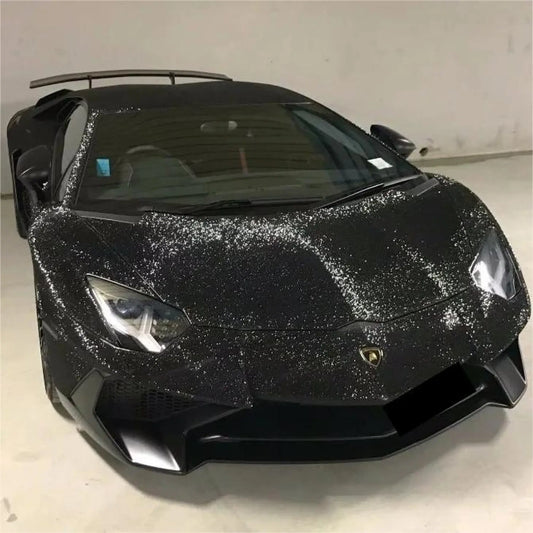
Browse the complete 3D carbon fiber wrap collection to see every available color and finish, or explore adjacent finish categories — from rainbow laser vinyl wrap to glitter sparkle car wrap — to find the right finish language for your complete build. If you are still deciding between options, order a sample kit and test the films in person before committing to a full application.

