





Why Vinyl Wrap Comes Off Cleanly (Most of the Time)
Understanding what a wrap actually is makes removal far less intimidating. A vehicle vinyl wrap is a thin, adhesive-backed film that sits on top of the paint rather than bonding to it chemically the way paint does. Because it is a removable layer by design, a quality cast film is engineered to come away in large sections when warmed, taking its adhesive with it.
The catch is film quality and age. High-grade cast vinyl, the kind used for proper full wraps, expands and contracts with temperature and releases cleanly even after several years. Cheaper calendered film stiffens as it ages and is more likely to tear into small pieces or leave adhesive behind. The good news is that the removal method is the same regardless — heat, patience, and a low peel angle — only the time it takes differs.
One important note before you start: removal is hardest on film that has been baked onto a surface under intense sun for many years, or applied over a weak or already-damaged clear coat. If your factory paint was in poor condition before the wrap went on, go slowly and keep heat gentle.
What You Will Need
Gather everything before you begin so you are not hunting for tools with half a panel peeled. The essentials are simple:
- A heat gun or a household hair dryer
- A plastic razor or your fingernails for lifting edges (never a metal blade on paint)
- Isopropyl alcohol or a citrus-based adhesive remover for residue
- Plenty of clean microfiber cloths
- pH-neutral automotive soap and water for the final wash
You will notice there is nothing exotic on that list. The single most valuable "tool" is patience — rushing is the cause of nearly every paint scratch and torn-film headache during removal.
Step 1: Warm the Film Before You Touch It
Heat is the key to the entire job. Warming the vinyl softens the adhesive and makes the film pliable, so it stretches and lifts rather than snapping into shards. Set a heat gun to low or a hair dryer to its hottest setting, and hold it a few inches from the surface, moving it steadily across one panel at a time.
You are aiming for warm, not scorching. The film should feel hot to the touch but you should never see it bubbling or distorting. Overheating risks softening the paint or clear coat underneath, which is the opposite of what you want. Warm a section about the size of your hand, then move to lifting it before reheating the next area.
On a motorcycle, work panel by panel — the tank, then each fairing, then the fender — rather than trying to heat large areas at once. The complex shapes mean heat dissipates quickly, so small, focused sections give you the most control.
Step 2: Lift an Edge and Find Your Angle
Once a section is warm, find a starting edge. The leading edge of a panel, a seam, or a corner is usually easiest. Use your fingernail or a plastic razor to coax the film up — never a metal blade, which will gouge paint in an instant.
When you have enough film to grip, this is the most important detail in the whole process: pull at a low, shallow angle, somewhere between 30 and 90 degrees back against itself, not straight out. Peeling the film back over itself keeps the adhesive lifting with the vinyl instead of separating and staying stuck to the paint. A steep, straight pull is what causes film to tear and adhesive to be left behind.
Pull slowly and steadily. If the film starts to resist or tear, stop and apply more heat — resistance almost always means that section has cooled and needs warming again.
Step 3: Work the Tight Curves and Recesses
The areas that were hardest to wrap are the hardest to unwrap: the tight curves of the tank, the edges of fairings, the contours around mirrors and the seat, and any spot where film was tucked into a recess. These need extra heat and extra patience.
Keep the heat moving and the angle low. For deeply recessed spots, a plastic razor held nearly flat against the surface can help separate the film without marking the paint. Take your time here — these small areas are where a rushed job leaves either torn film or a scratched panel. Removing trim or small bolt-on parts beforehand, if you are comfortable doing so, gives you cleaner access to edges and makes the whole job easier.
Step 4: Remove the Leftover Adhesive
Even with a clean peel, some adhesive residue almost always remains, especially on older film. This is normal and easy to deal with. Spray or dab isopropyl alcohol or a citrus-based adhesive remover onto the residue, give it a moment to break down the glue, then wipe it away with a clean microfiber cloth.
Work in sections and reapply as needed. Avoid harsh solvents or anything abrasive — a scouring pad or aggressive chemical can damage the very paint you have just successfully uncovered. The goal is to dissolve the adhesive and let it wipe away with light pressure, not to scrub it off.
For stubborn spots, a little extra heat combined with the remover usually does the trick. Patience again wins over force.
Step 5: Wash, Inspect, and Decide What Comes Next
With all the film and adhesive gone, wash the entire bike with pH-neutral automotive soap and water to clear away any leftover chemical residue and restore the surface. Dry it completely with microfiber, then inspect the paint in good light.
Most of the time you will find the paint perfectly preserved — one of the great advantages of a quality wrap is that it protects the surface underneath the entire time it is on. Occasionally you may find faint outlines or minor imperfections on paint that was already aged; a gentle polish usually resolves these.
Now is the moment to decide your next move. If you are going straight back into a fresh wrap, a clean, smooth, fully cured surface is exactly what you need for the new film to adhere properly.
Choosing Your Next Wrap
If removal was about closing one chapter, the fun part is choosing what goes on next. This is where a fresh finish can completely transform the bike. A motorcycle's curves and compact panels show off bold, light-reactive films beautifully — far more dramatically than a flat car panel does.
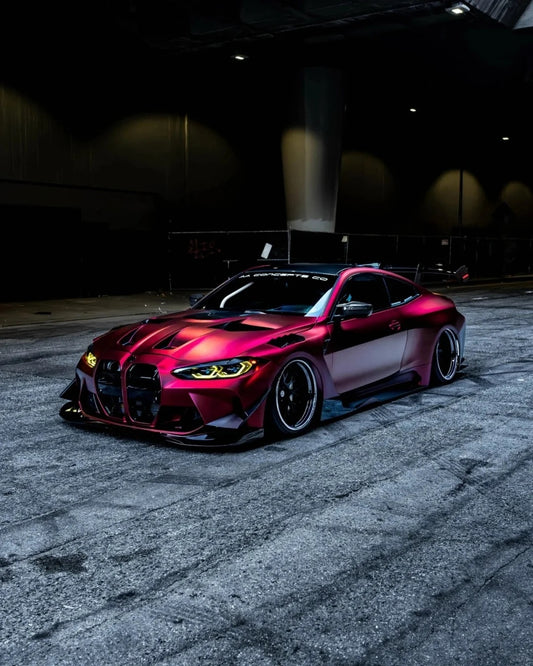
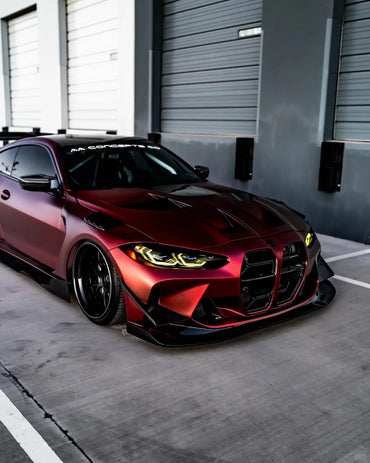
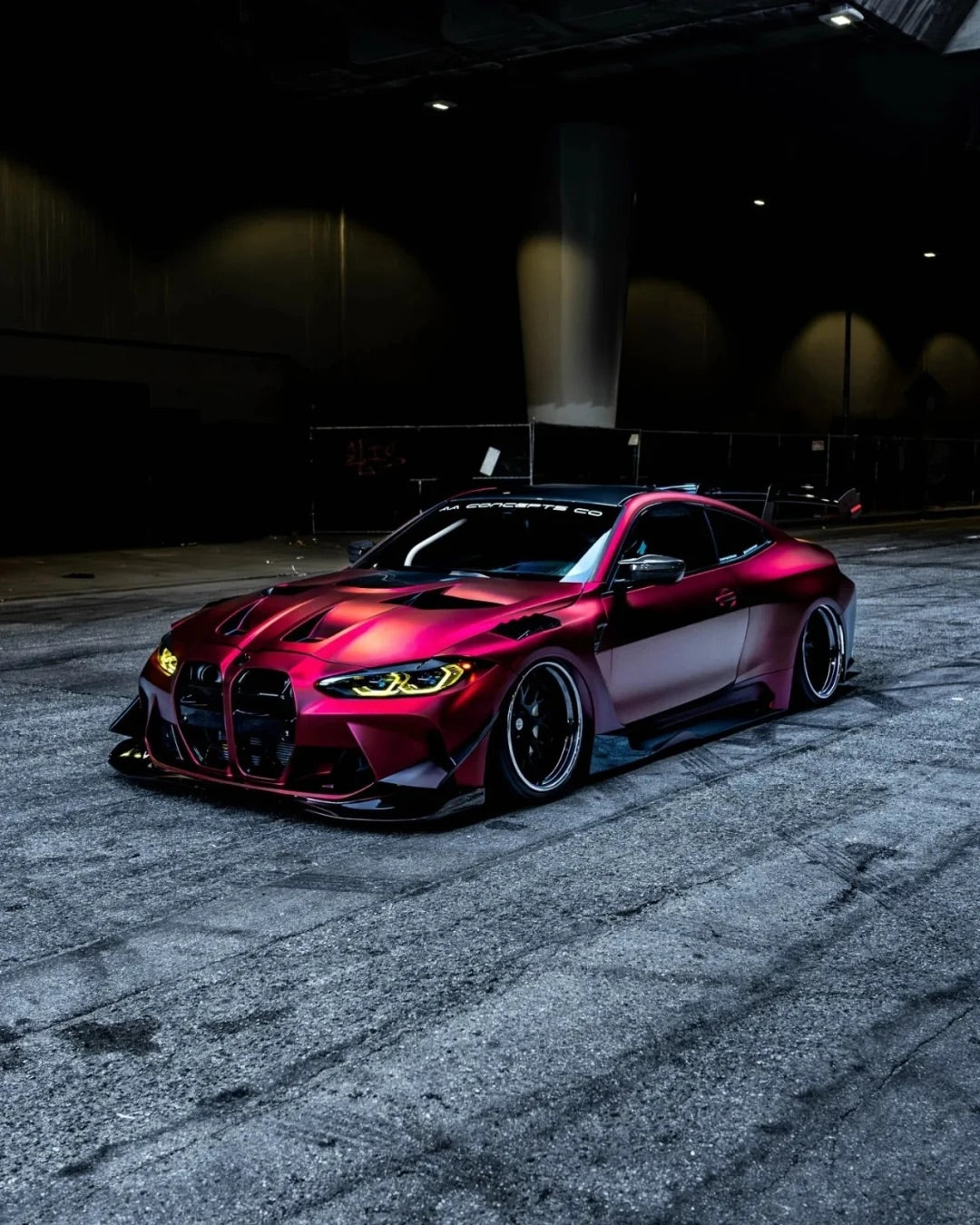
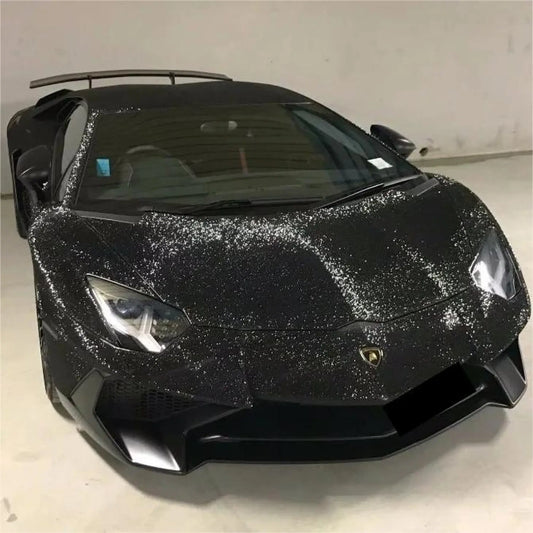
For riders who want depth and shift, the Liquid Series delivers a flowing metallic look that changes with the light, while the Metallic Series offers rich, saturated finishes that catch the sun. If you want something that genuinely turns heads, the Rainbow Laser Series shifts through a spectrum of color as the bike moves, and the Dual Color Dream Series flips between two tones depending on the viewing angle. For a stealthier, modern statement, the Ultra Matte Series and the textured depth of 3D Carbon Fiber Wrap are perennial favorites on sportbikes.
Not sure where to start? Browsing by color family is the easiest way to narrow things down, and a sample kit lets you see the finish against your bike's lines before committing to a full roll. And if you are protecting high-impact panels long term, layering TPU paint protection wrap over the color film adds a self-healing, abrasion-resistant shield to the most vulnerable areas.
For the application side of the job, the DIY car wrap installation guide walks through prep and technique step by step, and once your new wrap is on, the car film maintenance guide keeps it looking flawless.
Quick Vinyl Wrap Removal Checklist
| Step | Key Action | Why It Matters |
|---|---|---|
| Warm the film | Heat gun on low, one panel at a time | Softens adhesive so film lifts instead of tearing |
| Lift an edge | Fingernail or plastic razor, never metal | Finds a clean starting point without scratching paint |
| Peel at a low angle | Pull back 30–90° against the film | Keeps adhesive lifting with the vinyl |
| Work tight curves slowly | Extra heat on tanks, fairings, recesses | Prevents torn film and scratched panels |
| Remove residue | Isopropyl alcohol or citrus remover | Dissolves leftover glue without harming paint |
| Wash and inspect | pH-neutral soap, microfiber, good light | Restores the surface and preps for a new wrap |
Further Reading
- Vehicle Vinyl Wrap — Wikipedia — Technical overview of vinyl film materials, adhesives, and removal characteristics
- Paint Protection Film — Wikipedia — Background on TPU protective films and self-healing technology
- Motorcycle Safety Foundation — Rider resources and general motorcycle care guidance
- RevZilla Common Tread — Independent enthusiast editorial on bike customization and maintenance

