











What Is Real Carbon Fiber?
Genuine carbon fiber is a composite material made of tightly woven carbon atom strands bonded within an epoxy resin matrix. The resulting structure delivers an extraordinary strength-to-weight ratio, making it a staple of motorsport engineering, aerospace manufacturing, and high-performance vehicle construction. The iconic woven surface pattern is a byproduct of the manufacturing process — not a decorative choice — and it carries real structural weight in every sense.
Real carbon fiber parts are produced through either wet layup or dry prepreg methods, with the latter cured in an autoclave under controlled heat and pressure. This results in parts with minimal void content and high fiber-volume fractions that contribute measurable performance gains, especially when reducing unsprung weight on track vehicles.
What Is a Carbon Fiber Vinyl Wrap?
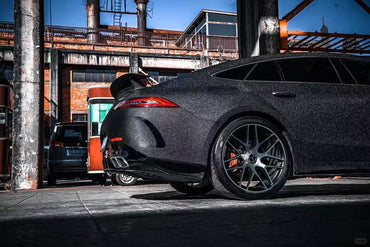
A carbon fiber wrap is a premium vinyl film engineered to replicate the visual texture and depth of woven carbon fiber. Modern wraps feature embossed 3D surfaces and multi-layer construction that produces a tactile quality beyond what a simple printed film can achieve. Sailifilm's 3D Carbon Fiber Wrap collection includes forged carbon patterns in gloss and matte finishes, with an air-release adhesive backing system designed for bubble-free installation — even on deeply curved surfaces.
Unlike structural carbon fiber, vinyl wraps are applied over the original paint surface without modification. They protect the factory finish beneath while delivering the aesthetic of a fully carbon-clad exterior.
Visual Comparison: How Close Does It Look?
This is often where the debate begins. Early vinyl wraps had a flat, printed appearance that fooled no one at arm's length. Today's 3D carbon fiber vinyl wrap technology has dramatically changed that. The Sailifilm Carbon Fiber Gloss Black Forged and Carbon Fiber Matte Black Forging Fiber wraps both feature physical embossing — meaning the woven texture is physically raised on the film surface, not merely printed.
The result is a product that casts micro-shadows across the weave pattern under direct light, producing the three-dimensional depth that makes real carbon fiber visually compelling. In gloss variants, light interacts with the raised surface similarly to lacquered composite panels. In matte variants, the subtlety mirrors the dry carbon fiber aesthetic seen on motorsport vehicles. Forged carbon patterns replicate the chaotic, marble-like structure of pressed carbon composites — a finish that commands attention even among those who know exactly what they're looking at.
Cost Comparison: The Numbers That Matter
The price gap between real carbon fiber and a quality vinyl wrap is substantial regardless of the application. Consider a hood replacement: a genuine carbon fiber hood for a performance sedan typically runs well over $1,000 for materials alone, before labor costs. Wrapping the same hood in a premium car vinyl wrap costs a fraction of that and can be completed as a DIY project with proper preparation and a wrapping toolkit.
Scaling up to a full vehicle, the cost difference becomes even more pronounced. A complete carbon fiber exterior conversion on a performance car can run into tens of thousands of dollars. A full vehicle wrap using Sailifilm's carbon fiber collection brings that aesthetic to virtually any car at a dramatically lower investment. This is not a compromise — it is a different category of product solving a different problem.
Weight and Performance: Where Real Carbon Fiber Wins
If genuine performance gain is the objective, authentic carbon fiber parts hold a clear advantage that no vinyl wrap can replicate. According to automotive engineering data, reducing vehicle weight by 10% can improve fuel efficiency and responsiveness by 6–8%. Real carbon fiber hoods, doors, and roof panels contribute meaningfully to this reduction when replacing steel or aluminum counterparts.
A vinyl wrap adds negligible weight — usually under half a kilogram for a full exterior wrap — so it does not reduce or add meaningful mass to the vehicle. For track-focused builds where every gram is optimized, structural carbon fiber panels are the appropriate solution. For road use, daily drivers, and aesthetic builds, the weight argument for real carbon fiber rarely justifies the cost.
Durability and Longevity
Real carbon fiber, when properly sealed with UV-resistant clear coat, maintains its appearance for the life of the vehicle. Without proper sealing, however, genuine carbon fiber is prone to UV degradation and yellowing — a common complaint among owners of lower-grade composite parts exposed to direct sunlight over years.
High-quality vinyl wraps carry a practical lifespan of five to seven years under normal conditions, with performance affected by climate, care habits, and UV exposure. Sailifilm wraps include UV-resistant layers to extend their service life and maintain color vibrancy. When a wrap reaches the end of its lifespan — or when you simply want a new look — it can be removed cleanly without affecting the paint beneath, a flexibility that real carbon fiber panels cannot offer.
Paint Protection: A Hidden Advantage of Carbon Fiber Wrap
One dimension where vinyl wraps deliver value beyond aesthetics is surface protection. Sailifilm's TPU Paint Protection Wrap and Colored Paint Protection Film go a step further — combining the visual appeal of premium finishes with self-healing thermoplastic polyurethane technology that actively guards against stone chips, light abrasion, and environmental contamination.
This dual functionality — style plus protection — is something genuine carbon fiber panels cannot provide. A carbon fiber hood left unprotected is still vulnerable to rock chips and surface damage. A wrapped surface actively deflects minor impacts while maintaining its appearance. For those wanting both a carbon fiber aesthetic and paint protection, the TPU wrap solution represents a technically superior choice for street use.
Application Flexibility: Where Wrap Has No Equal
Real carbon fiber is manufactured into specific parts. If a carbon fiber version of your particular door handle, mirror cap, or interior trim panel does not exist, it cannot be sourced. Vinyl wrap, by contrast, can be applied to any surface on any vehicle — exterior panels, roof sections, pillars, side mirrors, interior trim, and accessories.
Sailifilm's range enables customization that goes far beyond what the carbon fiber parts market can offer. Pair a 3D carbon fiber hood wrap with a liquid chrome body wrap or accent trim in dual color dream vinyl — combinations that no carbon fiber parts manufacturer can match. For those building a truly unique vehicle identity, wrap is not a second choice. It is the only option that provides this level of creative control.
Which Option Is Right for Your Build?
The answer depends entirely on what you are trying to achieve:
Choose Real Carbon Fiber If:
-
You are building a track or race car where weight reduction directly improves lap times
-
Your budget accommodates the full cost of parts, fabrication, and professional installation
-
Structural rigidity and long-term value retention are priorities
-
You want performance improvements, not just visual upgrades
Choose Carbon Fiber Vinyl Wrap If:
-
You want the aggressive, motorsport-inspired aesthetic of carbon fiber on a real-world budget
-
Your vehicle does not have available carbon fiber replacement parts
-
You want to protect your original paint while transforming the appearance
-
You value the ability to change or update your car's look over time
-
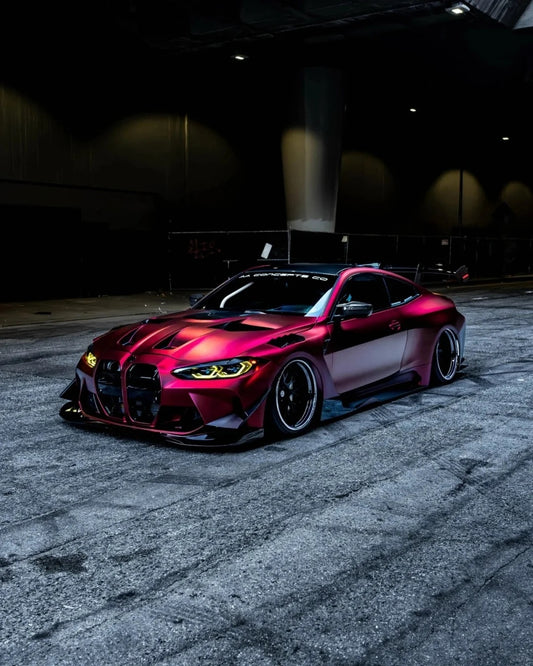
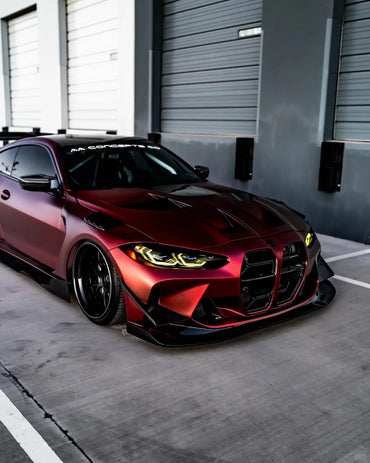
You want to explore styles beyond standard black weave — like forged carbon red, glitter finishes, or metallic combinations
Explore Sailifilm's Full Wrap Range
Carbon fiber is one dimension of what modern vehicle customization offers. Sailifilm's full collection covers every aesthetic direction: rainbow laser vinyl for color-shifting drama, ultra matte finishes for stealth builds, crystal series wraps for translucent depth, and metallic vinyl wraps for mirror-like presence. Not sure where to start? Order a sample kit to evaluate textures and finishes before committing to a full roll.
Final Verdict
Real carbon fiber and carbon fiber vinyl wrap are not competing products — they serve fundamentally different purposes. For performance engineers and track-day drivers, genuine composite parts deliver structural and weight benefits that vinyl cannot replicate. For the vast majority of car owners who want a high-performance visual identity, paint protection, installation flexibility, and cost-efficient customization, a quality 3D carbon fiber wrap from Sailifilm delivers everything the real material does aesthetically — and adds functionality that real carbon fiber parts cannot match.
Browse Sailifilm's best-selling wraps to find the finish that suits your build, or check the DIY installation guide to prepare for your first wrap project with confidence.

