





What Does PPF Thickness Actually Mean?
Paint protection film thickness is measured in mils, where one mil equals one-thousandth of an inch (0.001 inches). A 7.5 mil film measures 0.0075 inches thick, while an 8.5 mil film measures 0.0085 inches. Those numbers sound nearly identical on paper, but the additional material in a thicker film creates measurable differences in how the thermoplastic polyurethane (TPU) absorbs and distributes impact energy across its surface. Premium automotive PPF typically ranges from 6.5 to 9.5 mils, and the thickness you select directly influences three core performance areas: impact absorption against road debris, the depth of scratches the self-healing topcoat can repair, and how easily the film conforms to complex vehicle curves during installation.
Understanding this measurement is especially important in 2026 because the market now offers TPU films engineered to outperform thicker PVC or TPH alternatives at lower thicknesses. Material quality and topcoat engineering matter as much as raw mil count. A well-constructed 8.5 mil TPU film delivers superior protection compared to a budget 10 mil film made from inferior polymers.
7.5 Mil vs 8.5 Mil PPF: A Side-by-Side Breakdown
Sailifilm offers both 7.5 mil and 8.5 mil TPU paint protection films in gloss and matte finishes. Each thickness serves a distinct purpose, and the best choice depends on where you plan to apply the film and what hazards your vehicle encounters daily.
|
Feature |
7.5 Mil PPF |
8.5 Mil PPF |
|
Best Application |
Full-body coverage on daily drivers |
Front-end panels, high-impact zones |
|
Rock Chip Resistance |
Reliable against standard road debris |
Superior absorption of high-velocity impacts |
|
Installation Flexibility |
Excellent conformability on complex curves |
Slightly stiffer; ideal for flatter panels |
|
Self-Healing |
Heat-activated repair of light scratches |
Heat-activated repair of deeper scratches |
|
Ideal Vehicle Type |
Sedans, daily commuters, urban drivers |
Luxury, sports cars, highway/gravel drivers |
|
Estimated Lifespan |
5–10 years with proper care |
5–10 years with proper care |
When 7.5 Mil PPF Is the Right Choice
The 7.5 mil thickness represents the most popular category for full vehicle coverage applications. This measurement provides strong protection while maintaining excellent flexibility during installation. Professional installers frequently prefer 7.5 mil film for complete wraps because the material conforms smoothly to recessed panels, tight body lines, mirrors, bumper edges, and wheel arches without excessive stress on the adhesive layer.
Daily drivers benefit significantly from this thickness. Urban environments with paved roads and moderate speeds rarely produce the high-velocity debris that demands thicker film. A 7.5 mil clear PPF with gloss finish preserves factory paint appearance with crystal-clear optical properties while defending against small stones, sand, bug impacts, and minor road debris. The self-healing topcoat repairs light scratches and swirl marks when exposed to sunlight or warm water, maintaining a pristine look between detailing sessions.
Cost efficiency is another advantage. Because 7.5 mil film uses slightly less material per roll, owners wrapping an entire vehicle can reduce their total investment without sacrificing the fundamental protective benefits of TPU technology. For owners planning to combine PPF with a ceramic coating applied over the film surface, the thinner profile creates an exceptionally smooth base that enhances hydrophobic performance.
When 8.5 Mil PPF Delivers Better Value
The 8.5 mil thickness excels on front-facing surfaces that encounter the most punishment. Hoods, front bumpers, fenders, and rocker panels benefit enormously from the extra protection layer. Vehicles regularly driven at highway speeds or on gravel roads experience constant bombardment from kicked-up stones, and the additional material in 8.5 mil film absorbs sharp impacts that thinner films might not fully stop.
Luxury vehicles, exotic sports cars, and collector automobiles often warrant 8.5 mil coverage regardless of driving conditions. The higher value of these vehicles justifies maximum protection investment, and a single rock chip repair on a premium paint finish can exceed the cost difference between the two thickness options across an entire full-body installation. Owners of Tesla vehicles, which are known for thinner factory paint measuring approximately 3 to 4 mils compared to the 5 to 7 mils typical of German luxury brands, should strongly consider 8.5 mil PPF on all forward-facing panels.
The 8.5 mil option also performs exceptionally well in matte finishes. A matte PPF at this thickness converts a glossy factory finish into a sophisticated satin appearance while simultaneously providing maximum impact defense. The non-reflective surface diffuses light, which helps conceal existing minor imperfections in the underlying paint that might show clearly under a gloss film.
Colored PPF: Protection and Style in One Layer
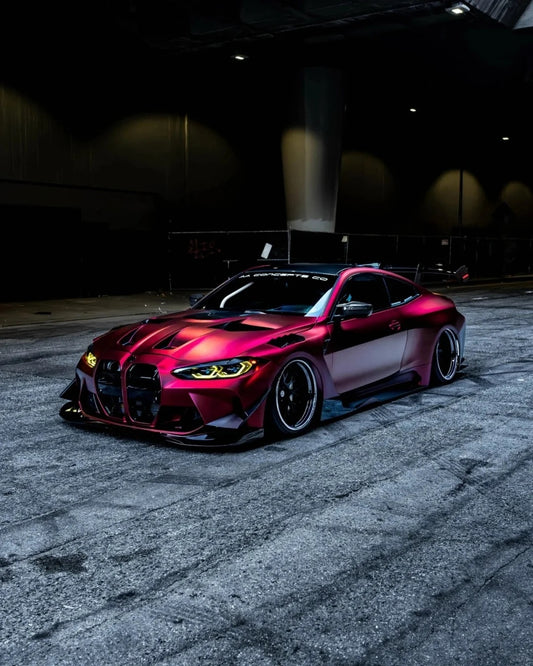
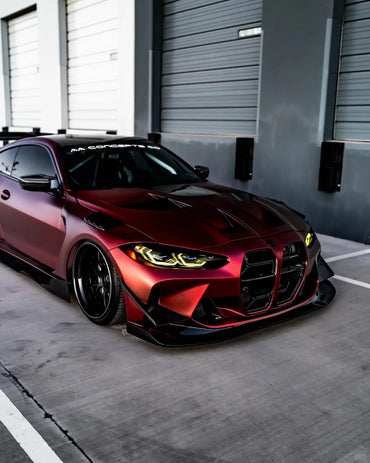
One of the most significant developments in paint protection technology is colored paint protection film. These films integrate pigments directly into the TPU layers, combining full self-healing PPF-grade protection with a complete vehicle color transformation. Instead of choosing between a decorative vinyl wrap and a protective clear film, colored PPF delivers both benefits simultaneously.
Sailifilm’s colored TPU collection features premium options including Crystal Sky Blue, Ferrari Red, Blood Red, Arctic Grey, Light Pink, Crystal Orange, and Piano Black variants. Each color option maintains the same thermoplastic polyurethane construction, self-healing topcoat, and impact resistance as the clear films. This technology is growing rapidly in 2026 because it eliminates the need to purchase and install two separate products. For vehicle owners who want to change their car’s color while adding genuine paint protection, colored PPF represents the most efficient path available today. Learn more about how paint protection film technology evolved from military applications to the advanced automotive products available now.
Vinyl Wrap Alternatives for Aesthetic Customization
Not every vehicle modification project requires the heavy-duty impact protection of TPU paint protection film. Sailifilm offers a comprehensive catalog of vinyl wrap finishes designed for visual transformation at a more accessible price point. These wraps prioritize striking aesthetics and are ideal for show cars, content creators, and owners who want maximum visual impact.
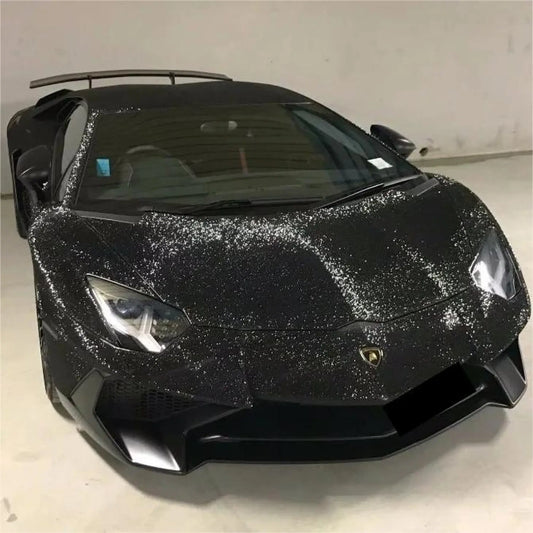
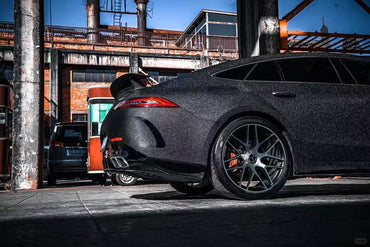
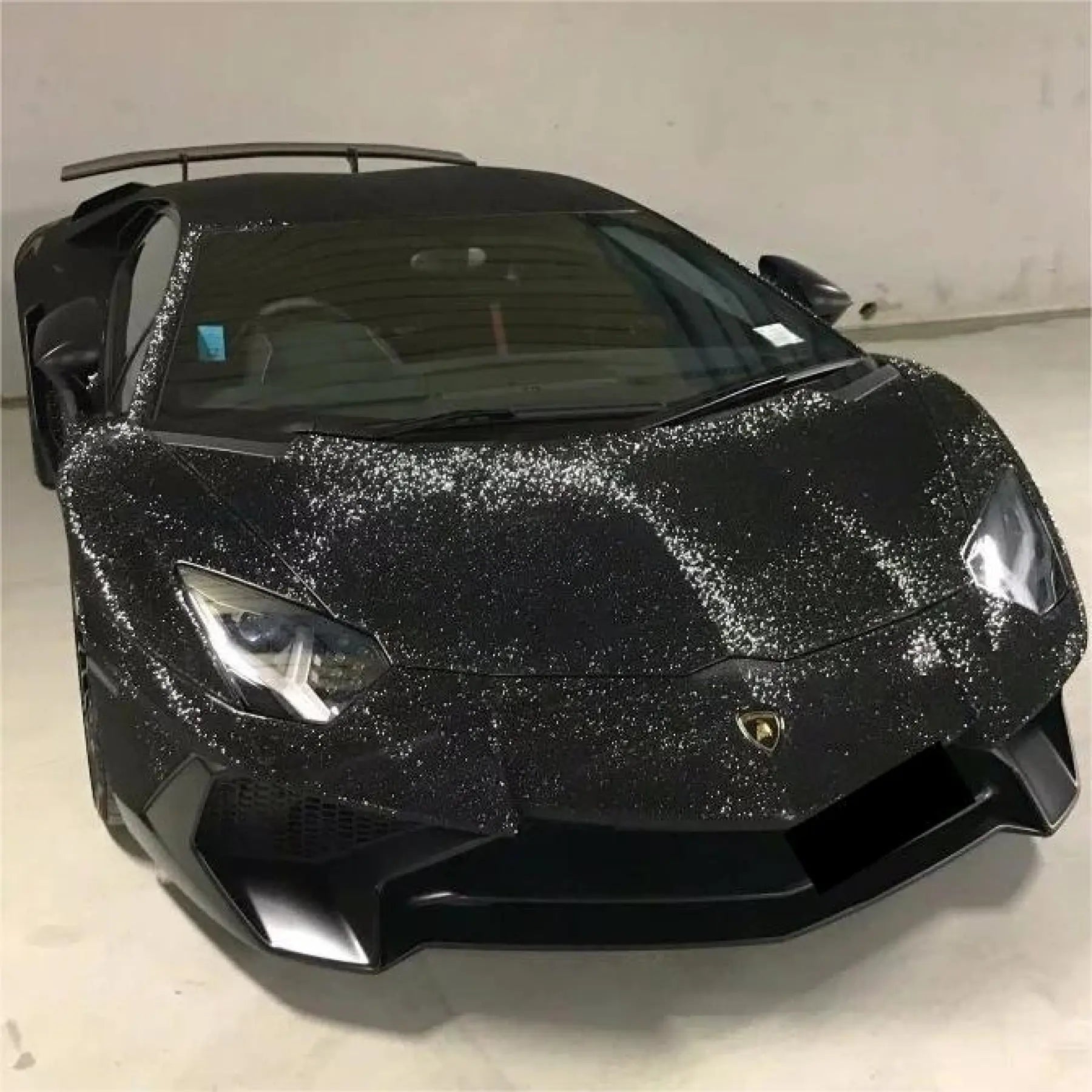
Rainbow laser vinyl wrap produces eye-catching holographic color shifts under direct sunlight. Liquid chrome wrap delivers a mirror-like metallic surface that rivals actual chrome plating. Crystal vinyl wrap offers deep, jewel-toned finishes with exceptional depth of color. For motorsport-inspired builds, 3D carbon fiber wrap adds aggressive textured accents to hoods, roofs, and mirror caps. Other popular categories include ultra matte wrap for stealth aesthetics, metallic vinyl wrap for luxurious color depth, dual color dream vinyl wrap for color-shifting effects, and glitter sparkle car wrap for standout finishes that command attention at every car meet.
Many enthusiasts combine these decorative vinyl options with transparent TPU paint protection on high-impact zones. Applying PPF to the front bumper, hood, and fenders while using a car vinyl wrap on side panels and the roof creates a layered strategy that addresses both protection and customization goals. This combination approach has become one of the most popular vehicle modification strategies in 2026.
How Self-Healing Technology Works Across Thicknesses
Both 7.5 mil and 8.5 mil TPU films from Sailifilm incorporate self-healing topcoat technology. The thermoplastic polyurethane molecular structure responds to heat exposure, typically from direct sunlight or warm water above approximately 140°F, causing the polymer chains to relax and flow back into their original smooth configuration. Light scratches, swirl marks, and surface scuffs gradually disappear without any manual intervention.
Thicker films can heal slightly deeper surface damage because the additional TPU material provides a greater volume of polymer available for the recovery process. Premium formulations achieve visible self-healing within 24 to 72 hours depending on ambient temperature and the severity of the scratch. This self-repairing capability is a defining advantage of TPU technology over standard PVC vinyl wraps, which remain permanently marked once damaged. For a deeper understanding of TPU materials in automotive applications, the Society of Automotive Engineers (SAE) publishes research on polymer impact testing relevant to paint protection films.
How to Choose the Right PPF Thickness for Your Vehicle
Selecting the optimal PPF thickness requires evaluating your specific driving patterns, vehicle value, and geographic conditions. Highway commuters traveling 15,000 or more miles per year encounter significantly more debris than city-only drivers, making 8.5 mil the stronger investment for front-end coverage. Owners in regions with gravel roads, construction zones, or harsh winter conditions where road surfaces are treated with sand and salt should also prioritize thicker film on vulnerable panels.
For full-body coverage on sedans and daily commuters, 7.5 mil provides the ideal balance of protection, flexibility, and cost efficiency. Many owners opt for a hybrid approach: 8.5 mil on the hood, front bumper, and fenders where impact risk is highest, and 7.5 mil on side panels, doors, and the rear where hazards are less severe. This strategy maximizes protection where it matters most while keeping the total project cost manageable.
Before committing to a full installation, Sailifilm offers sample kits that allow you to evaluate film quality, optical clarity, and handling characteristics in person. Testing both thicknesses side by side on a small panel helps you feel the difference in flexibility and stiffness before making a final decision. Professional wrapping tools are also available for DIY installers who want precise, bubble-free results.
Maintaining Your PPF Investment
Proper care extends the service life and appearance of any TPU paint protection film regardless of thickness. Wash the vehicle regularly using pH-neutral automotive soap and avoid petroleum-based solvents, acetone, or abrasive compounds that can degrade the film surface. Remove contaminants such as bird droppings, tree sap, and bug splatter promptly to prevent potential staining or etching.
Combining PPF with a ceramic coating applied over the film surface enhances hydrophobic properties, making water, dirt, and road grime sheet off more efficiently. This combination is widely regarded as the gold standard for vehicle protection in 2026 because the PPF handles physical impact defense while the ceramic layer simplifies ongoing maintenance and improves gloss retention. For detailed maintenance guidance, automotive care resources from Consumer Reports provide reliable, brand-neutral advice on keeping your vehicle looking its best.
Making Your Decision
PPF thickness is a practical decision, not a marketing gimmick. The 7.5 mil option excels for full-body coverage on daily drivers, providing reliable protection with excellent installation characteristics and cost efficiency. The 8.5 mil option delivers maximum defense for high-impact applications where superior rock chip resistance justifies the modest premium. Both thicknesses benefit from self-healing technology, UV resistance, and hydrophobic topcoats that maintain vehicle appearance for years.
Explore the complete TPU Paint Protection Wrap collection to compare gloss and matte options at both thickness levels, or browse Best Sellers to discover films proven by thousands of successful installations worldwide. Whether you choose 7.5 mil for comprehensive coverage or 8.5 mil for targeted front-end armor, investing in premium TPU paint protection film remains one of the smartest decisions any car owner can make in 2026.

