



Why Pressure Washing Poses a Risk to Vinyl Wraps
A standard consumer pressure washer generates between 1,300 and 3,000 PSI of water pressure. Commercial units can exceed 4,000 PSI. To put this in perspective, a vinyl wrap is a thin polymeric film held to your vehicle by a pressure-sensitive adhesive layer. That adhesive is engineered to resist shear forces from wind, thermal cycling, and minor impacts, but it is not designed to withstand a concentrated jet of high-pressure water directed at close range. When a narrow-angle spray hits a wrap edge or seam at full pressure, it can peel back the vinyl in a fraction of a second, forcing water underneath the film where it weakens the adhesive bond across a much larger area than the initial point of contact.
Beyond edge lifting, excessive pressure strips the protective topcoat that shields vinyl from UV degradation and chemical contamination. Each pass of an overpowered spray erodes this barrier incrementally, leaving the underlying pigment layer exposed to accelerated fading and environmental damage. The adhesive layer itself can also be compromised by water temperature. Commercial pressure washers often heat water to improve cleaning effectiveness, but temperatures above 140°F soften the adhesive and reduce its bonding strength. This combination of mechanical force and thermal stress is why improperly pressure-washed wraps commonly develop bubbling, wrinkling, and delamination within weeks of the washing event. The Wikipedia article on pressure washing explains how PSI and flow rate interact to generate cleaning force, which directly relates to the risk threshold for vinyl films.
Safe Pressure Washing Parameters for Vinyl Wraps
If you must use a pressure washer on a wrapped vehicle, every parameter must be controlled within strict safety limits. Exceeding any single limit can cause damage, and multiple parameters outside safe range simultaneously will almost certainly result in edge lifting, surface abrasion, or adhesive failure.
|
Parameter |
Safe Range |
Danger Zone |
|
Water Pressure (PSI) |
Below 1,200 PSI (ideal: 800–1,000) |
Above 2,000 PSI causes edge lifting |
|
Nozzle Distance |
Minimum 12 inches; ideal 3–5 feet |
Under 6 inches lifts and strips vinyl |
|
Spray Angle (tip) |
40-degree wide fan (white tip) |
0-degree or 15-degree tips destroy wraps |
|
Water Temperature |
Cool to warm; below 140°F (60°C) |
Above 180°F softens adhesive bonds |
|
Spray Direction |
Perpendicular to panel; never at edges |
Angled into seams forces water underneath |
|
Duration per Spot |
Keep moving; never hold on one area |
Stationary spray concentrates force |
|
Edge Avoidance Zone |
Stay 6+ inches from all wrap edges |
Direct edge spray causes immediate peeling |
Step-by-Step: How to Pressure Wash a Wrapped Car Safely
Begin by selecting the correct nozzle tip. A 40-degree white fan tip is the only appropriate choice for vinyl-wrapped vehicles. The 25-degree green tip is acceptable at maximum distance but carries higher risk. Never attach a 15-degree yellow tip or a zero-degree red tip to a pressure washer when cleaning a wrapped vehicle. These concentrated jets deliver enough force to slice through vinyl film in a single pass.
Before activating the pressure washer, perform a visual inspection of the entire wrap. Look for any existing edge lifting, bubbles, scratches, or seam gaps. These vulnerable areas must be avoided entirely during pressure washing, as pressurized water will exploit any existing weakness and expand the damage rapidly. If you discover damage during inspection, address it with a professional installer before washing.
Start the wash from the roof and work downward, maintaining a minimum distance of three feet between the nozzle and the vehicle surface. Move the spray continuously across the panel in smooth, sweeping motions. Never hold the stream stationary on any single point. Reduce distance only on lower panels where road grime is heaviest, but never closer than twelve inches. Keep the spray perpendicular to the panel surface and avoid angling the stream toward any wrap edge, seam, or corner. After removing loose dirt and debris with the pressure rinse, switch to a foam cannon or hand-wash bucket to clean the remaining surface contamination. A full pressure-wash-only approach without follow-up hand washing leaves soap residue and fine contaminants that dull the finish over time.
Why Hand Washing Remains the Gold Standard
Despite the convenience of a pressure washer, hand washing with a pH-neutral car shampoo and a soft microfiber mitt delivers superior results with zero risk to the wrap. The two-bucket method is the professional standard: one bucket holds clean soapy water while the second serves as a rinse bucket to flush contaminants from the mitt between passes. This technique prevents trapped dirt particles from being dragged across the wrap surface, which is the primary cause of micro-scratches and swirl marks.
Begin by rinsing the vehicle with a standard garden hose to dislodge loose dirt. Apply soapy water from top to bottom, washing in straight-line motions rather than circular patterns. Rinse each section before moving to the next to prevent soap from drying on the surface. After the final rinse, dry the vehicle completely with clean, lint-free microfiber towels. Air drying is not recommended because mineral deposits in water create spots that are particularly visible on matte and dark finishes. For regular maintenance on any Sailifilm wrap, this gentle hand-wash approach will preserve color vibrancy, adhesive integrity, and surface protection far more effectively than pressure washing ever can.
Pressure Washing Rules by Wrap Finish Type
Ultra Matte and Satin Wraps
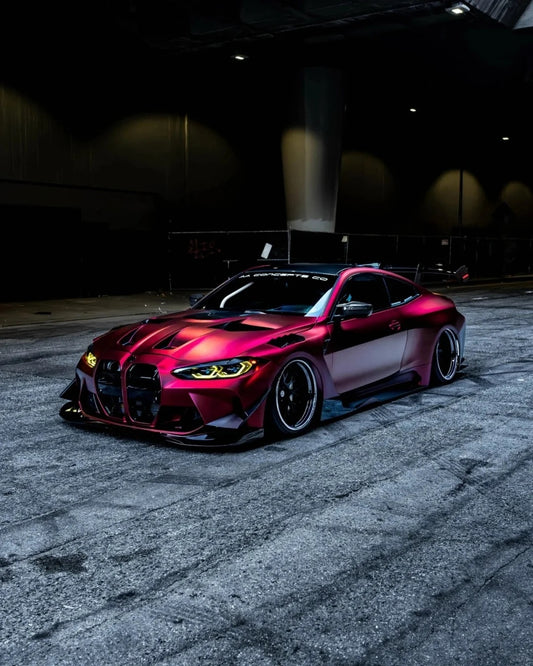
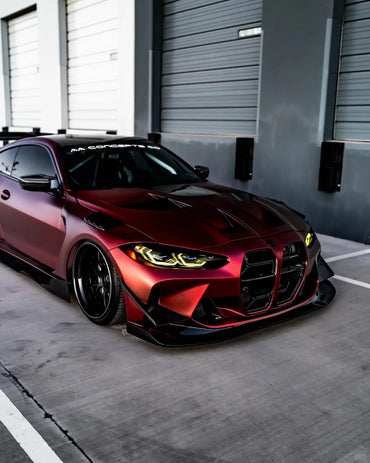
Matte finishes from the Sailifilm ultra matte wrap collection are the most vulnerable to pressure washing damage. The micro-textured surface that creates the flat, non-reflective appearance is extremely sensitive to concentrated water jets. High-pressure spray can smooth out the texture in localized areas, creating permanent shiny patches that destroy the uniform matte look. If you must use a pressure washer on a matte wrap, reduce PSI to 800 or below and increase distance to at least four feet. After rinsing, use only matte-specific detailers for the hand-wash step. Traditional wax, polish, and gloss-enhancing products will ruin matte finishes permanently.
Gloss, Crystal, and Metallic Wraps
Gloss and metallic finishes are more forgiving under pressure washing because their smooth, reflective surfaces disperse water energy more evenly than textured films. The Sailifilm crystal vinyl wrap and metallic vinyl wrap collections can tolerate PSI up to 1,200 with the standard 40-degree tip at a twelve-inch minimum distance. However, these finishes show swirl marks more visibly than matte surfaces, so the follow-up hand-wash step must use clean, contaminant-free mitts and straight-line motions. After washing, a wrap-safe ceramic spray sealant adds a hydrophobic layer that repels water and reduces the need for frequent pressure washing in the future.
Chrome, Rainbow Laser, and Color-Shift Wraps
Specialty finishes require the most conservative pressure washing approach. The mirror-like surface of the Sailifilm liquid chrome wrap shows every imperfection immediately, and the multi-layer optical construction of the rainbow laser vinyl wrap and dual color dream vinyl wrap collections can be compromised if pressure strips the protective topcoat that governs their light-refracting properties. For these premium finishes, hand washing is strongly preferred over any pressure washing. If a pressure rinse is necessary, keep PSI at 800 maximum, maintain four-plus feet of distance, and limit the pressure rinse to dislodging loose debris only. All actual cleaning should be done by hand with appropriate wrap-safe products.
3D Carbon Fiber and Glitter Sparkle Wraps
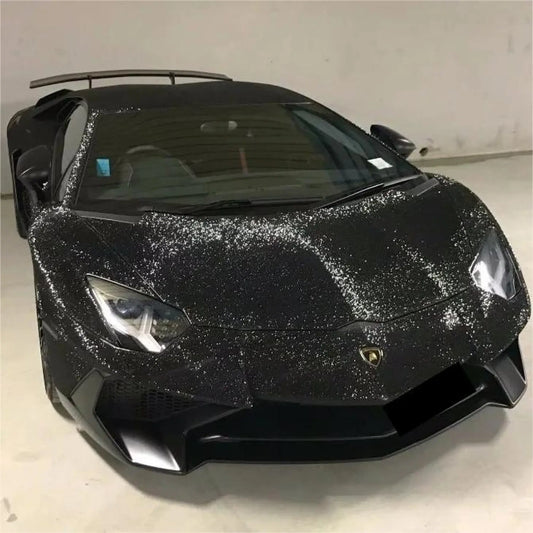
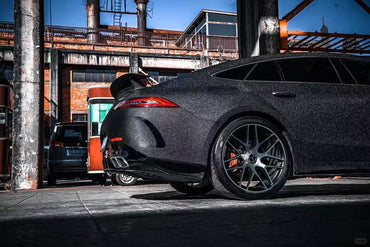
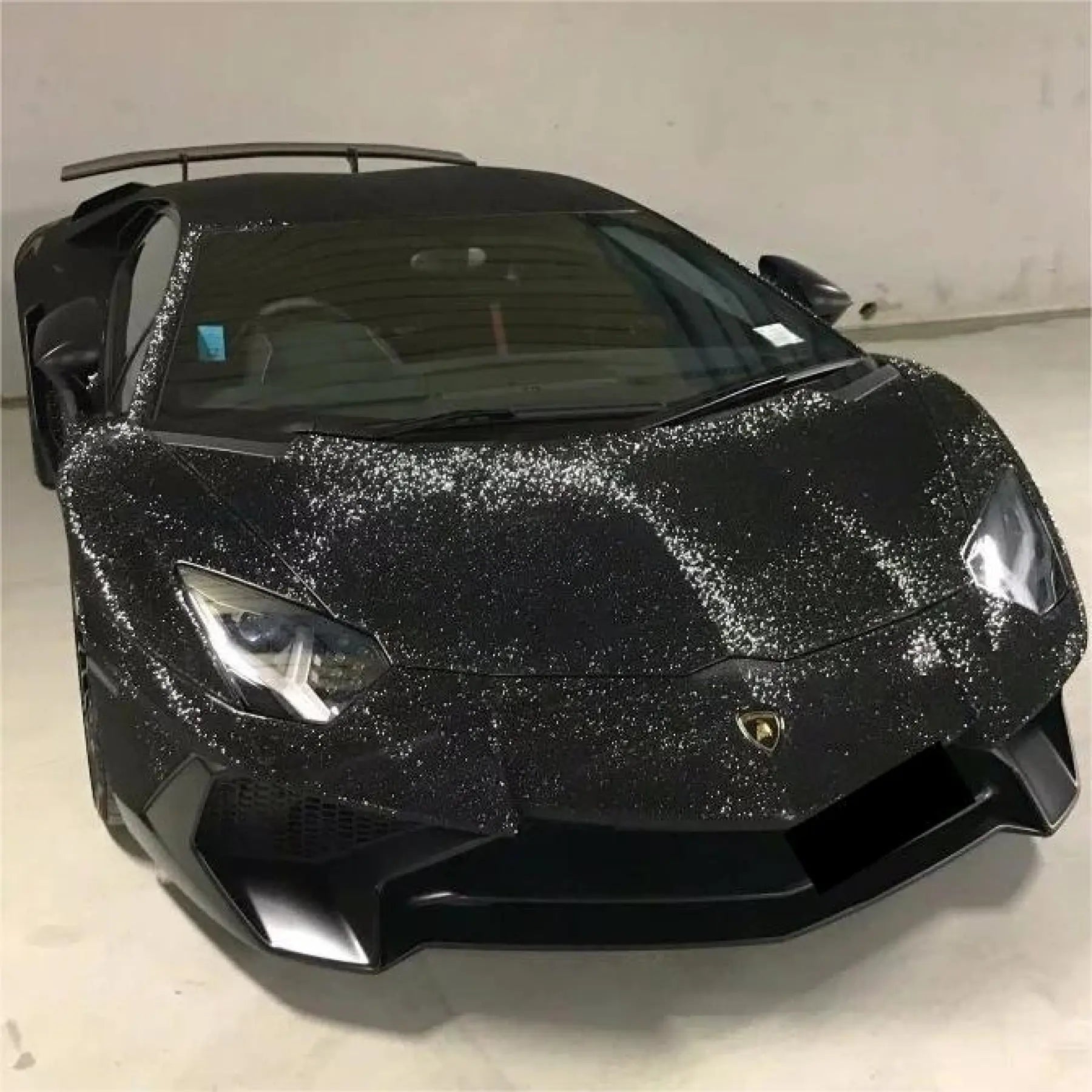
Textured wraps such as the Sailifilm 3D carbon fiber wrap present a unique pressure washing challenge. The raised weave pattern traps dirt in its grooves, making pressure rinsing an appealing shortcut. However, high-pressure water directed into the textured valleys can stress the film along the raised ridges, potentially causing micro-tears over time. A moderate-pressure rinse at 1,000 PSI followed by gentle brushless agitation with a soft detailing brush produces far better results than aggressive pressure washing alone. The glitter sparkle car wrap collection contains embedded diamond-flake particles that are durable but can be dulled by abrasive water force. Keep pressure below 1,000 PSI and follow with a hand wash to preserve full sparkle intensity.
Pressure Washing TPU Paint Protection Film vs Standard Vinyl
TPU-based films handle pressure washing significantly better than standard PVC vinyl wraps. The Sailifilm TPU paint protection wrap and colored paint protection film collections are constructed from thermoplastic polyurethane, which is inherently more flexible, impact-resistant, and adhesive-stable than PVC vinyl. TPU films tolerate higher water pressure without edge lifting because the material stretches rather than peels when subjected to force. Additionally, the self-healing surface technology in TPU films allows minor surface abrasion from pressure washing to repair itself when the film is exposed to ambient heat or warm water. This makes TPU a superior choice for vehicle owners who rely on pressure washing as their primary cleaning method. That said, the same safe-distance and edge-avoidance rules still apply. The Wikipedia overview of paint protection film explains how polyurethane construction differs from PVC vinyl at a material level.
Automatic Car Washes: Why They Are Worse Than Pressure Washing
If pressure washing carries moderate risk, automatic car washes with spinning brushes and cloth strips carry extreme risk. These systems use stiff bristles that catch wrap edges, create scratches across the entire surface, and apply uneven force that can peel vinyl at seams and corners. Even a single pass through a brush-style car wash can cause damage that requires professional repair or panel replacement. Touchless automatic washes are a safer alternative, but their chemical concentrations are formulated for automotive clearcoat, not vinyl, and may strip protective coatings or discolor certain finishes.
The safest automated option for a wrapped vehicle is a self-service wash bay where you control the wand pressure and products manually. Treat a self-service bay exactly like a home pressure washer: use the lowest pressure setting, maintain maximum distance, avoid edges and seams, and follow up with a hand wash for the final cleaning pass. For guidance on the full range of proper wrap care techniques, the Specialty Equipment Market Association (SEMA) publishes professional standards for vinyl film maintenance that align with manufacturer recommendations.
Post-Wash Protection: Sealants, Coatings, and Drying
Thorough drying after any wash is critical for every wrap finish. Water left on the surface evaporates and leaves mineral deposits that etch into heated vinyl, creating permanent spots. Use clean microfiber towels and pat-dry technique rather than dragging the towel across the surface. After drying, applying a wrap-safe ceramic spray sealant adds a hydrophobic layer that causes water to bead and sheet off the surface, reducing contaminant adhesion and making future washes faster and easier. This protective layer also adds UV resistance that slows color fading between ceramic coating reapplications.
For vehicle owners exploring their first wrap or considering a finish change, Sailifilm offers sample kits that let you evaluate materials in person before committing to a full installation. Testing a sample panel with your preferred cleaning method gives realistic insight into how the finish responds to your maintenance routine. The complete wrapping tools collection also includes squeegees, heat guns, and cutting tools for ongoing edge re-sealing and minor repair work that prevents the small vulnerabilities pressure washing can exploit. Browse the full Sailifilm best sellers to find the wrap that matches both your style and your maintenance preferences.

