



The Science Behind Vinyl Wrap Color Fading
Color fading in vinyl wraps is a chemical process called photodegradation. When ultraviolet radiation from the sun strikes the surface of a vinyl film, it delivers enough energy to break the molecular bonds within the pigment particles embedded in the material. As these bonds fracture, the pigments lose their ability to absorb and reflect specific wavelengths of visible light, which is what produces the color you see. The result is a gradual shift toward duller, washed-out tones that progressively worsen with continued exposure.
This degradation does not happen uniformly across a vehicle. Horizontal panels such as the hood, roof, and trunk lid receive direct overhead sunlight for the greatest number of hours each day, making them the first areas to show visible color loss. Vertical panels like doors and fenders receive angled light and experience significantly less UV intensity. This uneven exposure pattern creates the mismatched appearance that many wrap owners notice after two or three years of outdoor parking. For a deeper understanding of how ultraviolet wavelengths interact with polymer materials, the Wikipedia article on photodegradation explains the molecular mechanisms that drive this process in plastics and vinyl films.
Which Car Wrap Colors Fade Fastest and Which Last Longest
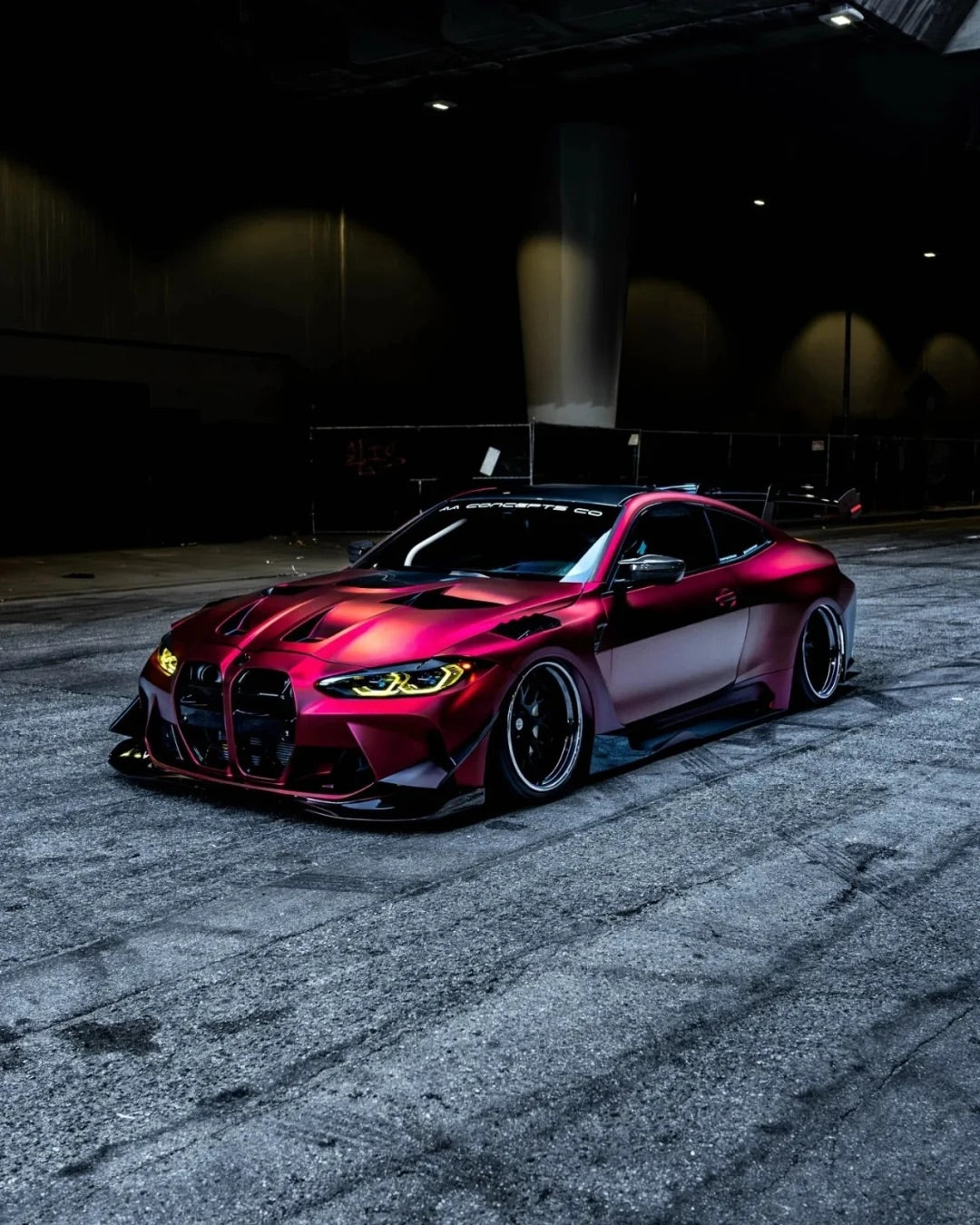
Not all pigments are created equal when it comes to UV resistance. The organic pigments used to produce bright reds, vibrant oranges, and saturated yellows are among the most susceptible to photodegradation. These warm-spectrum colors rely on molecular structures that are inherently less stable under UV bombardment, which is why a vivid red wrap can begin looking noticeably dull within eighteen to twenty-four months of heavy sun exposure. Fluorescent and neon shades fade even faster, sometimes showing visible color loss within a single summer season.
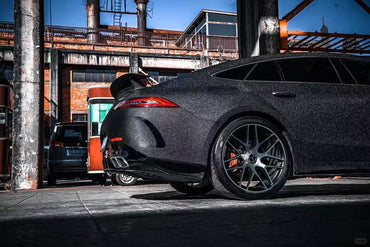
On the opposite end of the spectrum, colors built from inorganic pigments demonstrate dramatically better fade resistance. Neutral tones such as black, white, grey, and silver use pigment chemistry that is far more resistant to UV-driven bond breakage. A quality matte black or gunmetal grey wrap can maintain its depth and richness for five to seven years under the same conditions that would visibly degrade a bright red in half that time. Deep blues and forest greens occupy a middle ground, offering solid longevity when paired with UV-stabilized vinyl formulations.
Color Fade Resistance Guide by Wrap Category
|
Color Category |
Fade Resistance |
Expected Vibrancy |
Sailifilm Collection |
|
Black, White, Silver |
Excellent |
5–7+ years |
Ultra Matte, Crystal, Metallic |
|
Grey, Gunmetal, Charcoal |
Excellent |
5–7 years |
Ultra Matte, Metallic |
|
Deep Blue, Navy |
Very Good |
4–6 years |
Crystal, Liquid Chrome |
|
Forest Green, Olive |
Very Good |
4–6 years |
Dual Color Dream, Metallic |
|
Deep Purple, Burgundy |
Good |
3–5 years |
Rainbow Laser, Dual Color Dream |
|
Bright Red, Orange |
Moderate |
2–4 years |
Crystal, Glitter Sparkle |
|
Yellow, Lime Green |
Lower |
2–3 years |
Metallic, Glitter Sparkle |
|
Neon, Fluorescent |
Lowest |
1–2 years |
N/A – not recommended for outdoor |
|
Color-Shift, Iridescent |
Good (multi-layer) |
3–5 years |
Rainbow Laser, Dual Color Dream |
|
Chrome, Mirror |
Moderate |
2–4 years |
Liquid Chrome |
*Vibrancy timelines assume premium vinyl, professional installation, and moderate sun exposure with basic care.
How Heat Accelerates Color Degradation Beyond UV Alone
Ultraviolet radiation gets most of the blame for fading, but thermal energy is an equally destructive force that amplifies UV damage. Dark-colored wraps absorb significantly more solar radiation than light-colored films, pushing surface temperatures on a parked vehicle above 150°F on hot days. At these temperatures, the vinyl polymer matrix softens, allowing UV radiation to penetrate deeper into the film and attack pigment layers that are normally shielded by the surface structure. This thermal-UV combination effect is why a dark red wrap in Phoenix will fade noticeably faster than the same film in Seattle, even if both vehicles log similar total sun hours.
Repeated thermal cycling between daytime heat and nighttime cooling also stresses the adhesive layer beneath the vinyl. As the film expands and contracts through daily temperature swings, micro-gaps can form at panel edges and seams. These gaps allow moisture and airborne contaminants to infiltrate underneath the wrap, accelerating degradation from below while UV attacks from above. The Sailifilm TPU paint protection wrap collection addresses this vulnerability with thermoplastic polyurethane construction that maintains flexibility across a wider temperature range than standard PVC-based vinyl, reducing the risk of thermal stress cracking and edge failure in extreme climates.
Proven UV Prevention Strategies for Every Climate
Strategic Parking and Physical Barriers
Consistent shade parking is the single most impactful habit for preventing color fade. Every hour your vehicle spends out of direct sunlight extends the effective color life of the wrap. Covered garages, carports, and commercial parking structures should always be the first choice. When shade is unavailable, using the sun’s arc to park on the north or east side of buildings during afternoon peak hours reduces UV exposure on horizontal surfaces by a meaningful margin. For vehicles parked outdoors regularly, a breathable UV-resistant car cover provides a physical barrier that blocks ultraviolet radiation while allowing moisture to escape, preventing the condensation issues that sealed covers can create.
Ceramic Coatings and UV-Blocking Sealants
Applying a ceramic coating formulated for vinyl wraps creates a transparent, UV-absorbing barrier that sits on top of the film surface. This sacrificial layer intercepts ultraviolet photons before they reach the pigmented vinyl beneath, significantly slowing the photodegradation process. A professionally applied ceramic coating can last two to four years, making it one of the most cost-effective long-term investments for fade prevention. For owners who prefer a lighter-commitment approach, wrap-safe spray sealants applied every four to six weeks provide meaningful UV resistance. The critical requirement is avoiding any product containing petroleum distillates, abrasive particles, or silicone-based wax, as these chemicals interact with vinyl and can cause permanent cloudiness, discoloration, or shiny spots on matte finishes.
Colored Paint Protection Film: The Fade-Proof Alternative
For vehicle owners in extreme sun climates who want color customization without the fade anxiety, the Sailifilm colored paint protection film collection represents a fundamentally different approach. Unlike traditional vinyl wraps where pigments sit at or near the surface, colored PPF encapsulates color within a thick TPU matrix that inherently resists UV penetration. These films also feature self-healing surface technology that repairs minor scratches when exposed to heat, meaning the very environmental conditions that damage standard vinyl actually help TPU films maintain their integrity. The trade-off is higher upfront cost, but the dramatically extended color vibrancy and dual-purpose paint protection make colored PPF the strongest investment for long-term outdoor vehicles.
How Proper Cleaning Prevents Premature Color Loss
Contaminants that accumulate on vinyl surfaces do not just look dirty. They actively accelerate fading. Bird droppings contain uric acid that etches into heated vinyl within hours. Tree sap bonds aggressively to warm film surfaces and traps UV energy against the pigment layer. Road grime and brake dust create a micro-abrasive layer that scratches the protective topcoat with every careless wipe, exposing the underlying pigment to direct UV attack. Pollen carries organic acids that react with vinyl polymers when baked on by sun heat. Each of these contaminants must be removed promptly and with the correct technique to prevent cumulative color damage.
Hand washing with a pH-neutral, wrap-safe car shampoo and a soft microfiber mitt is the only recommended method. Automated car washes with spinning brushes abrade the film surface and catch wrap edges, while their chemical concentrations are calibrated for automotive clearcoat, not vinyl. Wash in the early morning or late evening when panel temperatures are lowest, use the two-bucket method to avoid dragging trapped particles across the surface, and dry completely with a lint-free microfiber towel to prevent mineral deposits. For matte and satin finishes from the Sailifilm ultra matte wrap collection, avoid all traditional wax and polish products entirely. These fill the micro-texture that creates the matte appearance and leave irreversible shiny patches that alter the intended finish.
Fade Behavior by Finish Type: Gloss, Matte, Metallic, and Specialty
Gloss wraps from the Sailifilm crystal vinyl wrap and liquid chrome wrap collections naturally deflect a portion of incoming UV energy because their smooth, reflective surfaces bounce light rather than absorbing it. This reflective quality provides a modest built-in advantage against fading compared to non-reflective finishes. However, gloss surfaces show swirl marks more visibly when washed improperly, and these micro-scratches compromise the protective top layer, creating entry points for UV degradation.
Matte and satin finishes absorb more light energy by design, which increases their thermal load and makes them slightly more susceptible to UV-driven fade over time. The micro-textured surface of matte films also traps contaminants in tiny surface valleys, meaning dirt particles have more contact area to cause damage. This is why matte wraps demand the most disciplined cleaning routine. Metallic vinyl wrap finishes occupy an interesting middle position. The metallic flake particles embedded in the film add depth and dimension while also reflecting a percentage of UV radiation, providing both visual impact and functional fade resistance.
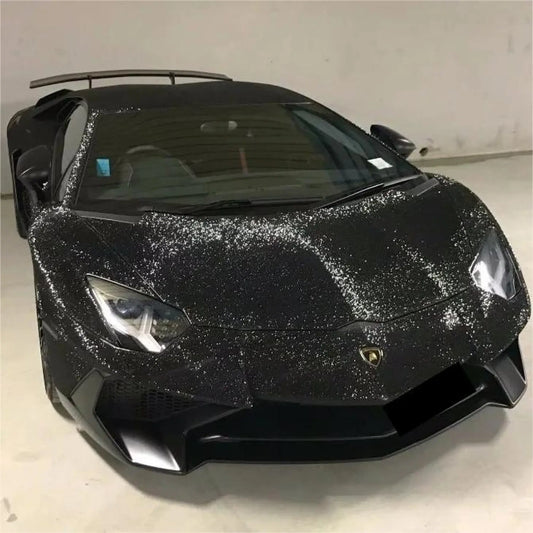
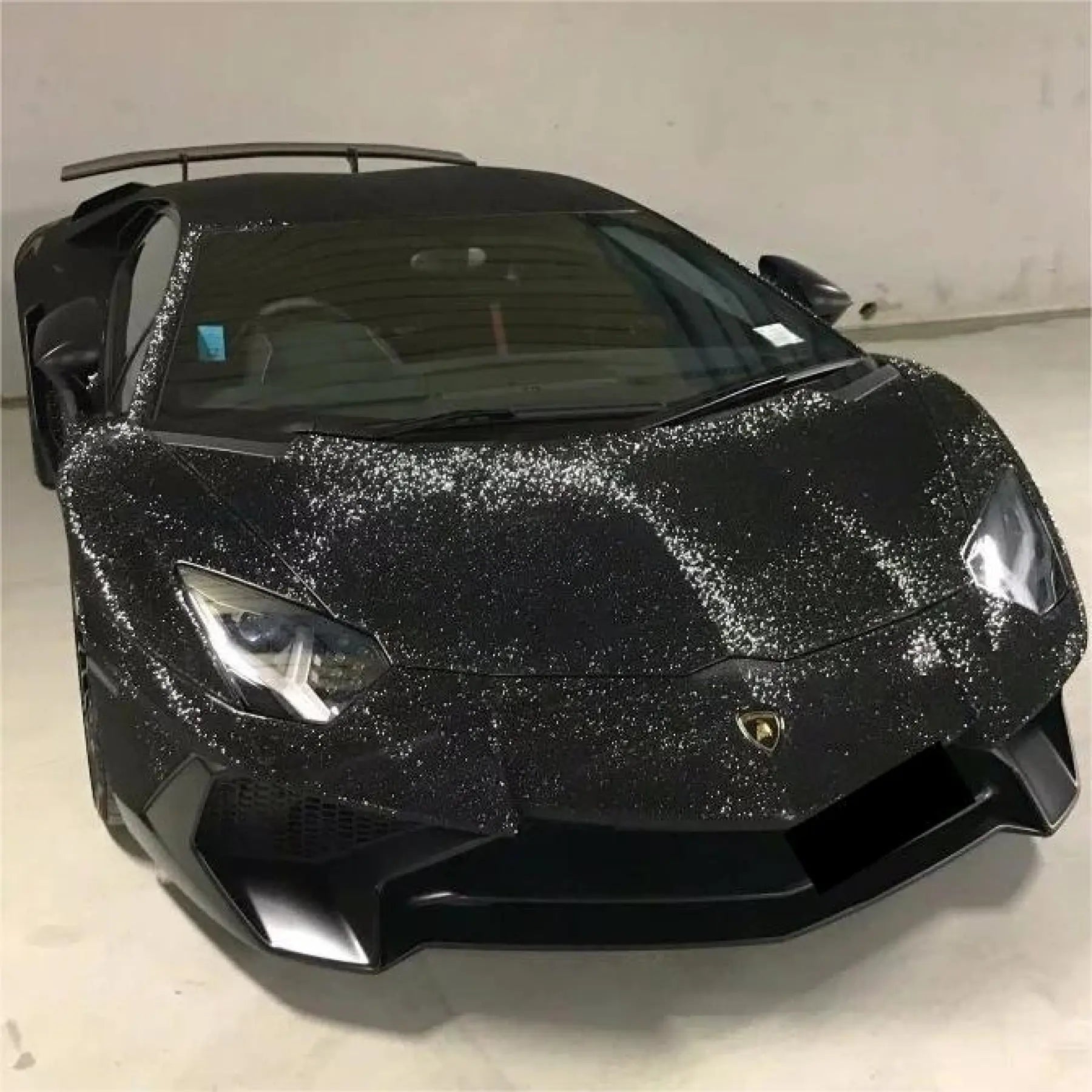
Specialty finishes require the most careful fade management. The rainbow laser vinyl wrap collection achieves its holographic color-shifting effect through precision optical layers that refract light at specific angles. UV degradation of any single layer alters the refraction pattern and diminishes the color-shift effect before the base color itself shows visible fading. Similarly, the dual color dream vinyl wrap features two-tone chameleon effects that depend on intact multi-layer optics. The glitter sparkle car wrap collection contains embedded diamond-flake and pearlescent particles that maintain their sparkle independently of base pigment condition, meaning the glitter effect persists even as the underlying color begins to soften. The Sailifilm 3D carbon fiber wrap resists color fade exceptionally well because its dark base tones use UV-stable inorganic pigments, and the textured weave pattern scatters light across multiple angles rather than concentrating it on any single point.
Early Warning Signs That Your Wrap Is Beginning to Fade
Catching fade early allows you to intervene before the damage becomes irreversible. The first visible sign is usually a subtle difference in color intensity between horizontal and vertical panels. Compare the hood to the door panels under consistent lighting. If the hood appears even slightly more washed out, UV degradation has begun. A second early indicator is the texture of the wrap feeling rougher or more brittle than when it was first installed. This surface change indicates that the protective top layer is breaking down, which means UV radiation is now reaching the pigment layer more directly. Additional warning signs include color appearing slightly different from the original tone, edges beginning to lift or curl at panel seams, and small cracks or crazing patterns visible under close inspection. The Wikipedia overview of vinyl wrapping discusses general lifespan expectations and material properties that affect long-term appearance retention.
Choosing Fade-Resistant Wraps from the Start
The most effective fade prevention strategy begins before installation. Premium cast vinyl with factory-applied UV stabilizers and color-lock pigment technology will always outperform budget calendered films regardless of maintenance practices. When browsing the full Sailifilm best sellers collection, prioritize products that specify UV-stabilized formulations and air-release adhesive systems. If you are undecided on color or finish, the Sailifilm sample kits allow you to evaluate multiple options in person. Testing a sample panel outdoors for a few days provides realistic insight into how the material handles your local sun and heat conditions before committing to a full vehicle wrap.
For installers and DIY enthusiasts, having proper wrapping tools ensures the film is applied without over-stretching, which thins the vinyl and reduces its UV-blocking capacity. Overstretched areas fade visibly faster than properly applied sections because the pigment layer is thinner and the protective top layer is compromised. Professional-grade squeegees, heat guns, and precision cutting tools minimize installation stress on the film, preserving its full engineered fade resistance from day one. According to the Specialty Equipment Market Association (SEMA), proper installation technique ranks second only to material quality as the most important factor in wrap longevity and color retention.

