

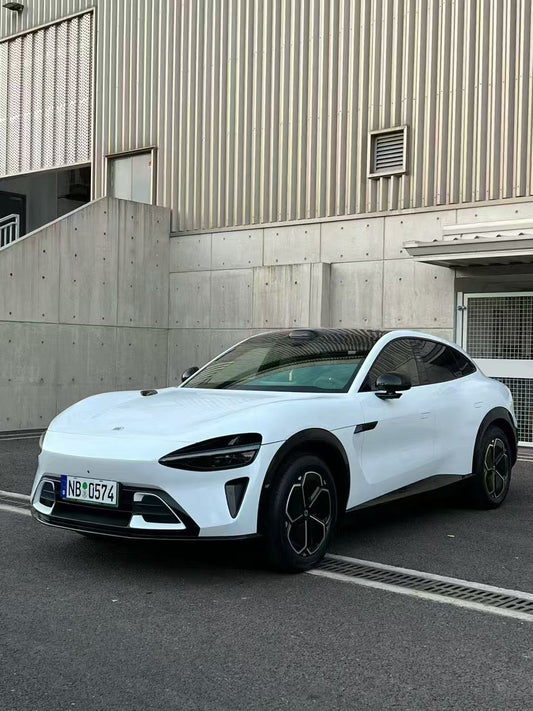
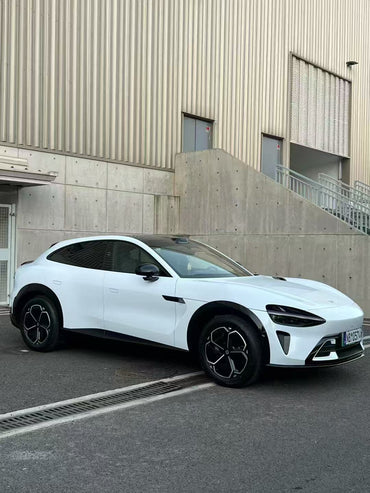
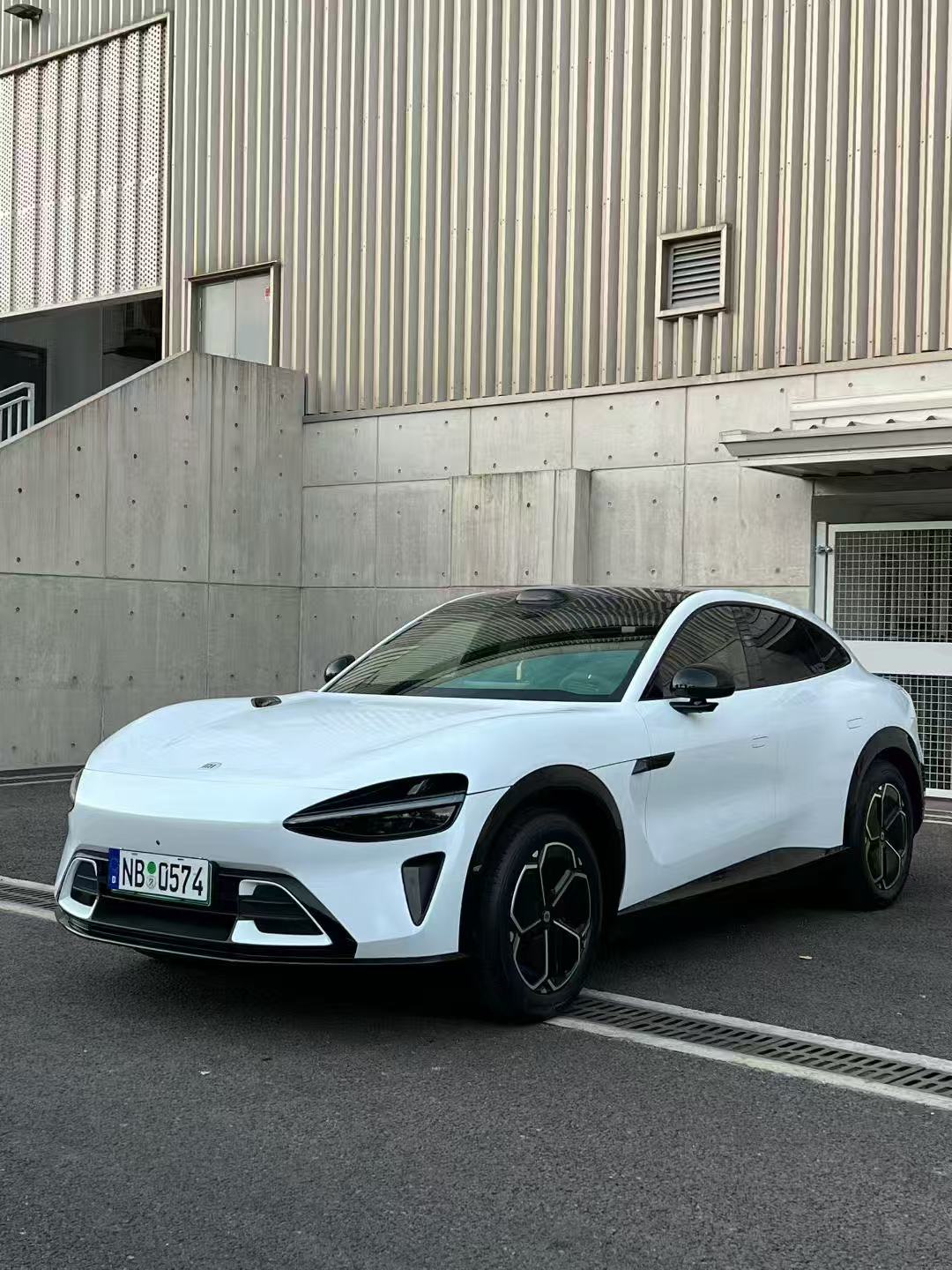


How Summer Heat and UV Rays Damage Vinyl Wraps
Understanding the science behind summer damage is the first step toward prevention. Ultraviolet radiation from the sun breaks down the chemical bonds in vinyl polymers over time, causing colors to fade, surfaces to become brittle, and the protective top layer to deteriorate. This process is called photodegradation, and it affects every color and finish differently. Bright tones like red, orange, and yellow are typically the first to show visible fading, while darker shades absorb more thermal energy and can experience accelerated adhesive softening underneath the film.
Heat compounds the UV problem. When surface temperatures climb above 150°F on a parked vehicle, the adhesive layer beneath the vinyl begins to soften. Repeated heating and cooling cycles cause the film to expand and contract, which can lead to micro-wrinkles, bubble formation, and edge lifting at panel seams. Horizontal surfaces such as the hood, roof, and trunk lid receive the most direct solar exposure and are always the first areas to show wear. The Wikipedia overview of ultraviolet radiation explains how different UV wavelengths penetrate materials at varying depths, which directly relates to how vinyl wraps degrade under sunlight.
Parking Strategy: Your First Line of Defense
Where you park your vehicle every day has a greater impact on wrap longevity than almost any other single factor. Every hour spent in direct summer sunlight accelerates the aging process exponentially, while consistent shade exposure can add years to the lifespan of the film. Covered parking structures, home garages, and commercial carports should always be the first choice. When covered parking is unavailable, use the sun’s path to your advantage by choosing spots that will be shaded during the peak UV hours between noon and four in the afternoon.
For vehicle owners who cannot access covered parking regularly, investing in a breathable, UV-resistant car cover is one of the most cost-effective protection strategies available. A quality cover blocks direct UV radiation while allowing moisture to evaporate, preventing the dual threat of heat trapping and condensation buildup. Avoid parking under trees when possible, as tree sap, bird droppings, and fallen fruit contain acidic compounds that bond aggressively with heated vinyl surfaces and can cause permanent staining if not removed promptly.
Summer Washing Techniques for Vinyl Wraps
Regular washing is the backbone of summer wrap care, but the method matters as much as the frequency. Hand washing with a pH-neutral, wrap-safe car shampoo and a soft microfiber mitt is the only recommended approach. Automatic car washes with spinning brushes and high-pressure jets can catch wrap edges, loosen adhesive seams, and create micro-scratches across the entire film surface. Even touchless automatic washes use chemical concentrations that may be too aggressive for vinyl finishes.
Schedule wash sessions for early morning or late evening when the vehicle surface is cooler. Washing in direct midday sun causes soap to dry on the surface before it can be rinsed, leaving mineral deposits and streaks that are difficult to remove from matte finishes. Use the two-bucket method: one bucket for clean soapy water and a separate bucket for rinsing the mitt between passes. This prevents dirt particles from being dragged across the wrap and causing swirl marks. After washing, dry the vehicle completely with a clean, lint-free microfiber towel to prevent water spots, which are particularly visible on matte and satin finishes. For comprehensive material science behind vinyl films, the Wikipedia article on vinyl wrapping provides useful background on film composition and adhesive technology.
UV Protection Products and Ceramic Coatings
Beyond parking and washing, proactive surface protection adds an additional shield against UV degradation. Ceramic coatings formulated for vinyl wraps create a hydrophobic, UV-resistant barrier that bonds to the film surface. This barrier repels water, reduces dirt adhesion, and deflects a portion of ultraviolet radiation before it reaches the vinyl itself. A single application of a quality ceramic coating can last two to four years, making it one of the most effective long-term investments for summer wrap protection.
For owners who prefer a simpler approach, wrap-safe spray sealants applied every four to six weeks provide solid UV resistance without the commitment of a full ceramic coating. The critical rule is to avoid any product containing petroleum distillates, abrasive compounds, or silicone-based wax, as these chemicals interact with vinyl and can cause clouding, discoloration, or permanent shiny patches on matte surfaces. Always test any new product on a small, inconspicuous area before applying it to the full vehicle.
Sailifilm’s TPU paint protection wrap offers a fundamentally different approach to UV defense. Unlike standard vinyl, TPU-based films include self-healing properties that allow minor surface scratches to repair themselves when exposed to heat. This means the very summer conditions that threaten ordinary vinyl actually help TPU films maintain their surface integrity. The colored paint protection film range combines this self-healing TPU technology with vibrant color options, delivering both visual customization and maximum summer durability in a single layer.
Summer Care by Wrap Finish Type
Ultra Matte and Satin Finishes
Matte wraps require the most careful summer maintenance because their non-reflective micro-texture traps contaminants more readily than smooth gloss surfaces. Standard car wax and gloss-enhancing polish must never be used on matte films, as they fill the texture and create irreversible shiny patches. Use only matte-specific sealants and detailers. Wash in straight-line motions rather than circular patterns to avoid creating visible marks in the flat surface. The Sailifilm ultra matte wrap collection features premium UV-stabilized films that resist fading better than entry-level matte products, but even premium films benefit from consistent shade parking and regular cleaning during summer months.
Gloss, Metallic, and Crystal Finishes
Gloss and metallic wraps are more forgiving in daily summer care because their smooth, reflective surfaces shed dirt and water more effectively. Standard automotive soap works well, and the reflective surface naturally deflects a portion of incoming UV energy. However, gloss finishes are more susceptible to visible swirl marks from improper washing, so microfiber mitts and gentle technique remain essential. The Sailifilm metallic vinyl wrap and crystal vinyl wrap collections deliver deep color saturation and intense reflectivity that can be maintained through summer with basic soap-and-water washing combined with a ceramic sealant application at the start of the season.
Specialty Finishes: Chrome, Rainbow, and Color-Shift
Specialty finishes such as liquid chrome, rainbow laser, and dual color wraps demand extra vigilance during summer because their multi-layer optical effects are more sensitive to UV degradation and surface contamination. The mirror-like surface of the Sailifilm liquid chrome wrap shows every water spot and fingerprint immediately, making frequent gentle cleaning essential in hot weather. The rainbow laser vinyl wrap and dual color dream vinyl wrap collections feature light-refracting layers that produce their color-shifting effects through precise optical engineering. Harsh chemicals or abrasive washing tools can damage these layers permanently, so gentle hand washing with wrap-safe products is non-negotiable for these premium finishes.
Summer Car Wrap Care Checklist
|
Task |
Frequency |
Key Detail |
|
Hand wash with pH-neutral soap |
Weekly |
Two-bucket method; microfiber mitt only |
|
Remove bird droppings and sap |
Immediately on contact |
Soak with warm water first; never scrape dry |
|
Apply wrap-safe sealant |
Every 4–6 weeks |
Avoid petroleum distillates and silicone wax |
|
Inspect edges and seams |
Biweekly |
Address lifting within 24 hours |
|
Ceramic coating application |
Annually or biannually |
Professional application recommended |
|
Cool rinse on extreme heat days |
As needed |
Use cool water; never ice-cold on hot panels |
|
Park in shade or use car cover |
Daily |
Priority during 12 PM–4 PM peak UV hours |
|
Dry vehicle after every wash |
After every wash |
Lint-free microfiber; prevents water spots |
Five Summer Mistakes That Destroy Vinyl Wraps
Even experienced vehicle owners make avoidable errors during summer that shorten wrap lifespan dramatically. The first and most common mistake is using automatic car washes. Spinning brushes snag wrap edges and abrade the film surface with every pass. Touchless washes use chemical concentrations designed for clearcoat, not vinyl, and can strip protective layers. Second, many owners neglect contaminant removal. Bird droppings, insect remains, and tree sap become exponentially harder to remove once baked onto the surface by summer heat. Acidic compounds in these contaminants can etch into the vinyl within hours on a hot day, leaving permanent marks.
Third, using household cleaning products instead of wrap-safe formulas is a widespread error. Dish soap, all-purpose cleaners, and glass cleaners contain surfactants and solvents that strip the protective layer of vinyl film and accelerate UV degradation. Fourth, pressure-washing at close range is dangerous for wraps. High-pressure water directed at wrap edges will force moisture underneath the film and cause delamination. If you must use a pressure washer, maintain at least twelve inches of distance and keep the pressure below 1,200 PSI. Fifth, ignoring early signs of damage such as minor edge lifting or small bubbles allows problems to compound rapidly in summer heat. A small lifted edge that could be re-sealed in minutes can become a full panel failure within weeks of hot weather. According to the Specialty Equipment Market Association (SEMA), proactive maintenance is the single greatest factor in maximizing wrap investment returns, with properly maintained wraps lasting up to twice as long as neglected installations.
Textured and Glitter Wraps in Summer Heat
Textured finishes like the Sailifilm 3D carbon fiber wrap require particular attention during summer because their raised weave pattern traps dust, pollen, and road grime in the grooves of the texture. Standard flat wiping may not reach embedded contaminants. Instead, use a soft detailing brush with wrap-safe cleaner to gently agitate the textured surface before rinsing. This extra step prevents trapped particles from being baked into the grooves by summer heat, which would dull the realistic three-dimensional appearance of the carbon fiber pattern.
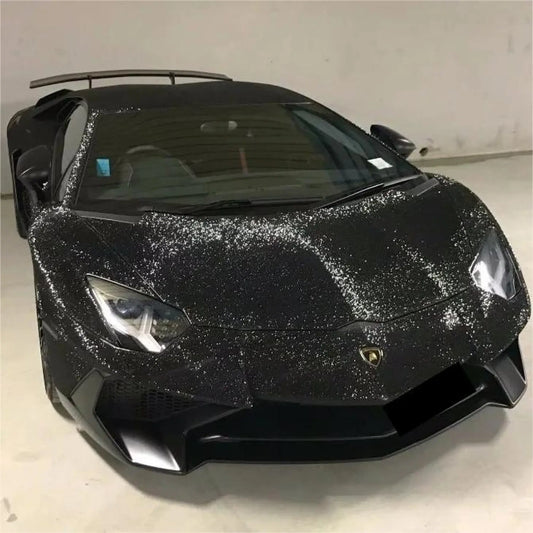
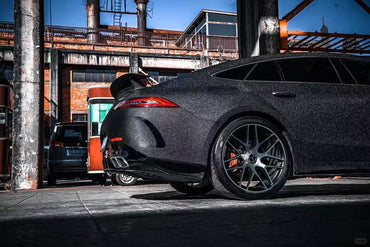
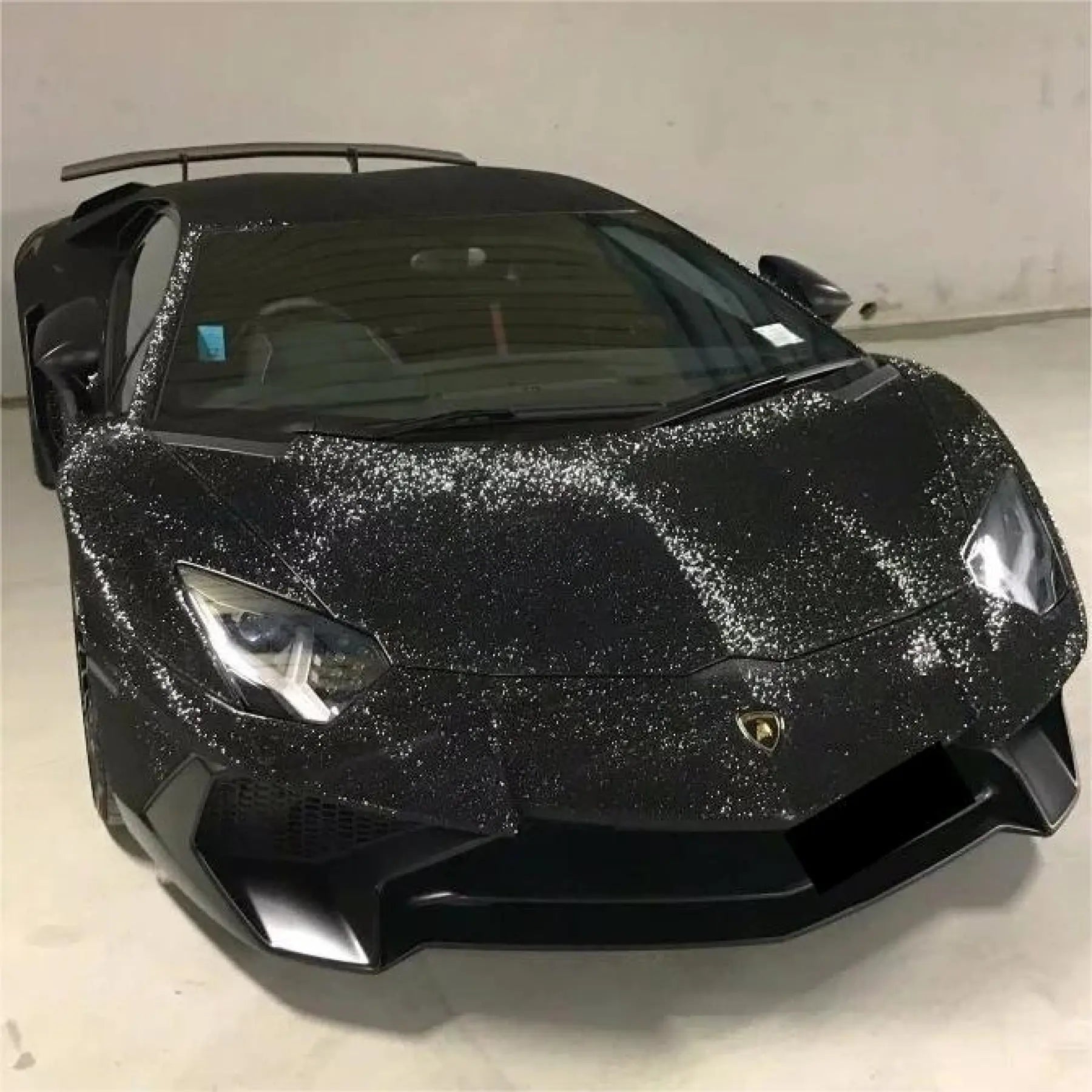
Glitter and sparkle finishes from the Sailifilm glitter sparkle car wrap collection present a different summer challenge. The diamond-flake and pearlescent particles embedded in these films are designed to catch and refract light at multiple angles. Abrasive cleaning tools or harsh chemicals can dislodge or cloud these particles, permanently reducing the sparkle effect. Gentle hand washing with a soft microfiber mitt and pH-neutral soap preserves the full optical brilliance of these specialty films throughout the summer season.
Essential Summer Care Tools and Getting Started
Having the right tools on hand makes summer wrap care effortless rather than burdensome. Sailifilm stocks a complete wrapping tools collection that includes squeegees, precision cutting blades, heat guns, and application gloves suitable for both fresh installations and ongoing maintenance tasks like edge re-sealing. A heat gun on a low setting can re-activate adhesive on lifted edges, pressing them back into place before summer heat worsens the problem.
If you are planning a new wrap installation or considering switching finishes before summer arrives, the Sailifilm sample kits allow you to evaluate color, texture, and finish in person before committing to a full roll. Testing a sample panel outdoors for a few days gives you realistic insight into how the material behaves in your local climate. For an overview of current color and finish preferences among vehicle enthusiasts, the SEMA News hub tracks industry trends and consumer preference data across all vehicle customization segments.
Protect Your Investment All Season Long
Summer does not have to shorten the life of your vinyl wrap. A disciplined routine of shade parking, weekly hand washing with proper products, prompt contaminant removal, and seasonal sealant or ceramic coating application will keep your film looking factory-fresh through the hottest months. Premium vinyl from the full Sailifilm best sellers collection is engineered with UV stabilizers and advanced adhesive technology that withstands extreme summer conditions, but even the best materials perform their best when matched with consistent owner care. Start your summer protection routine today, and your wrap will reward you with years of head-turning color and flawless finish.

