



Understanding the Visual Difference Between Matte and Gloss
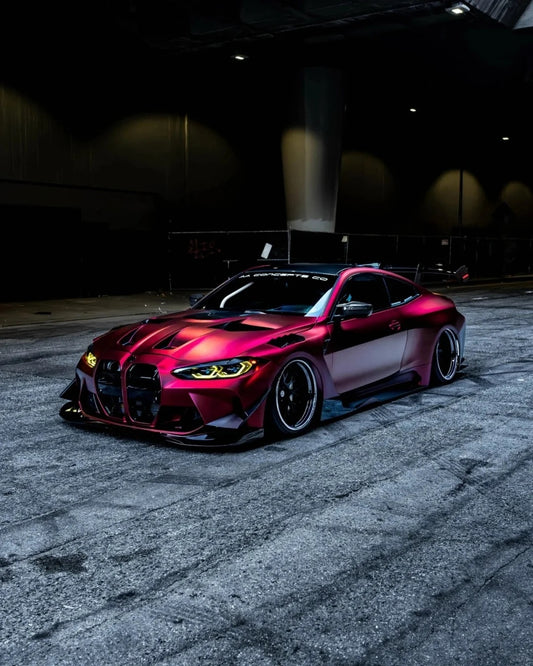
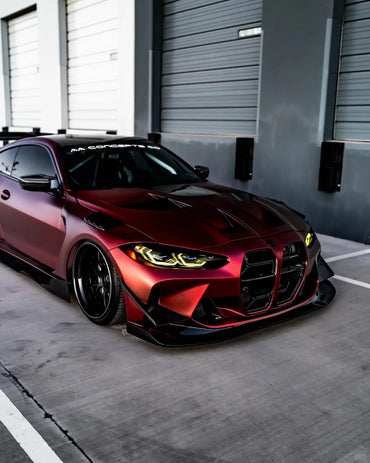
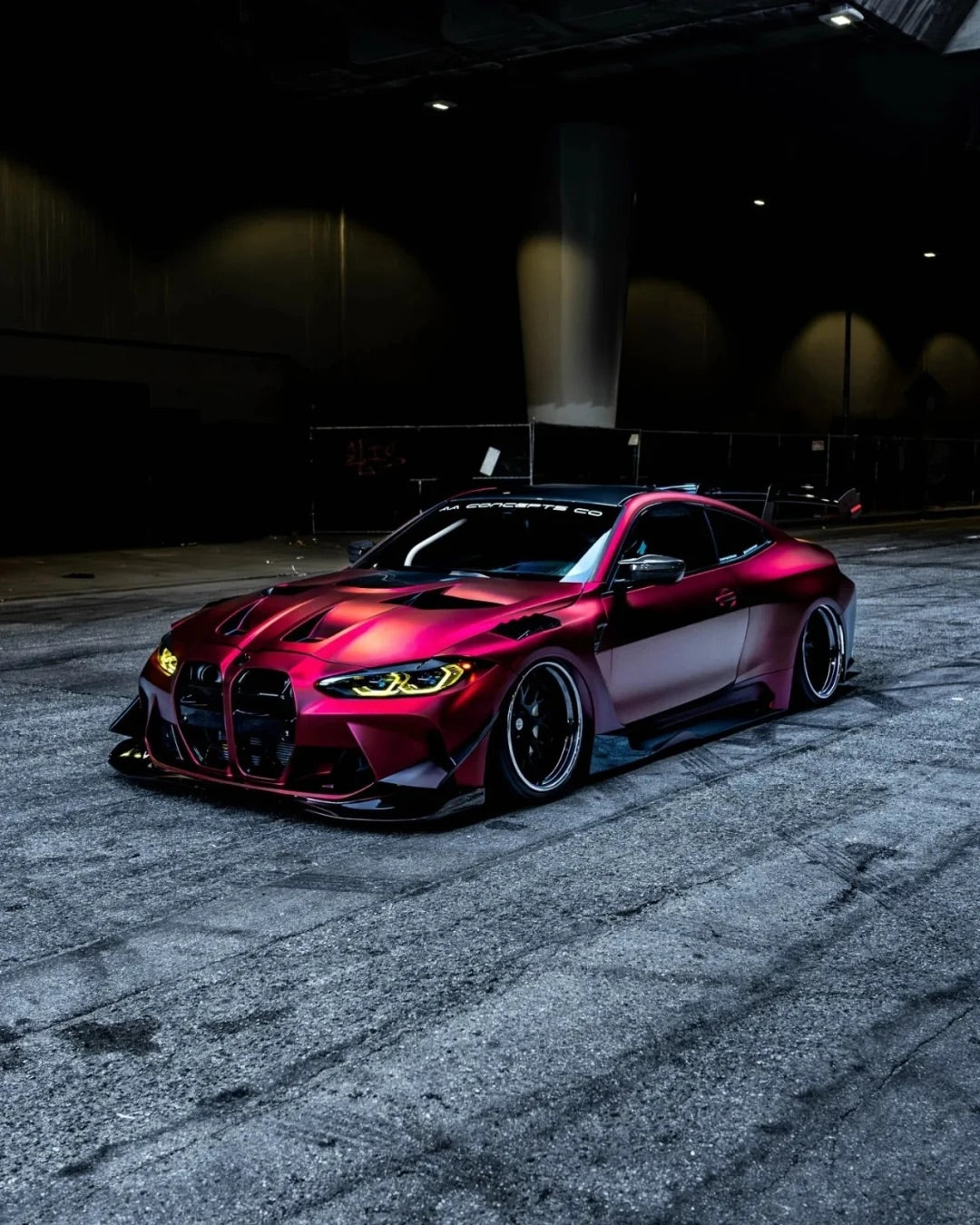
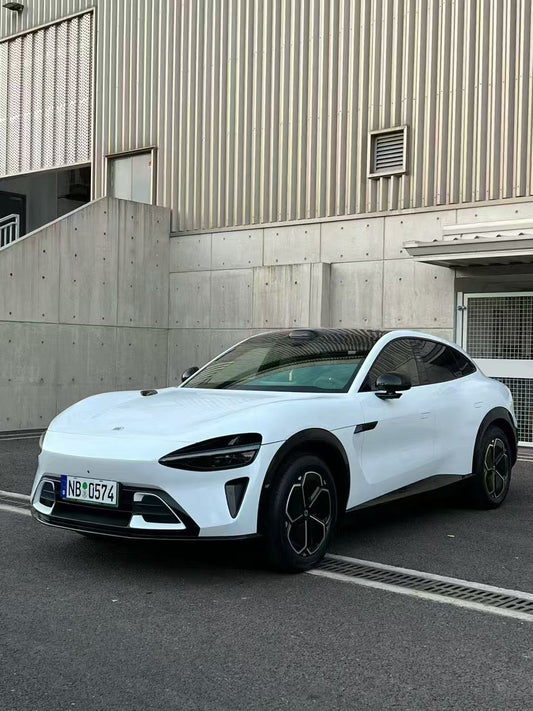
The gap between these two finishes extends far beyond simple shininess. A matte wrap absorbs incoming light instead of bouncing it back, producing a flat, non-reflective surface that feels smooth and velvety to the eye. That light-absorbing quality sharpens every crease, shoulder line, and body contour, giving a vehicle a sculpted, almost stealth-fighter precision. Performance cars, luxury sedans, and aggressive SUV builds all gain a commanding presence under a matte finish. The Sailifilm ultra matte wrap collection is engineered specifically for this flat, non-reflective appearance that looks factory-applied rather than aftermarket.
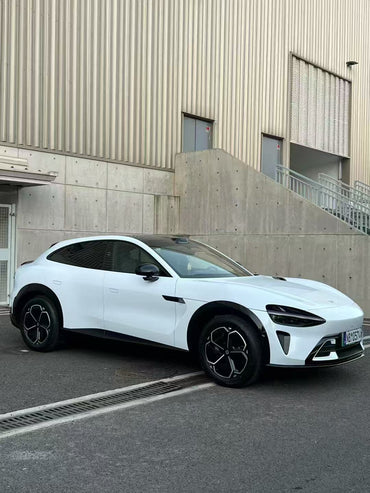
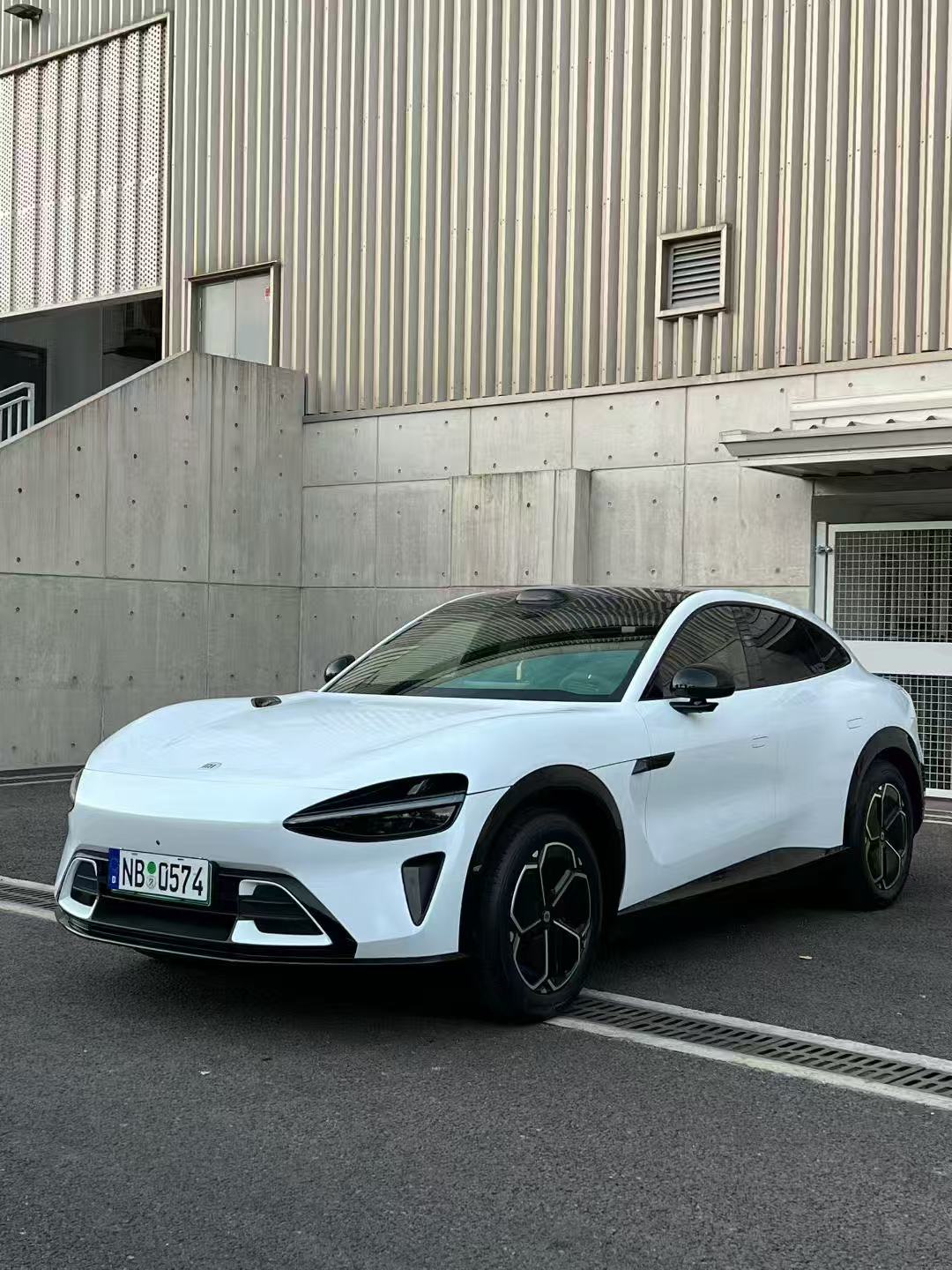
A gloss wrap works in the opposite direction. It bounces light off the surface, producing rich color depth, vivid reflections, and that unmistakable showroom presence. Gloss vinyl makes colors appear more saturated and alive, which is why vibrant reds, electric blues, and deep purples look particularly stunning under a high-gloss film. The effect mimics a professional paint job with multiple layers of clearcoat, yet remains completely removable. This reflective quality is precisely what makes the Sailifilm liquid chrome wrap and crystal vinyl wrap collections stand apart from standard gloss films. They deliver a wet, deep-pour reflectivity that elevates even neutral colors into head-turning statements.
Durability and Lifespan: How Long Each Finish Lasts
Both matte and gloss vinyl wraps typically last between five and seven years with proper care, though their aging behaviors differ. Gloss finishes tend to resist fading slightly better because their reflective surface naturally deflects a portion of ultraviolet radiation. Dark gloss colors like deep black or midnight blue maintain their intensity longer under direct sunlight. Matte surfaces, on the other hand, can show UV wear earlier in extreme climates because the non-reflective surface absorbs more solar energy. High-quality films counter this with built-in UV stabilizers and nano-ceramic protective layers.
If long-term paint protection is a priority alongside appearance, Sailifilm also offers a dedicated TPU paint protection wrap collection. TPU-based films provide self-healing properties that repair minor scratches when exposed to heat, combining protective function with a refined aesthetic. For vehicle owners who want color and protection in a single layer, the colored paint protection film range merges TPU durability with vibrant color options that rival traditional vinyl wraps.
Maintenance Demands: Cleaning and Daily Care
Maintenance is where the matte-versus-gloss debate gets practical. Gloss vinyl wraps are generally easier to maintain. The smooth, reflective surface sheds dirt and water more effectively, and standard automotive soap works fine for routine washing. Minor dust and water spots blend into the reflective surface and remain nearly invisible. Swirl marks from careless washing are the main vulnerability, so using a microfiber mitt and pH-neutral soap is recommended.
Matte wraps require a more disciplined approach. The flat surface texture shows fingerprints, water spots, and stains more readily than gloss. Traditional wax and polish products must be avoided completely because they fill the micro-texture of the film and create unwanted shiny patches that permanently alter the matte appearance. Instead, matte-specific detailers and sealants should be used exclusively. Washing in straight-line motions rather than circular patterns prevents scratching, and automated car washes with abrasive brush systems should be avoided entirely. For deeper guidance on film care, the Wikipedia article on vinyl wrapping provides an overview of material types and general maintenance principles.
Side-by-Side Comparison: Matte vs Gloss Vinyl Wrap
|
Factor |
Matte Wrap |
Gloss Wrap |
|
Appearance |
Flat, non-reflective, sculpted look |
Shiny, wet-look, showroom depth |
|
Light Behavior |
Absorbs light, sharpens body lines |
Reflects light, creates mirror-like depth |
|
Durability |
5–7 years with proper care |
5–7 years; slightly better UV resistance |
|
Maintenance |
Requires matte-specific products only |
Standard car soap and microfiber |
|
Fingerprints |
Shows easily on dark colors |
Less visible due to reflective surface |
|
Scratch Visibility |
Fine scratches can stand out |
Swirl marks more visible on dark shades |
|
Trending Colors 2026 |
Stealth grey, desert tan, olive, navy |
Pearl white, chrome silver, electric blue |
|
Best Vehicle Types |
Sports cars, luxury sedans, SUVs |
Show cars, daily drivers, commercial fleets |
|
Cost Range |
Comparable to gloss; premium finishes slightly more |
Standard pricing across most colors |
|
Resale Impact |
Protects original paint; removable |
Protects original paint; removable |
Trending Vinyl Wrap Finishes and Colors for 2026
The car wrap industry in 2026 is defined by bold individuality and premium textures. Matte metallic wraps have emerged as a dominant trend, combining the subdued elegance of a flat finish with a subtle metallic shimmer. Iridescent and color-shifting films are also surging in popularity, changing hues depending on the angle and lighting. Earth tones such as olive, desert tan, and forest green are heavily favored on SUVs and overlanding builds where rugged aesthetics matter.
On the gloss side, liquid metallic finishes and deep-pour crystal effects dominate the conversation. The Sailifilm metallic vinyl wrap collection captures this trend with high-saturation metallics that shift brilliantly in natural light. For owners who want an even more dramatic statement, the rainbow laser vinyl wrap delivers a holographic, color-shifting effect that turns any vehicle into a moving light show. Meanwhile, the dual color dream vinyl wrap collection offers a chameleon-style transition between two distinct hues, catering to the growing demand for multi-tone aesthetics.
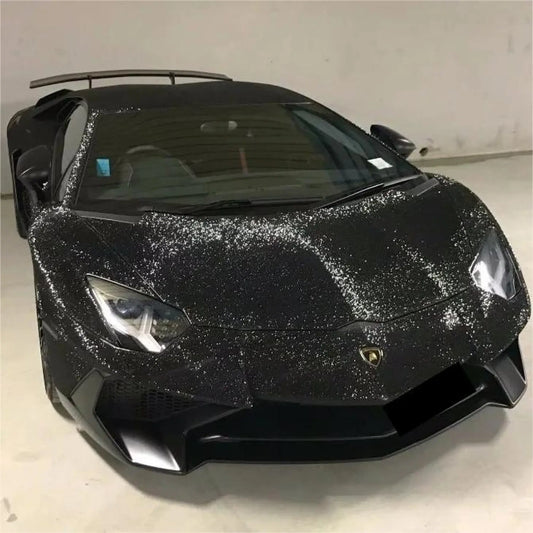
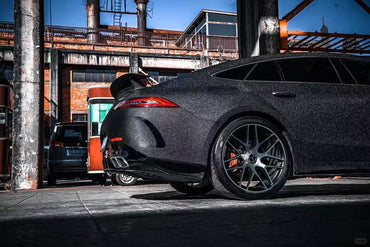
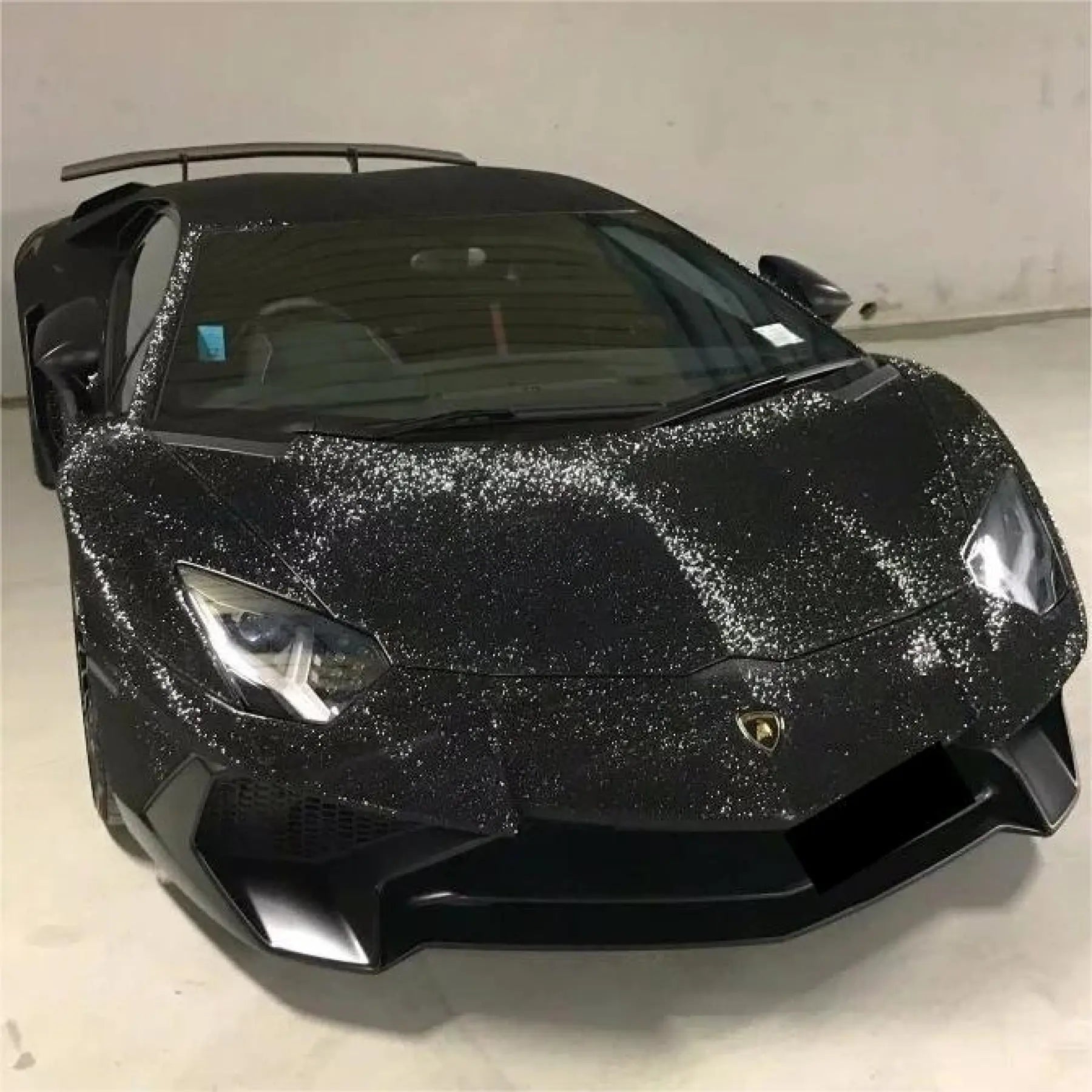
Carbon fiber textures also continue to rise in 2026, particularly as accent wraps on hoods, roofs, mirrors, and spoilers. The Sailifilm 3D carbon fiber wrap features a realistic three-dimensional weave pattern that mimics genuine carbon fiber panels at a fraction of the cost. This finish appeals equally to track enthusiasts and daily drivers looking for a motorsport-inspired edge. Glitter and sparkle finishes are another growing segment, especially among younger vehicle owners seeking maximum visual impact. The glitter sparkle car wrap collection from Sailifilm includes diamond-flake and pearlescent sparkle options that catch sunlight from every angle.
Which Vehicles Suit Matte and Which Suit Gloss?
Matte finishes dominate the luxury segment in 2026. Automakers have increasingly offered factory matte paint on premium models, driving consumer demand for the same look through vinyl at a fraction of the cost. A matte wrap in charcoal, navy, or forest green gives an executive sedan the kind of understated authority that gloss simply cannot replicate. Large SUVs and trucks also benefit from matte because the flat finish reduces visual bulk and makes oversized panels appear more cohesive. Matte olive, desert tan, and stealth grey are trending heavily on overlanding and off-road builds this year.
Gloss wraps remain the natural choice for show cars, sports coupes, and commercial vehicles where visual impact must be immediate. Gloss pearl and gloss metallic finishes are extremely popular on white, silver, and champagne-colored luxury cars where depth and sparkle convey opulence. For commercial fleets, a high-gloss finish ensures brand colors remain vivid and consistent across every vehicle. According to the Specialty Equipment Market Association (SEMA), vehicle wraps consistently rank among the fastest-growing categories in automotive aftermarket customization, with gloss and matte finishes leading consumer preference surveys year after year.
Cost Breakdown: Matte vs Gloss Vinyl Wrap
In general, matte and gloss vinyl wraps fall within a similar price range. A full vehicle wrap using premium-grade vinyl typically costs between $1,800 and $3,500 for materials and professional installation, depending on vehicle size and complexity. Specialty finishes such as chrome, color-shift, and textured films can push costs higher due to increased material thickness and installation difficulty.
Where matte wraps sometimes carry a slight premium is in the long-term maintenance investment. Matte-specific detailing products, sealants, and the need for hand-washing add incremental cost over the life of the wrap. Gloss wraps, by contrast, can be maintained with standard automotive cleaning supplies. However, both finishes deliver strong value compared to a full repaint, which can easily exceed $5,000 to $10,000 for a quality multi-stage job. More importantly, both matte and gloss wraps preserve the factory paint underneath, which directly supports resale value when the wrap is eventually removed. For those who want to test different finishes before committing to a full wrap, Sailifilm offers sample kits that allow you to see and feel the material on your own vehicle panels before ordering a full roll.
DIY Installation: Matte vs Gloss Handling Differences
From an installation perspective, both finishes use the same air-release adhesive technology and heat-activation process, but they behave differently during application. Gloss vinyl tends to be slightly more forgiving during stretching and repositioning because the reflective surface makes bubbles and imperfections easier to spot in real time. Matte film requires a more careful eye because air pockets and wrinkles are harder to detect against the non-reflective surface until the panel is fully heated and sealed.
Professional installers generally recommend starting with gloss if you are new to wrapping, as the visual feedback loop is more intuitive. Regardless of finish, the right tools make a significant difference. Sailifilm stocks a full wrapping tools collection that includes squeegees, heat guns, cutting blades, and application gloves designed specifically for vinyl installation. Having proper tools reduces installation errors, minimizes wasted material, and ensures the finished wrap looks seamless regardless of your chosen finish. For a step-by-step walkthrough, the car wrap installation tutorials on YouTube offer real-world visual guidance from experienced installers.
Car Wrap vs Paint: Why Vinyl Wins in 2026
The debate between vinyl wrapping and traditional repainting continues to shift in favor of wraps. A full-body repaint requires sanding, priming, painting, and clear-coating, consuming days or weeks and costing thousands more than vinyl installation. Wraps preserve the original factory paint, which is a critical advantage for leased vehicles and owners who plan to sell or trade in their car. The vinyl acts as a protective barrier against stone chips, minor abrasions, and UV exposure, effectively shielding the underlying paint from environmental wear.
Vinyl wraps are also completely reversible. When you want a new color or finish, the existing wrap peels away cleanly, revealing untouched paint underneath. This flexibility has driven enormous growth in the aftermarket customization industry. According to industry data, the U.S. automotive wrap films market is projected to reach $4.11 billion by 2030, reflecting a compound annual growth rate of over eighteen percent. That growth is powered by consumers who value both the creative freedom and the practical protection that vinyl wraps deliver. To explore the science behind paint protection films, the Wikipedia overview of paint protection film explains how TPU and polyurethane technologies work at a material level.
Most Popular Sailifilm Wraps for Matte and Gloss Lovers
Sailifilm offers an extensive catalog spanning both matte and gloss categories. Among the most popular products are the Diamond Glitter Black Car Vinyl Wrap, which combines a deep black base with fine diamond-flake glitter for a finish that sparkles under direct light while maintaining a dark, aggressive base tone. The Pearlescent Sparkle Glitter White Car Vinyl Wrap adds a luminous, pearl-infused shimmer to clean white surfaces, ideal for luxury builds. For matte enthusiasts, the Ultra Matte Satin Chrome Metallic Romance Red delivers a striking combination of flat matte texture with a subtle chrome metallic undertone in a passionate red shade. The Liquid Gloss Metallic Liquid Silver offers a mirror-like, poured-metal aesthetic that turns simple silver into a high-fashion statement. Browse all top-selling wraps in the Sailifilm best sellers collection to find the finish that fits your build.
Final Verdict: Matte or Gloss?
The right choice depends entirely on your priorities. If you want a stealthy, modern, head-turning presence that emphasizes body lines and hides minor imperfections, a matte wrap is your answer. If you prefer the classic wet-look depth of fresh paint with maximum color vibrancy and easier day-to-day cleaning, gloss is the way to go. In 2026, both finishes are equally trending, and the best builds often combine both. A matte body with gloss accents on the roof, mirrors, or lower valance creates a dramatic two-tone effect that is unique to vinyl wrapping.
Whichever direction you choose, investing in premium-quality film ensures the best results and the longest lifespan. The complete Sailifilm car vinyl wrap catalog includes every finish discussed in this guide, from ultra matte and liquid chrome to crystal, metallic, rainbow laser, dual color dream, and glitter sparkle. Each product is designed with air-release adhesive, UV-stabilized formulations, and installer-friendly stretch for a flawless application on any vehicle. Explore the full range today and transform your ride into the statement it was meant to be.

