






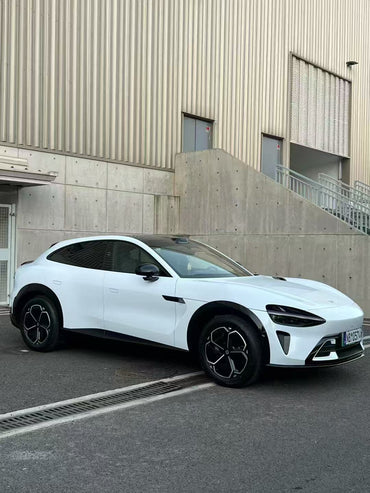
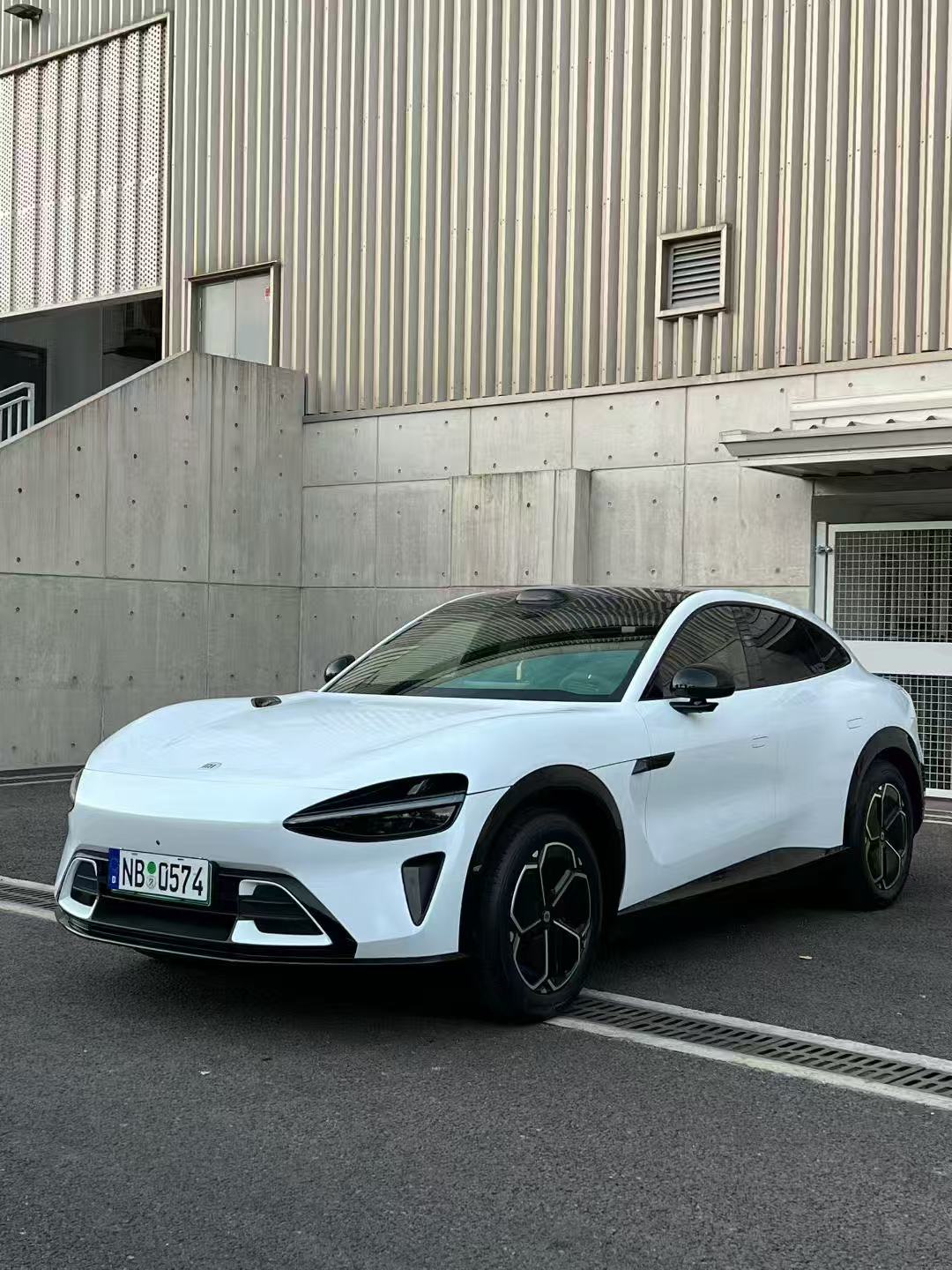


Winter is the harshest season any vinyl wrap will face. Road salt, freezing temperatures, ice accumulation, gravel spray, and prolonged moisture exposure all work against the adhesive bond, surface finish, and color integrity of automotive vinyl film. A wrap that looks flawless in September can show visible degradation by March if winter maintenance is neglected. The opposite is also true — a vehicle wrap that receives consistent cold-weather care emerges from winter with its appearance fully preserved and years of remaining lifespan intact.
Road Salt: The Single Biggest Winter Threat to Vinyl Wraps
Road salt — primarily sodium chloride and calcium chloride — is applied to highways and city streets throughout winter to melt ice and improve traction. While it makes roads safer for driving, it is intensely corrosive to automotive surfaces. Salt deposits draw moisture from the vinyl film, dehydrating the material and weakening the adhesive layer that bonds the wrap to the paint. Left in place for extended periods, salt residue causes the vinyl to become brittle, accelerates edge lifting around panel seams, and creates discoloration patterns that become permanent if not addressed promptly.
Salt also accumulates in areas that are easy to overlook during routine cleaning — wheel wells, lower door edges, bumper recesses, and the underside of mirror housings. These hidden deposits continue to corrode even when the visible surfaces appear clean. According to the Federal Highway Administration’s overview of road salt usage, municipalities across the United States apply approximately 24 million tons of de-icing salt annually, making salt exposure an unavoidable reality for any vehicle driven during winter months. The only effective defense is frequent, thorough washing with attention to every surface and crevice where salt can collect.
Winter Washing: Frequency, Method, and Products
During winter, wrapped vehicles should be hand-washed at least once every one to two weeks, and ideally within 48 hours of any significant snowfall or road salt exposure. The washing process itself matters as much as the frequency. Always use a pH-neutral, vinyl-safe automotive shampoo — never household dish soap, bathroom cleaner, or any product containing petroleum distillates, ammonia, or abrasive compounds. These chemicals strip the protective topcoat on vinyl film and degrade the adhesive over time.
Begin each wash by rinsing the entire vehicle with lukewarm (not hot) water to dislodge loose salt, sand, and grit before any contact cleaning occurs. Skipping this rinse step means the first pass with a wash mitt drags abrasive particles across the vinyl surface, creating micro-scratches that dull the finish. Use a soft microfiber wash mitt or sponge with gentle, straight-line motions rather than circular scrubbing. Rinse thoroughly after washing, paying extra attention to seams, panel edges, and recessed areas where soapy salt water tends to pool. Dry the vehicle completely with a clean microfiber towel to prevent water from freezing in wrap edges and seams overnight, which can cause lifting. Having the proper wrapping tools and care accessories on hand ensures every wash is performed safely and effectively.
Snow and Ice Removal: Techniques That Protect the Film
Removing snow and ice from a vinyl-wrapped vehicle requires a different approach than clearing a painted surface. The cardinal rule is simple: never use a plastic ice scraper, metal shovel, or stiff-bristle brush on any wrapped surface. These tools will scratch, puncture, or peel the vinyl film on contact. Even a standard plastic windshield scraper can gouge into vinyl when applied with normal pressure.
Instead, use a soft-bristle snow brush or a foam-padded snow removal tool to gently push snow off the roof, hood, and trunk. For ice that has bonded to the surface, start the vehicle and allow the cabin heater and defroster to warm the panels from behind. As the surface temperature rises, ice loosens naturally and can be cleared without force. For stubborn ice on mirror caps or door handles, a gentle pour of lukewarm water melts the bond without thermal shock to the vinyl. Never pour boiling water on a wrapped surface — the extreme temperature differential can cause the vinyl to contract and crack. The National Weather Service’s winter driving safety guidelines recommend allowing extra time for vehicle preparation during cold mornings, which aligns perfectly with the patient, low-force approach that vinyl wraps require.
Garage Storage and Vehicle Covers
The single most effective winter maintenance strategy for a wrapped vehicle is indoor storage. A climate-controlled garage protects the wrap from every major winter threat simultaneously — salt spray, ice formation, UV exposure, temperature cycling, and moisture accumulation. Vehicles stored indoors overnight consistently maintain their wrap condition far longer than vehicles parked outdoors through winter seasons.
When indoor parking is not available, a high-quality breathable car cover provides meaningful protection. The cover should be specifically designed for automotive use with a soft inner lining that will not scratch the vinyl surface. Avoid non-breathable plastic tarps, which trap moisture against the wrap and create conditions for mold growth and adhesive degradation. Secure the cover properly so wind does not cause it to flap against the panels, which creates friction marks on matte and satin finishes over time. Even using a cover only during heavy snowfall events or overnight significantly reduces the vehicle’s exposure to the most damaging winter conditions.
Pre-Winter Sealant Application: Building a Protective Barrier
Applying a vinyl-safe sealant or ceramic coating before the first snowfall of the season creates an additional protective layer between the wrap surface and winter contaminants. This barrier makes salt, dirt, and road grime less likely to bond to the vinyl, and it makes subsequent washes more effective because contaminants rinse away more easily from the sealed surface.
Use only products specifically formulated for vinyl film. Standard automotive wax designed for painted surfaces often contains petroleum-based compounds and silicone that can soften vinyl adhesive and create hazy discoloration on matte or satin finishes. Vinyl-specific sealants are typically water-based formulations that enhance the existing finish without altering its texture or sheen. For gloss finishes like crystal vinyl wrap and metallic vinyl wrap, a sealant adds extra depth and hydrophobic performance. For flat finishes like ultra matte wrap, choose a matte-specific sealant that maintains the non-reflective character without introducing unwanted shine. Reapply sealant every two to three months throughout the winter season for continuous protection.
Finish-Specific Winter Care: Matte, Gloss, Chrome, and Specialty Films
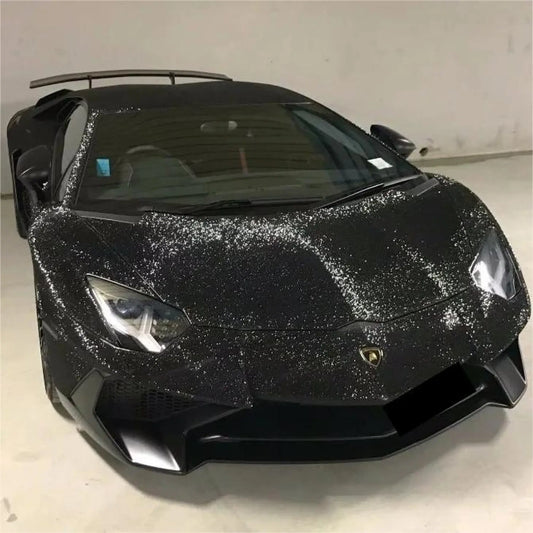
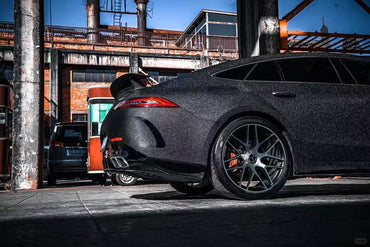
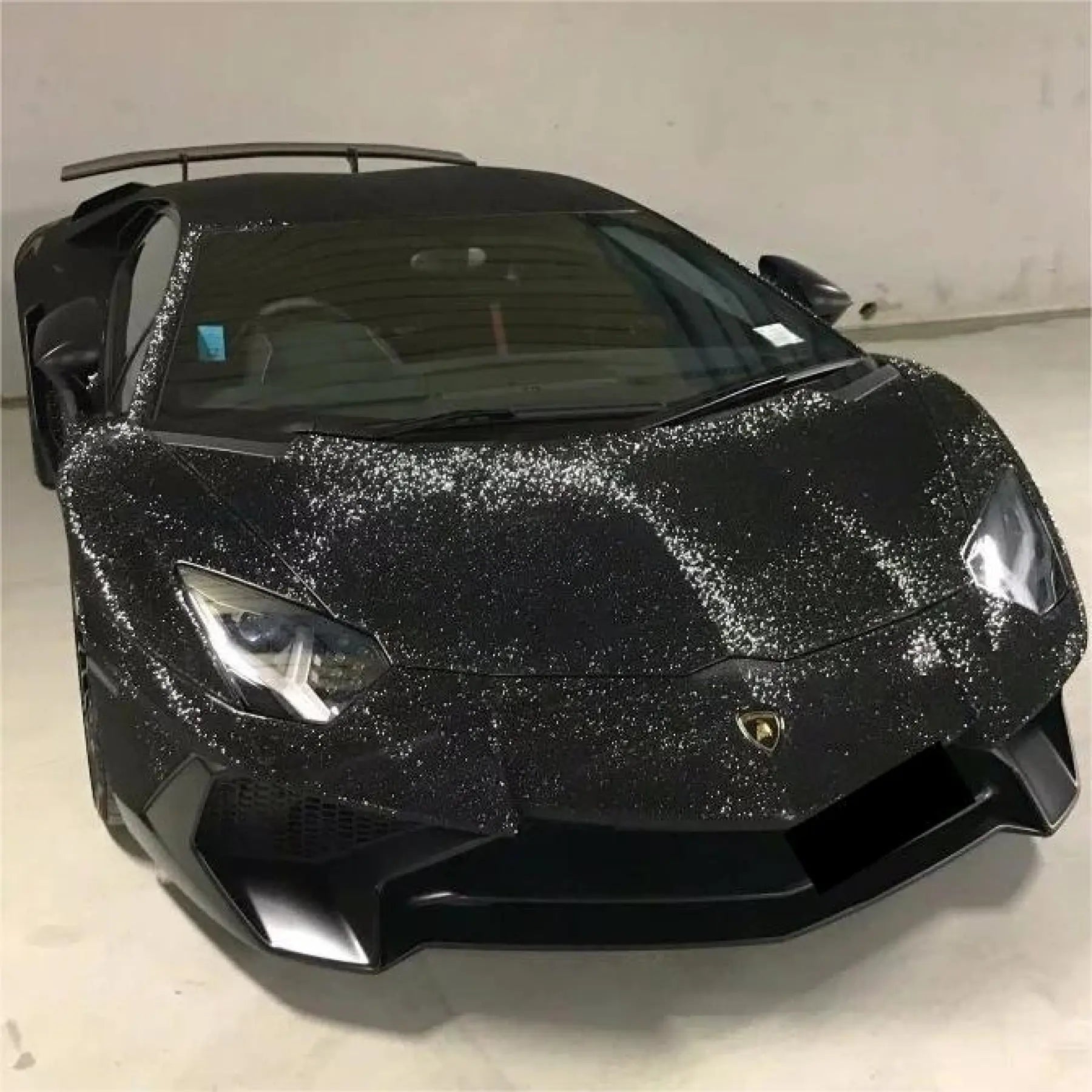
Different vinyl finishes respond to winter conditions in distinct ways, and care routines should be adjusted accordingly. Gloss finishes including liquid chrome wrap and glitter sparkle car wrap show water spots and salt residue more visibly than flat finishes. These wraps benefit from more frequent rinsing and thorough drying after every wash. Chrome and mirror-finish films are also more susceptible to micro-scratching from abrasive road particles, so pre-rinse steps are especially critical before any contact cleaning takes place.
Matte and satin finishes like those in the ultra matte collection hide salt stains and water spots better in the short term, but this can be deceptive — salt still accumulates and does the same adhesive damage even when it is not visually obvious on a flat surface. Matte wraps require the same washing frequency as gloss wraps, with the additional consideration that any product used must be matte-safe to avoid creating shiny patches. Color-shifting films like rainbow laser vinyl wrap and dual color dream vinyl wrap contain multi-layer optical structures that can be permanently altered if harsh chemical cleaners or abrasive tools disrupt the surface. Treat these specialty finishes with the most gentle care approach available.
Inspecting for Edge Lifting, Bubbling, and Cracks
Cold temperatures cause vinyl film to contract, which places stress on edges and seams where the material is most vulnerable. Regular inspection throughout the winter season catches early signs of lifting before they develop into larger failures. Check all panel edges, bumper wraps, mirror cap seams, and door handle cutouts every two weeks for any sign of the film pulling away from the surface.
Minor edge lifting caught early can often be re-adhered using a heat gun on a low setting to soften the vinyl and reactivate the adhesive. Press the warmed edge firmly back against the panel and hold until it cools. For larger areas of lifting, bubbling, or cracking, professional repair is recommended to prevent moisture from penetrating beneath the film and reaching the factory paint underneath. Catching and addressing these issues during winter prevents a small maintenance item from becoming a full panel re-wrap in spring. The Wikipedia entry on polyvinyl chloride explains the thermal expansion properties of PVC-based materials, which is the underlying reason vinyl film becomes less flexible and more prone to edge stress in cold environments.
Why TPU Paint Protection Film Outperforms Standard Vinyl in Winter
For vehicle owners in regions with severe winters, Sailifilm’s TPU paint protection wrap and colored paint protection film offer a significant durability advantage over standard PVC vinyl. TPU (thermoplastic polyurethane) film is inherently more flexible at low temperatures than PVC, meaning it maintains its elasticity and adhesive bond strength even when temperatures drop well below freezing. This flexibility translates directly to better resistance against edge lifting, cracking, and contraction-related failures that standard vinyl is more prone to in harsh cold.
TPU film also provides self-healing properties — minor surface scratches from road grit and light contact disappear when the film is exposed to heat, either from warm sunlight or a gentle application of warm water. This self-repair capability is especially valuable during winter when road debris and gravel spray from other vehicles create far more surface-level abrasion than summer driving conditions produce. For front-end protection zones including hoods, bumpers, fenders, and mirror caps, combining a 3D carbon fiber wrap or color wrap on the body with TPU PPF on the leading edges creates a layered defense system that handles both the styling and protection needs of a winter-driven vehicle.
Chemicals and Products to Avoid on Vinyl Wraps in Winter
Several common winter automotive products are harmful to vinyl wrap and should never contact the film surface. Windshield de-icer sprays often contain methanol or isopropanol at concentrations high enough to damage vinyl adhesive and discolor the film surface. If de-icer overspray lands on wrapped panels, rinse it off immediately with water. Engine degreaser, tire shine products, and solvent-based cleaners should be kept away from wrapped surfaces entirely. Abrasive polish and rubbing compound designed for paint correction will permanently damage matte and satin vinyl finishes by creating glossy patches that cannot be reversed.
The safe product list for winter vinyl care is short: pH-neutral vinyl-safe automotive shampoo, isopropyl alcohol diluted to 50 percent concentration for spot cleaning tar or stubborn deposits, vinyl-specific sealant, and clean microfiber towels. When in doubt about any product, test it on a small, inconspicuous area of the wrap first and observe for 24 hours before applying it to visible panels. The U.S. Environmental Protection Agency’s guidelines on automotive chemical safety provide useful background on the chemical compositions found in common automotive cleaning and de-icing products.
Spring Transition: Post-Winter Assessment and Restoration
When winter ends, perform a full inspection of the wrap before transitioning to spring and summer maintenance routines. Wash the vehicle thoroughly to remove any remaining salt residue that accumulated over the season. Inspect every edge, seam, and corner for lifting or separation. Check for any discoloration, fading, or surface damage that may have occurred. Address any repair needs before warmer weather arrives, as rising temperatures can accelerate adhesive failure on edges that are already compromised.
Apply a fresh coat of vinyl sealant after the post-winter wash to restore the protective barrier heading into spring. This is also the ideal time to evaluate whether the wrap has sufficient remaining lifespan for another seasonal cycle or whether specific panels would benefit from replacement. Sailifilm’s sample kits are useful for color-matching replacement panels if a section needs re-wrapping. Explore the full range of durable finishes in the Sailifilm best sellers collection to find the colors and textures that combine visual appeal with the material resilience needed for year-round driving in all climates.
• Best Car Wrap Colors for Sports Cars — Color selection guide for high-performance builds
• Vinyl Wrap vs Paint: Complete 2026 Comparison Guide — Cost, durability, and protection comparison between wrapping and painting

