

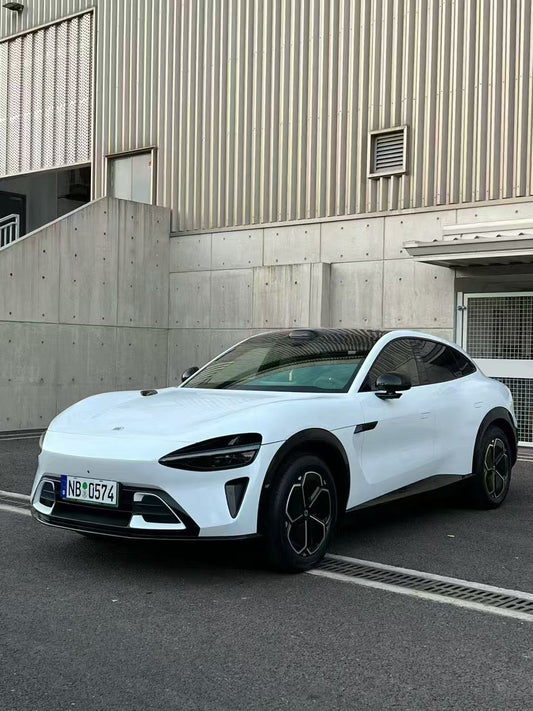
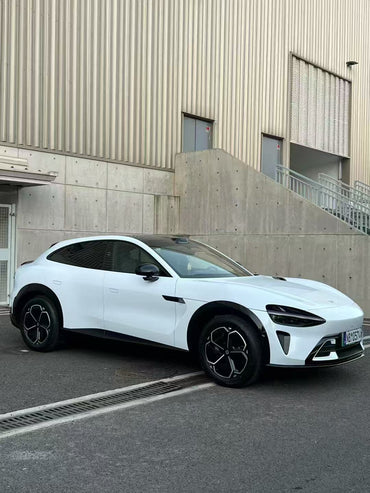
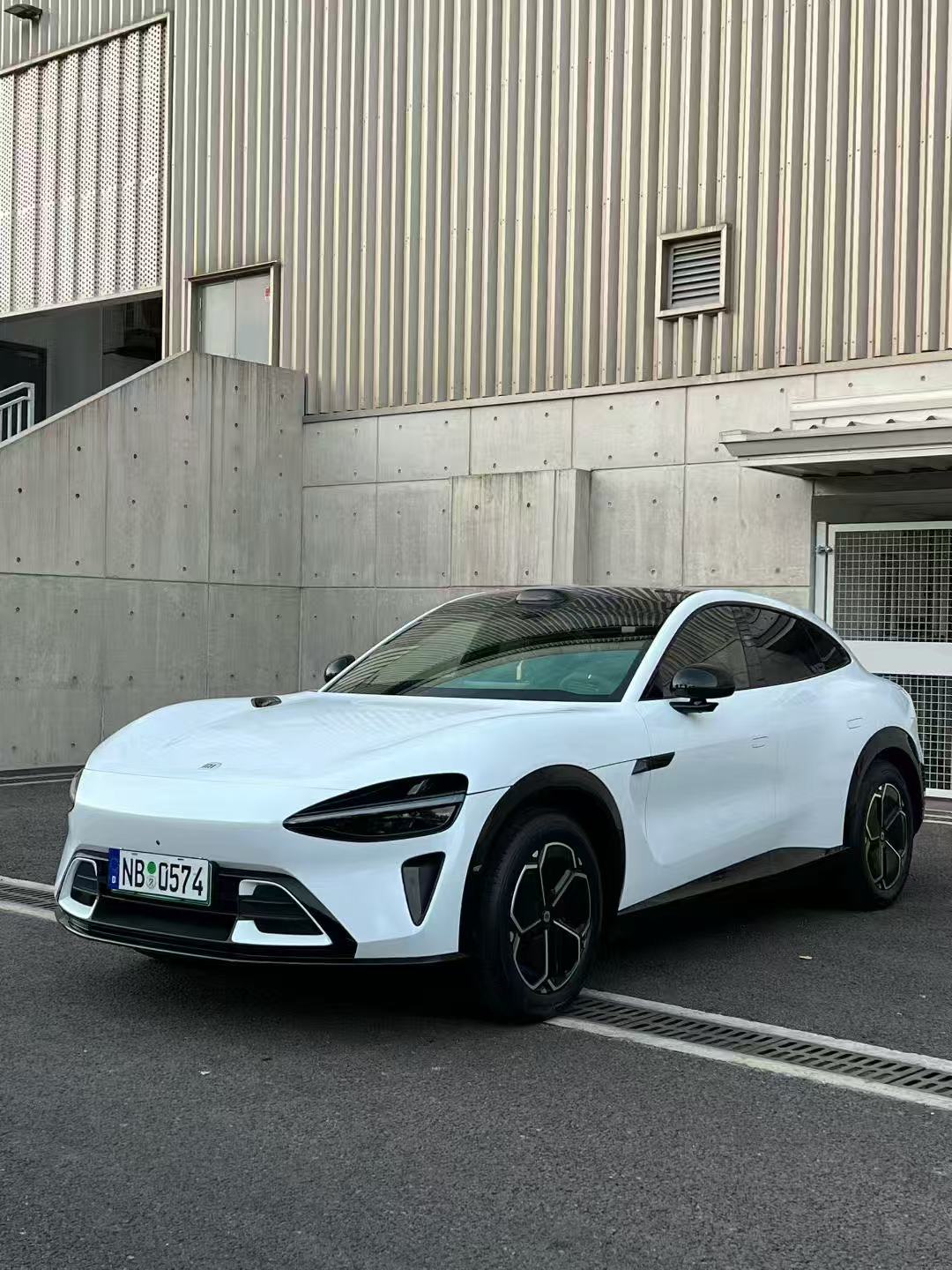


Understanding Paint Protection Film Technology
Paint protection film originated in military applications to shield helicopter blades from debris. Today, this thermoplastic polyurethane technology has evolved into sophisticated automotive protection that safeguards vehicles worth billions annually.
The global vehicle wrap market reached $10.04 billion in 2025 and continues growing at over 20% annually. This surge reflects increasing demand from car enthusiasts who want both protection and personalization without permanent modifications to their factory paintwork.
Modern PPF consists of multiple layers working together: an adhesive layer that bonds without damaging paint, a polyurethane core that absorbs impacts, and a clear coat that resists stains and environmental contamination. Premium films incorporate self-healing technology that repairs minor scratches when exposed to heat from sunlight or warm water.
What Is Clear PPF?
Clear paint protection film delivers invisible protection that preserves your vehicle's original appearance. The transparent film shields against rock chips, scratches, bug splatter, and UV damage while maintaining factory color and finish.
Clear PPF works excellently for owners who love their current paint color and want to keep it looking showroom-fresh. The film becomes virtually undetectable after professional installation, creating a seamless protective barrier.
Key benefits of clear PPF include maintaining resale value through original paint preservation, universal compatibility with any vehicle color, and straightforward replacement if damaged. The TPU Paint Protection Wrap collection offers both gloss and matte clear options in 7.5mil and 8.5mil thicknesses for varying protection levels.
Clear films suit buyers who prioritize protection above customization. Luxury vehicle owners particularly favor clear PPF because maintaining original factory finishes supports higher resale values when selling or trading vehicles.
What Is Colored PPF?
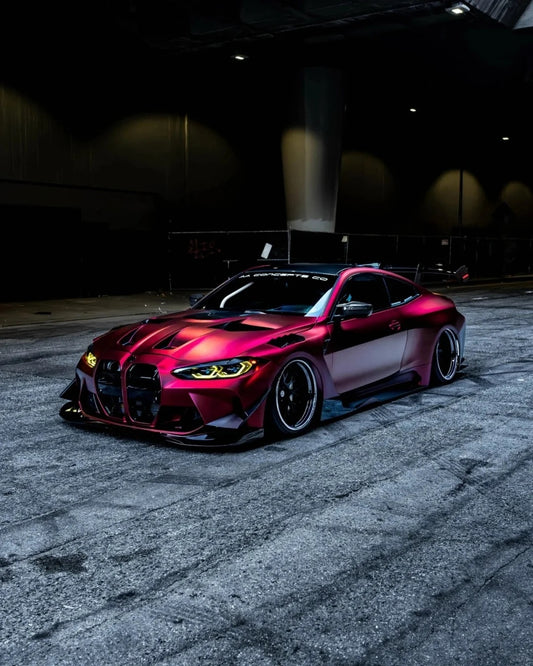
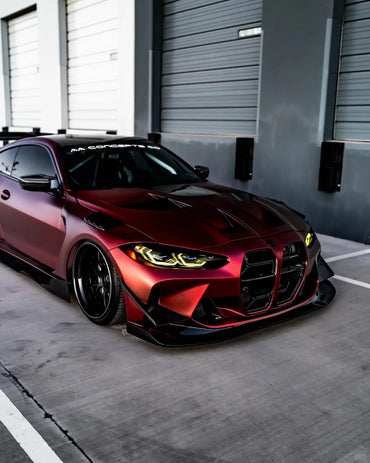
Colored paint protection film combines the protective benefits of traditional PPF with complete color transformation. Instead of transparent film, colored PPF features pigmented or specialty finishes that change your vehicle's appearance while providing rock chip and scratch resistance.
The technology represents a significant advancement because it eliminates the need to choose between protection and style. Previously, owners wanting color changes used vinyl wraps (which offer style but minimal protection) or clear PPF over factory paint (protection without customization). Colored PPF delivers both benefits simultaneously.
Modern colored PPF features the same self-healing topcoat technology found in premium clear films. When minor scratches occur, heat activation causes the elastomeric polymers to flow back into their original position, effectively erasing surface damage within hours.
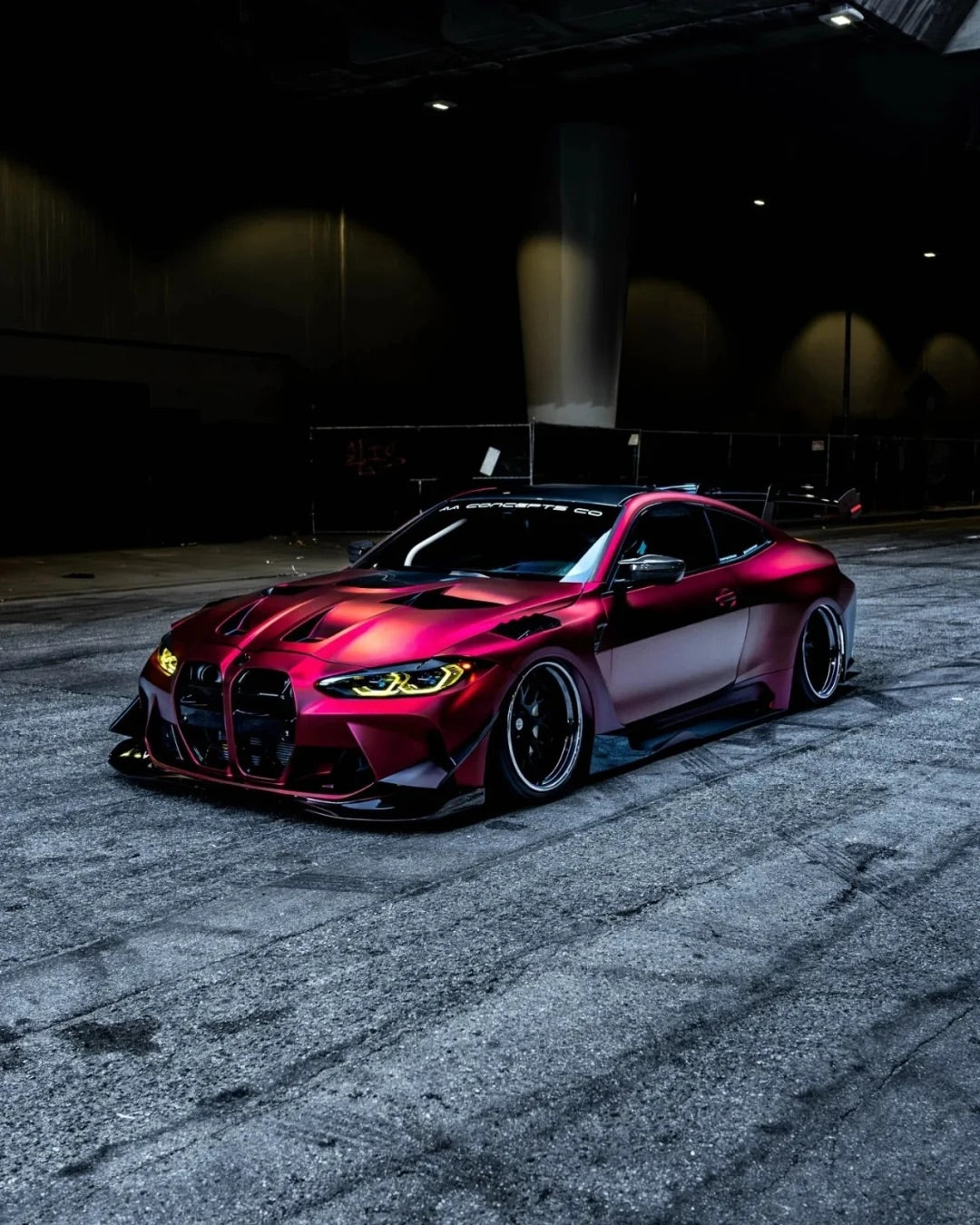
The Colored Paint Protection Film collection showcases vibrant options including Crystal Sky Blue, Ferrari Red, Blood Red, Arctic Grey, and Piano Black. Each color features TPU construction with self-healing capabilities and hydrophobic surface technology for easier maintenance.
Head-to-Head Comparison
Appearance and Customization
Clear PPF maintains your vehicle's existing look without alteration. The film preserves original paint depth, metallic flake visibility, and factory finish quality. For owners who purchased specific colors or special edition vehicles, clear PPF protects that investment without changing anything visual.
Colored PPF transforms appearance entirely. You can convert a white sedan into a striking Ferrari Red sports car or give a silver SUV bold Piano Black accents. This flexibility appeals to owners who want change without permanent paint modification or those seeking to refresh older vehicles.
Winner: Depends on your goal. Clear wins for preservation; colored wins for transformation.
Protection Level
Both film types offer comparable protection against physical damage. Quality PPF absorbs impacts from road debris, prevents scratches from everyday contact, and blocks UV rays that cause paint fading. The polyurethane layer dissipates energy across wider surface areas, reducing damage from stone chips.
Self-healing capabilities function identically in both film types. Minor scratches disappear when the film warms above approximately 80°F. Studies indicate premium PPF can fully self-heal from minor scratches within 30 minutes under direct sunlight.
Colored PPF may actually hide existing imperfections better than clear film. If your paint has minor swirl marks or light scratches, colored PPF masks these while protecting against future damage. Clear PPF shows everything beneath, including existing flaws.
Winner: Tie for protection; slight edge to colored for hiding existing imperfections.
Resale Value Impact
Clear PPF typically supports higher resale values because vehicles retain original factory paint. Luxury vehicle buyers specifically seek cars with unaltered appearances, and preserved original paint indicates careful ownership.
Colored PPF offers reversibility as an advantage. Unlike paint jobs, PPF removes cleanly without damaging underlying surfaces. This means you can return vehicles to factory appearance before sale if desired. However, the removal process adds time and potential cost.
Consider your vehicle category carefully. Sports cars and luxury vehicles benefit most from original paint preservation. Daily drivers and older vehicles may benefit from colored PPF that refreshes appearance and extends visual appeal regardless of underlying paint condition.
Winner: Clear PPF for luxury and collector vehicles; colored PPF for daily drivers and refreshed vehicles.
Installation Process
Both film types require similar professional installation techniques. Technicians apply PPF using specialized solutions, precision cutting, and careful squeegeeing to eliminate air bubbles. The process demands expertise regardless of film color.
Colored PPF requires additional attention to seam visibility and panel matching. Any installation imperfections become more noticeable with opaque films compared to transparent ones. Professional installation remains strongly recommended for both types but becomes critical with colored films.
Winner: Clear PPF slightly easier for DIY attempts; professional installation recommended for both.
Maintenance Requirements
Clear PPF maintenance involves standard washing with pH-balanced products, avoiding harsh chemicals, and periodic inspection for lifting edges. The transparent nature makes contamination visible, prompting timely cleaning.
Colored PPF may show fingerprints, water spots, and surface contamination differently depending on the specific color. Darker colors typically show dust more readily, while lighter colors highlight certain stains more visibly. Both benefit from occasional warm water application to activate self-healing properties.
Winner: Tie with slight variations based on specific color selection.
Cost Considerations
Material costs for colored PPF generally run higher than clear film due to additional manufacturing complexity. The pigmentation process and quality control requirements for consistent color matching increase production expenses.
Installation costs remain comparable because labor requirements differ minimally between film types. The expertise and time required for proper application stay consistent regardless of whether film is transparent or colored.
Long-term value considerations favor both options over alternatives. Repainting costs average $1,500 per panel or more, while vinyl wraps offer less protection. PPF investment prevents costly paint repairs while maintaining or enhancing vehicle appearance for five to ten years.
Winner: Clear PPF for budget-conscious buyers; colored PPF justifies premium through dual functionality.
Choosing the Right Option for Your Vehicle
Choose Clear PPF When:
You love your current paint color and want to preserve it exactly. Clear film protects factory finishes including special colors, metallic effects, and pearlescent paints without any alteration.
You plan to sell within a few years and want maximum resale value. Original paint condition remains a significant factor in luxury and performance vehicle valuations.
You own a collector car or limited edition vehicle where originality matters. Clear PPF protects irreplaceable factory finishes while maintaining authenticity.
Choose Colored PPF When:
You want both protection and a complete color change. Colored PPF eliminates the compromise between vinyl wraps (style without protection) and clear PPF (protection without style).
Your current paint shows age, minor damage, or simply needs refreshing. Colored PPF masks existing imperfections while preventing future damage.
You enjoy customization without permanent commitment. Unlike paint jobs, PPF removes cleanly, allowing future color changes or return to factory appearance.
Consider Both Options When:
Partial coverage strategies combine clear and colored PPF effectively. Protect high-impact areas like hoods and bumpers with clear film while adding colored accents to roofs, mirrors, or trim.
The Crystal Vinyl Wrap collection offers gloss finishes that pair excellently with colored PPF accents for sophisticated two-tone effects. Similarly, Ultra Matte Wrap options create striking contrast when combined with glossy colored protection.
Popular Color Options in 2025
This year's trending colored PPF options reflect broader automotive design preferences moving toward bold personalization. Crystal finishes deliver exceptional depth and brilliance that rivals factory paint quality.
Blue tones including Crystal Sky Blue offer eye-catching alternatives to conservative color choices. Red options range from the vibrant Ferrari Red to deeper Blood Red tones for dramatic statements. Neutral choices like Arctic Grey and Crystal White provide sophisticated alternatives to factory colors.
Piano Black PPF has become particularly popular for blacking out trim, roofs, and accent pieces. This deep gloss black finish creates modern, aggressive aesthetics when combined with lighter body colors.
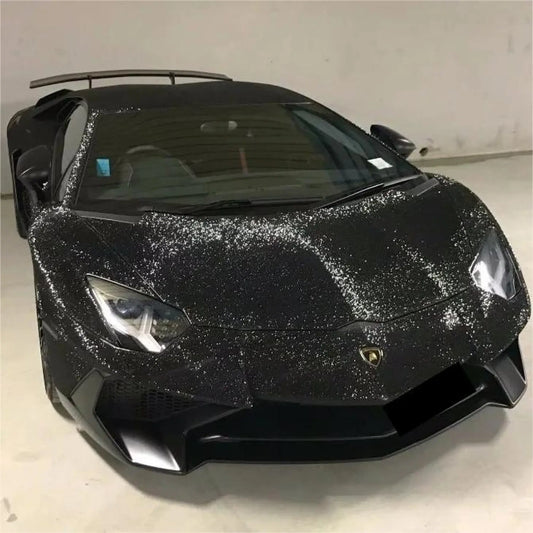
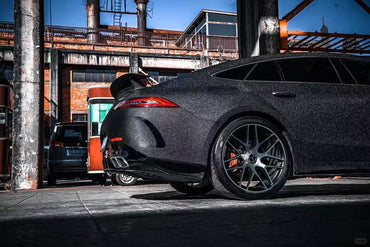
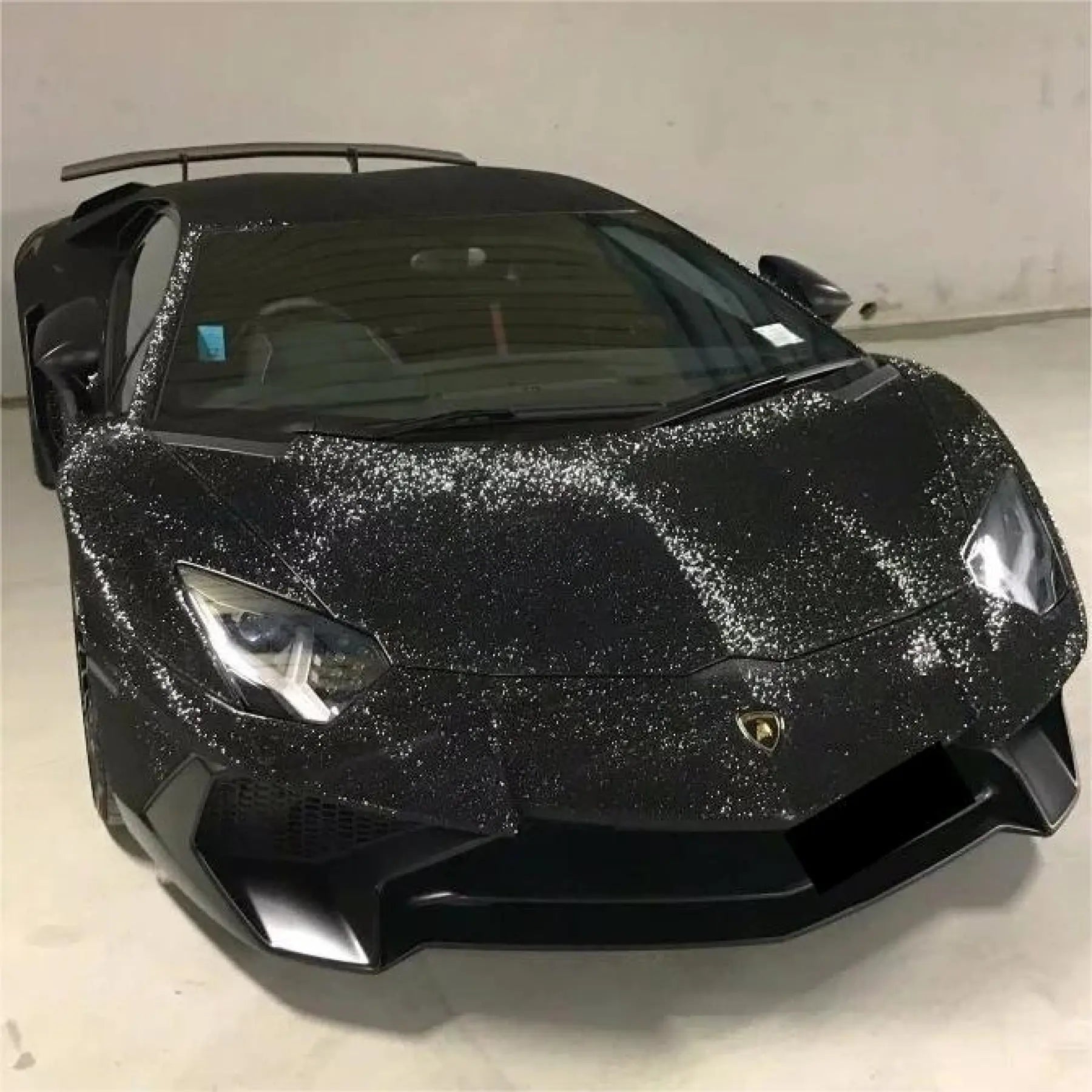
The Rainbow Laser Vinyl Wrap collection introduces color-shifting effects that transform under different lighting conditions. These prismatic finishes appeal to enthusiasts seeking maximum visual impact and attention-grabbing customization.
Protecting Your Investment: Best Practices
Regardless of which PPF type you choose, proper care extends film life and maintains appearance quality.
Wash vehicles using touchless methods or gentle hand washing with microfiber materials. Avoid automated car washes with abrasive brushes that can scratch film surfaces.
Park in shaded areas when possible to reduce UV exposure and excessive heat cycling. While UV protection exists in quality films, minimizing exposure extends longevity.
Address contamination quickly. Bird droppings, tree sap, and road tar become more difficult to remove over time and may stain even protected surfaces if left too long.
Inspect edges periodically for lifting or peeling. Early attention to edge issues prevents contamination from reaching beneath the film and affecting adhesion.
Consider professional detailing annually for thorough cleaning and inspection. Experienced detailers identify potential issues early and know proper PPF care techniques.
Making Your Decision
The choice between clear and colored PPF ultimately depends on your priorities, vehicle type, and ownership plans. Both options provide excellent protection against everyday hazards that damage automotive paint.
Clear PPF remains the gold standard for preserving original factory finishes and supporting maximum resale values. The invisible protection appeals to owners who appreciate their vehicles exactly as manufactured.
Colored PPF represents the evolution of automotive protection technology, combining defensive capabilities with transformative aesthetics. This dual functionality appeals to enthusiasts who want personalization without compromise.
Explore comprehensive Car Vinyl Wrap options to compare finishes, or request Sample Kits to evaluate materials before committing to full vehicle coverage. Quality Wrapping Tools support professional-quality installations whether working with clear or colored films.
Whatever you choose, paint protection film represents a smart investment in preserving your vehicle's appearance and value. The self-healing technology, UV resistance, and impact protection justify the investment many times over compared to costly paint repairs and diminished resale values from unprotected vehicles.

