



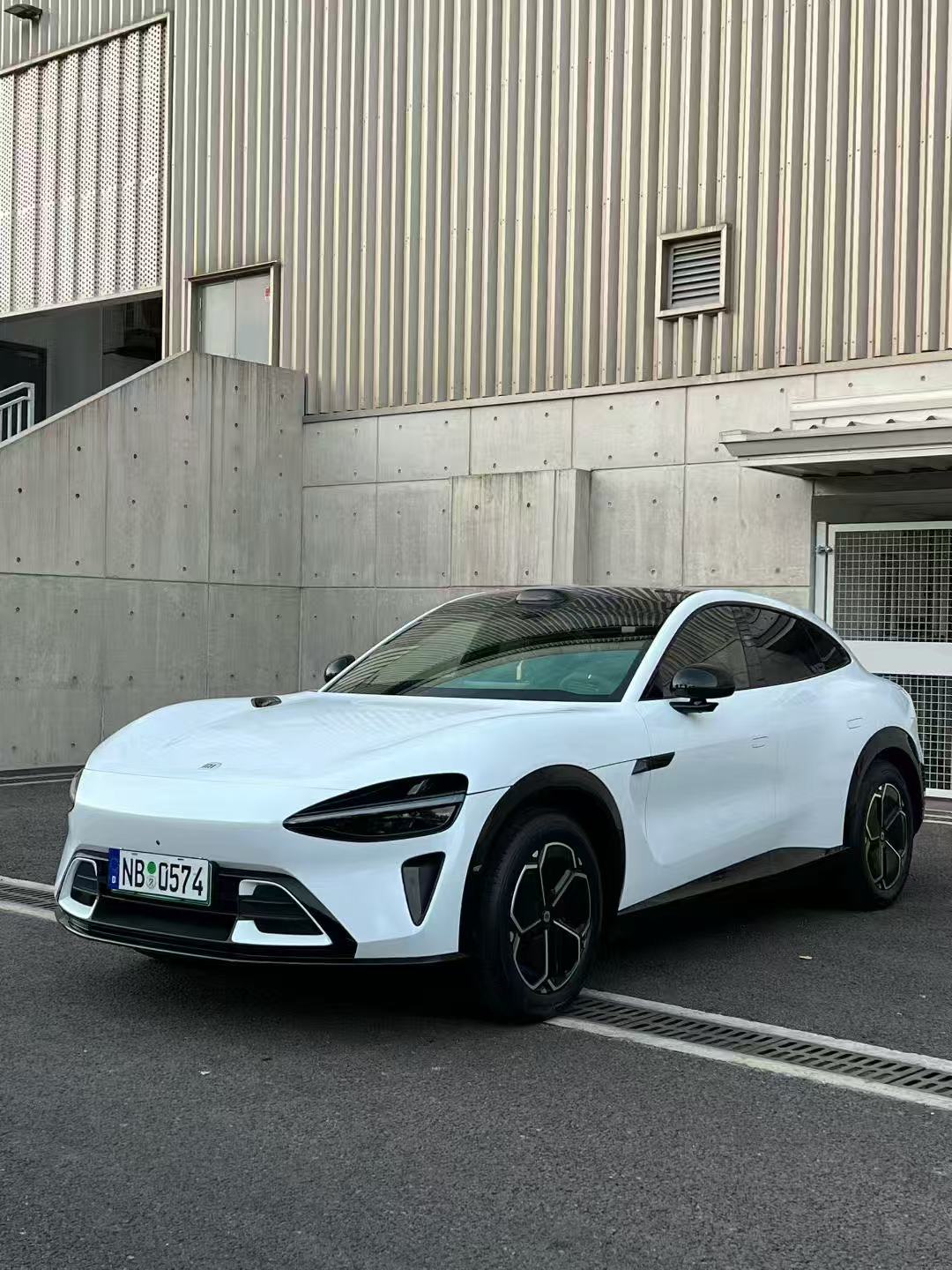


Why DIY Car Wrapping Has Become So Popular
The vehicle wrap industry has experienced tremendous growth, with the global market reaching over $10 billion in 2025. Much of this expansion comes from DIY enthusiasts who discovered that quality materials and proper technique can yield stunning results without professional labor costs.
Modern vinyl technology has evolved dramatically since the early days of automotive wrapping. Air-release adhesive channels now allow installers to eliminate bubbles with simple squeegee strokes. Improved conformability means films stretch over curves and contours without tearing. These advancements have opened car wrapping to anyone willing to invest time in learning proper techniques.
The cost savings appeal to many beginners. Professional installation typically runs between $2,000 and $6,000 depending on vehicle size and wrap complexity. DIY installations require only material costs plus basic tools, making customization accessible to budget-conscious enthusiasts who want to learn valuable skills.
Essential Tools Every Beginner Needs
Successful vinyl wrap installation depends heavily on having proper equipment. Attempting installation without appropriate tools leads to frustration, wasted material, and poor results.
The Wrapping Tools collection provides everything beginners need in one comprehensive kit. Professional-grade squeegees, precision cutting implements, and heat application equipment ensure you have the right instrument for every situation encountered during installation.
A quality heat gun ranks among the most critical tools for vinyl wrapping. Heat makes vinyl pliable, allowing it to conform around curves, recesses, and complex body lines. Without adequate heat application, the material resists stretching and lifting becomes inevitable. Temperature control matters because overheating damages the vinyl while underheating prevents proper adhesion.
Squeegees come in various firmness levels, each serving specific purposes. Soft squeegees work best for initial positioning and delicate surfaces. Medium-firmness options handle most general application tasks. Hard squeegees push air bubbles toward edges and ensure tight adhesion on flat panels.
Cutting tools require sharpness above all else. Dull blades tear vinyl rather than cutting cleanly, creating ragged edges that lift over time. Keep multiple fresh blades available throughout any installation project.
Preparing Your Vehicle Properly
Surface preparation determines installation success more than any other single factor. Even perfect technique fails when vinyl encounters contamination beneath the surface.
Begin by washing the entire vehicle thoroughly. Standard car wash soap removes surface dirt, but deeper cleaning follows. Grease, wax, polish residue, and invisible contaminants prevent proper adhesion if left on painted surfaces.
After washing, wipe every panel with isopropyl alcohol using lint-free cloths. This step removes wax, silicone products, and oils that interfere with adhesive bonding. Pay special attention to areas around door handles, emblems, and trim where contaminants accumulate.
Inspect the paint condition carefully before proceeding. Minor scratches typically hide beneath vinyl without issue. However, chips, deep gouges, rust spots, or peeling paint create problems. Vinyl adheres to these defects inconsistently, either highlighting imperfections or failing to bond properly. Address significant paint damage before wrapping.
Temperature and humidity affect installation quality significantly. The ideal working temperature ranges between 68°F and 77°F (20°C to 25°C). Cold conditions stiffen vinyl and reduce adhesive effectiveness. Excessive heat makes the material too pliable and difficult to control. Work indoors whenever possible to maintain consistent environmental conditions.
Choosing the Right Vinyl for Beginners
Selecting appropriate materials matters enormously for first-time installers. Premium vinyl films offer forgiveness that cheaper alternatives lack.
The Crystal Vinyl Wrap collection provides excellent options for beginners. Crystal gloss finishes install smoothly and reveal any trapped air bubbles clearly, making them easier to eliminate during application. The high-grade polymeric vinyl conforms to curves readily while maintaining excellent durability.
Gloss finishes generally prove easier for beginners than matte or specialty textures. Air bubbles, fingerprints, and installation marks appear more obviously on glossy surfaces, allowing you to address issues during installation rather than discovering them afterward.
Consider starting with partial wraps rather than full vehicle coverage. Hood panels, roof sections, or mirror caps allow practice on manageable areas before tackling complex full-body installations. The Sample Kits collection lets you test different finishes and colors before committing to larger projects.
Cast vinyl outperforms calendared alternatives for vehicle applications. Cast films stretch further, conform better to curves, and maintain color consistency under stress. Although costlier, cast vinyl reduces installation difficulty and extends wrap lifespan significantly.
Step-by-Step Application Process
Successful installation follows a methodical process. Rushing any step compromises the entire project.
Start by measuring each panel and cutting vinyl pieces with adequate overhang on all sides. Leave approximately four to six inches of excess material around every edge. This extra material provides grip during positioning and ensures complete coverage after final trimming.
Position vinyl loosely over the target panel before removing the backing liner. Visualize final placement and identify potential problem areas before committing. Complex curves, deep recesses, or sharp body lines require planning for proper material stretching and tucking.
Remove the backing liner gradually, exposing adhesive in manageable sections. Never expose the entire adhesive surface at once on large panels. Dust, debris, and accidental contact create problems that prove difficult to fix once adhesive contacts the surface.
Apply vinyl using the center-out technique. Start at the center of each panel and work outward toward edges with overlapping squeegee strokes. This method pushes air toward perimeter areas where it escapes easily rather than trapping it beneath the vinyl.
Heat the vinyl gently as you work around curves and recessed areas. Warm material stretches more readily and conforms to complex shapes without creasing. Keep the heat gun moving constantly to prevent overheating any single area. Approximately six to eight inches of distance from the surface provides appropriate heat transfer for most applications.
Avoiding Common Beginner Mistakes
Understanding typical errors helps beginners avoid repeating them. Most installation problems stem from a handful of preventable causes.
Inadequate surface cleaning ranks as the most frequent mistake. Vinyl that appears to stick initially often fails within days or weeks when contamination prevents proper bonding. Never skip alcohol wipe-down steps regardless of how clean the vehicle appears.
Overstretching damages vinyl permanently. Every film has a maximum stretch capacity beyond which thinning, discoloration, or adhesive failure occurs. Use heat to help vinyl conform rather than forcing it with excessive tension. Multiple smaller stretch applications work better than one aggressive pull.
Working too quickly causes numerous issues. Patience distinguishes successful installations from frustrating failures. Air bubbles, wrinkles, and misalignment typically result from rushing rather than taking time for careful positioning.
Ignoring temperature requirements leads to problems. Cold vinyl resists stretching and adhesive performs poorly. Hot vinyl becomes uncontrollable and overstretches easily. Environmental control dramatically improves installation success rates.
Cutting on the vehicle surface damages paint. Always use a cutting mat or cardboard beneath knife edges when trimming vinyl on painted surfaces. Knifeless tape systems provide even better protection by eliminating blade contact entirely.
Working with Different Vinyl Types
Various vinyl finishes require slightly different handling techniques. Understanding these differences improves results across all material types.
The Metallic Vinyl Wrap collection features reflective finishes that show fingerprints readily. Wearing wrap gloves throughout installation prevents oil transfer that creates permanent marks on metallic surfaces.
The 3D Carbon Fiber Wrap collection includes textured materials requiring additional pressure during squeegee application. The texture can trap tiny air pockets that require more aggressive working to eliminate completely.
Color-shifting films like the Dual Color Dream Vinyl Wrap demand careful seam placement. The color transition angle affects how seams appear, so planning panel layouts beforehand ensures consistent visual effects across the entire vehicle.
The Liquid Chrome Wrap collection produces stunning mirror-like effects but requires especially careful handling. These high-gloss materials show every imperfection, making surface preparation and dust-free installation environments absolutely critical.
Post-Installation Best Practices
Proper curing and maintenance extend wrap lifespan significantly. What happens after installation matters as much as the installation itself.
Allow the vehicle to rest for 24 hours minimum before exposure to water, rain, or washing. The adhesive requires time to achieve full bond strength. Many professionals recommend waiting 48 to 72 hours for optimal results.
Avoid pressure washing or automated brush car washes throughout the wrap's lifespan. Hand washing with gentle automotive soap and soft microfiber cloths preserves the vinyl surface without risking edge lifting or surface damage.
Post-heating ensures adhesive activation in stretched areas. After initial installation, apply heat to any sections that required significant stretching, especially around curves, recesses, and edges. This secondary heating helps the adhesive set properly and reduces lifting risk.
Park in shaded areas whenever possible to minimize UV exposure. While quality vinyl includes UV protection, prolonged sun exposure still accelerates aging. Garage parking or car covers extend wrap appearance and lifespan noticeably.
Review the Car Film Maintenance Guide for detailed care instructions specific to different vinyl types and finishes.
When to Consider TPU Protection Films
Paint protection film represents an alternative approach worth considering for some applications. The TPU Paint Protection Wrap collection offers self-healing technology that standard vinyl lacks.
TPU films repair minor scratches automatically when exposed to heat. This self-healing property makes them ideal for high-impact areas like hoods, bumpers, and fenders where road debris strikes most frequently.
The Colored Paint Protection Film collection combines color transformation with protective benefits. These films offer both aesthetic customization and superior impact resistance in one installation.
Consider protection films for areas prone to rock chips and scratches while using decorative vinyl elsewhere. This hybrid approach maximizes both protection and visual impact.
Building Your Skills Over Time
Vinyl wrapping improves with practice. Every installation teaches something new about material behavior, technique refinement, and problem-solving approaches.
Start with smaller projects to build confidence before attempting full vehicle wraps. Interior trim pieces, small exterior accents, or practice panels develop skills without risking expensive materials on high-visibility areas.
Document your installations with photographs. Reviewing images helps identify areas for improvement and tracks skill development over time. Many experienced installers maintain portfolios showing their progression from beginner projects to professional-quality work.
Join online communities where vinyl wrap enthusiasts share techniques, troubleshoot problems, and celebrate successful installations. Learning from others' experiences accelerates skill development dramatically.
Consider professional training courses once basic skills are established. Many wrap manufacturers and independent trainers offer certification programs that validate expertise and teach advanced techniques for complex installations.
Getting Started Today
The best way to learn vinyl wrapping is simply to begin. Gather appropriate tools, select quality materials suited for beginners, and start with manageable projects that build skills progressively.
Explore the complete Car Vinyl Wrap collection to find colors and finishes matching your vision. From subtle color changes to dramatic transformations, the possibilities expand as your skills develop.
Browse Best Sellers to discover which products other enthusiasts prefer. Popular choices often indicate materials that perform reliably across various skill levels and vehicle types.
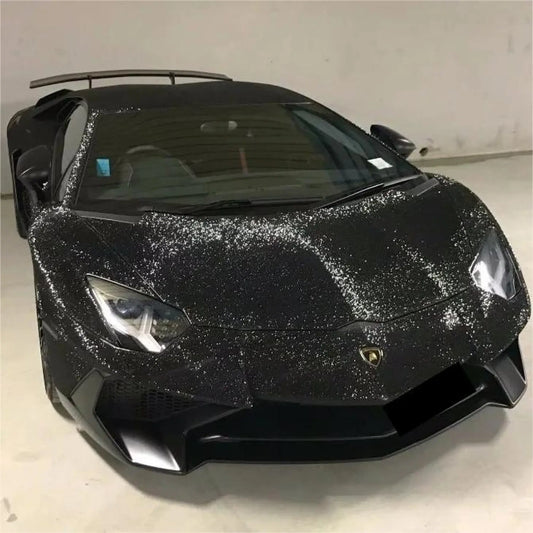
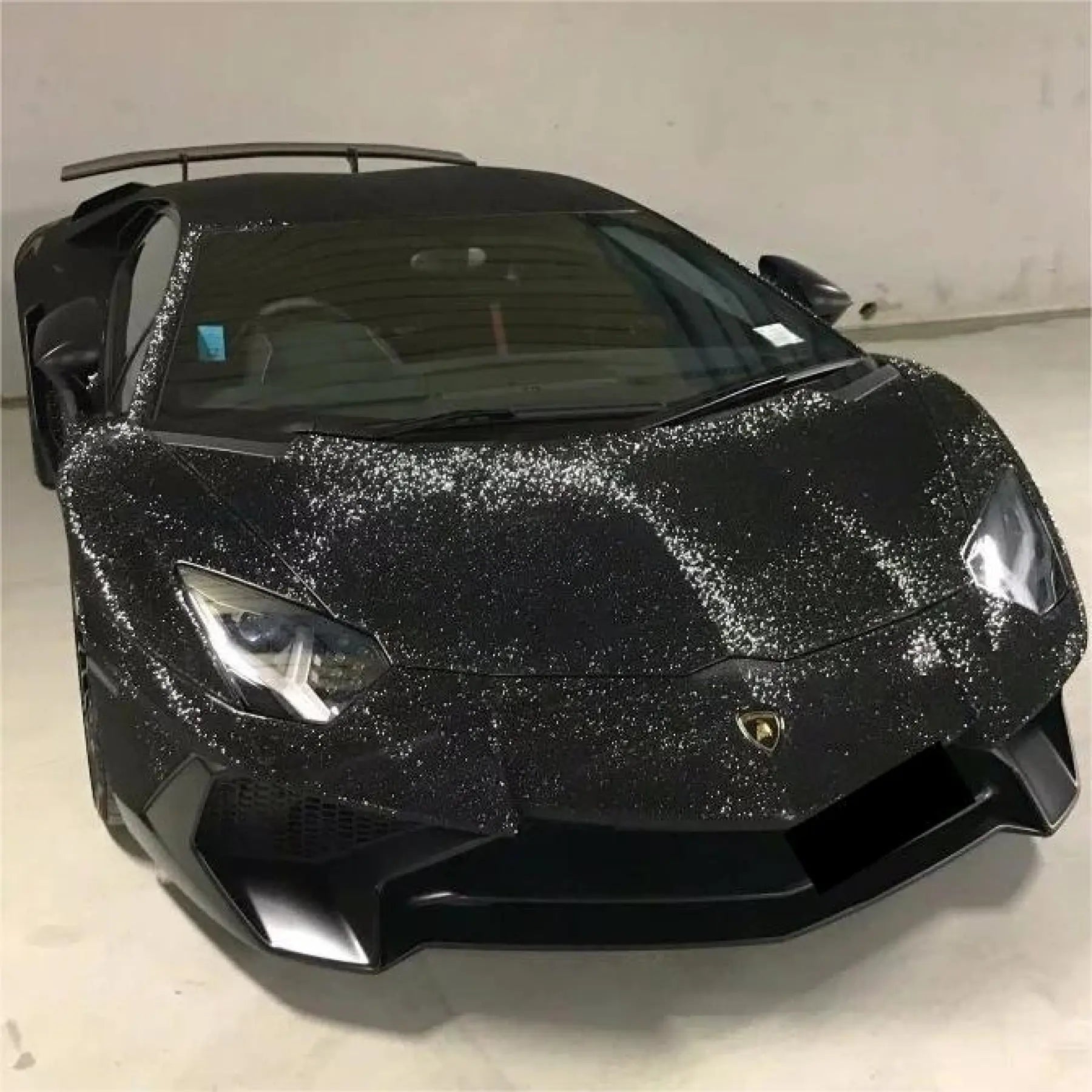
Consider the Glitter Sparkle Car Wrap collection for projects where visual impact matters most. These eye-catching materials transform ordinary vehicles into attention-grabbing showcases.
Every professional installer started as a beginner. With patience, proper preparation, and quality materials, anyone can master the fundamentals of vinyl wrap installation and create stunning vehicle transformations at home.

