



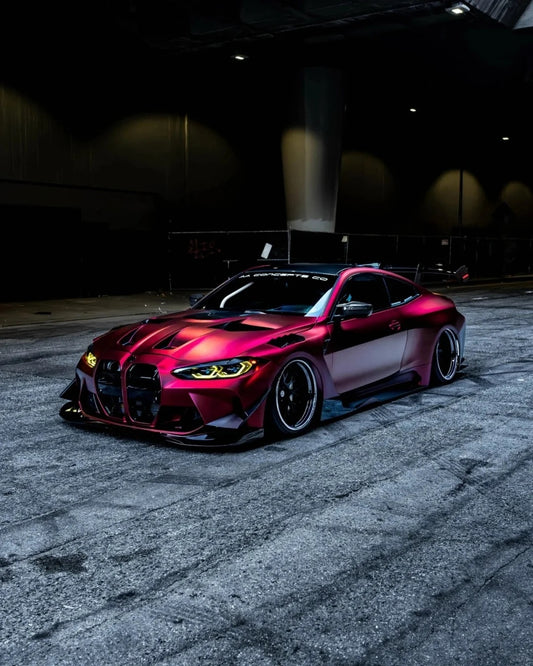
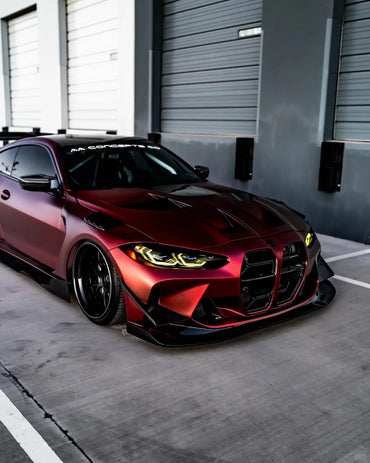
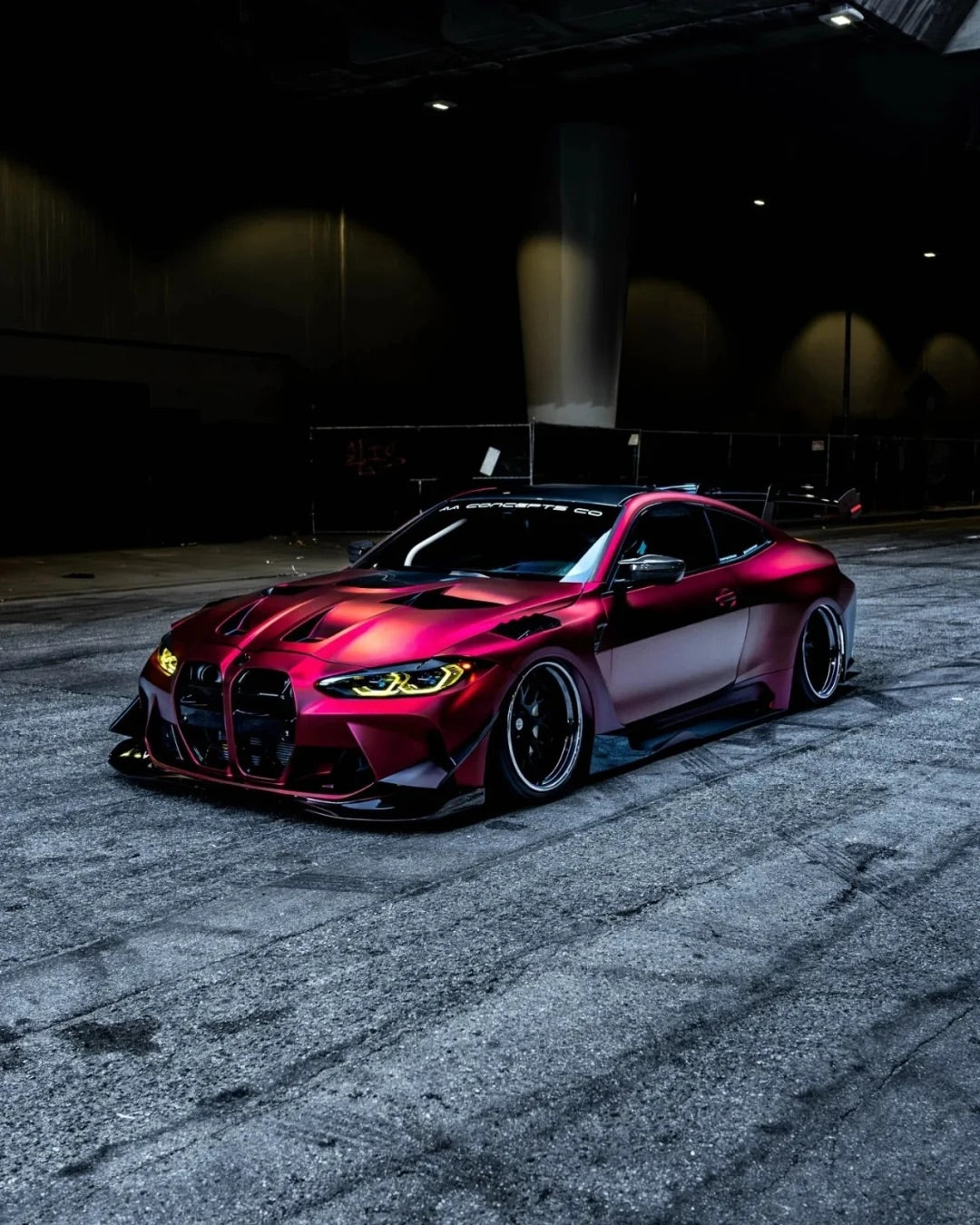
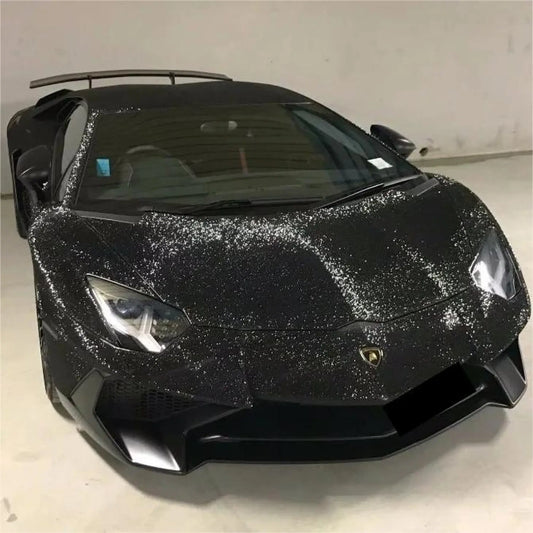
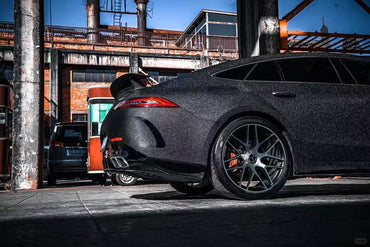
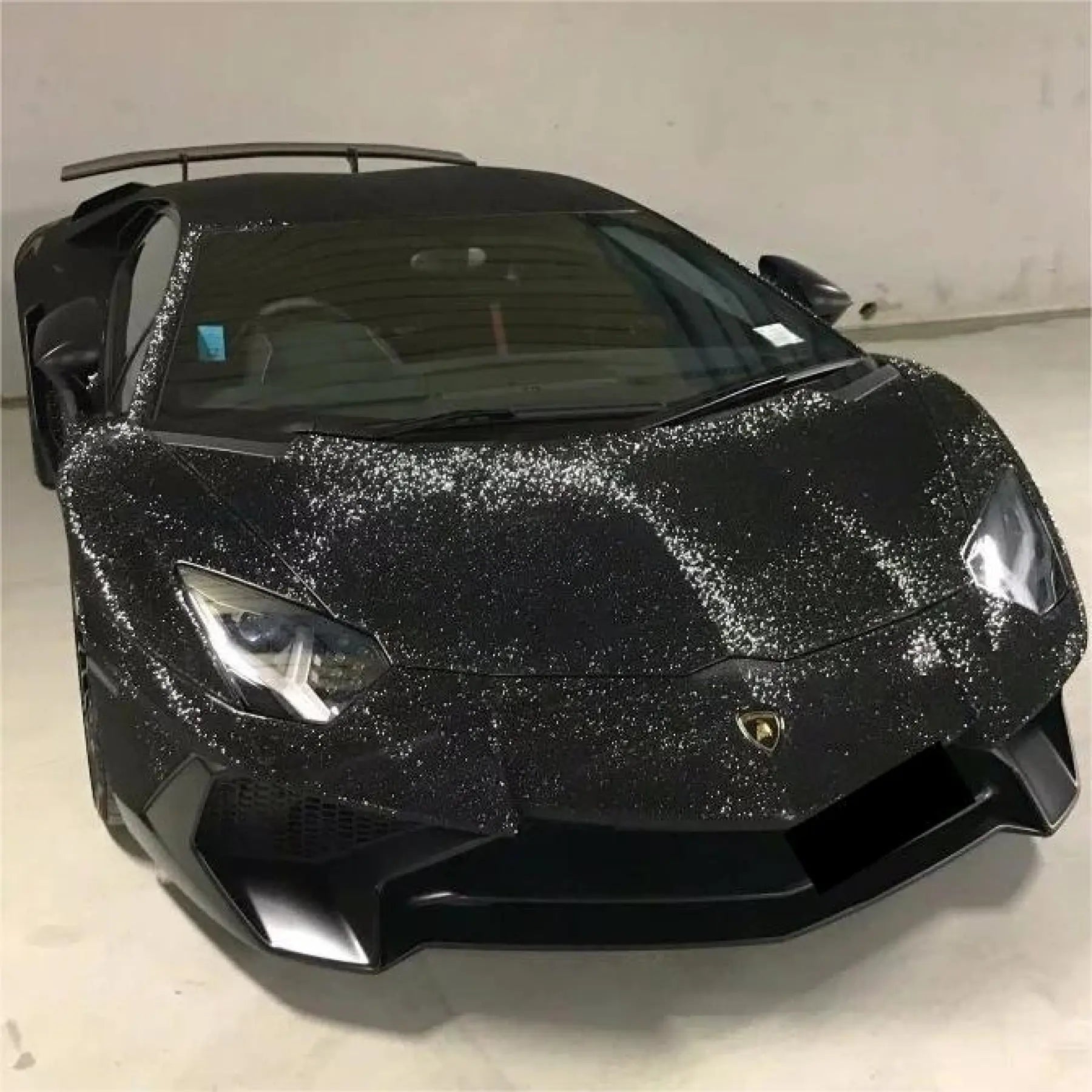
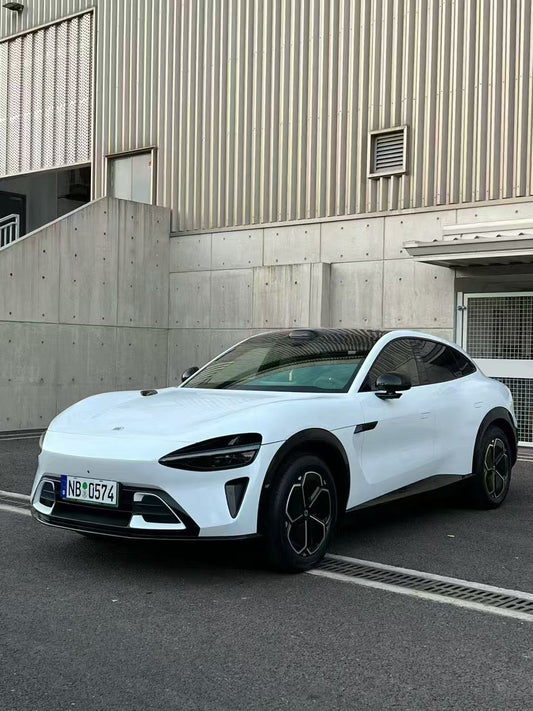
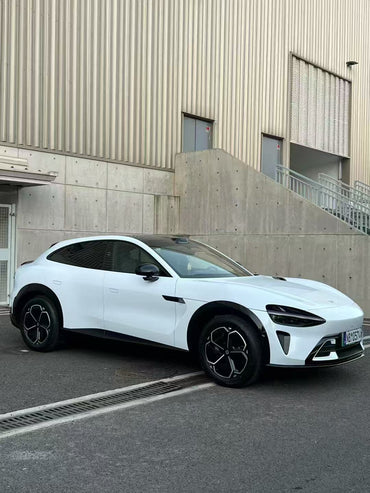
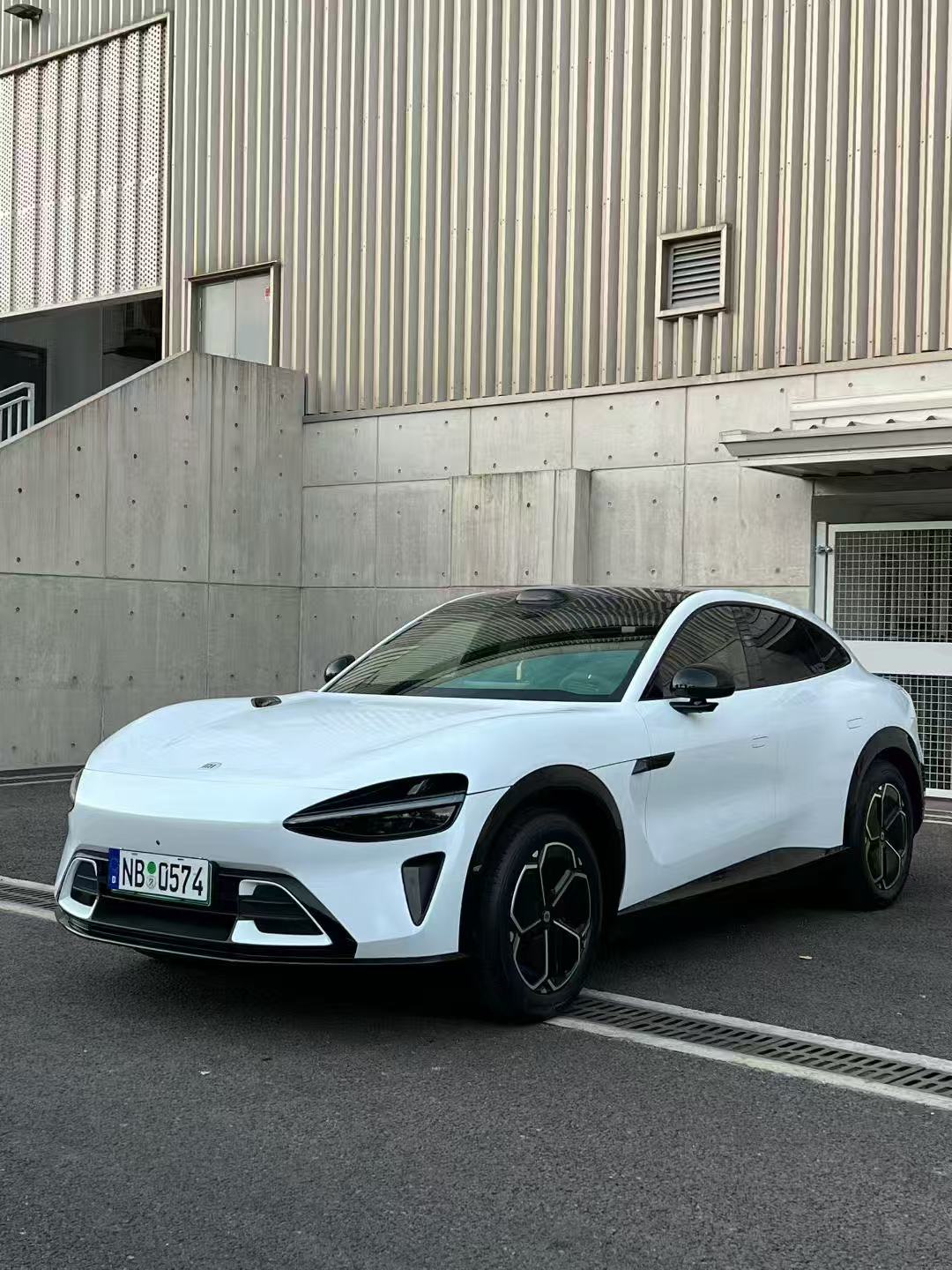


Colored PPF collapses that choice into a single layer. It is, at its core, a protective film that happens to carry color, and that small reordering of priorities changes everything about what the film can do for your vehicle. Instead of bolting a cosmetic layer on top of unprotected paint, you are applying a genuine protection product that also transforms how the car looks. The color and the armor are no longer competing line items. They are the same film.
This is the shift that has moved colored paint protection film from a niche curiosity into one of the fastest-growing categories in automotive customization, and it is worth understanding exactly how a single layer manages to do two jobs at once.
What Colored PPF Actually Is
The defining ingredient is the material. SailiFilm's colored PPF is built on professional-grade thermoplastic polyurethane, or TPU, the same core material engineering used to shield the front ends of exotic and luxury vehicles from road debris. The difference between a clear protection film and a colored one is not the protective backbone. It is that color pigment has been integrated into the film, so the urethane delivers a finished shade while still doing the protective heavy lifting underneath.
That distinction matters because TPU behaves nothing like the PVC vinyl used in a standard color-change wrap. TPU is thicker, more elastic, and engineered to absorb energy rather than simply sit on the surface as decoration. It conforms tightly around curves and edges, and it carries a set of performance properties that a decorative film cannot replicate: a self-healing topcoat, strong resistance to impacts, and a hydrophobic surface that sheds water and contaminants. When you apply colored PPF, you are not getting a watered-down protection product with tint added on. You are getting the protection film with the color change built in.
To understand where this technology comes from and how it developed from specialized industrial applications into mainstream automotive use, the paint protection film overview on Wikipedia gives useful background on the material's origins.
How One Layer Protects and Beautifies at the Same Time
The reason colored PPF can do two jobs is that the film is engineered in layers, each handling a different part of the work, all stacked into a single applied sheet.
The protective performance comes from the TPU body. When a stone or piece of road grit strikes the surface at speed, the thick urethane deforms slightly and distributes the impact energy across the film before it can reach and chip the clear coat beneath. This is the same principle that makes clear protection film standard on cars that get driven hard on real roads, and the colored version inherits it fully. SailiFilm's colored PPF is specified for exactly this: superior resistance to rock chips, stone damage, and road debris, alongside protection against UV rays, acid rain, and environmental contaminants.
The aesthetic performance comes from the pigment layer and the topcoat. The color is carried within the film rather than printed onto a thin surface, and it is finished with a high-gloss, crystal-clear topcoat that gives the shade real depth and vibrancy. Because the color sits under a clear protective layer, light passes through that topcoat and returns with a clarity that flat decorative film struggles to match. The result reads less like a sticker and more like a finished paint surface, with the protective film doing its work invisibly underneath the color you actually see.
The two functions are not in tension. The same layer that absorbs a rock chip is the layer carrying your Ferrari Red or Crystal Sky Blue, and the same topcoat that makes the color glossy is the one repelling water and resisting UV fade.
Self-Healing: The Property That Sets It Apart
If there is one capability that most clearly separates colored PPF from a vinyl wrap, it is self-healing.
The TPU topcoat is engineered so that light scratches and swirl marks are not permanent. When the surface picks up the fine marks that come from washing, brushing past the car, or daily micro-abrasion, applying heat causes those marks to disappear. Direct sunlight, warm water, or a heat gun all supply enough warmth to trigger the effect, and the surface returns to smooth without any polishing or manual intervention.
This is a fundamental advantage rather than a marketing flourish. A decorative vinyl wrap does not self-heal. Once its surface is marked, the only real fix is replacing the affected section, which means the finish slowly accumulates damage and dulls over the life of the wrap. A self-healing colored PPF surface, by contrast, keeps looking freshly installed for far longer, because the everyday scratches that would permanently mar a wrap simply heal out of the protective layer. For an owner who washes their own car or parks in tight spaces, that difference compounds month after month.
The hydrophobic property works alongside it. The same topcoat that heals also sheds water, so rain beads and rolls off, and road grime, bird droppings, and contaminants have a harder time bonding to the surface. The practical effect is a car that stays cleaner between washes and is easier to clean when it needs it.
A Finish That Protects Resale Value
There is a quieter benefit that matters enormously to anyone who plans to sell or return their vehicle: colored PPF is removable without damaging the paint underneath.
Because the film does its protecting on top of the factory finish rather than altering it, the original paint stays in its delivered condition for as long as the film is on the car. When it comes time to change the look or hand the vehicle back, the colored PPF comes off and reveals paint that has been shielded from chips, UV, and contaminants the entire time. For a leased vehicle, that means the film can be removed at lease end without the kind of paint damage that triggers penalties. For an owner, it means the protection layer has been actively preserving the asset rather than hiding wear on it.
This is the heart of why colored PPF reads as an investment rather than a cosmetic expense. You are not just changing a color. You are keeping the most value-sensitive surface on the car in factory condition while you enjoy a finish that looks nothing like the factory offered.
Choosing Your Color and Finish
SailiFilm's colored PPF range is built around vibrant, high-gloss shades that span the spectrum most owners are actually looking for. The lineup includes Crystal Sky Blue, Light Pink, Ferrari Red, and Blood Red, alongside Arctic Grey, Crystal Orange, Crystal White, and Piano Black, with additional variants across blue, green, grey, red, pink, purple, white, orange, and black families. Every option carries the same high-gloss finish and the same self-healing, hydrophobic TPU construction, so the choice between colors is purely a styling decision rather than a protection trade-off.
The films are stocked in a range of lengths starting at 5ft x 10ft and running up to 5ft x 79ft, which lets you size the material to the job. A partial application covering only the highest-impact zones at the front of the car uses a very different length than a full-vehicle color change, and the size structure is built to accommodate both. If you want to confirm how a particular shade reads under your own lighting before committing to a full install, testing a swatch first removes the guesswork.
Because TPU is thicker and stiffer than decorative vinyl and because the protective performance depends on correct application, professional installation is recommended for colored PPF. The film rewards specialized tools and trained technique with the clean, paint-like result it is capable of, and proper installation is also what preserves warranty coverage and long-term performance.
Where Colored PPF Fits in a Complete Build
Colored PPF does not have to be an all-or-nothing decision against decorative film. One of the most effective strategies pairs the two. Owners can apply a dramatic decorative finish from the car vinyl wrap range where visual impact matters most, then protect the high-strike zones with TPU paint protection wrap where rock chips actually land. Colored PPF, meanwhile, serves the owner who wants both functions resolved in a single layer across the whole panel.
Understanding which product fits which goal is its own topic, and the broader picture of where this technology is heading is worth following, the trajectory of color-changing PPF trends in 2026 shows how rapidly the colored TPU segment is expanding, and future articles on installation technique, color selection, and maintenance can build directly on the foundation laid here.
The Bottom Line
The old trade-off is gone. You no longer have to decide between the car you want to look at and the car you want to protect, because colored PPF delivers both in one engineered layer of TPU. The film carries your color in a deep, glossy finish while the same material absorbs rock chips, heals its own scratches with heat, sheds water, resists UV, and keeps the factory paint pristine underneath for the day you remove it.
That is what bridging protection and aesthetics in a single layer actually means: not a compromise between two products, but a single film that refuses to make you choose. Explore the full colored paint protection film range to find the shade that protects and transforms your vehicle at the same time, or start with a sample kit to see the color and gloss in person before your install.

