

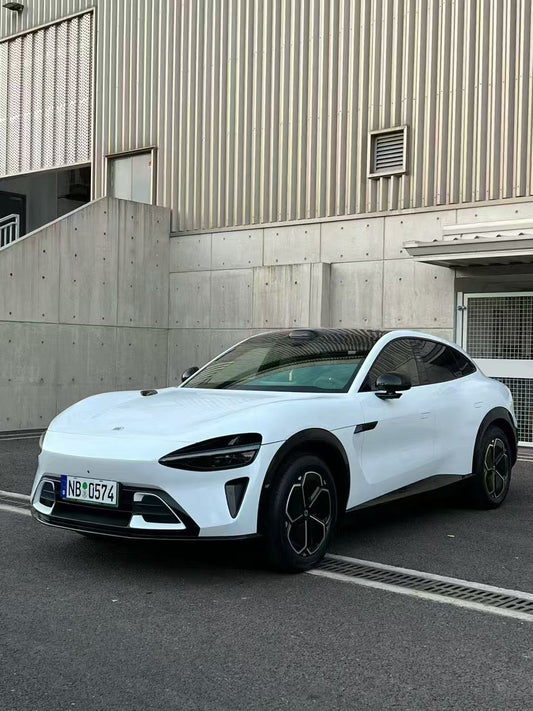
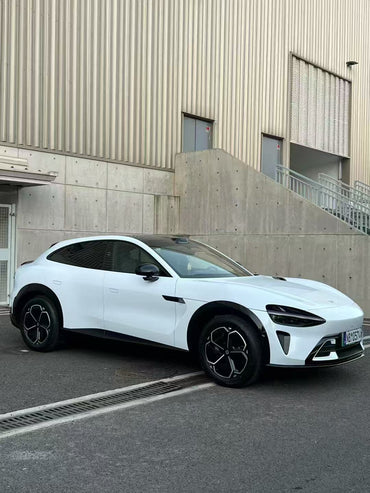
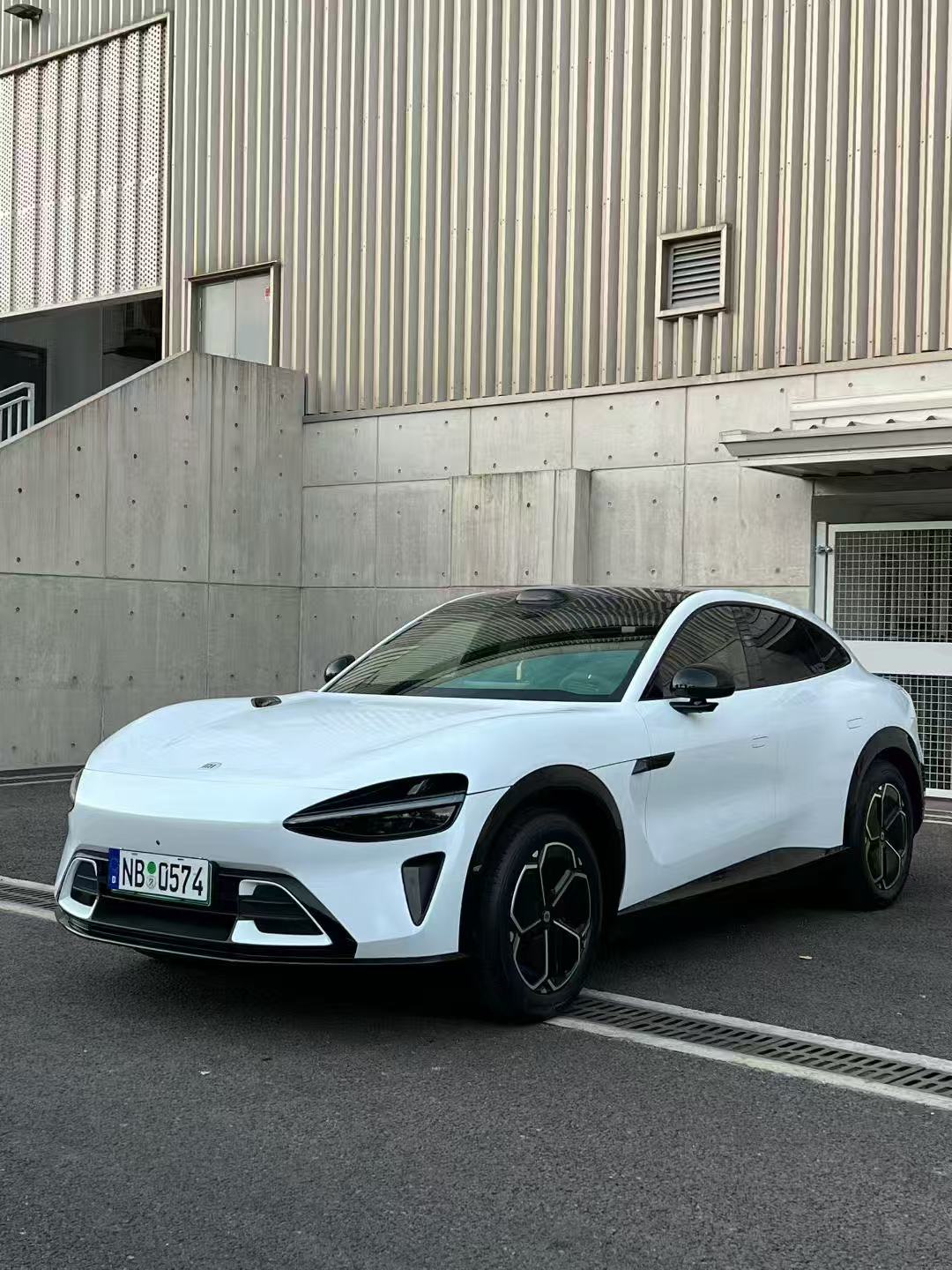


What Is Colored Paint Protection Film?
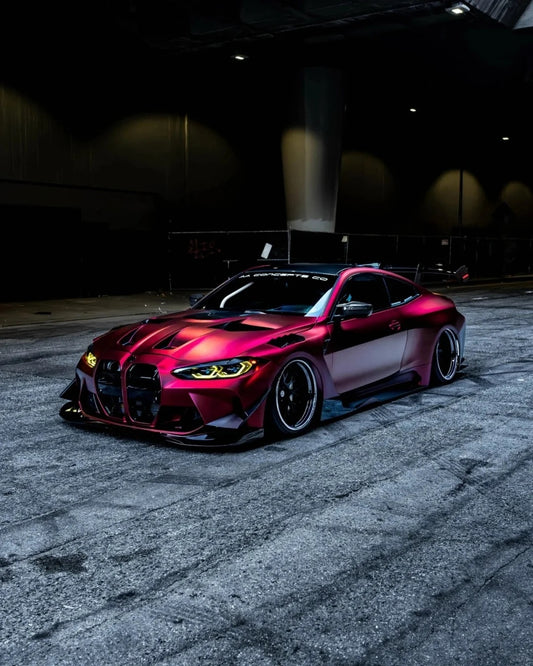
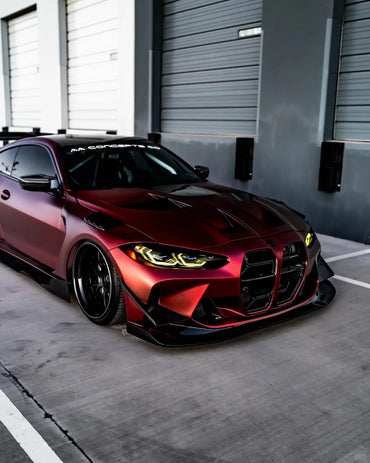
Colored paint protection film represents the convergence of aesthetic customization and advanced automotive protection. This innovative material uses thermoplastic polyurethane construction to create a protective barrier that simultaneously changes your vehicle's color while defending against environmental damage.
The technology originated from paint protection film developed for military helicopter applications, designed to protect rotor blades from debris. Modern colored PPF takes this protective heritage and adds vibrant pigments directly into the TPU layers. The result delivers self-healing properties that allow minor scratches to disappear when exposed to heat from sunlight or warm water.
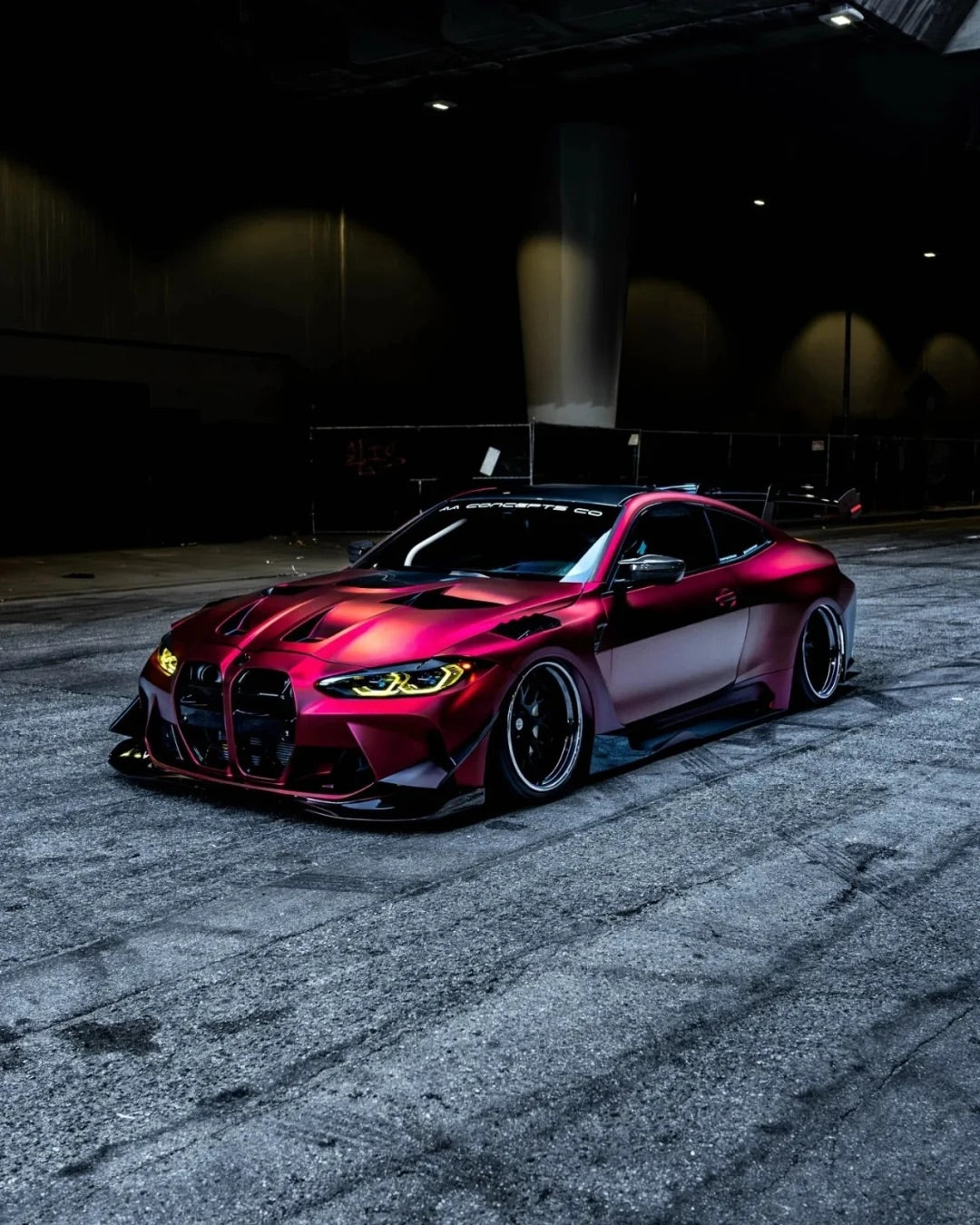
Sailifilm's Colored Paint Protection Film collection showcases this technology with options including Gloss Crystal Sky Blue, Ferrari Red, Blood Red, Arctic Grey, and Piano Black finishes. Each film provides comprehensive defense against rock chips, UV damage, acid rain, and road debris while delivering exceptional color depth.
Understanding Traditional Vinyl Wrap
Traditional vinyl wrap consists of thin adhesive-backed films applied to vehicle exteriors primarily for color transformation. Vehicle vinyl wrap technology uses cast or calendered vinyl that conforms to complex curves and body lines. This material excels at delivering unlimited design possibilities at accessible price points.
The Car Vinyl Wrap category encompasses numerous finishes and effects. Popular options include the Crystal Series with deep transparent hues, Metallic Series featuring brilliant shimmer effects, and eye-catching Rainbow Laser Vinyl Wrap that creates prismatic color shifts. The Dual Color Dream Series offers chameleon effects that shift between colors depending on viewing angle.
Material Construction and Thickness
The fundamental difference between these options lies in their construction. Colored PPF uses multi-layer TPU architecture typically measuring 7.5 to 8.5 mils thick. This substantial thickness provides genuine impact resistance that absorbs energy from stones and road debris before they reach your paint.
Sailifilm's TPU Paint Protection Wrap collection includes both 7.5mil and 8.5mil options in gloss and matte finishes. The thicker construction enables the self-healing topcoat to function effectively while maintaining optical clarity and color vibrancy.
Traditional vinyl wrap measures considerably thinner, typically 2-4 mils. This thinner profile makes installation easier on complex curves and recessed areas. Products like the Liquid Chrome Wrap collection achieve stunning mirror-like finishes that would be impossible with thicker PPF materials. The Ultra Matte Series delivers smooth, non-reflective aesthetics perfect for stealth builds.
Protection Capabilities Compared
Colored PPF provides substantially greater protection than vinyl wrap. The TPU construction creates a genuine shield against physical damage. Small stones kicked up by other vehicles strike the film surface and bounce away rather than chipping through to your factory paint. Minor scratches in the surface disappear through the self-healing process, keeping your vehicle looking pristine.
UV protection comes standard with quality colored PPF. The film blocks harmful ultraviolet rays that cause paint oxidation and fading over time. Hydrophobic topcoats repel water and contaminants, making maintenance easier while preventing staining.
Traditional vinyl wrap offers moderate protection against minor scratches and stone chips. The material provides a sacrificial layer between environmental hazards and your paint. However, significant impacts will damage both the vinyl and underlying paint. UV resistance varies by manufacturer and color, with some films fading or yellowing faster than others.
Durability and Longevity
High-quality colored PPF maintains its appearance for 5-10 years under normal driving conditions. The self-healing properties continuously repair surface damage, extending the film's aesthetic lifespan. Proper maintenance with appropriate cleaning products preserves the hydrophobic coating and color vibrancy throughout the film's service life.
Vinyl wrap typically lasts 3-5 years before requiring replacement. Exposure to intense sunlight, harsh weather, and environmental contaminants gradually degrades the material. Edges may begin lifting, colors can fade, and the surface becomes more susceptible to scratching as the film ages. Vertical surfaces generally last longer than horizontal panels that receive direct sun exposure.
Color Options and Finish Variety
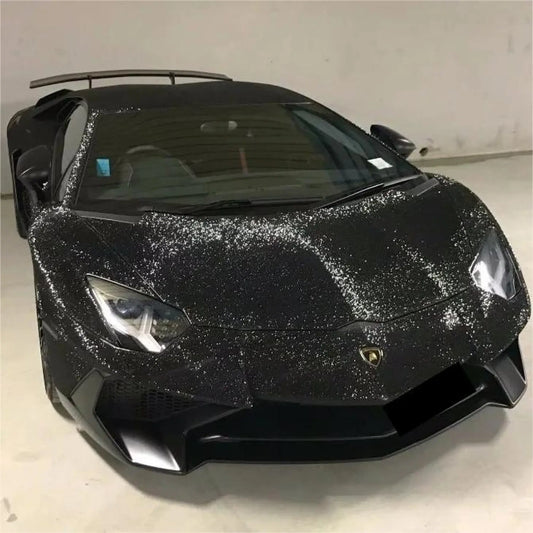
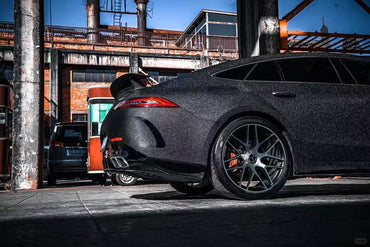
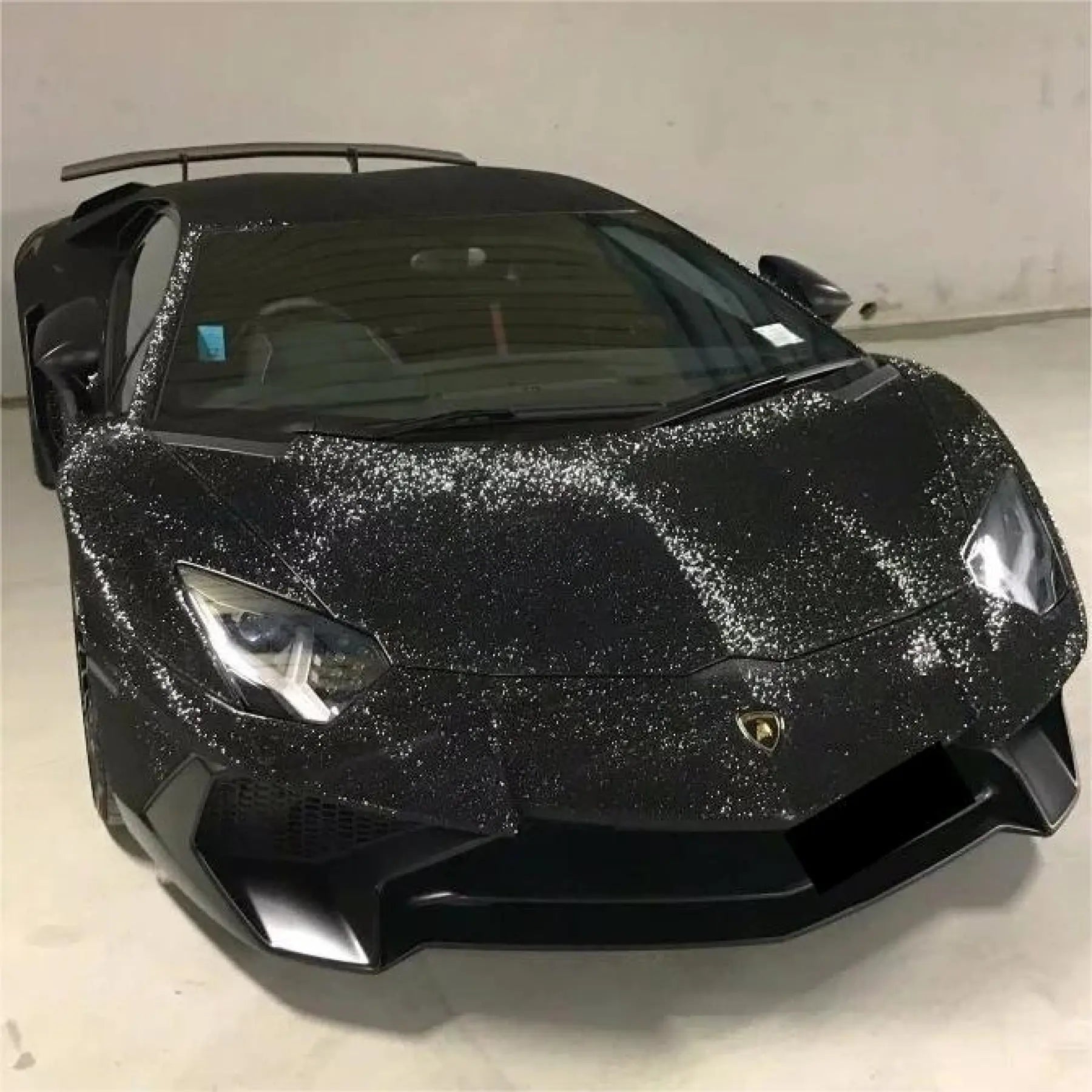
Traditional vinyl wrap currently offers broader color selection than colored PPF. The Glitter Sparkle Car Wrap collection features Diamond Glitter finishes in Pink, Black, and Silver that create dazzling sparkle effects impossible to achieve with standard paint. The 3D Carbon Fiber Wrap adds textured dimension that mimics real carbon fiber at a fraction of the cost.
Colored PPF collections continue expanding as manufacturers develop new pigment technologies. Current options focus on solid colors with gloss finishes, including bold reds, sophisticated greys, classic blacks, and vibrant blues. Limited color selection represents the primary constraint for drivers seeking unusual finishes.
Installation Complexity
Installing colored PPF demands advanced technical skills and specialized equipment. The thicker material requires precise heat management during application. Professional installers typically need 40-60 hours for full vehicle coverage using wet application methods. Bubbles, stretching marks, and edge lifting occur more frequently with improper technique.
Vinyl wrap installation, while still requiring skill, proves more forgiving for experienced installers. Air-release adhesive technology allows repositioning during application. Projects using quality films like the Metallic Vinyl Wrap collection typically complete faster than equivalent PPF installations. DIY enthusiasts can tackle simpler panels with proper preparation and Wrapping Tools.
Cost Analysis
Colored PPF commands premium pricing reflecting its advanced materials and protective capabilities. Full vehicle coverage typically costs 30-50% more than equivalent vinyl wrap installations. The higher initial investment delivers return through extended durability and genuine paint protection that preserves resale value.
Traditional vinyl wrap provides cost-effective color transformation. Materials for full vehicle coverage cost significantly less than colored PPF. Budget-conscious enthusiasts can achieve dramatic transformations without substantial financial commitment. Shorter lifespan means more frequent replacement, but lower per-installation costs offset this consideration for many owners.
Best Applications for Each Material
Colored PPF excels on luxury vehicles, performance cars, and daily drivers where owners prioritize long-term paint preservation alongside customization. High-exposure areas like front bumpers, hoods, and fenders benefit most from the enhanced impact protection. Drivers in regions with harsh weather, gravel roads, or significant highway driving should seriously consider colored PPF for genuine protection.
Traditional vinyl wrap suits enthusiasts who enjoy periodic style changes, commercial vehicle branding, show cars, and project vehicles where protection takes secondary importance to aesthetics. The Sample Kits available from quality suppliers allow testing colors and finishes before committing to full installations.
Maintenance Requirements
Both materials require regular washing using appropriate techniques. Touchless car washes and hand washing with pH-neutral soap preserve film surfaces. Avoid abrasive cleaners, automatic brushes, and high-pressure spraying at close range that can lift edges.
Colored PPF benefits from periodic ceramic coating applications that enhance hydrophobic properties. Minor scratches disappear with heat application from a heat gun or simply parking in direct sunlight. Professional inspection annually ensures edge seals remain intact.
Vinyl wrap requires gentler handling due to its thinner construction. Prompt removal of bird droppings, tree sap, and industrial fallout prevents staining. Some owners apply ceramic coatings for additional protection, though this adds expense to an economy-focused product.
Making Your Decision
Choose colored PPF when protection matters as much as appearance. Drivers planning to keep their vehicles long-term, those who frequently encounter road hazards, and owners of expensive vehicles benefit most from the enhanced durability. The higher initial cost pays dividends through preserved paint condition and extended film lifespan.
Select traditional vinyl wrap when style versatility and budget matter most. Enthusiasts who enjoy changing their vehicle's appearance regularly, commercial fleet operators needing branded graphics, and project car builders appreciate the flexibility and affordability vinyl wrap provides.
The Growing Trend Toward Protection
Industry data shows dramatically increased interest in colored PPF during 2025. Search volume for color PPF terminology has doubled compared to previous years. Luxury vehicle owners, Tesla drivers, and performance enthusiasts increasingly recognize that combined protection and customization delivers superior long-term value.
This shift reflects broader automotive trends prioritizing vehicle preservation. Rising new car prices make protecting existing investments more important. Environmental conditions including more severe weather events increase exposure to paint damage. Colored PPF addresses these concerns while satisfying the desire for personalized aesthetics.
Conclusion
Colored PPF and traditional vinyl wrap both transform vehicle appearance, but they serve distinct purposes. Colored PPF provides genuine protection through advanced TPU construction, self-healing properties, and exceptional durability that justifies premium pricing for owners prioritizing paint preservation. Traditional vinyl wrap delivers unlimited style possibilities at accessible price points for enthusiasts focused on aesthetics over protection.
Evaluating your priorities, budget, and driving conditions guides the right choice. Many owners combine both solutions, using colored PPF on high-impact zones while applying vinyl wrap elsewhere. Explore the complete selection at Sailifilm to find films matching your specific requirements and aesthetic vision. Browse the Best Sellers collection to discover the most popular options among automotive enthusiasts.
Matte vs gloss car wrap
Carbon fiber wrap benefits
Chameleon color-shifting wrap
Best car wrap colors 2026

