





The global carbon fiber vinyl wrap market continues expanding rapidly, projected to reach nearly one billion dollars with consistent annual growth. This surge reflects increasing demand for vehicle personalization and cost-effective customization solutions. According to Wikipedia's carbon fiber article, carbon fiber materials offer exceptional strength-to-weight ratios that have made them essential in aerospace, motorsports, and high-end automotive manufacturing.
Understanding Carbon Fiber Vinyl Wrap
Carbon fiber wrap consists of vinyl film featuring printed or textured patterns that replicate authentic carbon fiber appearance. The 3D carbon fiber wrap collection offers realistic textured patterns including forged fiber designs in both gloss and matte finishes. Unlike actual carbon fiber composites, vinyl wraps remain flexible, lightweight, and easy to apply on various surfaces.
Modern carbon fiber wraps utilize advanced printing and embossing technologies that create three-dimensional textures mimicking genuine woven carbon fiber. These films feature air-release adhesive technology enabling bubble-free installation even on complex curved surfaces. The vinyl substrate provides scratch resistance, UV protection, and durability while delivering that distinctive performance aesthetic.
Carbon fiber vinyl serves both aesthetic and protective purposes. The film shields underlying surfaces from scratches, minor impacts, and environmental damage while completely transforming visual appearance. Removal remains possible without damaging original paint or surfaces, making wraps ideal for leased vehicles or those wanting temporary modifications.
Types of Carbon Fiber Wrap Patterns
Carbon fiber wraps come in multiple pattern variations, each offering distinct visual characteristics. Understanding these differences helps select the most appropriate style for specific applications and personal preferences.
3D Carbon Fiber Wrap
Three-dimensional carbon fiber wrap features raised texture that replicates the tactile quality of genuine carbon fiber. Running fingers across the surface reveals the woven pattern rather than smooth flat vinyl. This textured construction adds depth and authenticity that flat printed patterns cannot achieve. The 3D effect becomes particularly noticeable under direct lighting where shadows emphasize the weave pattern.
4D Carbon Fiber Wrap
Four-dimensional carbon fiber wrap builds upon 3D texture by adding enhanced depth perception through multiple visual layers. The 4D Carbon Fiber Gloss Black Fiber Car Vinyl Wrap creates illusion of greater depth within the weave pattern. Light interacts with the multi-dimensional surface differently depending on viewing angle, producing dynamic visual effects that closely approximate real carbon fiber components.
Forged Carbon Fiber Wrap
Forged carbon fiber represents a distinctly different aesthetic from traditional woven patterns. Instead of uniform weave structure, forged carbon displays random, marbled appearance created by compressed chopped carbon fibers. This unique look gained popularity through high-end automotive manufacturers and luxury goods. Forged carbon wraps replicate this modern aesthetic that appeals to those seeking differentiation from common woven patterns.
The Carbon Fiber Matte Black Forging Fiber and Gloss Black Forged options provide this contemporary marbled carbon look. Each piece appears visually unique since the random fiber orientation creates non-repeating patterns. Red forged carbon variants offer bold alternatives for those wanting color combined with the distinctive forged aesthetic.
Gloss vs Matte Carbon Fiber Finishes
Carbon fiber wraps come in both gloss and matte finishes, each creating distinctly different visual impacts. Gloss carbon fiber reflects light dramatically, creating vibrant, eye-catching surfaces that emphasize the weave pattern through shininess and contrast. This finish suits vehicles and applications where maximum visual impact is desired. The reflective quality makes colors appear deeper and textures more pronounced.
Matte carbon fiber provides understated sophistication through light-absorbing surfaces. The non-reflective finish creates smooth, modern appearance that many consider more refined and less flashy than gloss alternatives. Matte finishes hide minor imperfections better and show fingerprints less visibly, making them practical choices for frequently touched surfaces like interior trim pieces.
Both finish types work excellently depending on desired aesthetic. Sports cars and performance vehicles often benefit from gloss finishes that emphasize aggressive styling. Luxury vehicles may suit matte finishes better for understated elegance. The ultra matte wrap collection offers additional matte finish options beyond carbon fiber patterns.
Popular Carbon Fiber Wrap Applications
Carbon fiber wrap versatility enables application across numerous vehicle surfaces and accessories. Understanding common applications helps identify opportunities for customization projects.
Hood, Roof, and Trunk Wraps
Vehicle hoods represent the most popular carbon fiber wrap application, providing prominent visibility that transforms front-end appearance dramatically. Carbon fiber hood wraps create race-inspired aesthetics suggesting performance modifications underneath. Roof wraps add contrast against body color while reducing heat absorption compared to dark paint. Trunk lids complete the performance look, particularly on sports cars and sedans where spoilers may accent the carbon fiber surface.
Mirror Caps and Trim Accents
Side mirror caps offer accessible entry points for carbon fiber customization. These smaller surfaces require less material and time while creating noticeable visual impact. Door handle covers, window surrounds, front grille accents, and fender vents all serve as accent opportunities. Coordinating multiple small carbon fiber accents creates cohesive performance-inspired styling throughout the vehicle exterior.
Interior Trim Applications
Dashboard panels, center consoles, door cards, and steering wheel accents represent excellent interior carbon fiber opportunities. The high-tech appearance suits modern vehicle interiors while providing protection for frequently touched surfaces. Console surrounds, air vent rings, and gear shift trim pieces create premium cabin aesthetics at modest cost compared to genuine carbon fiber interior packages offered by manufacturers.
Full Vehicle Carbon Fiber Wraps
Complete vehicle coverage in carbon fiber creates dramatic transformation that commands attention everywhere. While less common than partial applications, full carbon fiber wraps suit show cars, racing vehicles, or owners seeking maximum visual impact. Browse the complete car vinyl wrap collection for additional wrap style options that complement or contrast with carbon fiber accents.
Applications Beyond Automotive
Carbon fiber vinyl wrap extends far beyond vehicle applications. The same material works excellently on electronics, furniture, appliances, and various accessories. Laptops, gaming consoles, smartphones, and tablets receive carbon fiber wraps for premium appearance and scratch protection. Kitchen appliances, furniture surfaces, and home decor items transform with carbon fiber accents.
Motorcycles, boats, ATVs, golf carts, and recreational vehicles all benefit from carbon fiber customization. The SEMA Show consistently showcases innovative carbon fiber applications across all vehicle types, demonstrating the material's versatility in automotive customization. Sports equipment including bicycles, helmets, and protective gear frequently features carbon fiber wraps for both aesthetics and identification.
Carbon Fiber Wrap Installation Tips
Successful carbon fiber wrap installation requires proper preparation and technique. Surface cleaning and decontamination ensure adhesive bonds correctly without debris trapped beneath the film. Isopropyl alcohol removes residual oils and contaminants that could cause lifting or bubbling over time.
Heat application enables conforming vinyl around curves, recesses, and complex shapes without distorting the carbon fiber pattern. Quality wraps maintain pattern integrity when stretched properly, while inferior products may show visible distortion. Professional-grade wrapping tools including squeegees, heat guns, and cutting tools significantly impact installation quality.
Air-release adhesive technology in modern wraps allows repositioning during installation and eliminates bubbles by channeling trapped air to edges. Working from center outward pushes air ahead of the squeegee rather than trapping it beneath. Post-heating applied edges and complex curves ensures long-term adhesion without lifting.
Maintenance and Durability
Well-maintained carbon fiber wraps typically last five to seven years in outdoor applications. Proper care extends this lifespan significantly while maintaining appearance quality. Regular washing with mild soap and water removes contaminants that could damage the vinyl surface over time. Avoiding harsh chemicals, abrasive materials, and automatic car washes with spinning brushes prevents premature wear.
UV resistance built into quality carbon fiber wraps prevents fading and color degradation from sun exposure. However, prolonged direct sunlight still affects longevity, making garage parking beneficial for preserving wrap condition. The Motor Trend car care guide provides additional tips for maintaining wrapped vehicle surfaces in optimal condition.
Addressing damage promptly prevents problems from spreading. Small tears, lifted edges, or bubbles should be repaired quickly before they expand. Heat application can often re-seat lifted edges, while damaged sections may require patch repairs or panel replacement. Professional inspection helps identify issues before they become major problems.
Carbon Fiber Wrap vs Real Carbon Fiber Cost
Genuine carbon fiber components carry substantial price premiums reflecting their complex manufacturing processes and material costs. A single carbon fiber hood from an OEM manufacturer might cost thousands of dollars plus installation labor. Aftermarket carbon fiber parts offer some savings but still represent significant investments. Additionally, real carbon fiber requires specialized repair techniques and cannot simply be repainted if damaged.
Carbon fiber vinyl wrap delivers the same visual aesthetic at dramatically lower cost. Full hood wraps typically cost under one hundred dollars for materials, making multiple accent pieces affordable within modest budgets. The reversibility means changing styles costs only new wrap material rather than entire component replacement. Explore sample kits to evaluate carbon fiber patterns in person before committing to larger purchases.
Combining Carbon Fiber with Other Wrap Styles
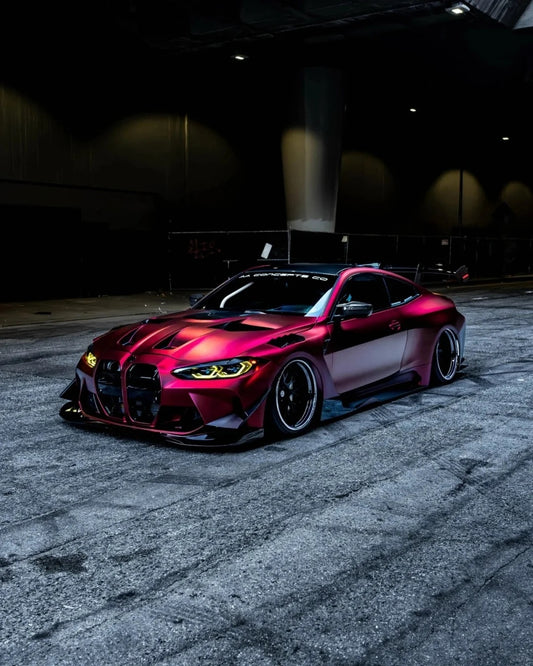
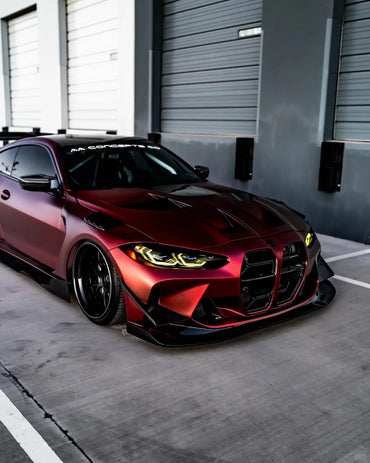
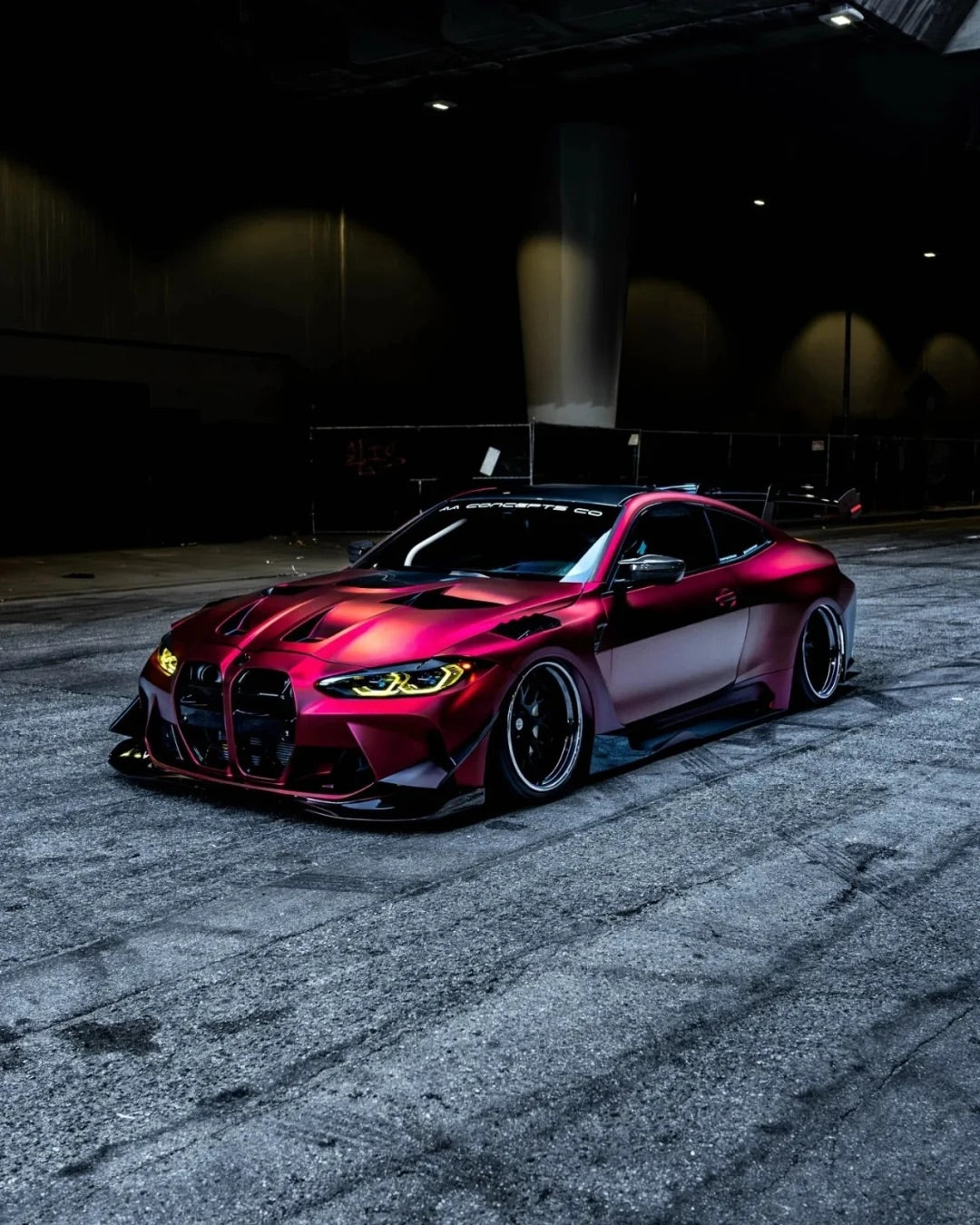
Carbon fiber wrap pairs excellently with other vinyl styles for multi-dimensional customization. Matte or satin body wraps with carbon fiber accent pieces create cohesive yet varied aesthetics. The metallic vinyl wrap collection includes colors like Midnight Purple and Vampire Red that complement carbon fiber accents dramatically.
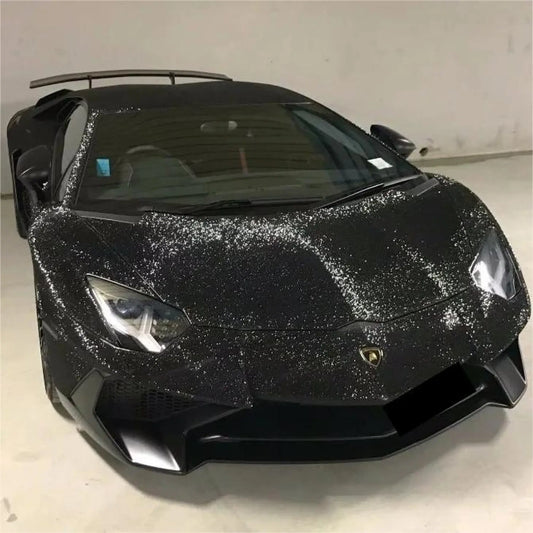
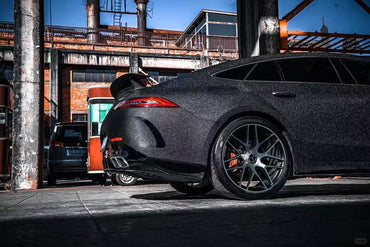
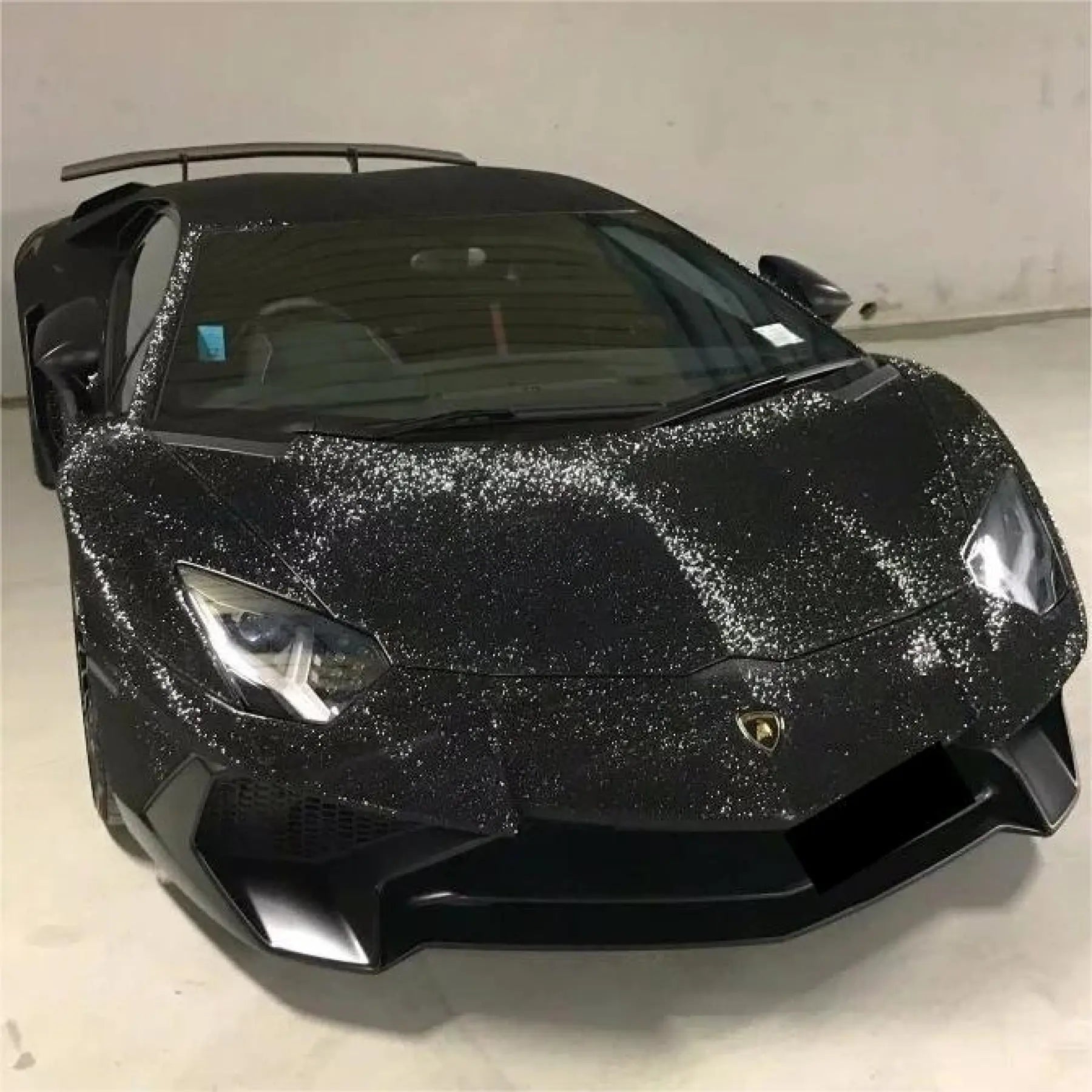
Color-shifting wraps from the rainbow laser vinyl collection create stunning contrast with carbon fiber elements. The liquid chrome wrap options offer mirror-like finishes that highlight carbon fiber textures when used together. Even glitter sparkle wraps can accent carbon fiber installations for unique combinations.
Carbon Fiber Wrap with Paint Protection
For vehicle owners prioritizing protection alongside aesthetics, combining carbon fiber accents with paint protection film creates optimal results. Clear TPU paint protection wrap protects high-impact areas while carbon fiber wraps accent specific panels. This hybrid approach balances visual transformation with serious paint preservation.
Alternatively, colored paint protection film offers color transformation with superior protection properties including self-healing technology. Combining colored PPF body coverage with carbon fiber accent wraps achieves comprehensive customization while maintaining maximum paint defense.
Transform Your Vehicle with Carbon Fiber Wrap
Carbon fiber vinyl wrap offers accessible entry into the world of performance-inspired vehicle customization. From subtle interior accents to dramatic full-exterior transformations, carbon fiber patterns deliver high-tech aesthetics without high-end costs. The variety of patterns including 3D textured, 4D multi-dimensional, and forged carbon designs ensures options exist for every preference. Browse the complete 3D carbon fiber wrap collection to discover forged fiber patterns in gloss and matte finishes, available in black and red color options.
Whether wrapping hoods, mirrors, interior trim, or entire vehicles, carbon fiber vinyl delivers motorsport heritage and premium appearance. Check best sellers for popular wrap choices among enthusiasts worldwide. Quality materials, proper installation techniques, and appropriate maintenance ensure carbon fiber wraps provide years of striking visual impact and surface protection.
How to install carbon fiber hood wrap step by step
Forged carbon fiber vs woven pattern comparison
Best carbon fiber wrap for interior trim
3D vs 4D vs 5D carbon fiber wrap differences
Carbon fiber mirror cap installation guide
How to maintain carbon fiber vinyl wrap
Red carbon fiber wrap styling ideas
Carbon fiber wrap for motorcycle fairings

