





Understanding Carbon Fiber Vinyl Wrap Technology
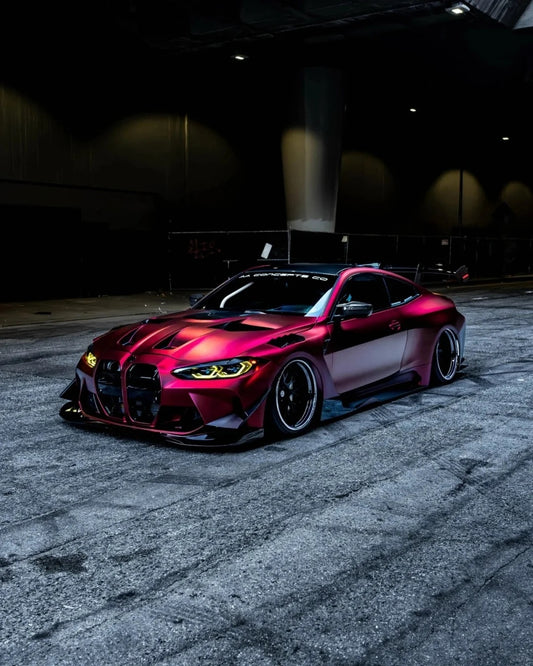
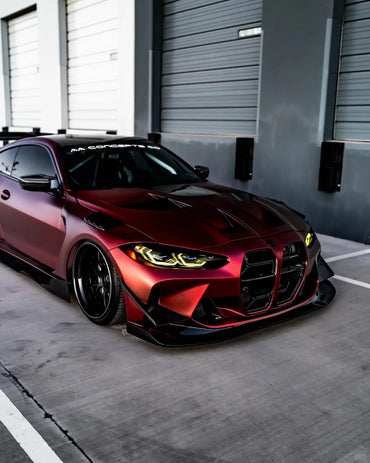
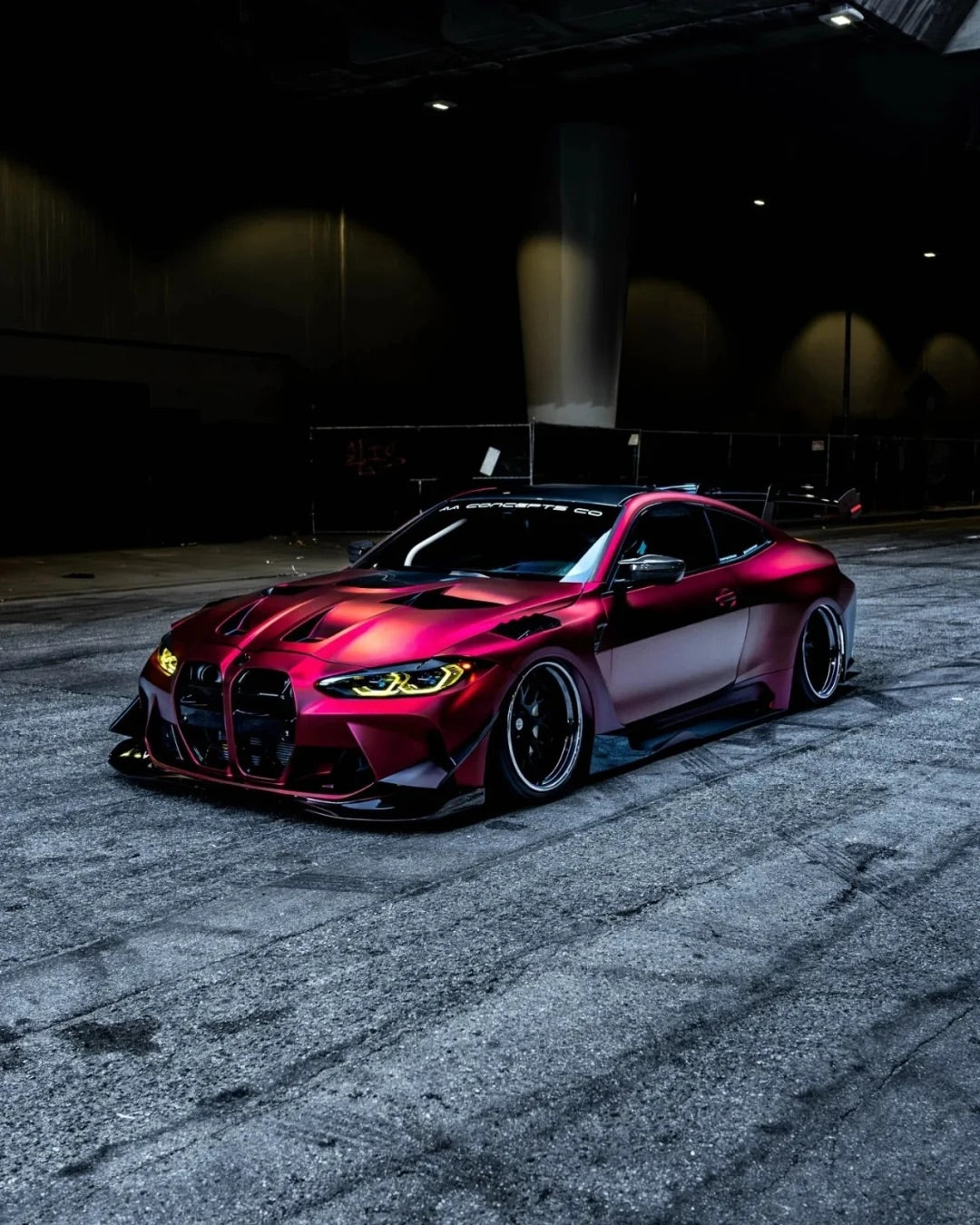
Carbon fiber vinyl wrap delivers a motorsport-inspired aesthetic that transforms ordinary vehicles into head-turning machines. Unlike genuine carbon fiber composite materials used in aerospace and high-performance racing applications, vinyl wraps replicate this premium appearance through advanced printing and texturing techniques. The result provides visual impact without the substantial cost associated with authentic carbon fiber components.
Modern carbon fiber wraps utilize premium PVC or TPU-backed films engineered for durability and conformability. These materials stretch and conform to complex vehicle curves while maintaining their textured appearance across various viewing angles. Air-release technology embedded in quality films ensures bubble-free installation on challenging surfaces including hoods, roofs, mirrors, and interior trim panels.
The 3D Carbon Fiber Wrap Collection showcases how advanced manufacturing creates realistic depth and texture that closely mimics authentic composite materials. This technology has democratized automotive customization by making premium aesthetics accessible to a broader audience of vehicle owners.
The Forged Carbon Fiber Aesthetic
Forged carbon fiber vinyl presents a fundamentally different visual character compared to traditional woven patterns. This style emerged from actual manufacturing processes developed for high-performance supercar components, where chopped carbon fiber strands are compressed under high pressure to create structural parts with distinctive visual properties.
The forged pattern displays a random, marbled appearance with irregular shapes and varying fiber directions throughout the surface. This creates a unique aesthetic where no two sections appear identical, producing a dynamic visual effect that shifts dramatically under different lighting conditions. The pattern resembles abstract marble or geological formations rather than the orderly weave associated with conventional carbon fiber.
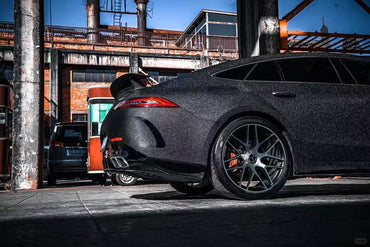
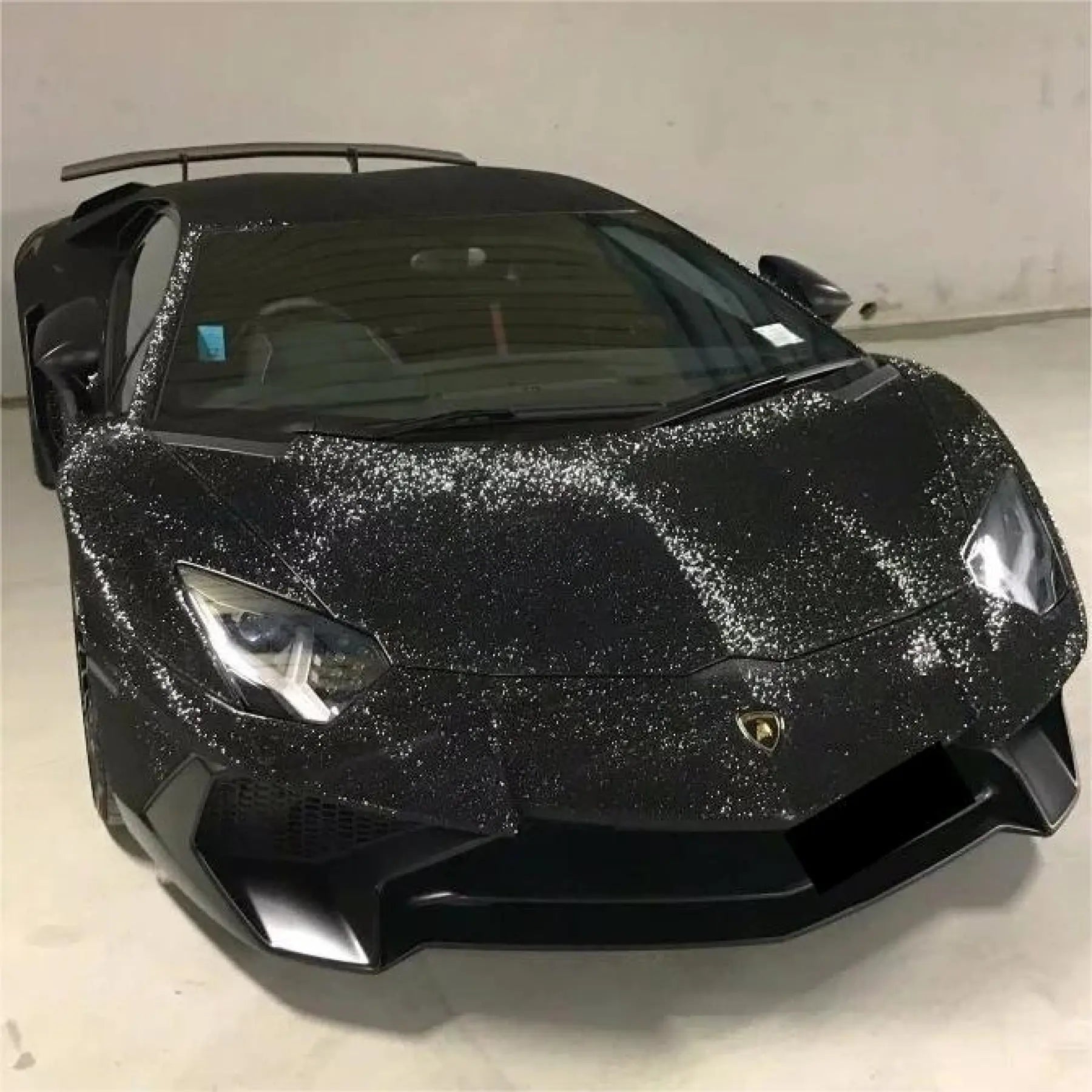
Vehicle owners seeking exclusivity gravitate toward forged carbon fiber because of its association with exotic manufacturers. Several renowned supercar brands popularized this aesthetic on production vehicles, creating immediate recognition among automotive enthusiasts. The Carbon Fiber Gloss Black Forged Car Vinyl Wrap captures this premium appearance with impressive accuracy.
Characteristics of Forged Carbon Fiber Wrap
The visual depth created by forged patterns produces exceptional light play across treated surfaces. Sunlight and artificial illumination interact with the random fiber orientation to create shifting highlights and shadows that appear almost three-dimensional. This dynamic quality makes forged carbon particularly striking on exterior panels where lighting conditions constantly change.
Forged patterns work exceptionally well for accent applications rather than full vehicle coverage. Hood accents, mirror caps, splitters, diffusers, and interior trim pieces showcase this aesthetic effectively without overwhelming the overall vehicle design. The bold visual statement pairs naturally with aggressive body lines and performance-oriented styling cues.
The Carbon Fiber Matte Black Forging Fiber Car Vinyl Wrap demonstrates how matte finishes complement the forged texture by reducing glare while enhancing the pattern's depth perception.
Traditional Woven Carbon Fiber Patterns
Woven carbon fiber represents the classic interpretation that most people immediately recognize. The distinctive cross-hatch pattern created by intersecting fiber strands at regular intervals produces a uniform, symmetrical appearance that has defined high-performance aesthetics for decades.
This traditional pattern originated from actual carbon fiber manufacturing where continuous strands are woven together in various configurations including twill, plain weave, and satin patterns. Each weave style creates subtly different visual characteristics, though the twill weave remains most popular for automotive applications due to its balanced appearance and distinctive diagonal lines.
Evolution of Woven Carbon Fiber Vinyl
Modern woven carbon fiber vinyl has evolved through multiple generations of development. Early versions offered basic visual representation, but contemporary films achieve remarkable realism through advanced embossing and printing techniques. The progression from 3D through 4D, 5D, and 6D designations reflects increasing depth, gloss, and textural authenticity.
Higher-dimension films incorporate multiple layers that create genuine depth perception rather than flat printed graphics. The 4D Carbon Fiber Gloss Black Fiber Car Vinyl Wrap exemplifies this advancement with enhanced visual depth and reflective properties that respond naturally to varying light sources.
Woven patterns excel in applications requiring cohesive coverage across larger surfaces. Full hood wraps, roof panels, and trunk lids maintain visual consistency that complements factory design elements. The regular pattern integrates naturally with vehicle body lines without creating visual competition or distraction.
Comparing Visual Impact and Applications
Selecting between forged and woven carbon fiber depends largely on the intended aesthetic outcome and application areas. Each style brings distinct advantages for specific uses.
Exterior Applications
For dramatic accent pieces that command attention, forged carbon fiber creates maximum visual impact on limited surface areas. Mirror caps, antenna covers, and small trim pieces become focal points when treated with forged patterns. The irregular texture creates visual interest that draws the eye without requiring extensive coverage.
Traditional woven patterns serve better for larger panels where visual continuity matters. Full hood coverage, roof wraps, and extensive trunk treatments benefit from the uniform appearance that woven textures provide. The regular pattern maintains consistency across seams and panel transitions, creating professional results that appear integrated rather than applied.
The Crystal Vinyl Wrap collection offers alternative aesthetic options for those seeking different visual effects that complement carbon fiber accents on the same vehicle.
Interior Applications
Dashboard trim, center console panels, door handles, and steering wheel accents represent popular interior carbon fiber applications. Both forged and woven patterns work effectively in these confined spaces, though the choice often reflects personal preference and overall interior design themes.
Forged patterns add contemporary sophistication to modern interiors with minimalist design languages. The random texture provides visual interest without introducing patterns that might conflict with other interior elements. Matte forged finishes reduce glare from interior lighting and sunlight, maintaining visibility and comfort during driving.
Woven textures complement traditional sports car interiors and vehicles with established motorsport heritage. The classic pattern resonates with enthusiasts who appreciate conventional high-performance aesthetics. Gloss finishes on woven carbon create eye-catching accents that elevate interior ambiance.
Color Variations Beyond Black
While black dominates carbon fiber aesthetics, colored options expand creative possibilities for vehicle customization. Red carbon fiber has emerged as a popular alternative that maintains the motorsport connection while introducing distinctive character.
The Carbon Fiber Gloss Red Forged Car Vinyl Wrap demonstrates how color transforms the forged aesthetic. Red fibers interspersed throughout the random pattern create a bold statement that works particularly well on sports cars and performance vehicles where aggressive styling already establishes strong visual presence.
Similarly, the Carbon Fiber Matte Red Forging Fiber Car Vinyl Wrap offers a more subdued approach with reduced gloss that emphasizes texture over reflection. This option suits vehicles where understated elegance takes priority over attention-grabbing shine.
Durability and Protection Considerations
Beyond aesthetic appeal, quality carbon fiber wraps provide practical protection for underlying painted surfaces. The vinyl layer shields factory paint from minor scratches, UV radiation, bird droppings, tree sap, and road debris that cause gradual deterioration over time.
Premium wraps measuring 3 to 4 mils thickness offer meaningful protection while adding virtually no weight to vehicle panels. This protective benefit preserves original paint condition, potentially enhancing resale value when the wrap is eventually removed. Clean removal without adhesive residue or surface damage represents a key advantage of quality vinyl products.
The TPU Paint Protection Wrap collection addresses situations requiring maximum protection with thicker, self-healing films. Combining strategic PPF coverage with carbon fiber accents creates comprehensive protection that satisfies both aesthetic and practical priorities.
For more information about paint protection technology, the Wikipedia article on automotive films provides helpful background on protective coating development.
Installation Considerations
Both forged and woven carbon fiber wraps share similar installation requirements, though pattern characteristics affect certain aspects of the process. Air-release technology in quality films enables bubble-free application regardless of pattern style, though proper technique remains essential for professional results.
Woven patterns demand careful attention to alignment across panel transitions. The regular weave creates obvious visual discontinuity when adjacent sections fail to match precisely. Experienced installers develop techniques for maintaining pattern consistency across complex vehicle surfaces.
Forged patterns offer more forgiveness during installation because the random texture lacks repeating elements that reveal misalignment. This characteristic makes forged carbon slightly more approachable for less experienced installers while still requiring proper surface preparation and application technique.
The Wrapping Tools Collection provides essential equipment for both professional installers and DIY enthusiasts tackling carbon fiber wrap projects. Proper squeegees, heat guns, and cutting tools significantly improve installation outcomes regardless of pattern choice.
Making the Right Choice for Your Vehicle
Consider your vehicle's existing design language when selecting between forged and woven carbon fiber. Modern vehicles with angular styling and aggressive body lines often pair naturally with forged patterns that echo their contemporary aesthetic. Classic sports cars and vehicles with traditional performance heritage may benefit from woven patterns that align with established expectations.
Think about coverage extent and application areas before committing to either style. Partial coverage with accent pieces allows experimentation with forged patterns, while extensive coverage typically favors the visual consistency of woven textures.
Budget considerations also influence pattern selection, as both options occupy similar price ranges in the premium wrap market. The Sample Kits Collection enables direct comparison of different patterns and finishes before committing to full-size material purchases.
Beyond Carbon Fiber: Complementary Wrap Options
Vehicle customization rarely involves single material choices. Carbon fiber accents often combine with other wrap styles to create cohesive custom appearances that express individual personality and taste.
The Metallic Vinyl Wrap collection provides options for main body coverage that complement carbon fiber accents. Metallic finishes create sophisticated foundations that allow carbon fiber details to stand out as intended focal points.
For dramatic color-shifting effects, the Rainbow Laser Vinyl Wrap and Dual Color Dream Vinyl Wrap collections offer eye-catching alternatives that create entirely different aesthetic statements. These options work well alongside subtle carbon fiber accents or as standalone transformations.
The Ultra Matte Wrap collection appeals to enthusiasts seeking understated sophistication. Matte finishes create stealth appearances that emphasize vehicle form over surface effects, providing excellent contrast when paired with glossy carbon fiber accents.
Caring for Carbon Fiber Vinyl Wraps
Proper maintenance extends wrap lifespan and preserves visual quality regardless of pattern style. Hand washing with automotive-specific soap and soft cloths removes surface contamination without damaging the vinyl surface or textured patterns.
Avoiding automatic car washes with aggressive brushes protects wrap edges and prevents premature lifting. High-pressure washing directed at seams or edges can force water beneath the vinyl, potentially compromising adhesion over time.
Regular inspection identifies minor issues before they become significant problems. Addressing lifted edges or minor damage promptly through professional repair prevents moisture infiltration and extends overall wrap service life.
The Liquid Chrome Wrap collection demonstrates alternative finish options that require similar care protocols, showing how proper maintenance applies across various vinyl wrap styles.
Current Trends in Carbon Fiber Customization
The automotive customization market continues evolving with consumer preferences shifting toward more distinctive visual statements. Industry analysis indicates increasing demand for matte and satin finishes over traditional high-gloss options, reflecting broader design trends toward sophisticated understatement.
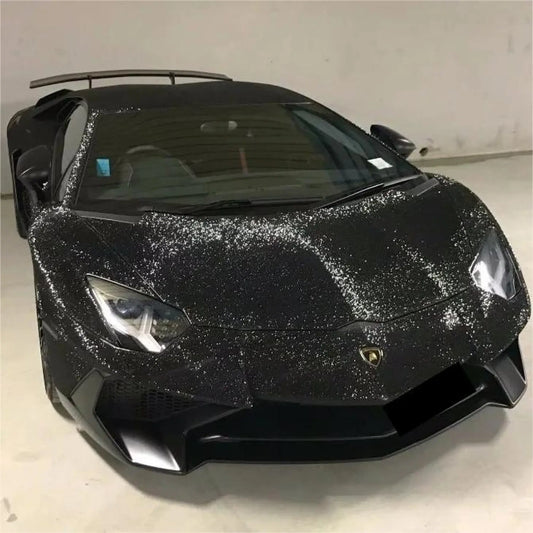
Color-shifting and iridescent effects represent growing segments within the wrap market as vehicle owners seek increasingly unique appearances. These effects can combine with carbon fiber textures to create hybrid aesthetics not previously available.
According to market research, the vehicle wrap industry demonstrates strong growth trajectory with compound annual growth rates exceeding 18 percent through the decade. This expansion drives innovation in materials, patterns, and application techniques that benefit all wrap categories including carbon fiber options.
Conclusion
Forged carbon fiber and woven pattern wraps each offer compelling advantages for vehicle customization. Forged patterns deliver contemporary sophistication with random, marbled aesthetics that create dynamic visual interest under changing lighting conditions. Traditional woven patterns provide classic motorsport appeal with consistent, symmetrical textures that integrate naturally across larger surfaces.
Understanding application goals, vehicle design characteristics, and personal aesthetic preferences guides the selection between these distinctive options. Both styles deliver the aggressive, high-performance appearance associated with genuine carbon fiber materials at accessible price points that enable broader participation in automotive customization.
The Car Vinyl Wrap Collection provides comprehensive options for vehicle transformation, from carbon fiber accents to full coverage color changes. Quality materials combined with proper installation techniques deliver professional results that enhance vehicle appearance while protecting underlying surfaces for years of enjoyment.
Whether choosing forged carbon fiber for its exotic supercar associations or traditional woven patterns for their timeless motorsport heritage, carbon fiber vinyl wrap represents one of the most impactful upgrades available for automotive enthusiasts seeking to personalize their vehicles.
How to Install Carbon Fiber Wrap
Carbon Fiber PPF Combination Guide
Best Carbon Fiber Applications by Vehicle Type
Maintaining Your Carbon Fiber Wrap
Color Carbon Fiber Options

