

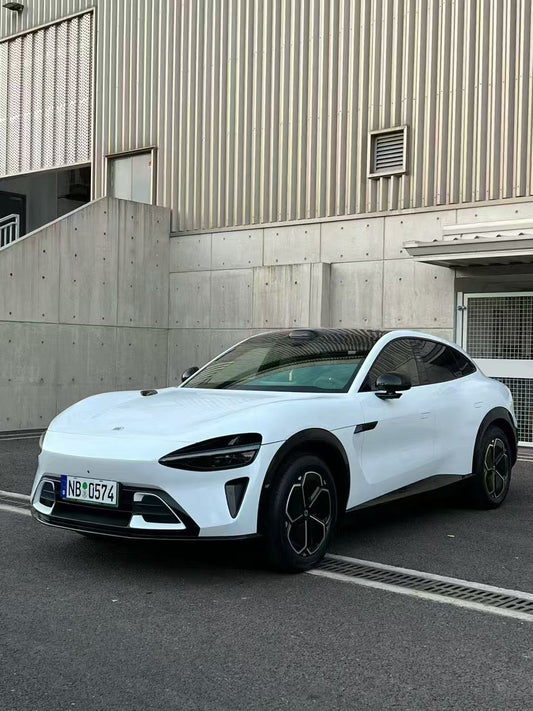
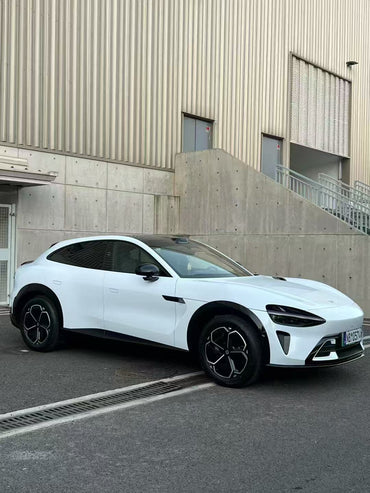
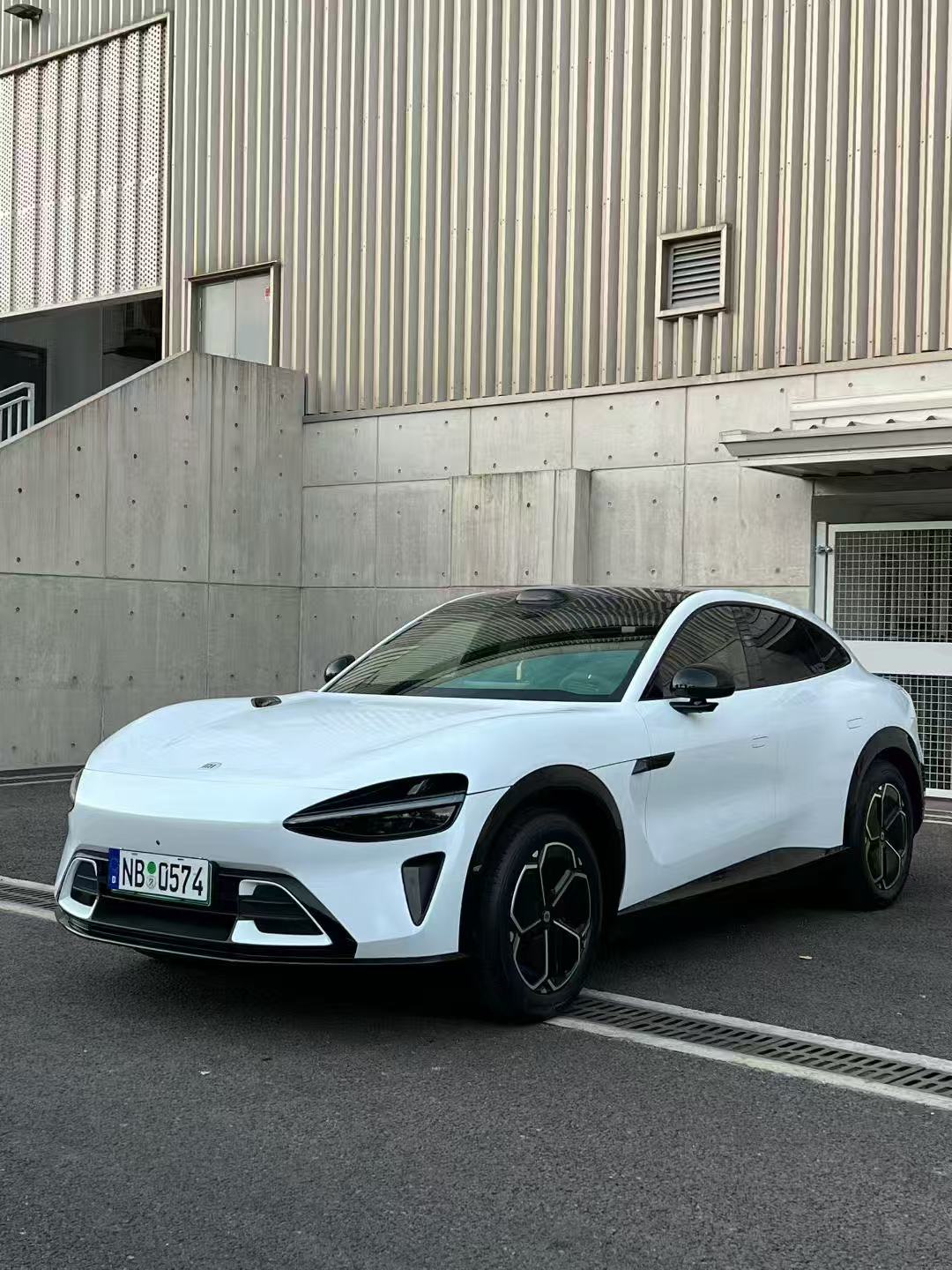


What is Paint Protection Film
Paint protection film, commonly called PPF or clear bra, consists of thermoplastic polyurethane material applied directly over vehicle paint. This transparent film creates an invisible barrier against rock chips, road debris, scratches, bird droppings, and environmental contaminants. The TPU paint protection wrap collection offers both 7.5mil and 8.5mil thickness options in gloss and matte finishes, providing varying protection levels for different needs.
PPF thickness typically ranges from 6 to 10 mil, significantly thicker than vinyl wrap. This extra thickness enables superior impact resistance against physical hazards encountered during daily driving. Modern PPF incorporates self-healing technology through elastomeric polymers that allow minor scratches and swirl marks to disappear when exposed to heat from sunlight or warm water. The molecular structure reorganizes itself, effectively erasing surface damage without any intervention.
TPU construction provides flexibility for conforming to complex vehicle curves while maintaining strength against punctures and tears. High-quality PPF blocks up to 99 percent of harmful UV rays, preventing paint fading and oxidation over time. This UV resistance preserves original paint color and finish, maintaining vehicle appearance and resale value for years.
What is Vinyl Wrap
Vinyl wrap consists of polyvinyl chloride material designed primarily for changing vehicle appearance. These films measure approximately 3 to 4 mil in thickness, making them considerably thinner than PPF. The primary purpose centers on aesthetic transformation rather than physical protection. Browse the extensive car vinyl wrap collection to explore countless color and finish possibilities.
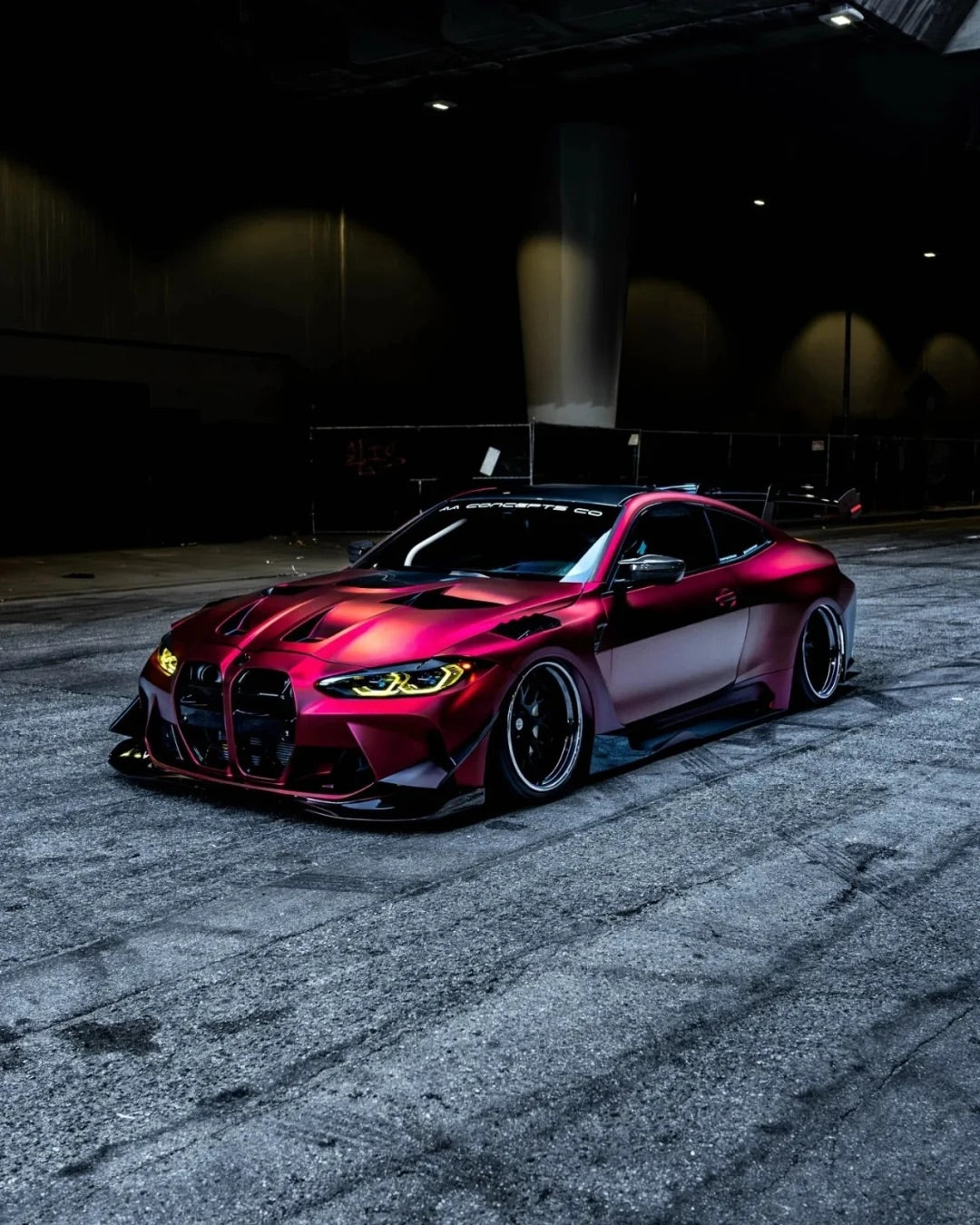
Vinyl wraps offer unlimited customization options including solid colors, metallic finishes, matte textures, carbon fiber patterns, chrome effects, and color-shifting chameleon styles. This versatility makes vinyl wrap the preferred choice for vehicle owners seeking complete exterior transformation without permanent paint changes. The reversible nature allows switching designs whenever desired, providing flexibility that traditional paint cannot match.
While vinyl provides some protection against UV exposure and minor surface scratches, this protection remains secondary to its aesthetic function. The thinner material cannot absorb significant impacts from rocks or road debris the way PPF does. However, vinyl wrap does create a barrier between environmental elements and original paint, offering basic preservation while dramatically altering vehicle appearance.
Material Composition and Thickness Comparison
The fundamental difference between PPF and vinyl wrap lies in material composition. Paint protection film utilizes thermoplastic polyurethane, a highly durable polymer known for impact resistance, flexibility, and clarity. TPU can withstand temperature variations without becoming brittle or losing protective properties. Its molecular structure enables the self-healing capability that distinguishes premium PPF from other protective films.
Vinyl wrap uses polyvinyl chloride, a lighter material optimized for conformability and color vibrancy rather than impact protection. PVC holds pigments and finishes exceptionally well, producing vivid colors and special effects. However, the material lacks the resilience needed to prevent damage from physical impacts. Sharp objects like stones can penetrate vinyl relatively easily compared to TPU-based PPF.
Thickness represents another critical distinction. PPF at 6 to 10 mil provides substantial barrier protection, while vinyl at 3 to 4 mil serves primarily as a color-changing surface layer. This thickness difference directly correlates with protection capability. For reference, Consumer Reports automotive section frequently discusses how material thickness affects film performance and longevity.
Protection Level: PPF vs Vinyl Wrap
PPF excels at physical protection against everyday hazards. Rock chips from highway driving, sand particles, gravel spray, door dings in parking lots, and minor impacts that would damage unprotected paint bounce off quality PPF. The film absorbs and disperses impact energy before it reaches the underlying surface. Self-healing properties handle minor scratches automatically, maintaining smooth appearance without repair intervention.
Vinyl wrap offers moderate protection against UV rays, minor scuffs, and surface contaminants like bird droppings or tree sap. The film prevents these elements from contacting original paint directly. However, vinyl cannot stop rock chips or significant impacts from causing damage. Deeper scratches remain permanently in vinyl material, requiring section replacement rather than self-repair.
For vehicle owners prioritizing paint preservation over appearance changes, PPF delivers substantially better protection. Those seeking aesthetic transformation with basic protection might find vinyl wrap adequate for their needs. Many enthusiasts combine both solutions, applying clear PPF to high-impact areas like front bumpers, hoods, and mirrors while using colored vinyl wrap on other body panels.
Colored PPF: Combining Protection and Style
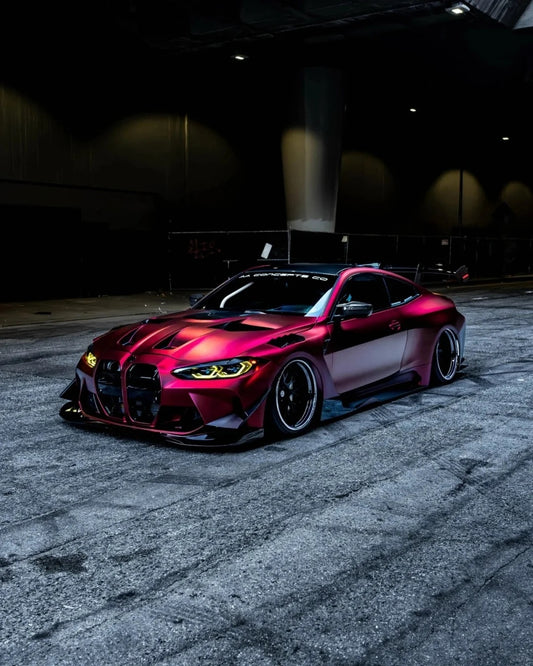
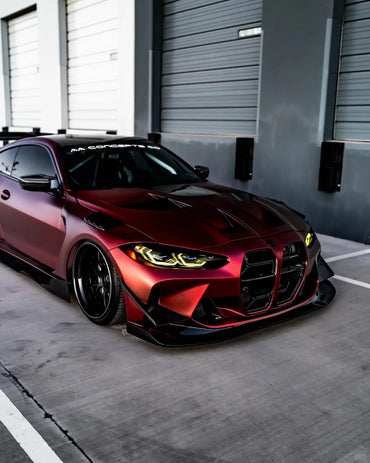
Recent advancements have produced colored paint protection film that merges the protective qualities of TPU with aesthetic customization previously limited to vinyl. The colored paint protection film collection includes vibrant options like Crystal Sky Blue, Light Pink, Ferrari Red, Blood Red, Crystal Orange, Arctic Grey, Crystal White, and Piano Black that protect while transforming vehicle appearance.
Colored PPF maintains all protective characteristics of clear film including self-healing properties, rock chip resistance, UV blocking, and hydrophobic surfaces. The integrated pigments remain stable throughout the film's lifespan, resisting fading that can affect vinyl wraps over time. This technology represents the evolution of automotive film, eliminating the traditional compromise between protection and customization.
Premium vehicle owners increasingly choose colored PPF for combining both functions in single applications. The higher initial investment pays dividends through superior durability, longer lifespan, and enhanced paint preservation compared to vinyl alternatives. Self-healing colored PPF can last up to ten years with proper maintenance, significantly exceeding typical vinyl wrap longevity.
Durability and Lifespan Comparison
Paint protection film typically lasts five to ten years depending on quality, installation, and maintenance practices. Premium TPU films maintain clarity, flexibility, and protective properties throughout this extended period. Self-healing capability persists for the film's entire service life, continuously addressing minor surface damage. Many manufacturers offer warranties reflecting confidence in long-term performance.
Vinyl wrap lifespan ranges from two to five years under normal conditions. Exposure to intense sunlight, extreme temperatures, and harsh weather accelerates degradation. Colors may fade, edges might lift, and the material can become brittle over time. Vinyl requires more careful maintenance to maximize longevity, including gentle washing techniques and avoiding high-pressure water directly on seams.
Geographic location significantly impacts both materials. Vehicles in harsh climates with extreme heat, cold, or UV exposure experience faster degradation regardless of film type. Garage parking extends lifespan for both options. Regular cleaning removes contaminants that could damage film surfaces over time. Professional installation ensures proper adhesion and edge sealing that prevents premature failure.
Cost Analysis: PPF vs Vinyl Wrap Investment
Vinyl wrap typically costs significantly less than paint protection film. Full vehicle vinyl wraps generally range from 1000 to 3500 dollars depending on vehicle size, wrap complexity, and installation labor. Partial wraps covering specific panels cost proportionally less. The lower material cost and faster installation time contribute to vinyl's affordability advantage.
Full PPF coverage ranges from 2000 to 7000 dollars or higher for luxury and larger vehicles. The thicker material costs more to manufacture, and installation requires greater precision and time. Partial PPF applications protecting high-impact zones like front ends offer more economical entry points for those seeking essential protection without full coverage expense.
Long-term value calculations favor PPF for protection-focused vehicle owners. The longer lifespan, self-healing properties, and superior paint preservation often offset higher initial costs. Vehicles maintaining original paint condition command better resale prices. Consider exploring sample kits to evaluate different films before committing to full applications.
Aesthetic Possibilities and Finish Options
Vinyl wrap dominates in aesthetic variety. The metallic vinyl wrap collection showcases options like Ghost Midnight Purple, Vampire Red, and Emerald Green. Rainbow laser chameleon wraps create mesmerizing color-shift effects. Liquid chrome finishes deliver mirror-like reflections in various colors.
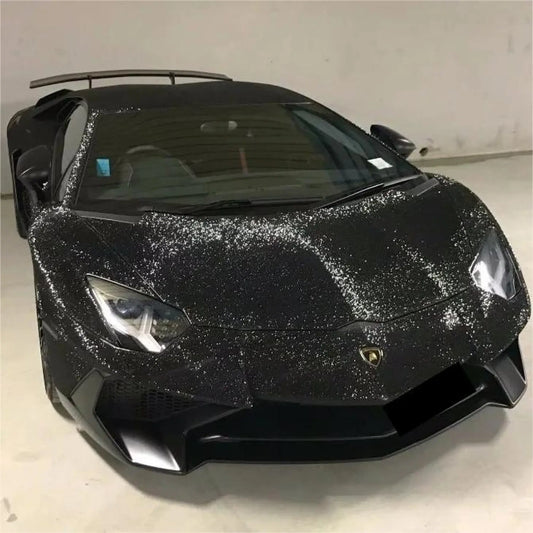
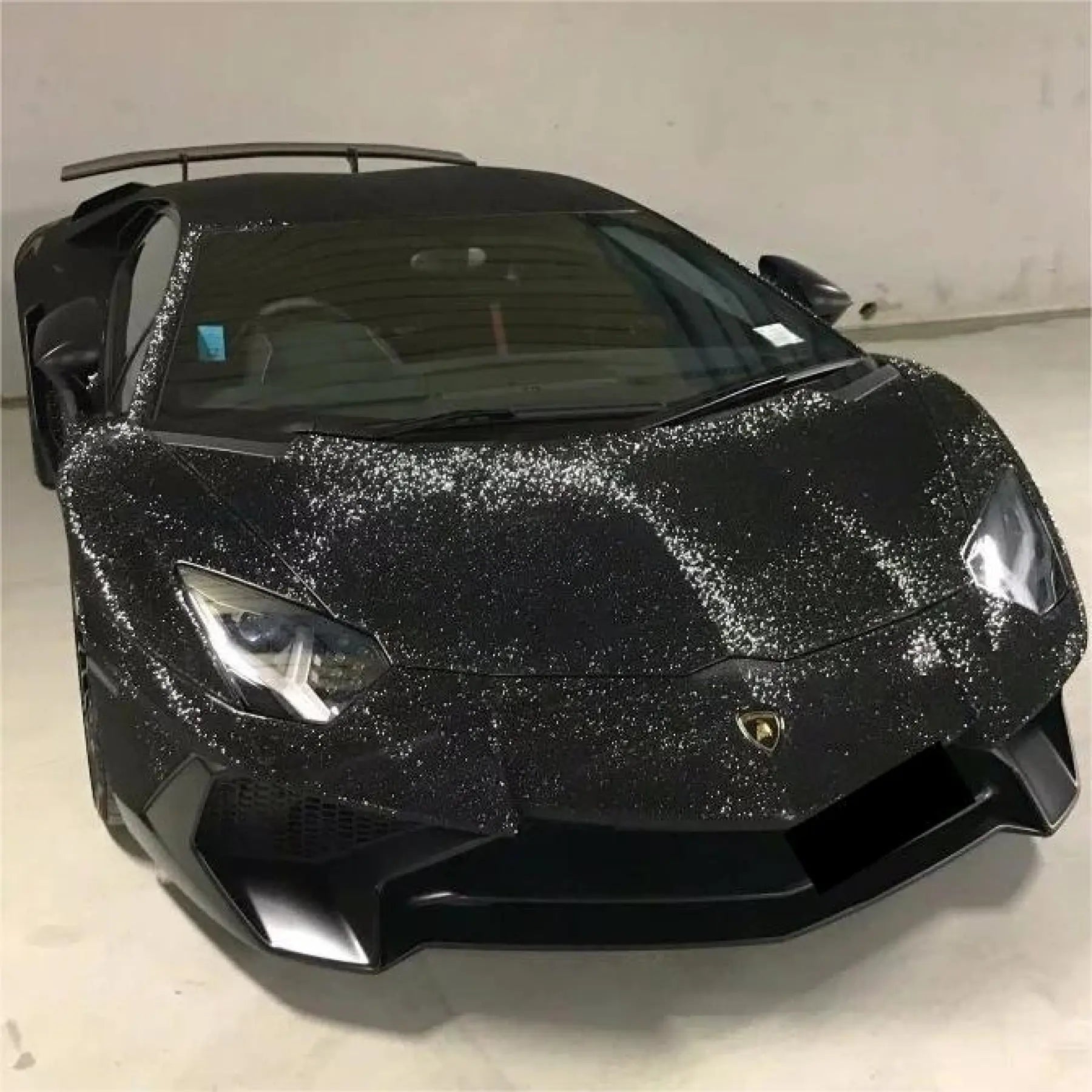
Additional vinyl options include ultra matte finishes for sophisticated understated looks, crystal gloss wraps for exceptional color clarity, and glitter sparkle car wraps for maximum visual impact. 3D carbon fiber patterns add performance-inspired aesthetics.
Traditional PPF primarily comes in clear gloss or matte finishes that preserve original paint appearance. However, colored PPF has expanded aesthetic possibilities while maintaining protection. The choice between invisible protection and visible transformation depends entirely on individual preferences and vehicle goals.
Installation Process and Requirements
Both PPF and vinyl wrap require meticulous surface preparation for optimal results. Vehicles must be thoroughly cleaned, decontaminated, and sometimes paint-corrected before application. Any imperfections beneath the film become magnified and visible, particularly under clear PPF. Professional installers clay bar surfaces, remove contaminants, and address paint defects before proceeding.
PPF installation demands higher precision due to its transparent nature revealing any dust, debris, or bubbles trapped beneath. The thicker material requires specific techniques for conforming around complex curves and recesses. Installation time for full vehicle PPF exceeds vinyl wrap due to these exacting requirements. Quality wrapping tools significantly impact installation quality regardless of film type.
Vinyl wrap installation, while still requiring skill, forgives minor imperfections better since colored films hide small particles more effectively than clear PPF. DIY installation has become popular among enthusiasts willing to invest time in learning proper techniques. However, professional installation remains recommended for premium results, particularly on complex vehicle designs or expensive films.
Maintenance and Care Differences
PPF maintenance remains relatively simple. Regular washing with pH-balanced car wash soap removes contaminants that could affect appearance. The self-healing property handles minor scratches automatically with heat exposure. Avoid abrasive compounds or polishes that could damage the film surface. Most PPF benefits from occasional application of film-specific sealants that enhance gloss and hydrophobic properties.
Vinyl wrap requires gentler care to maximize lifespan. Hand washing proves safer than automatic car washes with spinning brushes that can lift edges or cause scratches. Pressure washing needs careful attention to avoid directing high-pressure streams at seams or edges. Matte and satin vinyl finishes require specialized cleaning products formulated for their unique textures.
Both films benefit from prompt contaminant removal. Bird droppings, tree sap, and bug splatter should be cleaned quickly before they damage or stain surfaces. Ceramic coating applied over PPF or vinyl wrap adds additional protection and makes maintenance easier through enhanced hydrophobic properties. The Edmunds car care guide provides additional tips for maintaining wrapped vehicles.
Removal and Paint Safety
Both PPF and vinyl wrap can be removed without damaging underlying paint when applied and removed properly. Professional removal using heat softens adhesive bonds, allowing careful peeling without pulling paint. Quality films from reputable manufacturers use adhesives designed for clean removal after years of application.
Removal difficulty increases with age for both materials. Older films may become more brittle or have adhesive that has cured harder over time. Improper removal attempts can leave adhesive residue requiring solvent treatment or potentially damage weak or previously compromised paint. Professional removal services ensure safe transitions between films or return to original paint.
The reversibility of both options makes them attractive alternatives to permanent paint changes. Leased vehicles particularly benefit since films can be removed at lease end without affecting vehicle condition assessments. Vehicle owners can change colors multiple times throughout ownership without accumulating paint layers or affecting original factory finish.
Choosing Between PPF and Vinyl Wrap
The decision between PPF and vinyl wrap ultimately depends on primary objectives. Choose PPF when paint protection against physical damage takes priority, when maintaining original appearance matters, when long-term durability justifies higher investment, or when self-healing properties provide value. Choose vinyl wrap when aesthetic transformation represents the main goal, when budget constraints exist, when frequent style changes are desired, or when protection requirements remain minimal.
Many vehicle owners combine both solutions strategically. Clear PPF protects high-impact front areas while colored vinyl transforms remaining body panels. Alternatively, colored PPF provides both functions in single application for those wanting premium protection and customization simultaneously. Explore the best sellers collection to discover popular options chosen by vehicle enthusiasts worldwide.
Understanding material differences, protection capabilities, cost implications, and maintenance requirements enables informed decisions aligned with specific vehicle needs and personal preferences. Both PPF and vinyl wrap offer valuable benefits when chosen appropriately for their intended purposes.
Clear PPF vs colored PPF comparison
Vinyl wrap installation tips for beginners
How to maintain matte vinyl wrap
Best areas to apply PPF on your car
Vinyl wrap vs repaint cost analysis

