





Understanding What Makes Matte Wraps Different
Matte vinyl wraps achieve their distinctive flat appearance through a micro-textured surface that absorbs and scatters light rather than reflecting it. This surface architecture creates the velvety, non-reflective finish that makes matte-wrapped vehicles stand out with understated elegance. However, this same texture that produces such appealing visual results also creates unique vulnerability to improper care techniques.
The microscopic peaks and valleys across a matte surface can trap contaminants more readily than smooth gloss finishes. When inappropriate cleaning products or aggressive scrubbing alter this delicate texture, permanent glossy spots develop that cannot be reversed without replacing the affected panels. According to vehicle wrap industry standards, matte finishes require specific maintenance protocols to preserve their intended appearance.
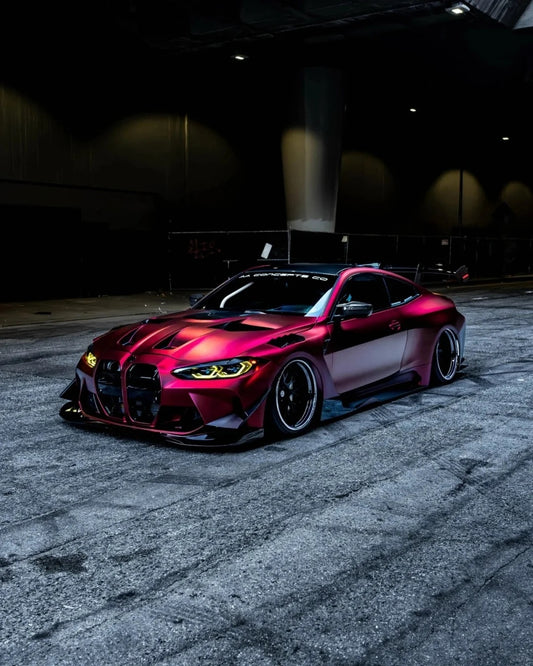
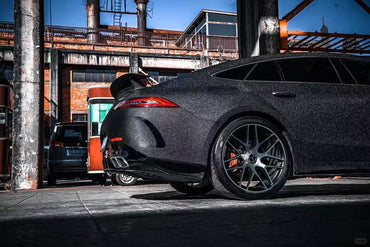
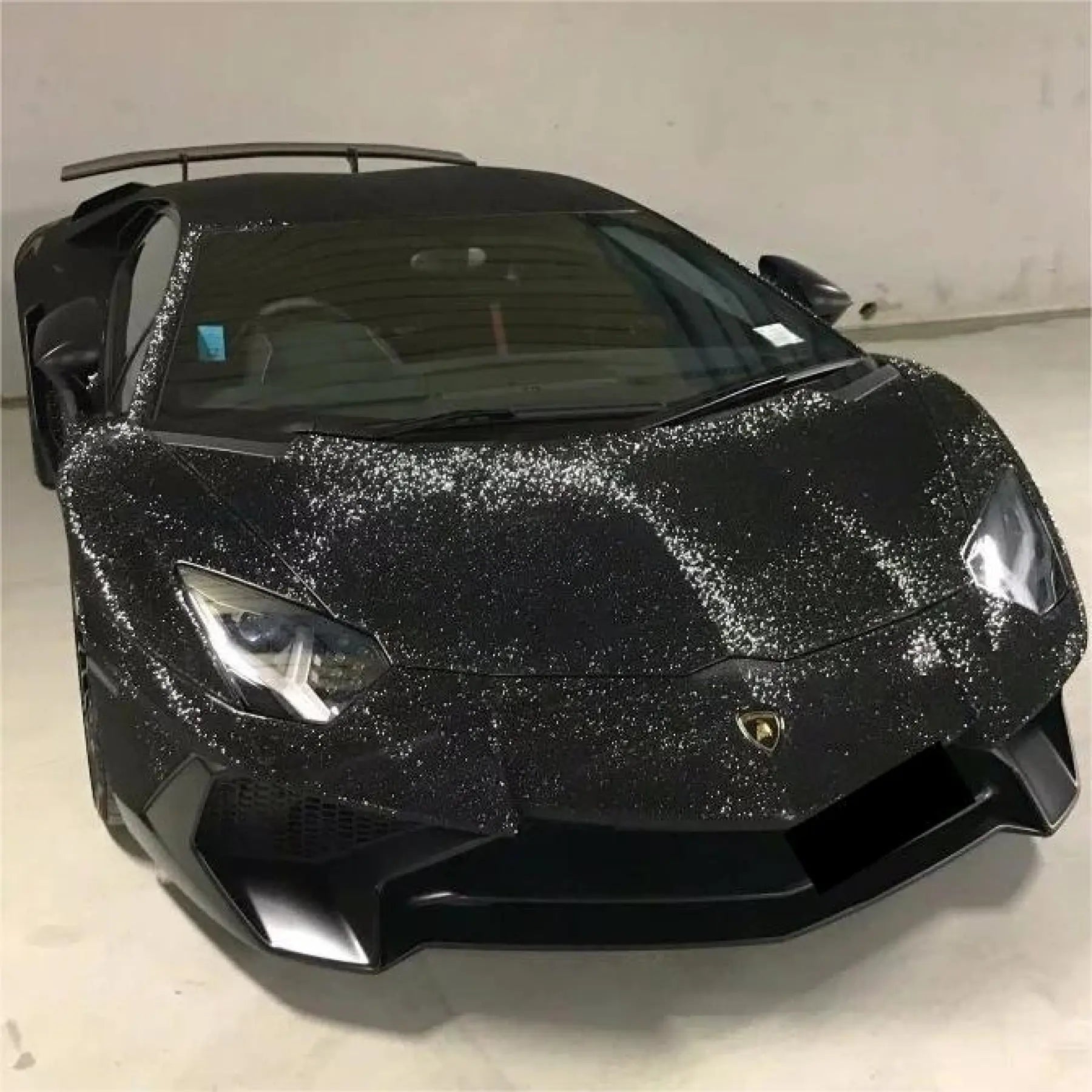
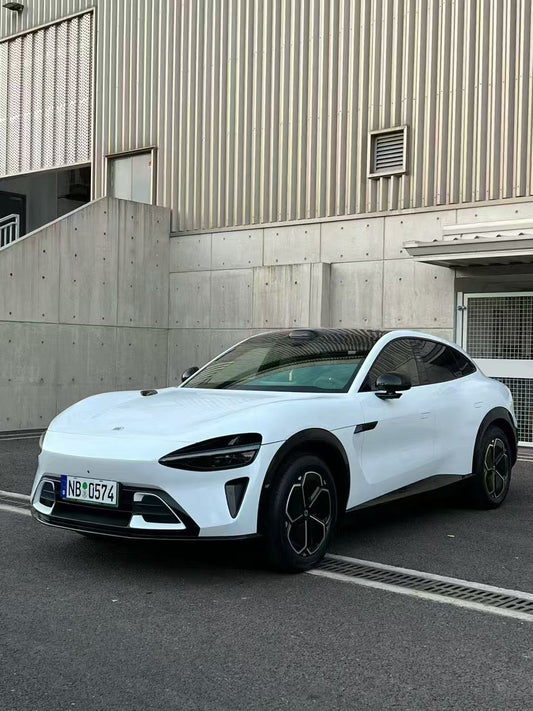
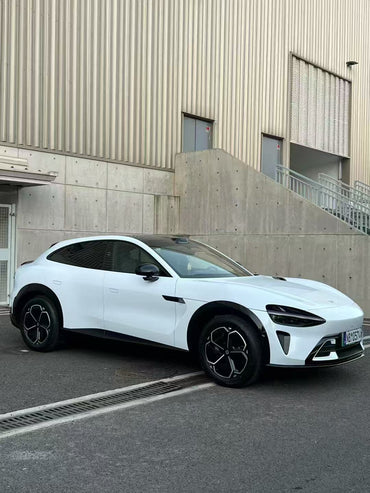
The Ultra Matte Metallic collection exemplifies premium matte film technology, combining the sophisticated flat finish with refined metallic undertones. Colors like Romance Red, Meteorites Grey, and Russian Violet Purple demonstrate how matte wraps deliver visual impact through color depth rather than surface reflection. Protecting this investment starts with understanding the fundamental differences between matte and gloss vinyl care.
The Cardinal Rule: Never Use Wax or Polish
The single most important maintenance guideline for matte vinyl wraps involves avoiding wax, polish, and traditional automotive detailing products entirely. Products designed for gloss finishes contain compounds specifically formulated to enhance shine and fill surface imperfections. When applied to matte vinyl, these same compounds fill the micro-texture that creates the flat appearance, resulting in permanent glossy patches.
Wax residue embeds itself into the matte surface structure and proves nearly impossible to remove completely. Even products marketed as all-purpose cleaners often contain silicones, optical brighteners, or wax derivatives that damage matte textures over time. The Car Film Maintenance Guide provides specific product recommendations that preserve matte finishes safely.
If you accidentally apply wax or polish to your matte wrap, act immediately. A mixture of fifty percent isopropyl alcohol and fifty percent distilled water applied with a soft microfiber cloth sometimes removes fresh wax residue before permanent damage occurs. Gently blot rather than rub the affected area, as aggressive scrubbing compounds the problem by burnishing the texture.
Proper Washing Techniques for Matte Wraps
Hand washing remains the gold standard for matte vinyl wrap care. The two-bucket wash method provides the safest approach for cleaning without introducing contaminants that scratch or alter the surface texture.
Fill one bucket with clean water for rinsing your wash mitt and another with a pH-balanced, wax-free car wash solution diluted according to manufacturer instructions. Never use dish soap, degreasers, or household cleaners, as these contain harsh chemicals that degrade vinyl adhesives and damage the matte finish. Products with pH levels between five and nine work best for vinyl wrap cleaning.
Begin washing from the roof and work downward, rinsing your microfiber wash mitt frequently in the rinse bucket before returning to the soap bucket. This process prevents dirt particles from scratching the surface during cleaning. Use gentle, straight-line motions rather than circular scrubbing, as swirling patterns can burnish the texture and create unwanted shine on sensitive matte surfaces.
Rinse thoroughly with clean water after washing, ensuring no soap residue remains in seams, edges, or recessed areas. Soap buildup attracts dirt and can cause premature lifting at wrap edges over time.
Drying Your Matte Wrap Correctly
Proper drying technique matters as much as washing when maintaining matte vinyl wraps. Water spots form when mineral-laden tap water evaporates on the surface, leaving deposits that become increasingly difficult to remove. Areas with hard water face particular challenges, and distilled water rinsing before drying helps prevent spotting in these regions.
Pat drying with clean, plush microfiber towels produces the best results for matte finishes. Avoid wiping or dragging towels across the surface, as even soft materials can polish the micro-texture with repeated friction. Start from the roof and work down methodically, using fresh towel sections as each becomes saturated.
Compressed air provides an excellent alternative for drying wrapped vehicles, especially around emblems, door handles, mirrors, and other areas where water tends to pool. Air drying eliminates physical contact entirely, removing any risk of surface alteration from towel friction. Many professional detailers consider this the preferred method for preserving delicate matte textures.
Handling Stubborn Contaminants
Bird droppings, tree sap, bug splatter, and road tar present particular challenges for matte wrap owners. These contaminants contain acids, sugars, and compounds that can etch or stain vinyl surfaces if left untreated. Prompt removal prevents permanent damage far more effectively than any cleaning product.
For fresh contaminants, soak the affected area with warm water and a gentle soap solution for several minutes to soften the residue before attempting removal. Never scrape or scrub aggressively, as this guarantees surface damage. Once softened, gently blot the contamination away with a microfiber cloth, working from the edges toward the center to avoid spreading.
Stubborn residue may require isopropyl alcohol applied sparingly on a microfiber cloth. Let the alcohol sit briefly to dissolve the contaminant, then blot away gently. Always test any cleaning solution on an inconspicuous area first to verify compatibility with your specific wrap material.
The Wrapping Tools collection includes detailing implements designed for safe vinyl care, helping you address contamination issues without risking surface damage.
What to Avoid Completely
Automatic car washes pose serious threats to matte vinyl wraps through multiple mechanisms. Spinning brushes can scratch, scuff, or even peel wrap edges. High-pressure water jets directed at seams force water beneath the vinyl and accelerate lifting. Most damaging, automatic car wash soaps typically contain wax compounds that destroy matte finishes immediately.
Even touchless automatic washes using only chemicals and pressure present risks. The harsh detergents required to clean without physical contact often prove too aggressive for vinyl wrap adhesives and finishes. Hand washing may require more time, but it remains the only truly safe cleaning method for matte wraps.
Pressure washing at home requires extreme caution. Keep water pressure below 2000 PSI, maintain temperatures below 180°F, use at least a 40-degree spray tip, and stay at least twelve inches from the surface. Never direct pressurized water at wrap edges, seams, or lifted areas. When possible, avoid pressure washing entirely and stick to gentle hand wash methods.
Additional products to avoid include citrus-based cleaners, engine degreasers, oven cleaners, petroleum-based products, and anything containing ammonia. These substances degrade vinyl materials, weaken adhesives, and cause discoloration or texture damage.
Protecting Your Matte Wrap from Environmental Damage
UV radiation represents the primary environmental threat to vinyl wrap longevity. Prolonged sun exposure fades colors, degrades the vinyl polymer structure, and accelerates overall wear. Parking in garages or shaded areas whenever possible significantly extends wrap lifespan. When covered parking proves unavailable, breathable car covers provide excellent protection from sun, rain, and airborne contaminants.
Temperature extremes affect matte wraps differently than gloss finishes. Excessive heat can soften vinyl and reduce the micro-texture definition that creates the matte effect. Extremely cold temperatures make vinyl brittle and more susceptible to cracking. Avoid applying pressure to wrapped surfaces in either temperature extreme.
Air pollution in urban environments creates particular challenges. Acidic compounds from industrial emissions and vehicle exhaust accumulate on vinyl surfaces and cause gradual discoloration, particularly visible on lighter-colored matte wraps. If you notice brownish discoloration developing, address it promptly before staining becomes permanent.
Ceramic Coating Considerations for Matte Wraps
Ceramic coatings offer enhanced protection for vinyl wraps, but matte finishes require specialized formulations. Standard ceramic coatings designed for paint or gloss vinyl will add unwanted shine to matte surfaces. Only use ceramic products specifically labeled as safe for matte or satin finishes.
Matte-compatible ceramic coatings create a hydrophobic barrier that helps repel water, contaminants, and UV radiation without altering the flat appearance. This protective layer simplifies maintenance by reducing how aggressively contaminants bond to the surface. Professional application ensures even coverage and proper curing for maximum protection.
Consider ceramic coating as an investment in easier long-term maintenance rather than a substitute for regular care. Coated matte wraps still require gentle hand washing and proper drying techniques, but contamination removal becomes less challenging when a protective barrier prevents deep bonding.
Maintaining Specialty Matte Finishes
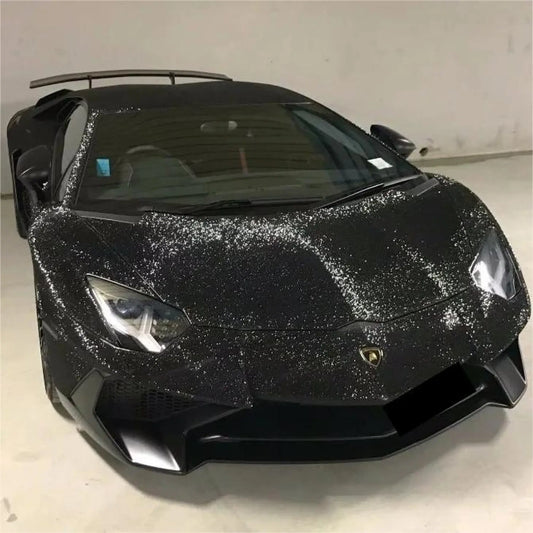
Different matte wrap styles may require adjusted care approaches. The Metallic Vinyl Wrap collection includes matte metallic options that combine flat finishes with metal-flake effects. These surfaces show fingerprints more readily than solid matte colors, requiring more frequent spot cleaning with appropriate products.
The Dual Color Dream Vinyl Wrap collection features color-shifting films that may include matte variants. These specialty finishes require the same wax-free, gentle-cleaning approach as standard matte wraps, with extra attention to maintaining uniform appearance across the color-shift zones.
For those seeking maximum protection with aesthetic transformation, the Colored Paint Protection Film collection offers self-healing TPU options in various finishes. These films provide superior impact resistance while still requiring appropriate matte-specific care when selected in non-gloss finishes.
Establishing a Maintenance Schedule
Consistent care produces better results than occasional intensive cleaning. Wash your matte-wrapped vehicle every one to two weeks under normal conditions, increasing frequency during seasons with heavy pollen, insect activity, or road salt exposure.
Inspect your wrap monthly for signs of lifting edges, contamination staining, or texture changes. Catching problems early allows intervention before minor issues become major repairs. Pay particular attention to high-impact areas like the hood, front bumper, and rocker panels where road debris strikes most frequently.
Document your wrap's condition with photographs periodically. Comparing images over time reveals gradual changes that might escape notice during daily viewing. This record also proves valuable if warranty claims become necessary.
When to Seek Professional Help
Some maintenance situations exceed DIY capabilities. Severe contamination staining, widespread texture damage from improper cleaning, or significant lifting at wrap edges typically require professional intervention. Attempting amateur repairs on these issues often worsens the damage.
Professional detailers experienced with vinyl wraps can sometimes restore matte finishes showing early signs of gloss development using specialized techniques and products unavailable to consumers. However, once the micro-texture becomes severely burnished or chemically altered, panel replacement remains the only solution.
The Sample Kits collection allows you to test finish options if panel replacement becomes necessary, ensuring any repairs match your existing wrap appearance.
Long-Term Expectations and Lifespan
With proper care, quality matte vinyl wraps typically last three to five years before requiring replacement. Climate, storage conditions, and maintenance consistency significantly influence actual lifespan. Garage-kept vehicles in moderate climates with religious maintenance schedules often exceed five years, while outdoor-parked vehicles in harsh environments may require earlier replacement.
The Car Vinyl Wrap collection offers multiple finish options if you decide to refresh your vehicle's appearance after your current matte wrap reaches end of life. Many owners rotate between matte, gloss, and specialty finishes with each wrap replacement, enjoying different aesthetics over time.
Browse the Best Sellers collection to see which finishes other enthusiasts prefer. Popular choices often indicate materials that perform reliably across various conditions and care regimens.
Final Thoughts on Matte Wrap Care
Maintaining a matte vinyl wrap requires commitment to specialized care techniques, but the results justify the effort. The sophisticated, light-absorbing appearance of a well-maintained matte finish turns heads without the flashiness of high-gloss alternatives. Following proper washing protocols, avoiding harmful products, and addressing contamination promptly keeps your wrap looking factory-fresh for years.
Understanding that matte finishes fundamentally differ from traditional automotive surfaces prevents the common mistakes that damage so many wraps prematurely. Invest in appropriate cleaning products, develop consistent maintenance habits, and your matte vinyl wrap will continue delivering the elegant aesthetic that made you choose this distinctive finish.
Explore additional wrap options in the Crystal Vinyl Wrap, Rainbow Laser Vinyl Wrap, and Liquid Chrome Wrap collections to discover finishes that complement or contrast with matte aesthetics for future projects.

