

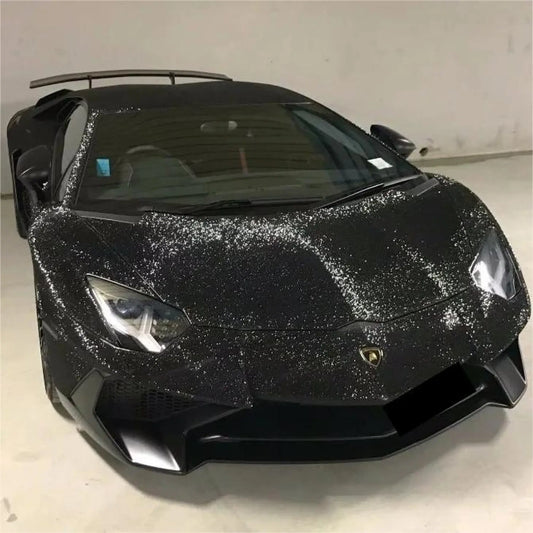
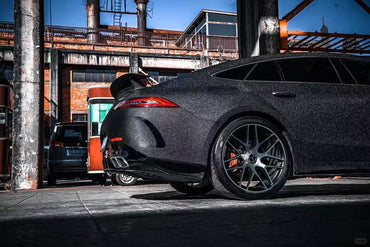
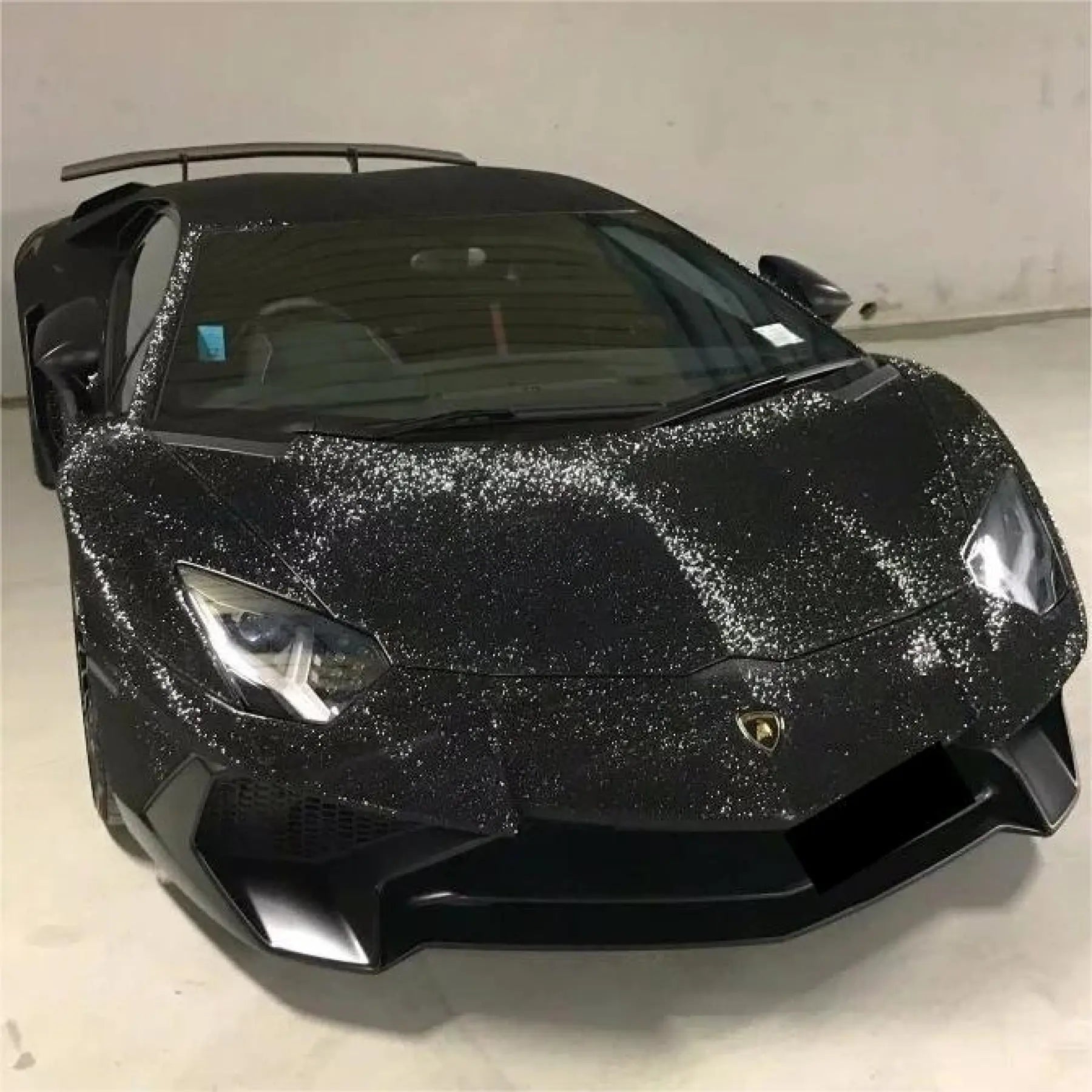


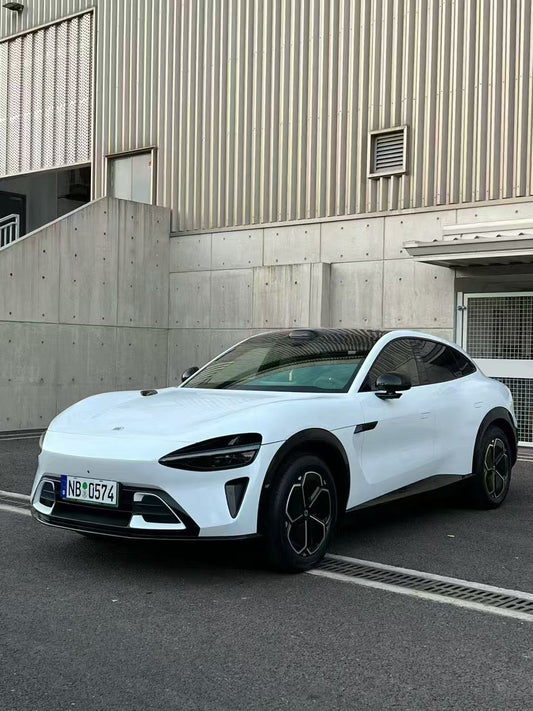
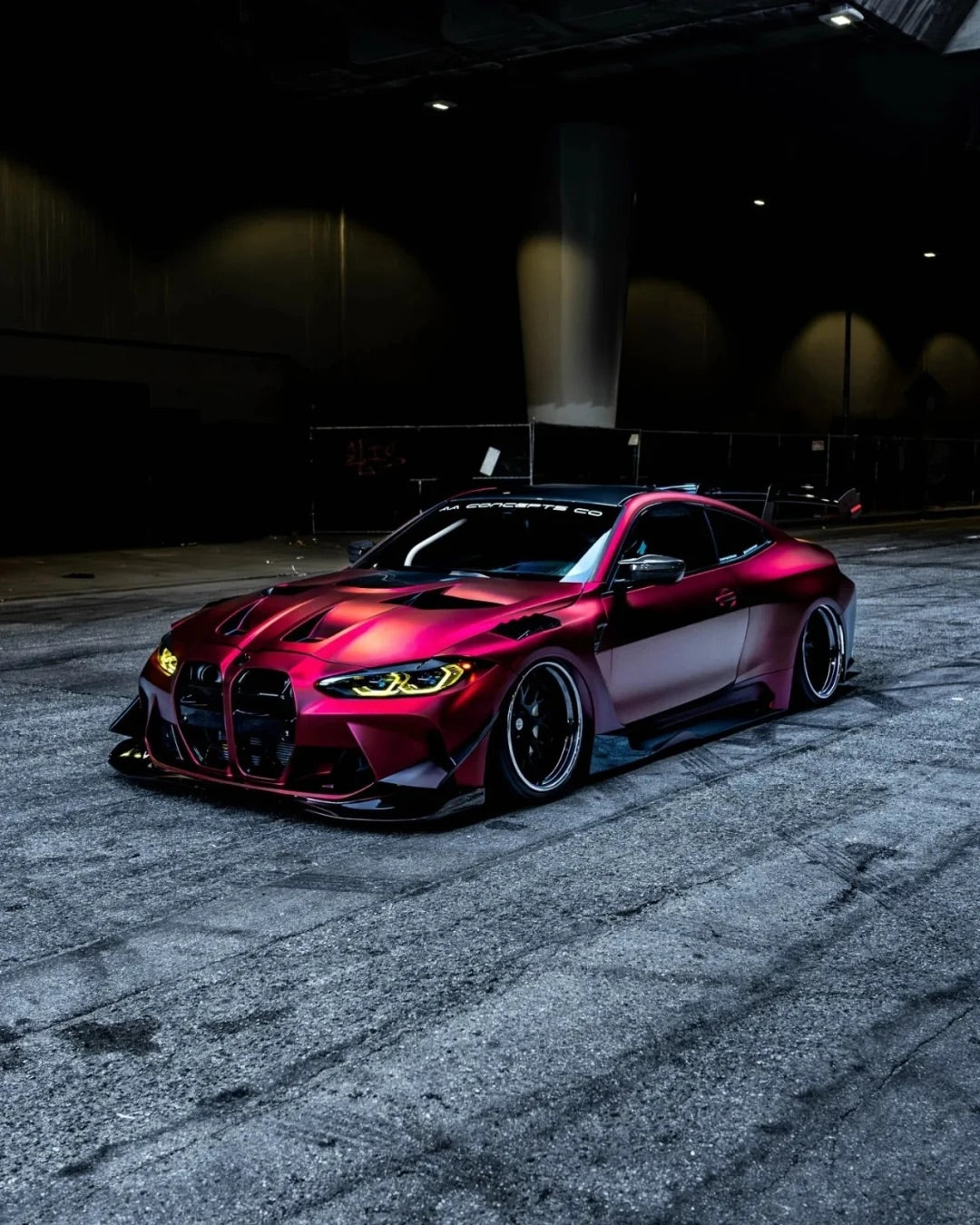


A color-shift wrap has a problem that no solid color shares: a photograph of it is almost always a lie. Snap one still image of a Dual Color Dream panel and you capture a single hue — green, say — freezing a film whose entire value is that it refuses to stay one color. The customer scrolling past that photo sees a green car. What they miss is the moment the same panel turns deep blue as they walk past it, the way it catches golden-hour light and appears to breathe. The effect is the product. And if you cannot make someone see the shift, you cannot sell it.
How the Shift Actually Works
A Dual Color Dream film is engineered to present one color from the front viewing angle and a completely different color from the side. Our combinations pair genuinely distinct hues — Green-Blue, Gold-Grey, and Purple-Pink metallics — so the transition is not a subtle pearlescent shimmer but a defined, saturated flip between two complete colors. Walk around a wrapped car and one hue hands off to the other with a visible transition zone in between.
Two variables control what the eye sees at any given moment: the angle between the viewer and the panel, and the direction and quality of the light hitting it. Change either one and the color changes. This is why a parked car under a flat overcast sky shows a calmer version of the effect, while the same car rolling through dappled sunlight or under the shifting artificial lights of a night car meet appears almost animated. The film has not changed. The light and the geometry have.
Understanding this is the foundation of everything else, because it tells you exactly where and how the effect will look its best — and where it can fall flat if handled carelessly.
Body Lines Are Your Amplifier
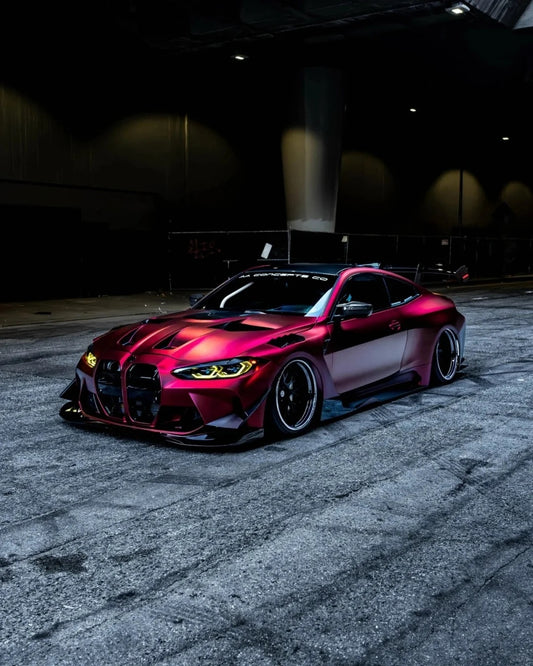
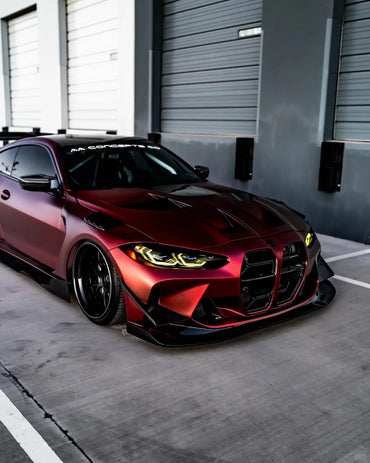
The single biggest factor in how dramatic a color shift looks is the shape of the surface it sits on. A perfectly flat panel gives you the shift only as the viewer moves. A sculpted panel gives you the shift everywhere at once, because every curve presents the film to the light at a different angle simultaneously. One creased fender can display both colors and the transition between them in a single glance.
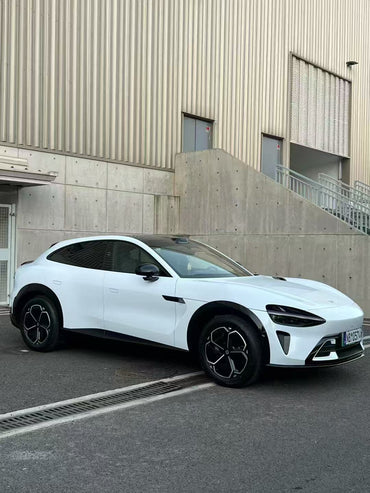
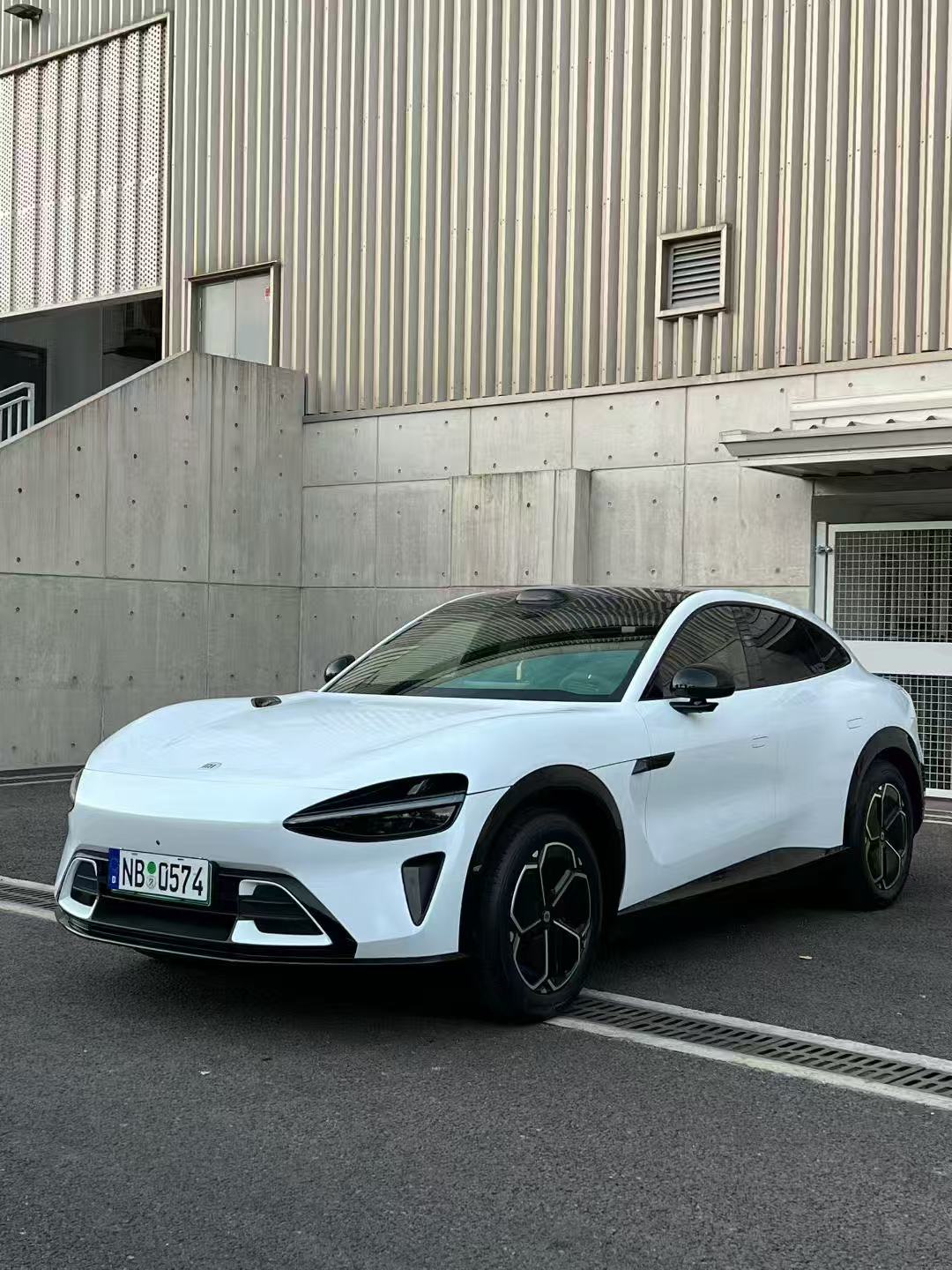
This is why the effect tracks a car's silhouette so beautifully on vehicles with pronounced body lines. The color change follows the contours, pooling one hue in the recesses and flashing the other across the raised edges. On broad, flowing surfaces — an SUV's hood, doors, and quarter panels — the film has room to show its full range, producing a cinematic quality that reads as almost digitally enhanced even though nothing has been retouched.
Match the combination to the vehicle for best results. A vivid Green-Blue brings theatrical drama to a sports coupe or a large SUV flank. A more restrained Gold-Grey suits an executive sedan, where the shift is noticeable up close but resolves into a sophisticated near-solid color from across a parking lot — distinction without shouting. Purple-Pink turns an ordinary crossover into something closer to rolling art. If you want to see how different finishes read against your specific vehicle before committing, our Sample Kits let you test the shift under your own lighting.
The Detail That Makes or Breaks the Install: Directional Grain
Here is the technical warning that separates a professional result from an expensive mistake. Color-shift film has a directional grain. The way it flips between colors depends on the orientation of the film relative to the light, which means every panel on the vehicle must be wrapped with the grain running in the same direction.
Get this wrong and the consequences are glaring. If one door is wrapped with the grain vertical and the fender beside it runs horizontal, the two panels will catch and shift light differently at the same viewing angle. Instead of a car that flips uniformly from green to blue, you get a patchwork — one panel green while its neighbour reads blue, with no visual logic connecting them. The eye immediately registers it as wrong, even on an install that is otherwise bubble-free and tightly trimmed.
Planning the grain direction across the entire vehicle before the first panel goes down is therefore non-negotiable with these films. This is directional, deliberate work, and it is a big part of why color-shift wraps reward careful installation more than almost any other finish. For the squeegees, heat guns, and cutting tools that make clean directional work possible, the Wrapping Tools collection has the kit, and our DIY Car Wrap Installation Guide covers the fundamentals before you tackle a directional film.
Selling the Effect: The Live Demonstration
Now to the part most shops get wrong. You cannot sell a Dual Color Dream wrap the way you sell a gloss black — by pointing at a swatch. A static swatch under fixed lighting shows one color and hides the entire selling point. The customer has to experience the shift, which means your job is to engineer that experience.
The most powerful sales tool in this category is a demonstration panel that shows the full shift under light. Keep a wrapped sample panel that a customer can tilt in their own hands, or better, one mounted where they can move around it. The instant they see one color become another with a small movement, the abstract idea of a color-shift wrap becomes a visceral want. Do this near a window with natural light and again under your shop's artificial lighting, because the two look different and both are impressive in their own way.
If you are guiding a customer to picture the finished result, tell them to imagine standing beside the car and stepping to one side: the panel that read emerald a moment ago is now ocean blue. That mental image — the car changing as they move — is what closes the sale, not a color name on a price list.
Selling the Effect: Photography and Video That Tell the Truth
Since a single photo cannot capture a shifting finish, your marketing has to move. This is where color-shift wraps quietly reward you, because they are the single most photographed and filmed finish in car customization today, and content built around them travels.
Video is the honest medium for this film. A slow orbit around the vehicle, or a clip of the car rolling past a fixed camera, captures the transition from one color to the other in a way no still can. Shoot in varied light: golden hour produces warm, dramatic transitions, while the artificial lights of an evening meet make the colors dance in a way that stops a scroll. When you must use stills, shoot the same panel from multiple angles and present them together, so the viewer's eye assembles the shift the way it would in person. Curved panels photograph best because they show more than one color in a single frame.
The practical payoff is that this content markets itself. A color-shift build generates footage that performs on social feeds without any post-processing trickery, because the effect is genuinely that eye-catching. Lean into it: the film does the work if you simply show it moving.
Positioning It Against the Rest of the Range
Part of selling well is knowing when a different finish is the better recommendation, because a confident, honest steer builds trust. Dual Color Dream delivers a defined two-color flip. If a customer instead wants a full spectrum, holographic sweep of many colors, the Rainbow Laser Series is the better fit. If they want deep, lacquer-like dimensional color that reads as a single rich hue rather than a shift, point them to the Crystal Series. And if they love the two-tone idea but want light-catching shimmer without the dramatic flip, the Metallic Series sits comfortably in between.
Knowing these distinctions lets you place Dual Color Dream precisely: the choice for a buyer who wants two complete, intentional colors and the theatrical transition between them — accessible customization that starts around $69 for those beginning with accent panels before committing to a full wrap.
Protecting the Investment
A color-shift finish is only worth photographing if it stays crisp. Wash by hand with a pH-neutral soap and a soft mitt, keep pressure washers back from the edges, and avoid abrasive or solvent-based cleaners that dull the film's optical layers — the very layers responsible for the shift. Covered parking preserves horizontal panels that take the most sun. Our Car Film Maintenance Guide lays out a full routine that keeps the effect vivid for years. For high-impact zones, pairing the wrap with self-healing protection from the TPU Paint Protection Wrap collection adds a durable layer without dimming the color play beneath.
The Takeaway
Dual Color Dream film sells itself the moment someone sees it move — and falls flat the moment it sits still in a photo or on a mismatched install. Master three things and the finish rewards you: place it on sculpted panels and flowing surfaces where body lines multiply the shift, respect the directional grain so the whole vehicle flips as one, and demonstrate the effect in motion through live panels and video rather than static swatches. Do that, and you are not selling a color. You are selling a car that is a different color depending on where you stand — which is exactly the thing no factory paint can offer.
For a broader look at how color-shift film compares to holographic and metallic finishes, our blog continues this series, and for the optical science behind why these films change color with angle, the structural coloration entry on Wikipedia explains the light-interference principle these wraps are built on.

