





What Makes Forged Carbon Fiber Different From Traditional Woven Carbon
Traditional carbon fiber features continuous filaments woven into a uniform twill or plain weave pattern. The result is the classic cross-hatched grid that has been synonymous with performance vehicles and motorsports for decades. Forged carbon fiber takes an entirely different manufacturing approach. Instead of weaving continuous strands, chopped carbon fibers are mixed with resin and compressed under extreme pressure. The outcome is a chaotic, irregular pattern where no two sections ever look identical. According to the Wikipedia entry on forged carbon composites, this technique was originally developed through a collaboration between Lamborghini and Callaway Golf around 2010, creating a material that quickly became associated with the most exclusive vehicles and performance equipment on the planet.
Forged carbon fiber vinyl wrap replicates this distinctive marbled aesthetic in a flexible adhesive-backed film. Sailifilm offers forged carbon patterns in both gloss and matte finishes, with black and red colorway options. The gloss variants feature a lacquered surface that amplifies the depth of the random fiber orientation, while the matte versions deliver the dry carbon look that motorsport purists often prefer. Both feature advanced embossing technology that creates a physically raised texture rather than a flat printed image, producing authentic micro-shadow effects when light hits the surface from different angles.
Why Forged Carbon Fiber Is Trending in 2026
The forged carbon fiber aesthetic has exploded in popularity for several interconnected reasons. First, the pattern is inherently photogenic. The random fiber structure interacts with light differently than uniform weave, creating depth and visual interest that translates exceptionally well to photographs and video content. Automotive content creators and social media influencers have driven massive awareness because forged carbon simply performs better on camera than traditional carbon fiber. The SEMA Show consistently features forged carbon among its most photographed vehicle builds, and that visibility trickles directly into consumer demand throughout the following year.
Second, forged carbon fiber stands apart from the crowd. Standard 3D carbon fiber vinyl is widely available and commonly seen on vehicles everywhere. Forged carbon immediately signals that the owner has chosen something more deliberate and less common. This differentiation factor is powerful in vehicle customization culture, where standing out matters as much as looking good. Third, the irregular pattern is remarkably forgiving during installation. Because there is no repeating grid that must align perfectly across panel seams, forged carbon wraps hide minor imperfections in application that would be glaringly obvious on a uniform twill weave.
Best Vehicle Panels for Forged Carbon Fiber Wrap
Not every surface on your vehicle benefits equally from the forged carbon aesthetic. Strategic placement creates maximum visual impact while keeping the overall build cohesive rather than overwhelming. Here are the panels where forged carbon fiber wrap delivers the strongest results.
Hood: The hood is the undisputed champion of forged carbon placement. Its large, forward-facing surface catches natural light throughout the day, allowing the marbled pattern to shift and shimmer as viewing angles change. A forged carbon hood on a solid-color vehicle creates an immediate visual anchor that communicates performance intent. Sailifilm's forged carbon wraps are available in sizes up to 5ft x 79ft, giving you more than enough material for any hood application with trim to spare.
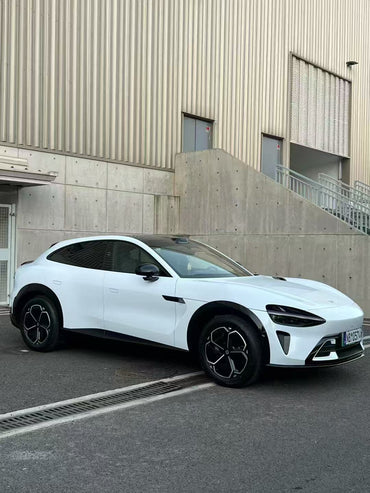
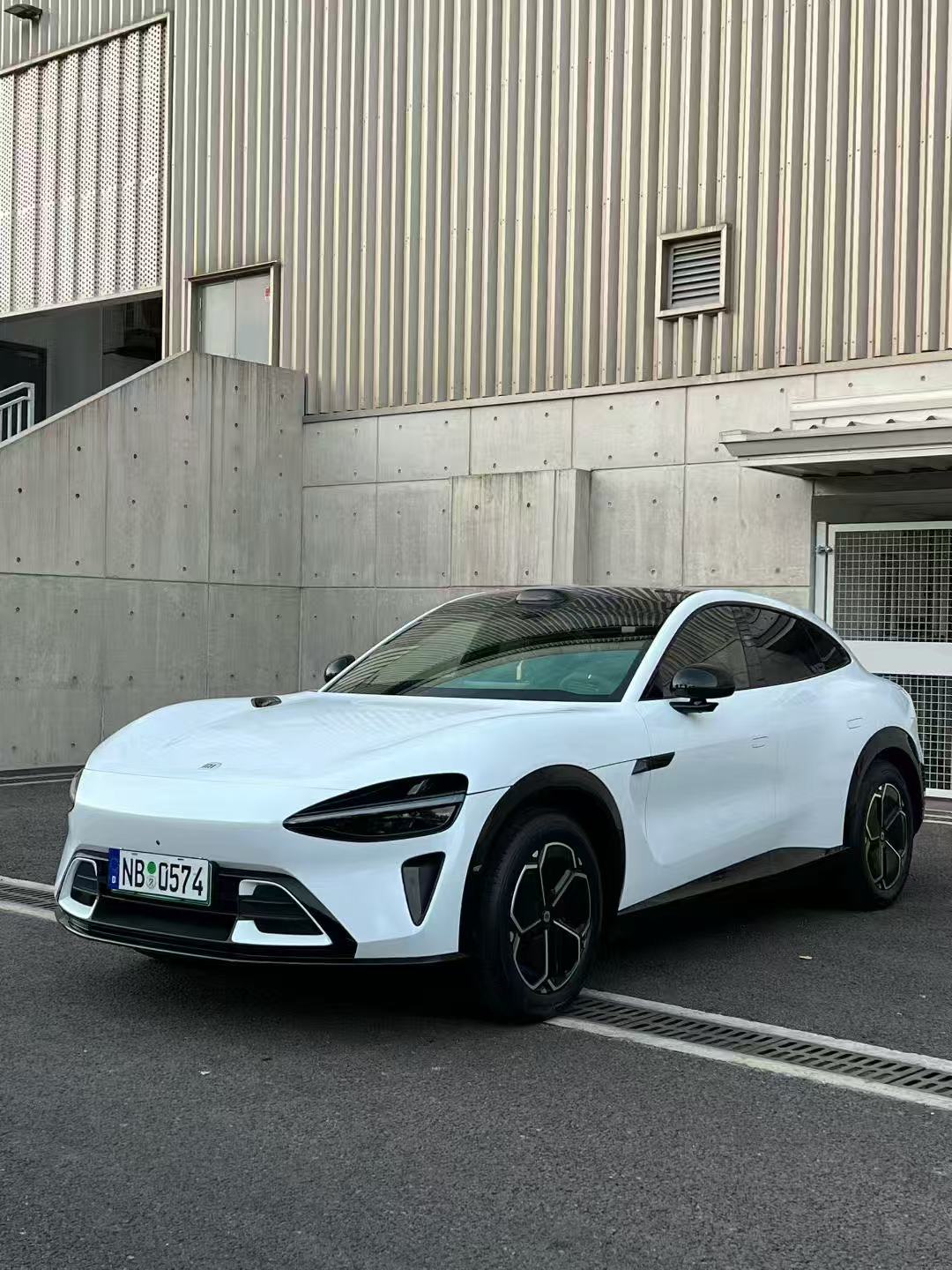
Roof Panel: A forged carbon roof creates a stunning two-tone effect visible from elevated angles, making it particularly impactful in parking structures, drone footage, and aerial photography. The contrast between a white, silver, or grey body and a dark forged carbon roof has become one of the most requested custom looks in 2026. This approach pairs especially well with the ultra matte wrap collection on the body panels, creating a matte-on-texture contrast that reads as high-end without being flashy.
Side Mirror Caps: Mirror caps are small components with outsized visual impact. They sit at eye level, catch direct sunlight during lane changes, and frame the vehicle's profile from every angle. Forged carbon mirror caps have become a signature mod for performance sedans, sports cars, and even luxury SUVs. Because the surface area is minimal, this is an excellent first project for anyone new to vinyl wrapping.
Door Pillars and B-Pillars: Wrapping the vertical pillars between windows in forged carbon creates a blacked-out window frame effect that makes the glass area appear larger and more aggressive. This technique works on virtually every vehicle body style, from sedans to crossovers.
Spoiler and Trunk Lid: Rear-facing accent pieces benefit from the forged carbon treatment because they are often viewed up close at stoplights and in traffic. A forged carbon spoiler or trunk lip adds motorsport credibility to the rear profile without requiring a full body transformation.
Interior Trim: Dashboard panels, center console covers, door card inserts, and steering wheel trim are all excellent candidates for forged carbon vinyl. Interior applications allow you to enjoy the pattern every time you drive, and the controlled lighting inside a cabin highlights the texture beautifully. For complex interior curves, the standard 3D carbon fiber wrap in its thinner weave variants may offer more flexibility, but many forged films handle moderate interior curves with proper heat application.
Gloss Forged Carbon vs Matte Forged Carbon: Choosing Your Finish
|
Feature |
Gloss Forged Carbon |
Matte Forged Carbon |
|
Surface Finish |
High-gloss lacquered coating |
Flat, non-reflective dry finish |
|
Light Behavior |
Deep reflections amplify marbled depth |
Diffused light creates subtle texture |
|
Visual Impact |
Bold, showroom, attention-grabbing |
Understated, stealth, motorsport-inspired |
|
Best Pairings |
Dark metallic or crystal vinyl body wraps |
Ultra matte or satin body wraps |
|
Photography |
Excellent in all lighting conditions |
Best in soft or diffused natural light |
|
Maintenance |
Shows fingerprints and water spots more easily |
Hides minor dust and surface marks |
|
Color Options |
Black, Red |
Black |
|
Ideal Builds |
Show cars, content builds, luxury vehicles |
Stealth builds, track-inspired, murdered-out |
For builders who want the forged carbon aesthetic on select panels while treating the rest of the vehicle with a complementary finish, Sailifilm's broader catalog offers extensive pairing options. The metallic vinyl wrap collection includes finishes with fine metallic flake that catch light beautifully alongside gloss forged carbon accents. A metallic grey body with a gloss forged carbon hood and mirror caps recreates the factory-supercar look at aftermarket pricing. For those building in the opposite direction toward full stealth, pairing matte forged carbon accents with the ultra matte wrap in charcoal or black creates a murdered-out build with textural variation that prevents the design from looking flat.
Red Forged Carbon Fiber: The Bold Alternative
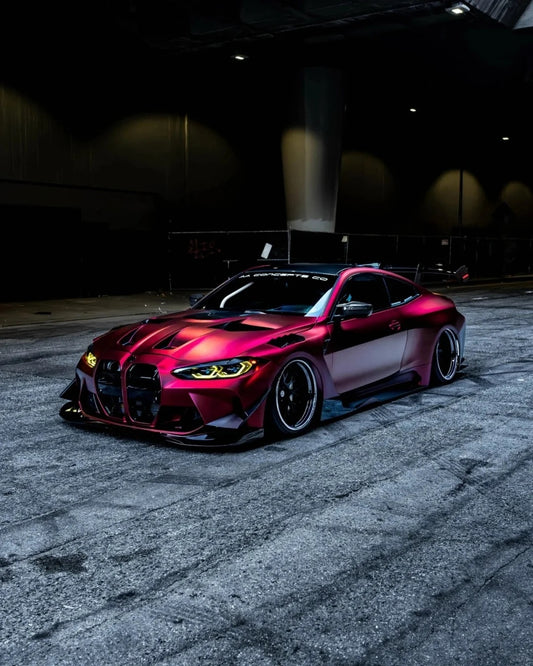
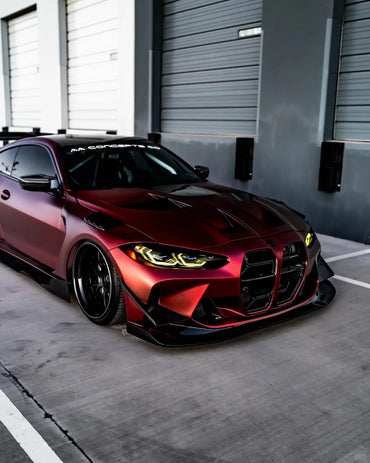
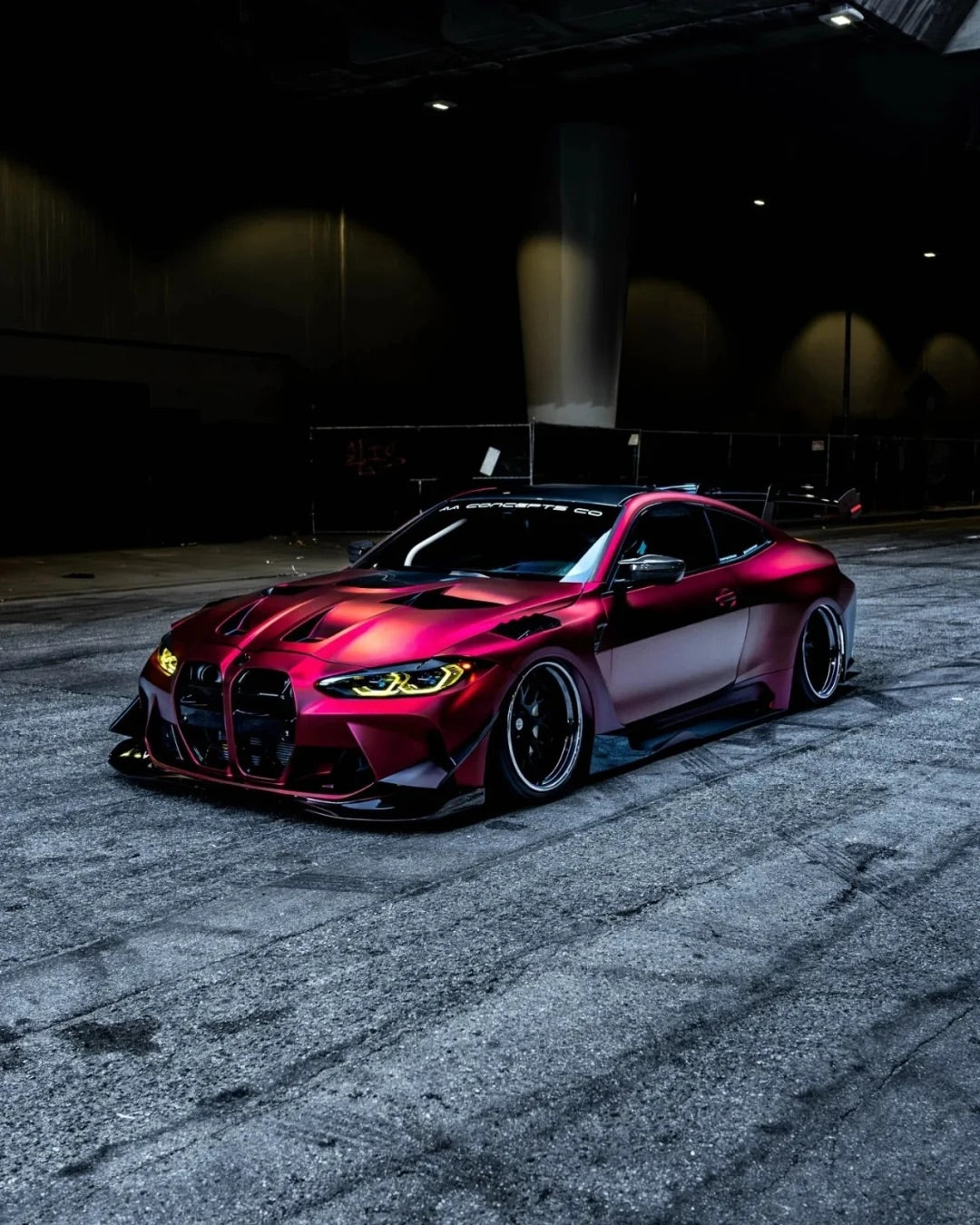
While black forged carbon remains the most popular choice, red forged carbon fiber has emerged as one of the most eye-catching accent options in 2026. The Sailifilm 3D Carbon Fiber Wrap collection includes a red forged variant that weaves vibrant red threads into the chaotic fiber pattern, creating a striking visual that immediately evokes racing heritage. Red forged carbon works exceptionally well as a contrast element on dark vehicles. Imagine a satin black body wrap with red forged carbon mirror caps, door handle covers, and a rear diffuser accent. The color pop reads as intentional and sporty without overwhelming the overall design.
Red forged carbon also pairs naturally with brake caliper accents, red stitching on interior leather, and red striping details across the exterior. This cohesive color-matching approach elevates the entire build from a simple wrap job to a thoughtfully designed custom vehicle. For maximum visual drama, consider combining red forged carbon accents with the liquid chrome wrap on highlight areas or the rainbow laser vinyl wrap for an iridescent body that shifts hue while the red carbon accents remain constant.
Installation Tips Specific to Forged Carbon Fiber Vinyl
Forged carbon wrap shares most installation fundamentals with other premium vinyl films, but the irregular pattern offers a few unique advantages. Because there is no directional weave to align, you do not need to worry about pattern matching at seams. This drastically reduces waste on multi-panel applications and speeds up the process. Two adjacent panels can be wrapped independently without any visible mismatch where they meet, a benefit you cannot achieve with traditional twill carbon fiber.
Surface preparation remains critical. Clean the target area thoroughly with isopropyl alcohol and remove all wax, silicone, and contaminant residue. Use a clay bar on painted surfaces if needed. The wrapping tools collection at Sailifilm includes professional-grade squeegees, knifeless tape, and felt-edge tools that protect the film surface during application. For temperature management, keep your heat gun between 150 and 180 degrees Fahrenheit when stretching the film around curves. Forged carbon films tend to be slightly thicker than standard 3D weave wraps, so controlled heating is essential to prevent overworking the material.
Post-heating all edges and stretched areas is especially important with textured films. After the initial application, revisit every edge, tuck, and curve with moderate heat to activate the adhesive memory. This step ensures the film stays locked in place through temperature cycles, car washes, and daily driving. Allow a full 24 to 48 hours of cure time before exposing the freshly wrapped panels to water or mechanical pressure.
Pairing Forged Carbon With Paint Protection Film
The smartest vehicle builds in 2026 combine visual transformation with genuine surface protection. While forged carbon wrap protects the panels it covers from scratches and UV exposure, the high-impact zones that remain painted benefit from transparent TPU paint protection wrap. Front bumpers, fender leading edges, rocker panels, and the area behind wheel arches take the most punishment from road debris. Layering invisible self-healing PPF on these zones while showcasing forged carbon on accent panels delivers both beauty and durability.
For owners who want colored protection rather than clear, colored paint protection film delivers the self-healing and hydrophobic properties of premium PPF with a tinted finish that complements the overall color scheme. Imagine a vehicle with a coloured PPF body, forged carbon hood and roof, and clear PPF protecting the front bumper and rockers. This three-layer strategy covers every surface with purpose-built film tailored to its specific needs.
Complete Build Inspiration: Forged Carbon Accent Combinations
One of the great strengths of forged carbon fiber is its versatility as an accent material. It integrates seamlessly with virtually every finish family in the Sailifilm catalog. The crystal vinyl wrap collection delivers jewel-toned clarity with a glass-like depth that creates stunning contrast against the organic randomness of forged carbon. A crystal midnight blue body with matte forged carbon hood and pillars produces a build that balances elegance with aggression.
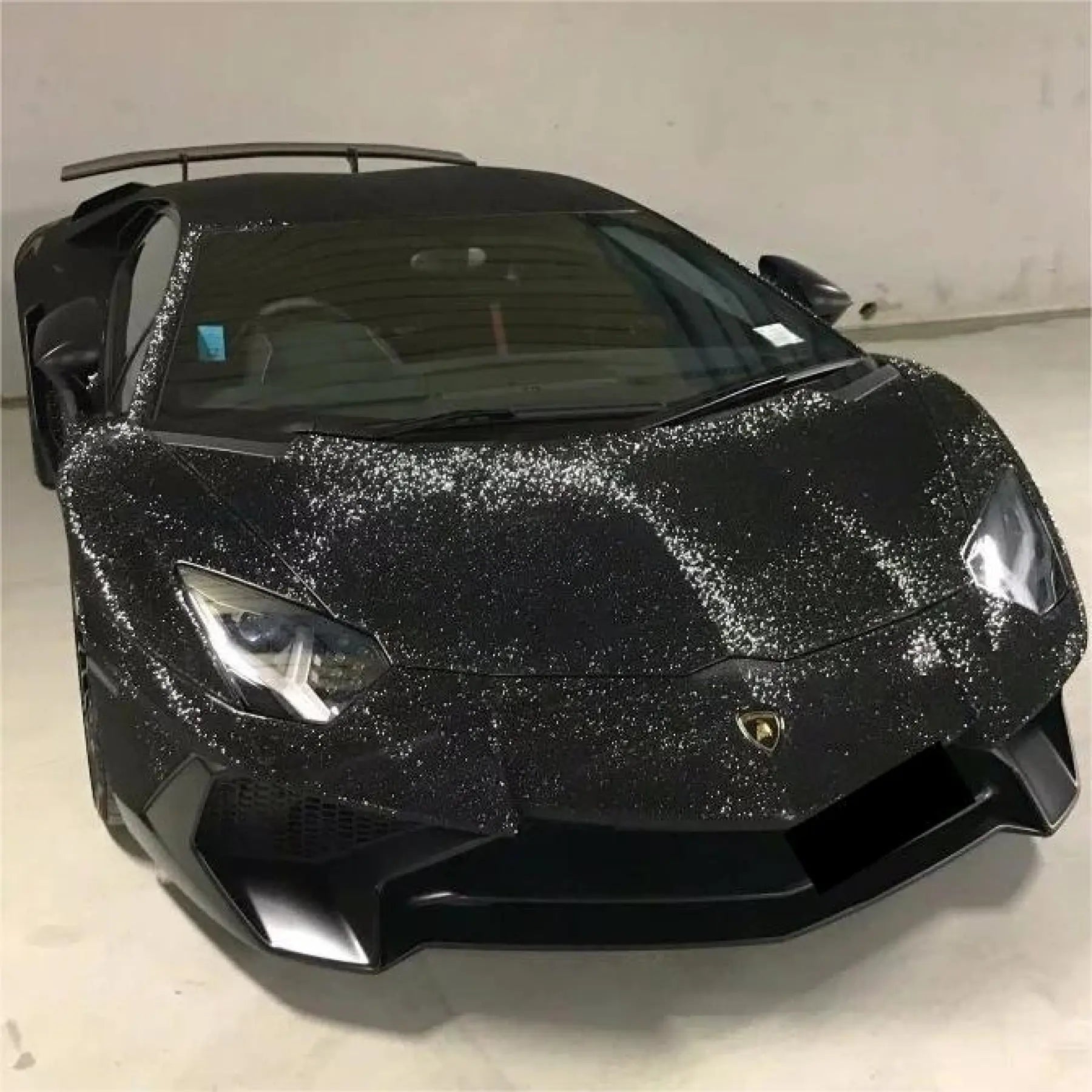
The dual color dream vinyl wrap offers chameleon-style color-shifting effects that change between two distinct tones depending on the viewing angle. Pairing a color-shifting body with fixed-tone forged carbon accents creates dynamic visual layers where the body constantly transforms while the carbon elements provide stable visual anchors. For maximum sparkle, the glitter sparkle car wrap collection adds diamond-like light refraction that contrasts dramatically with the raw texture of forged carbon.
Explore the full range of finishes in the car vinyl wrap collection to design your ideal combination. Check the best sellers to see which styles current buyers are pairing with forged carbon accents. And before committing to a full order, grab a sample kit to evaluate textures, finishes, and color accuracy against your vehicle under real lighting conditions. The forged carbon fiber trend shows no signs of slowing down. Its unique combination of visual complexity, installation forgiveness, and hypercar-level aesthetics has made it the most exciting pattern in the car vinyl wrap market today. Whether you are planning a subtle accent upgrade or a full multi-material build, forged carbon fiber vinyl wrap delivers impact that is impossible to ignore.
1. Wikipedia – Forged Carbon: https://en.wikipedia.org/wiki/Forged_Carbon

