





Understanding Highway Paint Damage
Highway driving creates unique challenges for vehicle exteriors that differ significantly from city commuting. At elevated speeds, the kinetic energy of road debris increases exponentially. A small stone weighing just a few grams becomes a destructive force when traveling at relative velocities exceeding 100 mph. The front bumper, hood, fenders, and side mirrors absorb the majority of this punishment, making these areas particularly vulnerable to damage accumulation.
According to automotive industry research, vehicles driven primarily on highways accumulate visible paint damage at rates three to five times higher than those used mainly for local driving. This damage manifests as star-shaped chips, linear scratches, and gradual surface dulling that diminishes both appearance and protective capability. Once the clear coat breaks, oxidation begins working its way beneath the surface, creating conditions favorable to rust development.
The thermoplastic polyurethane materials used in modern protection films were originally developed for military helicopter applications where rotor blades faced similar high-velocity debris impacts. This aerospace heritage translates directly into superior performance for automotive applications, providing proven protection against the exact types of damage highway driving generates.
Self-Healing Paint Protection Film: Your First Line of Defense
Premium TPU paint protection film represents the gold standard in highway damage prevention. These transparent films, typically measuring 7.5 to 8.5 mils in thickness, create an invisible barrier that absorbs impact energy before it reaches factory paint. The material's elastomeric polymer construction allows it to stretch and recover from deformation, distributing force across a wider area rather than concentrating it at a single point.
The self-healing technology incorporated into quality PPF products has revolutionized paint preservation. When minor scratches or swirl marks occur, exposure to ambient heat from sunlight or warm water activates the film's memory properties, causing surface imperfections to disappear without intervention. This capability means everyday highway debris impacts that would permanently scar unprotected paint simply vanish from protected surfaces within hours.
Sailifilm offers both 7.5mil Clear PPF Matte and 8.5mil Clear PPF Gloss options to accommodate different aesthetic preferences. The matte variant adds sophisticated satin finish appeal while the gloss version maintains factory-fresh shine. Both provide identical protective performance against rock chips, scratches, and environmental contamination.
Colored Paint Protection Film: Style Meets Substance
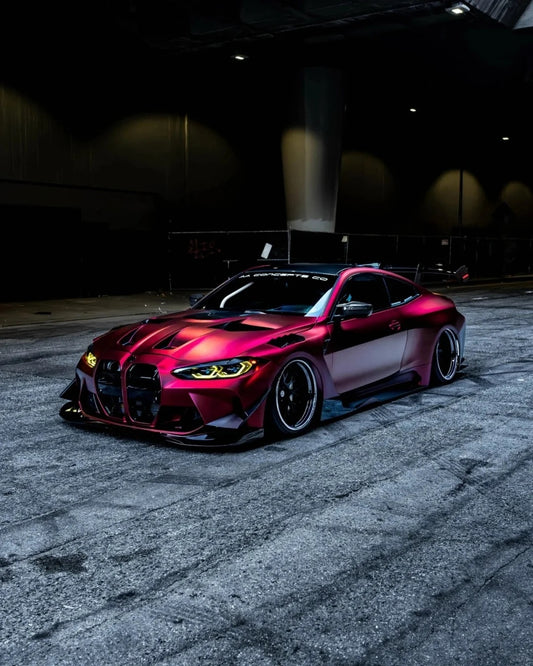
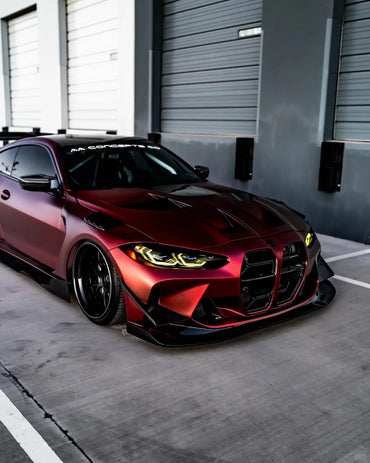
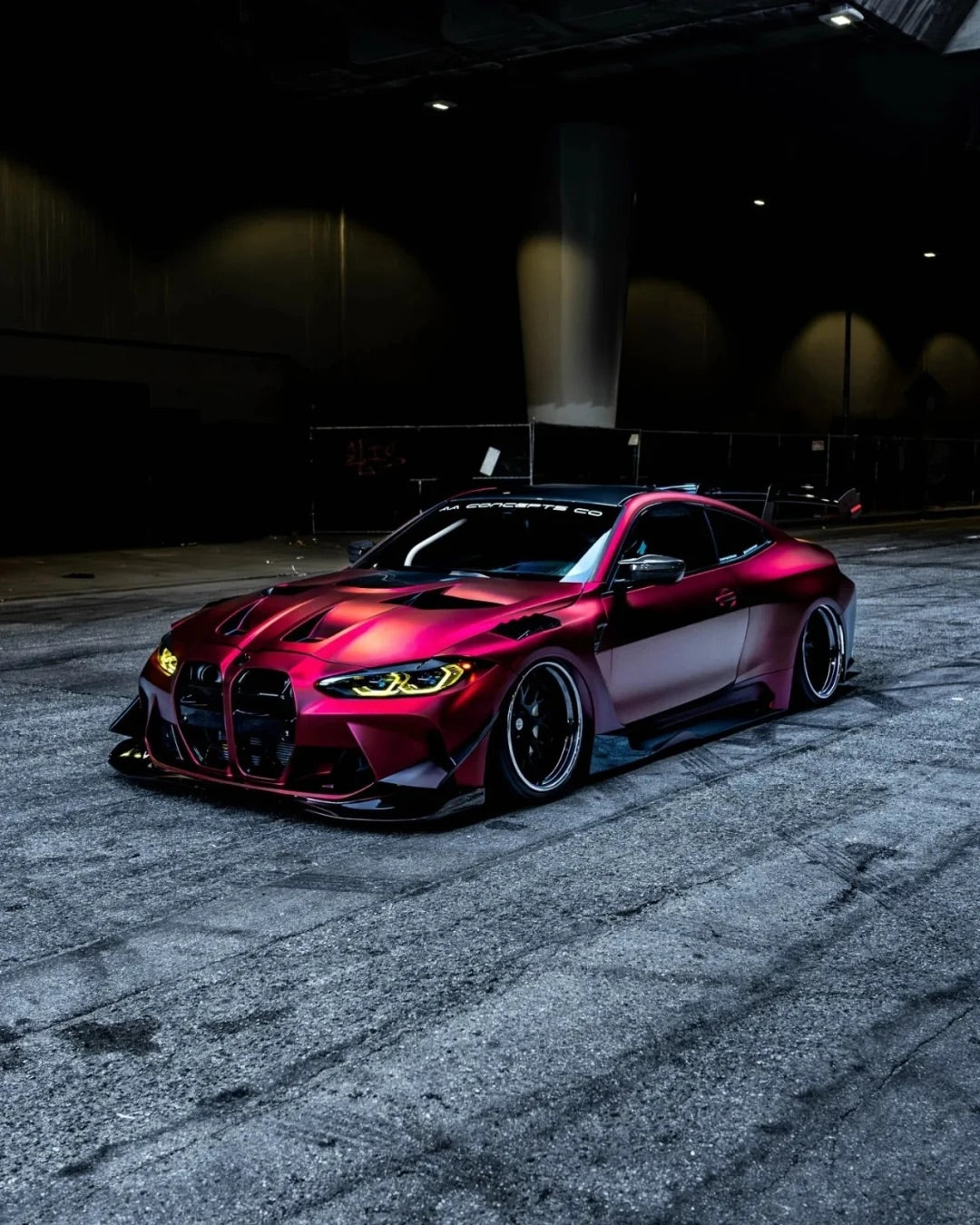
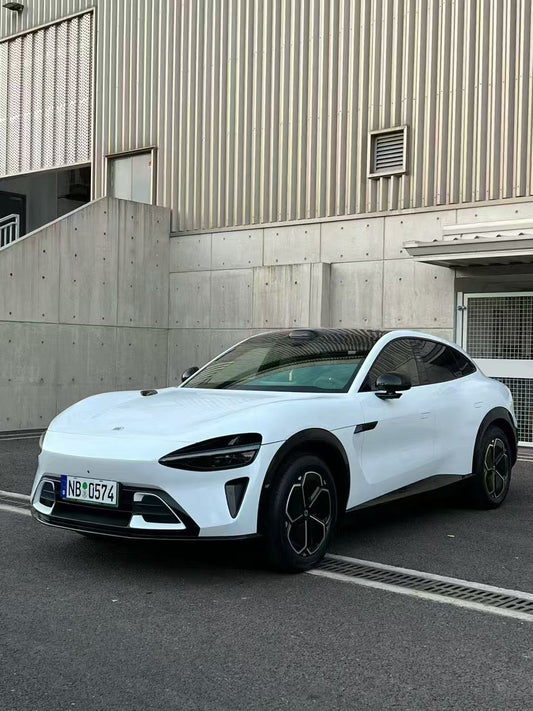
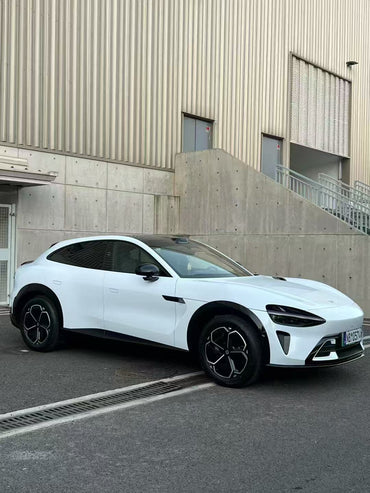
For drivers seeking both comprehensive protection and unique visual identity, colored paint protection film delivers an innovative solution. These advanced films combine all the protective benefits of clear PPF with vibrant color transformation, essentially wrapping your vehicle in armor that looks spectacular.
Available colors include Crystal Sky Blue, Ferrari Red, Blood Red, Arctic Grey, Crystal Orange, Piano Black, and numerous other premium options. Each colored PPF variant maintains the same self-healing properties and impact resistance as clear films while completely changing your vehicle's appearance. This technology has gained significant popularity among enthusiasts who want protection without sacrificing customization opportunities.
Highway driving demands particular attention to high-impact zones. The front bumper encounters the highest concentration of debris strikes, followed closely by the hood, fenders, and mirror housings. Colored PPF applied to these vulnerable areas provides both style differentiation and maximum damage prevention where protection matters most.
Vinyl Car Wraps for Highway Protection and Personalization
While paint protection film focuses primarily on invisible armor, premium vinyl wraps offer an alternative approach combining aesthetic transformation with meaningful protection. Modern cast vinyl materials provide UV resistance, scratch protection, and a sacrificial layer between environmental hazards and factory paint.
The 2025 automotive customization market has embraced several vinyl finish categories that perform particularly well under highway conditions:
Crystal Series Wraps
The Crystal vinyl wrap collection features sparkling finishes that catch light beautifully while providing substantial surface protection. These films incorporate reflective particles throughout their construction, creating dimensional depth that standard paint cannot replicate.
Metallic Series Options
Metallic vinyl wraps deliver factory-style sophistication with enhanced protection. Available in silver, gold, bronze, and numerous other metallic tones, these films appeal to drivers wanting premium aesthetics without repainting.
Ultra Matte Finishes
The trend toward ultra matte wrap finishes continues accelerating through 2025. These non-reflective surfaces hide minor imperfections better than glossy alternatives while providing the understated elegance preferred by many luxury vehicle owners.
Liquid Chrome Effects
For those seeking maximum visual impact, liquid chrome wrap finishes create mirror-like reflections that transform ordinary vehicles into head-turning showpieces. Despite their dramatic appearance, these films provide genuine protective capability during highway use.
Highway Driving Tips for Protected Vehicles
Applying protection represents only the first step in paint preservation. How you drive and maintain your protected vehicle significantly influences long-term performance. Following established best practices ensures maximum return on your protection investment.
Maintain Safe Following Distance
Vehicles traveling ahead kick up debris continuously. Increasing following distance from the standard three seconds to four or five seconds on highways dramatically reduces debris impact frequency. Trucks and construction vehicles require even greater distances given their tendency to shed gravel and materials.
Choose Highway Lanes Strategically
The rightmost travel lanes typically accumulate the most debris along their edges. Center lanes on multi-lane highways generally expose vehicles to fewer projectiles since debris tends to migrate toward road shoulders over time.
Adjust Speed During Construction Zones
Construction areas concentrate loose materials near traffic flow. Reducing speed through these zones allows debris to fall away rather than becoming airborne projectiles. This simple adjustment prevents the majority of construction-related damage.
Avoid Gravel Roads When Possible
Unpaved surfaces or freshly repaired road sections pose extreme hazards to automotive finishes. If unavoidable, reducing speed below 25 mph significantly decreases both impact frequency and velocity.
Maintenance Protocols for Highway-Driven Protected Vehicles
Both PPF and vinyl wraps require specific care regimens to maintain optimal appearance and performance. Highway driving accelerates contamination accumulation, making frequent cleaning essential.
Washing Frequency
Protected vehicles exposed to regular highway driving should be washed at least weekly. Bug splatter, road tar, and industrial fallout attack film surfaces aggressively if allowed to dwell. Prompt removal prevents permanent staining and surface degradation.
Proper Washing Techniques
Hand washing using pH-neutral automotive soap produces the safest results for protected vehicles. Avoid automatic car washes with spinning brushes, as these can lift film edges or scratch surfaces. Touchless automated washes provide acceptable alternatives when hand washing proves impractical.
Use the two-bucket method: one bucket contains soapy wash solution while the second holds clean rinse water for your wash mitt. This prevents reintroducing collected debris onto the surface during washing.
Drying Methods
Air drying leaves mineral deposits that mar appearance. Instead, use clean microfiber towels or dedicated automotive drying towels to remove water before it evaporates. Work from top to bottom, allowing gravity to assist the process.
Spot Cleaning Between Washes
Bird droppings, tree sap, and insect impacts require immediate attention regardless of scheduled wash timing. These organic materials contain acids that can damage both vinyl and PPF surfaces if allowed to remain. Keep vinyl-safe quick detailer products available for emergency spot treatments.
Protecting High-Impact Areas for Highway Driving
Strategic protection focuses resources where damage likelihood peaks. Rather than full-vehicle coverage, many highway commuters optimize protection by targeting specific vulnerable zones.
Front Bumper Coverage
The lower front bumper encounters more debris than any other vehicle surface. Full bumper PPF coverage or protective vinyl provides essential defense for this critical area. Consider extending protection onto headlight lenses, which also face direct debris exposure.
Partial Hood Protection
Hood leading edges bear heavy damage accumulation. Partial hood coverage extending 18-24 inches from the front provides substantial protection against the majority of chip-causing impacts while managing overall protection costs.
Fender and Mirror Protection
Side fenders and exterior mirrors face both forward debris and particles thrown sideways by passing vehicles. These areas merit priority protection, particularly on the driver's side where adjacent lane traffic passes closest.
Rocker Panel Coverage
Rocker panels running beneath door sills collect debris thrown from your own tires. While less visible than hood damage, rocker panel deterioration accelerates with highway mileage. Extending protection to these areas prevents unseen damage accumulation.
Color-Shifting Wraps: Trending Options for Highway Warriors
The automotive customization industry has embraced color-shifting technologies that create stunning visual effects under varying light conditions. These films prove particularly impressive during highway driving where changing angles and lighting continuously alter perceived colors.
Rainbow Laser Series
Rainbow laser vinyl wrap produces prismatic effects that shift through multiple hues as viewing angles change. These attention-commanding finishes transform ordinary highway cruising into mobile art exhibitions.
Dual Color Dream Series
Dual color dream vinyl wrap creates chameleon-like transitions between two complementary colors. Movement through traffic reveals continuous color evolution that standard paint cannot replicate.
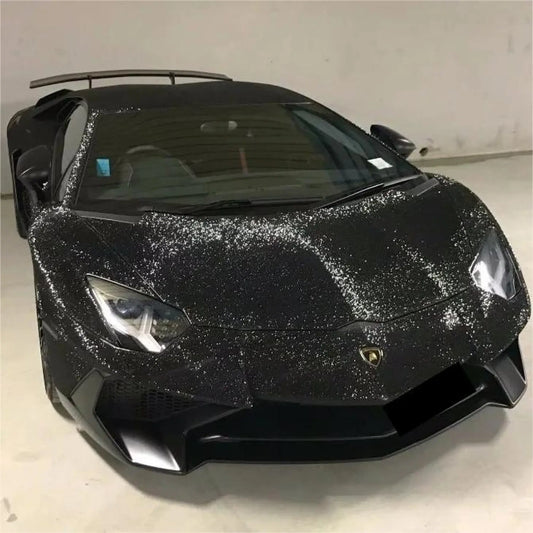
Glitter Sparkle Finishes
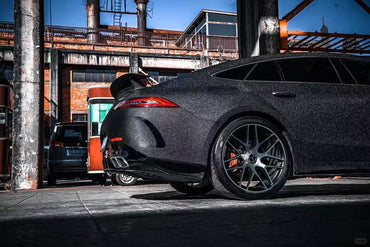
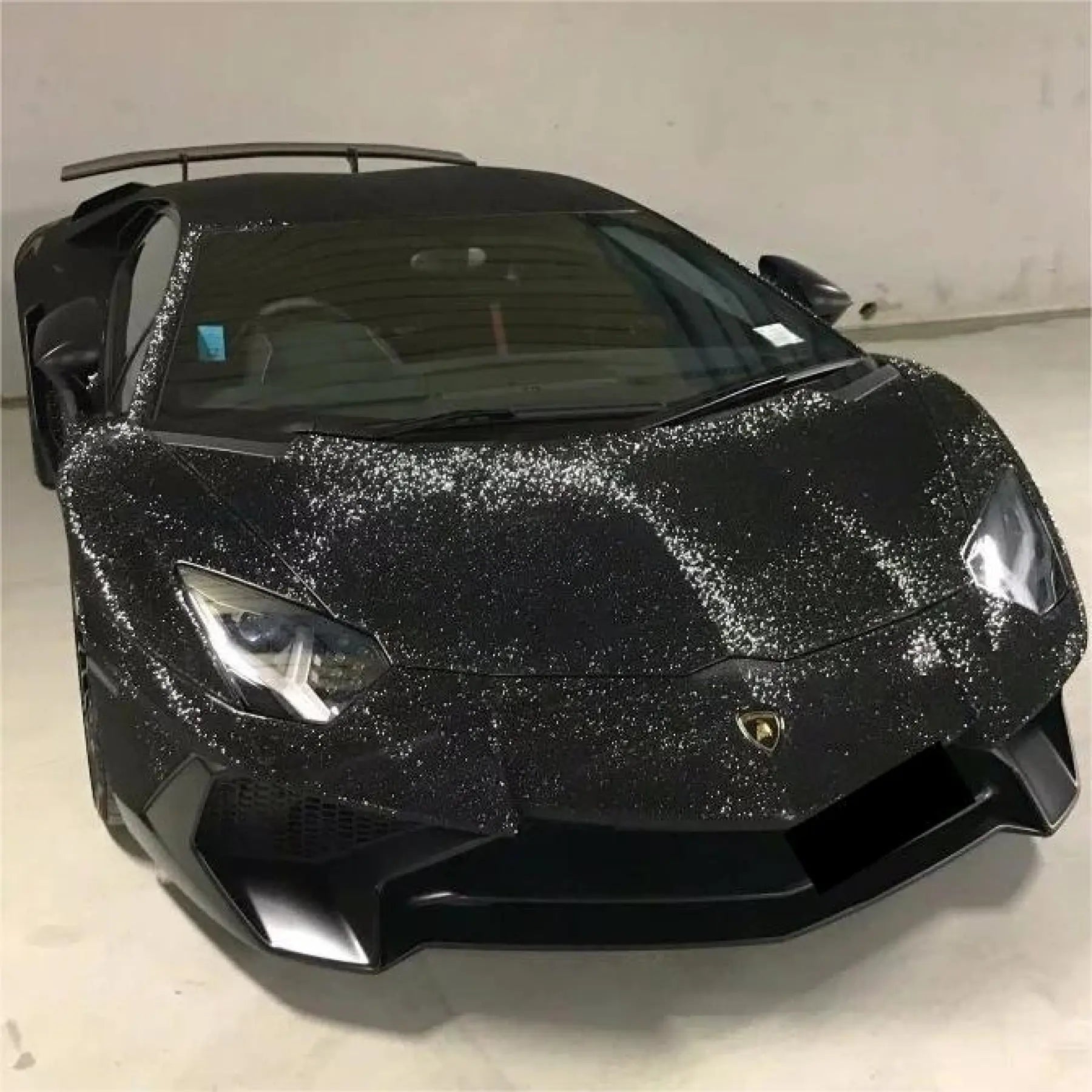
Glitter sparkle car wrap incorporates reflective particles that catch and scatter light dramatically. Highway speeds create continuous sparkle effects that draw positive attention without compromising protection.
Professional Installation Versus DIY Approaches
Paint protection film and quality vinyl wraps require precision application for optimal performance. While DIY installation remains possible for experienced enthusiasts, professional installation provides significant advantages for highway-driven vehicles.
Professional installers ensure complete adhesion without trapped air or debris. They possess specialized tools for accessing recesses and complex curves where amateur applications commonly fail. Most importantly, professional installation typically includes manufacturer warranty coverage that DIY approaches forfeit.
For drivers interested in experiencing different film types before committing, sample kits allow hands-on evaluation of various finishes and colors. Testing samples under actual lighting conditions reveals how specific films will appear on your vehicle.
Cost-Benefit Analysis for Highway Protection
Understanding the financial justification for protective films requires comparing installation costs against potential repair expenses. Repainting a single hood or bumper typically costs $500-$1500 depending on color complexity and vehicle type. Rock chip repairs accumulate additional expenses, often requiring attention every few months for unprotected highway-driven vehicles.
Quality paint protection film for high-impact front coverage ranges from $800-$2500 depending on coverage area and film grade. Full vehicle vinyl wrap installations typically cost $2500-$5000 for professional work using premium materials. Both options eliminate ongoing chip repair expenses while maintaining superior appearance throughout their service life.
Protected vehicles also command higher resale values. Original factory paint in excellent condition signals careful ownership and proper maintenance. Removing protective films at sale time reveals showroom-condition paint that justifies premium pricing compared to vehicles showing typical highway wear.
Combining Protection Technologies
Many vehicle owners achieve optimal results by layering complementary protection technologies. Applying ceramic coating over vinyl wraps creates hydrophobic surfaces that repel water and contaminants, simplifying maintenance while enhancing durability.
For ultimate protection, some enthusiasts apply clear PPF to highest-impact areas, then vinyl wrap remaining surfaces, finally topping everything with ceramic coating. This comprehensive approach addresses every threat category while allowing unlimited aesthetic customization.
Conclusion: Investing in Long-Term Paint Preservation
Highway driving places extraordinary demands on automotive finishes that factory paint alone cannot withstand indefinitely. Modern protection technologies including self-healing TPU paint protection film and premium vinyl wraps provide proven solutions for preserving both appearance and value throughout years of highway service.
Whether prioritizing invisible protection through clear PPF, dramatic transformation through colored films, or stylish customization through vinyl wraps, options exist for every preference and budget. The wrapping tools required for installation have become increasingly accessible, while professional installer networks continue expanding nationwide.
For additional guidance on protection selection and installation procedures, consult the Car Film Maintenance Guide and DIY Car Wrap Installation Guide resources. These comprehensive references provide detailed information to help drivers make informed protection decisions that preserve automotive investments for years to come.
Protecting your vehicle's finish against highway hazards represents one of the most cost-effective maintenance investments available to modern drivers. The technology exists, the options are abundant, and the benefits compound with every mile traveled.
External Authority Links Included:
- Wikipedia: Paint Protection Film (https://en.wikipedia.org/wiki/Paint_protection_film)

