



Understanding the Protection Hierarchy
The most effective vehicle protection systems follow a specific layering sequence that maximizes the benefits of each component. This hierarchy ensures proper adhesion, optimal performance, and longevity that justifies the investment in premium protection products.
The foundation layer consists of either clear TPU paint protection wrap or decorative car vinyl wrap, depending on your goals. TPU films excel at impact absorption and self-healing capability, making them ideal for high-impact zones. Vinyl wraps provide aesthetic transformation while offering meaningful protection against UV exposure and minor surface damage.
Ceramic coating serves as the finishing layer, bonding chemically to the underlying film surface. This liquid polymer creates an incredibly slick, hydrophobic barrier that causes water, dirt, and contaminants to bead and slide away rather than adhering to the surface. The coating fills microscopic pores in the film, creating smoother surfaces that stay cleaner longer and wash more easily.
Why Ceramic Coating Enhances PPF Performance
Premium TPU paint protection film already provides excellent physical protection, but ceramic coating amplifies these benefits while adding capabilities PPF alone cannot deliver. The combination creates synergistic effects that extend the lifespan and performance of both protection systems.
Hydrophobic properties represent the most immediately noticeable improvement. Uncoated PPF has moderate water resistance, but adding ceramic coating transforms the surface into an extremely water-repellent barrier. Water beads form tight spheres that roll off panels, carrying dirt and contaminants with them. This self-cleaning effect reduces washing frequency while preventing water spots and mineral deposits from forming.
UV protection receives significant enhancement through ceramic coating application. While quality PPF includes UV inhibitors, ceramic adds another protective layer that further shields against ultraviolet radiation. This dual-layer UV defense prevents the yellowing and cloudiness that can affect unprotected films over extended periods, maintaining crystal-clear optical clarity throughout the protection system's service life.
Chemical resistance improves dramatically when ceramic coating covers PPF surfaces. Environmental contaminants including bird droppings, tree sap, industrial fallout, and acidic rain pose serious threats to automotive finishes. Ceramic coating creates a sacrificial barrier that prevents these corrosive substances from contacting and etching into the underlying film, simplifying removal and preventing permanent staining.
The colored paint protection film collection benefits particularly from ceramic coating enhancement. Vibrant colors like Crystal Sky Blue, Ferrari Red, and Arctic Grey maintain their brilliance longer when protected by hydrophobic ceramic layers that prevent contamination buildup and UV-induced fading.
Ceramic Coating Over Vinyl Wraps: Maximizing Style and Protection
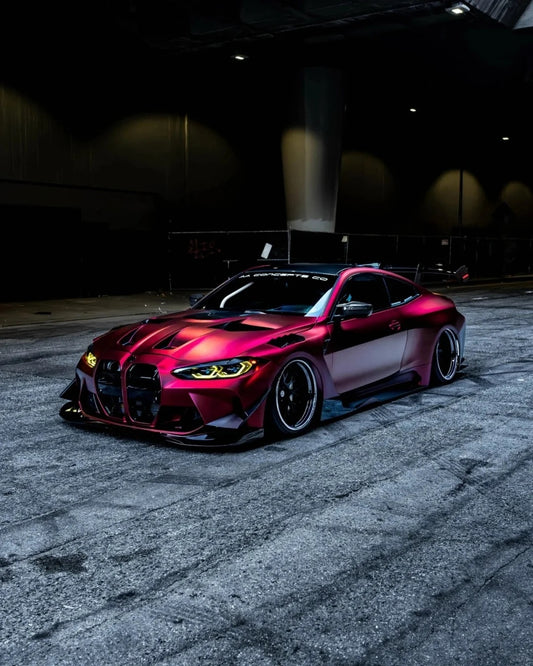
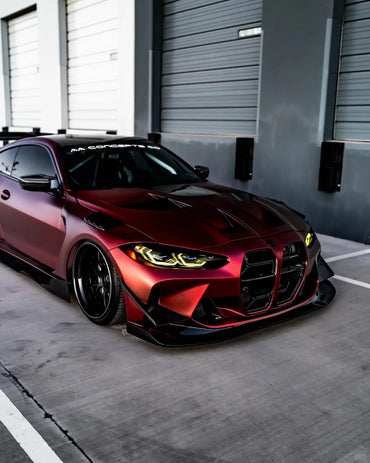
Vinyl wraps offer unlimited aesthetic possibilities, from subtle color changes to dramatic finishes like rainbow laser vinyl wrap and liquid chrome wrap. Ceramic coating preserves these stunning finishes while adding practical benefits that extend wrap longevity and simplify maintenance.
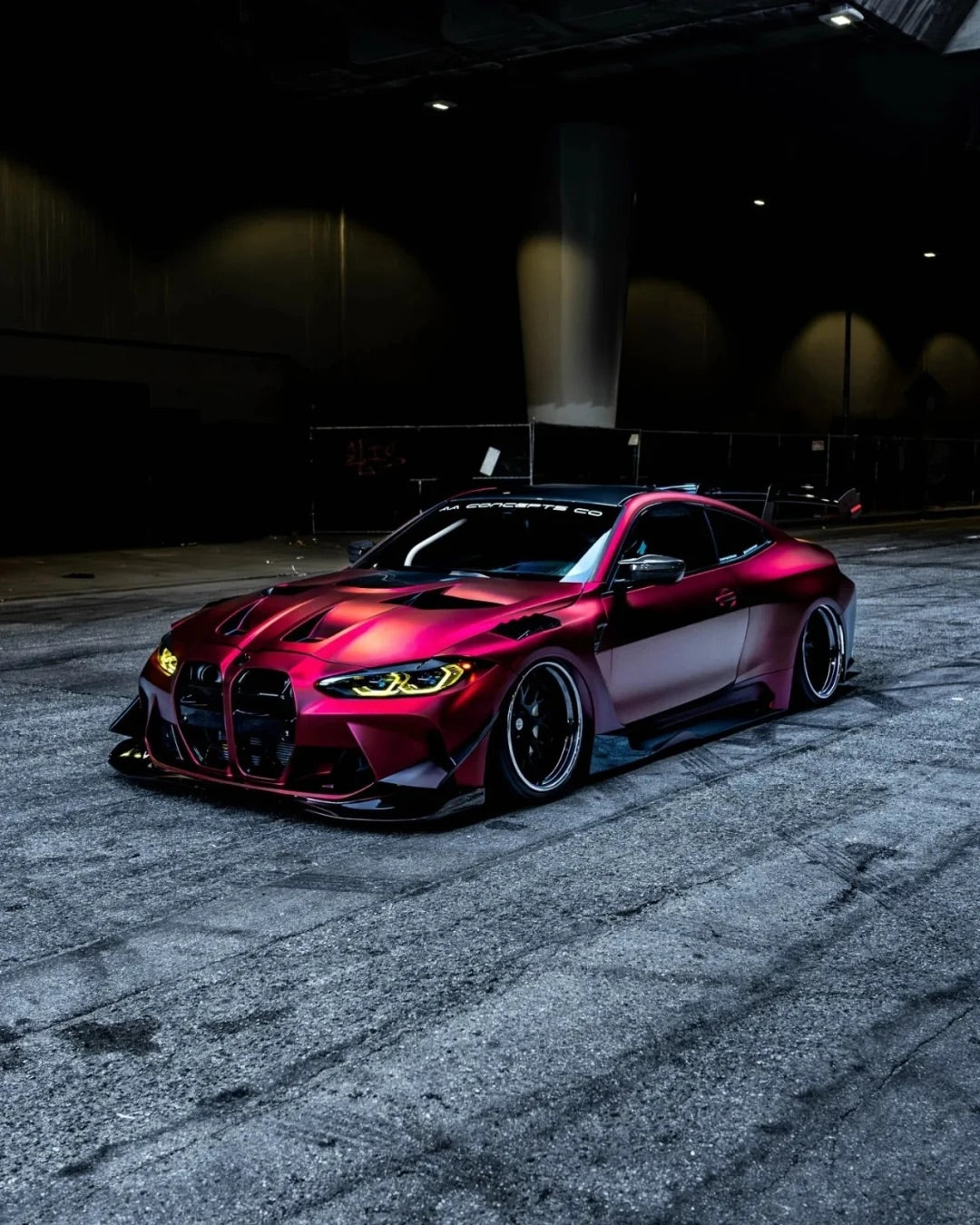
The crystal vinyl wrap collection showcases how ceramic enhancement amplifies visual impact. Crystal gloss finishes already deliver exceptional depth and brilliant shine, but ceramic coating adds another dimension of clarity and reflectivity. The result approaches the appearance of deep, wet paint that catches light beautifully from every angle.
Matte and satin finishes from the ultra matte wrap collection require specialized ceramic formulations designed for non-glossy surfaces. These coatings maintain the intended texture and appearance while adding protective benefits. Matte wraps coated with compatible ceramics retain their sophisticated, non-reflective character while gaining improved stain resistance and easier cleaning properties.
Color-shifting wraps including dual color dream vinyl wrap options present unique coating considerations. The chameleon effects that make these wraps spectacular depend on light interaction with the film surface. Quality ceramic coatings enhance rather than diminish these color transitions, adding depth that makes shifts between hues even more dramatic.
The Science Behind the Combination
Understanding the technical interaction between ceramic coating and protective films explains why this combination delivers superior results. The chemistry involved creates genuine synergy rather than simply stacking protection layers.
Ceramic coatings consist of silicon dioxide or titanium dioxide nanoparticles suspended in a carrier solution. When applied to PPF or vinyl surfaces, these particles bond at the molecular level, filling surface imperfections and creating an incredibly smooth protective layer. The cured coating measures just a few microns thick but provides hardness ratings significantly exceeding the underlying film.
The filling effect proves particularly valuable for PPF applications. Paint protection film surfaces contain microscopic pores that can trap contaminants over time. Ceramic coating seals these pores, preventing dirt and pollution from penetrating into the film structure. This keeps surfaces cleaner and makes the self-healing properties of quality PPF more effective by maintaining surface smoothness.
Heat activation plays an important role in both ceramic curing and PPF self-healing. Modern ceramic coatings cure through heat exposure, whether from ambient temperature, sunlight, or applied heat. This same heat activates the elastomeric polymers in self-healing PPF, causing minor scratches to flow and disappear. The processes complement each other, with ceramic-coated PPF maintaining optimal appearance through normal environmental heat exposure.
Installation Sequence and Timing
Proper installation sequence determines whether ceramic coating successfully bonds to protective films and delivers expected performance. Following established protocols ensures optimal results and protects your investment in premium protection products.
Paint protection film or vinyl wrap must be installed first and allowed to cure completely before ceramic coating application. Fresh film installations require time for adhesive systems to fully bond with the vehicle surface and for any installation moisture to evaporate. Most professionals recommend waiting 48 to 72 hours minimum, though some installers prefer full two-week curing periods for maximum adhesion strength.
Surface preparation before ceramic coating is essential for proper bonding. The film surface requires thorough cleaning to remove any contamination, oils, or residue from the installation process. Isopropyl alcohol wipes effectively remove surface contaminants without affecting the underlying film. Some installers perform light polishing to remove minor surface imperfections and maximize optical clarity before coating.
Ceramic coating application follows standard procedures adapted for film surfaces rather than factory paint. Thin, even layers applied in crosshatch patterns ensure complete coverage without excessive buildup. Working in small sections allows proper wiping before the coating flashes and becomes difficult to level. Curing time varies by product but typically requires 24 to 48 hours before water exposure.
Benefits for Different Finish Types
Each finish category benefits differently from ceramic coating enhancement, and understanding these variations helps optimize protection strategies for specific vehicle applications.
Gloss Finishes
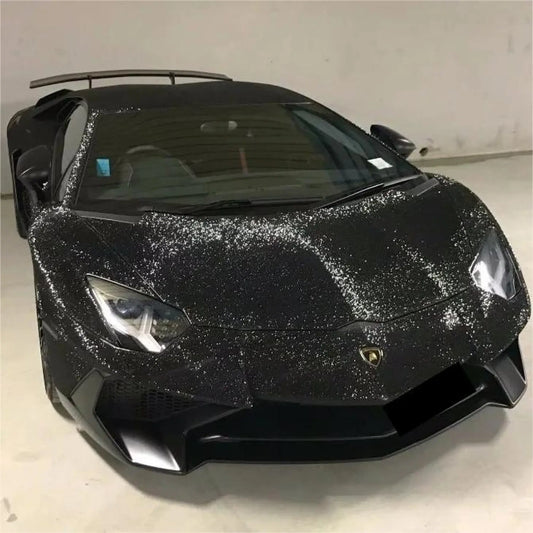
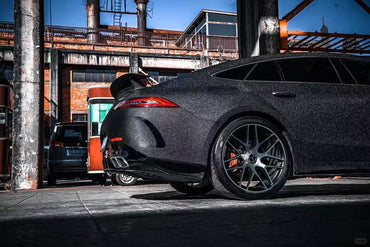
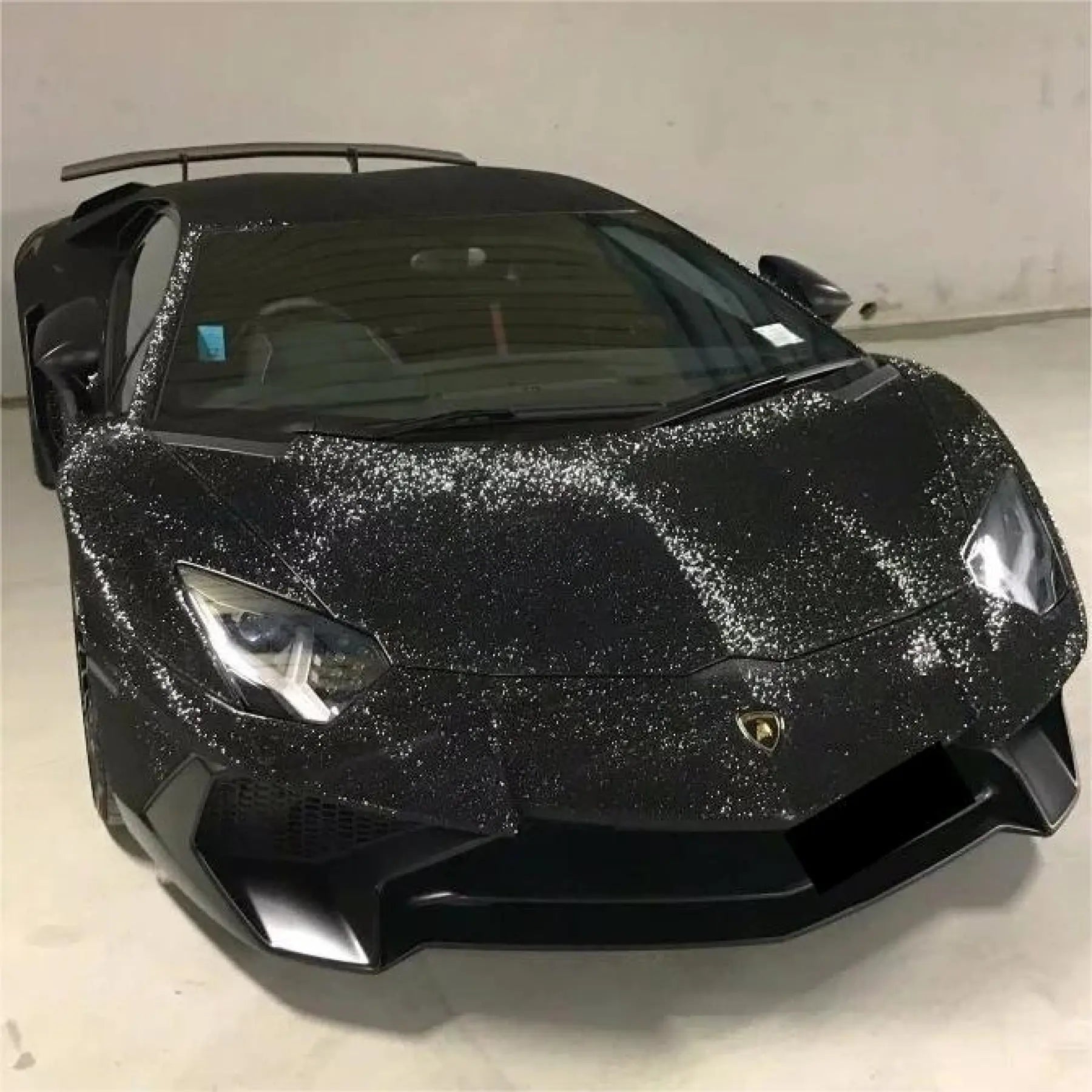
The metallic vinyl wrap and glitter sparkle car wrap collections achieve maximum visual impact when ceramic coated. Glossy surfaces gain enhanced depth and reflectivity that makes metallic flakes and glitter particles shimmer more dramatically. The slick surface created by ceramic coating also makes gloss finishes easier to maintain, as dirt cannot penetrate into surface texture.
Matte and Satin Finishes
Specialized matte ceramic coatings protect ultra matte wraps without adding unwanted shine. These formulations maintain the sophisticated non-reflective appearance while providing hydrophobic protection and stain resistance. Properly coated matte surfaces shed water nearly as effectively as gloss finishes while keeping their distinctive flat appearance.
Textured Finishes
The 3D carbon fiber wrap collection features realistic texturing that requires careful ceramic coating application. The coating must flow into textured surfaces without pooling in recesses or building up on raised areas. Professional application ensures even coverage that enhances rather than obscures the carbon fiber pattern.
Color-Shifting Finishes
Rainbow laser and dual color dream wraps require ceramic coatings that remain completely clear without adding any tint or haze. Quality coatings designed for color-shifting films preserve the dramatic color transitions that make these wraps spectacular while adding protective benefits. Inferior coatings may dull color shifts or introduce unwanted optical effects.
Maintenance Protocols for Coated Films
Maintaining ceramic-coated PPF and vinyl wraps differs from caring for uncoated surfaces. Understanding proper maintenance extends the effective life of both the coating and underlying film while preserving appearance quality.
Washing frequency decreases substantially when ceramic coating protects film surfaces. The hydrophobic properties prevent most contamination from adhering firmly, allowing simple water rinses to remove the majority of accumulated dirt. Full contact washes become necessary less frequently, reducing opportunities for wash-induced scratching or swirl marks.
When washing is required, pH-neutral automotive shampoos protect both ceramic coating and underlying film. Harsh detergents, degreasers, and high-pH cleaners can degrade ceramic coatings and potentially damage vinyl materials. Gentle formulations designed for coated surfaces clean effectively while preserving protective layers.
The two-bucket wash method prevents reintroducing captured dirt to the surface. One bucket contains soapy wash solution while the second holds clean rinse water. Thoroughly rinsing the wash mitt in the rinse bucket before reloading with shampoo prevents fine particles from scratching the coating during subsequent passes.
Avoid automated car washes that use spinning brushes, as these can scratch ceramic coatings and potentially lift film edges. Touchless automated washes provide acceptable alternatives when hand washing proves impractical, though hand washing remains the preferred method for coated vehicles.
Periodic coating maintenance extends protection longevity between full reapplication. Spray ceramic boosters refresh hydrophobic performance and add minor protection enhancement. Most detailers recommend booster application every three to six months for vehicles exposed to typical environmental conditions.
Cost-Benefit Analysis
Understanding the investment required for combined protection helps vehicle owners make informed decisions about protection strategies. While premium protection requires meaningful upfront investment, the long-term value proposition proves compelling for most applications.
Ceramic coating over PPF adds relatively modest cost to an already substantial protection investment. The coating itself typically represents 15 to 25 percent of total installation cost when added to full-front or full-vehicle PPF coverage. This incremental expense delivers benefits that enhance the value of the underlying film investment.
Extended film life represents the primary financial benefit of ceramic coating addition. Properly coated PPF and vinyl wraps maintain appearance quality longer than uncoated installations. The hydrophobic and UV-protective properties slow environmental degradation, potentially extending service life by one to three years depending on exposure conditions.
Reduced maintenance costs accumulate over time. Vehicles with ceramic-coated protection require less frequent professional detailing and fewer corrective treatments for contamination damage. The time savings alone justify coating investment for many busy vehicle owners who value convenient, low-maintenance operation.
Resale value protection compounds the financial benefits. Vehicles with comprehensive protection systems in excellent condition command premium prices when sold or traded. The combination of protected factory paint, current-condition protection films, and active ceramic coating demonstrates meticulous ownership that buyers recognize and reward.
Choosing the Right Products
Selecting appropriate products for each protection layer ensures optimal compatibility and performance. Not all ceramic coatings work well over all film types, and matching products to applications prevents disappointing results.
Film selection depends primarily on protection goals. The TPU paint protection wrap collection provides maximum physical protection with 7.5mil and 8.5mil thickness options in both gloss and matte finishes. These self-healing films deliver uncompromising rock chip and scratch protection for high-impact applications.
Aesthetic transformation goals favor the extensive car vinyl wrap collection. From the understated elegance of crystal gloss finishes to the attention-commanding brilliance of liquid chrome effects, vinyl wraps enable virtually unlimited customization while providing meaningful protection.
Ceramic coating selection must match the underlying film type. Coatings formulated specifically for PPF and vinyl offer better compatibility and performance than general-purpose automotive ceramic products. These specialized formulations account for the flexibility of film materials and avoid ingredients that might damage or degrade plastic surfaces.
Before committing to full vehicle coverage, testing products on sample kits allows evaluation of film colors, textures, and coating compatibility. Testing reveals how specific ceramic products interact with particular film finishes, preventing costly mistakes on full installations.
Professional installation expertise matters significantly for combined protection systems. Experienced installers understand the nuances of applying ceramic coatings to film surfaces and can identify potential compatibility issues before they cause problems. The wrapping tools required for professional results demand skill and practice to use effectively.
Common Mistakes to Avoid
Understanding typical errors helps vehicle owners and installers achieve optimal results with combined protection systems. Avoiding these mistakes prevents wasted investment and disappointing outcomes.
Applying ceramic coating before PPF or vinyl cures completely leads to adhesion problems. The coating cannot bond properly to surfaces that are still outgassing moisture or allowing adhesive to settle. Patience during the curing period pays dividends in long-term coating durability.
Using incompatible coating products damages film surfaces or fails to bond properly. Standard automotive ceramic coatings designed for factory clear coat may not perform well on flexible film materials. Always verify manufacturer compatibility claims before application.
Excessive coating thickness creates problems rather than benefits. Thick ceramic layers on flexible films can crack or peel as the underlying material flexes during normal operation. Thin, properly leveled applications deliver better long-term performance than heavy buildup.
Neglecting edge sealing allows contamination to work underneath film boundaries. Ceramic coating should extend slightly beyond film edges where possible, sealing transitions and preventing moisture infiltration. This detail-oriented approach maximizes protection system longevity.
The Ultimate Protection Package
For vehicle owners seeking maximum protection without compromise, the complete combination approach delivers unmatched results. This strategy layers complementary technologies to address every protection need while enabling stunning aesthetic customization.
Starting with clear TPU PPF on highest-impact areas provides the physical protection foundation. The front bumper, hood, fenders, mirrors, and rocker panels receive invisible armor that absorbs rock chips and scratches before they reach factory paint. Self-healing technology ensures this protection maintains flawless appearance throughout its service life.
Colored PPF or premium vinyl wrap transforms vehicle appearance while adding protection to remaining surfaces. The best sellers collection highlights popular options that combine visual impact with practical protection. These finishes completely change vehicle character while providing UV protection and surface defense.
Ceramic coating applied over the entire protection system creates the final defensive layer. Hydrophobic properties, chemical resistance, and UV protection combine to keep the vehicle looking freshly detailed with minimal maintenance effort. The coating preserves both the protective films and the stunning appearance they create.
This comprehensive approach protects factory paint completely, enables unlimited aesthetic customization, simplifies maintenance dramatically, and preserves maximum resale value. For enthusiasts who demand the best, combined protection represents the ultimate expression of automotive care.
Conclusion
Combining ceramic coating with paint protection film and vinyl wraps creates protection systems greater than the sum of their components. The physical defense of quality films merges with the chemical resistance and hydrophobic performance of ceramic coatings to deliver comprehensive vehicle protection that addresses every environmental threat.
Understanding the proper installation sequence, maintenance requirements, and product selection criteria ensures optimal results from combined protection investments. Following established best practices maximizes the longevity and performance of both protection layers while preserving the stunning appearance that premium films deliver.
For detailed guidance on protection system installation and care, consult the Car Film Maintenance Guide and DIY Car Wrap Installation Guide. These comprehensive resources provide the knowledge needed to maintain protection systems in optimal condition for years of service.
The combination of ceramic coating over PPF or vinyl wrap represents the current state of the art in automotive protection. Vehicle owners who implement this hybrid approach enjoy maximum protection, stunning appearance, and convenient maintenance that makes comprehensive care achievable for any enthusiast willing to invest in premium protection technology.
External Authority Links Included:
- Wikipedia: Paint Protection Film (https://en.wikipedia.org/wiki/Paint_protection_film)

