












Understanding the Difference Between Vinyl Wrap and PPF Cutting
Before diving into cutting techniques, it is essential to understand that vinyl wraps and paint protection films require different approaches. Standard car vinyl wrap materials are thinner and easier to cut through, making them ideal for beginners. Premium options like crystal series vinyl wrap and liquid chrome wrap offer exceptional conformability while maintaining precise cutting characteristics.
In contrast, TPU paint protection film is thicker and designed for maximum protection against rock chips and scratches. Cutting PPF requires precision scoring rather than slicing completely through the material. According to Wikipedia's vehicle vinyl wrap article, cast vinyl films conform exceptionally well to curved shapes and maintain their original form throughout the installation process.
Essential Tools for Scratch-Free Vinyl Cutting
Professional installers never start a project without gathering the proper equipment. The SAILI Professional Car Tool Wrapping Kit contains everything needed for seamless installation, including precision cutting instruments and specialized squeegees designed for bubble-free application.
Sharp Blades Are Non-Negotiable
A dull blade is the leading cause of paint damage during vinyl wrap installation. When your blade loses its edge, you compensate by applying more pressure, which increases the risk of cutting through to the paint surface. Industry professionals recommend changing blades frequently, sometimes after just a few cuts on a single panel.
Quality utility knives typically come in 30-degree and 60-degree angle configurations. The 30-degree blade excels at precision work and detail cutting around emblems, door handles, and mirror housings. The steeper 60-degree blade works better for longer straight cuts along body lines and panel edges.
Knifeless Tape: The Game-Changing Solution
Knifeless tape has revolutionized the vinyl wrap industry by eliminating the need to bring a blade anywhere near your paint. This specialized tape contains a thin filament that cleanly cuts through vinyl when pulled, creating precise edges without any risk of surface damage. According to the International Window Film Association, knifeless cutting systems have become the preferred method for professional installers worldwide.
The application process involves placing the tape along your desired cut line before applying the vinyl. Once the film is positioned and squeegeed down, you simply pull the filament through the material. The result is a clean, factory-quality edge that follows curves and contours perfectly.
The Proper Blade Angle Technique
When knife cutting is necessary, maintaining the correct blade angle prevents paint damage. The golden rule is to keep your blade at approximately 45 degrees to the surface while gliding sideways rather than pushing downward. This technique allows the blade to slice through the vinyl film without penetrating to the paint layer beneath.
Many beginners make the mistake of holding the blade too steep, which dramatically increases cutting depth. Practice on scrap material first to develop muscle memory for the correct angle. Working with premium films like rainbow laser vinyl wrap or dual color dream vinyl wrap becomes much easier once you master this fundamental skill.
Using Masking Tape as a Safety Buffer
When knifeless tape is unavailable, automotive masking tape provides an effective alternative for protecting your paint during cutting. The technique involves applying low-tack tape along the edge where you plan to make your cut. Position your vinyl over the tape, squeegee it into place, and then cut along the tape edge using light pressure.
The masking tape serves two critical functions. First, it creates a visual guideline for straight, consistent cuts. Second, it acts as a sacrificial layer that takes any accidental blade contact instead of your paint. After completing the cut, remove both the excess vinyl and the tape together for a clean finish.
Special Considerations for Rubber Trim and Seals
Areas around windows, doors, and rubber gaskets present unique cutting challenges. The flexible nature of rubber seals makes them prone to uneven cuts if you attempt to trim directly on them. The professional approach involves tucking the vinyl into the groove between the rubber trim and the body panel before making your final cut.
For window applications, apply masking tape over the rubber trimming before positioning your vinyl. Carefully cut along the edge while leaving approximately 5mm of extra material. Use a micro squeegee to tuck this excess into the channel, then make a final trim cut. This method works exceptionally well with 3D carbon fiber wrap and other textured films that require precise edge finishing.
Common Cutting Mistakes to Avoid
-
Using Old Blades: Dull blades tear rather than cut cleanly, requiring more pressure and increasing scratch risk
-
Excessive Blade Extension: Only extend enough blade to penetrate the vinyl, not the paint beneath
-
Cutting at Steep Angles: High blade angles drastically increase the chance of paint damage
-
Applying Too Much Pressure: Let the blade sharpness do the work rather than forcing through the material
-
Rushing the Process: Slow, controlled movements produce far better results than hurried cuts
Measuring and Sizing Your Vinyl Before Installation
Proper preparation minimizes the amount of cutting required on your vehicle. Before beginning any installation, carefully measure the panel you plan to wrap. Always cut your vinyl at least five to six inches larger than your measurements on all sides. This extra material provides room for repositioning, stretching around curves, and wrapping edges properly.
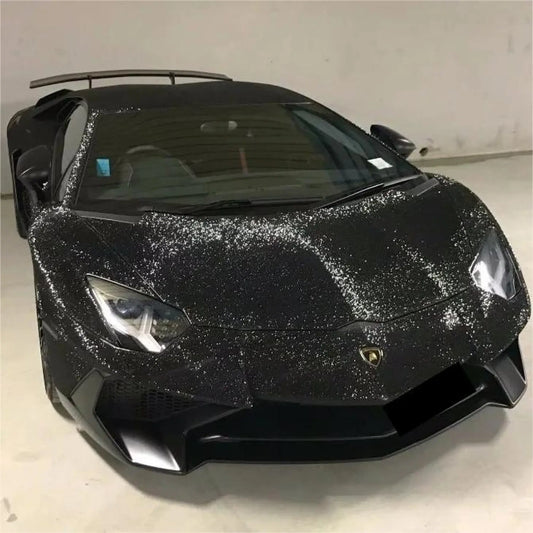
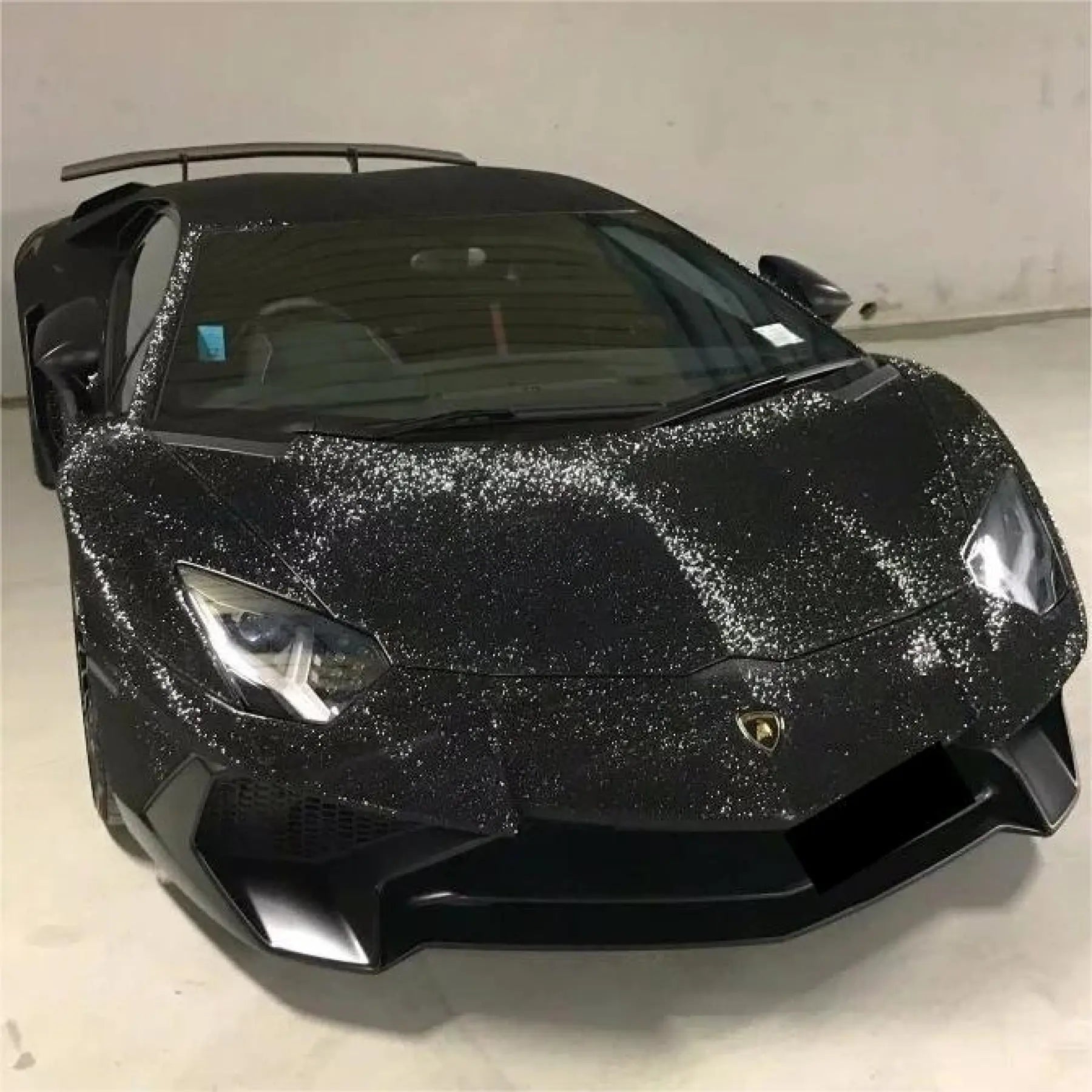
When working with specialty films like glitter sparkle car wrap or colored paint protection film, having adequate material ensures you can make adjustments without running short. Consider ordering sample kits first to practice your cutting technique on actual product before committing to a full installation.
The Relief Cut Technique for Complex Curves
Complex body contours like fender flares, bumper corners, and mirror housings require relief cuts to lay the vinyl flat without bridging or lifting. A relief cut is a small incision made in the excess material that allows it to spread around a curve. The key is making these cuts in areas that will be trimmed away or tucked under, so they remain invisible in the finished installation.
When applying best sellers vinyl wraps to compound curves, start by positioning the film and identifying where it begins to bridge or bunch. Make small triangular relief cuts at these points, allowing the vinyl to conform naturally. Heat application helps the material stretch and mold into place after making relief cuts.
Heat Application and Its Effect on Cutting
Heat guns play a dual role in vinyl wrap installation. Beyond helping the material conform to curves, controlled heat application makes cutting easier and cleaner. Warming the vinyl slightly softens the material, allowing blades to glide through with less resistance. However, excessive heat can make the vinyl too pliable, causing stretching during cuts.
The optimal temperature for cutting falls between the cold handling state and the full stretch temperature. Most quality vinyl wraps, including premium options from the car vinyl wrap collection, respond well to brief warming passes before making precision cuts.
Post-Cut Finishing for Professional Results
After completing your cuts, proper finishing ensures long-lasting adhesion and a seamless appearance. Run your squeegee firmly along all cut edges to press the vinyl into full contact with the surface. Pay special attention to areas around door handles, emblems, and panel gaps where lifting commonly occurs.
Apply heat to newly cut edges using a heat gun held six to eight inches from the surface. This post-heating activates the adhesive and helps seal the edge against moisture intrusion. The Car Film Maintenance Guide provides detailed information on caring for your wrap after installation to maximize its lifespan.
Achieving Professional Cuts With Practice and Patience
Mastering vinyl wrap cutting requires practice, patience, and proper technique. The combination of sharp blades, correct angles, and protective measures like knifeless tape or masking tape ensures your factory paint remains pristine throughout the installation process. Premium vinyl films from established suppliers offer better cutting characteristics and forgiveness for beginners learning the craft.
Remember that professional installers did not achieve their skills overnight. Start with smaller projects like mirror caps or interior trim pieces to build confidence before tackling full vehicle wraps. The DIY Car Wrap Installation Guide offers step-by-step instructions to help you achieve showroom-quality results on your first complete installation.
With premium materials, proper tools, and the techniques covered in this guide, you can transform your vehicle with beautiful vinyl wrap while keeping your paint completely protected. Whether you choose a head-turning rainbow laser wrap or a sophisticated ultra matte finish, the cutting process should never hold you back from achieving the exact look you envision for your ride.

