



Understanding Car Wrap Installation Timeframes
A full car wrap installation typically requires between one and five days to complete properly. This variation depends significantly on your vehicle size, the complexity of your chosen design, and the type of vinyl film being applied. Compact sedans with simpler body lines generally finish faster than SUVs or sports cars with intricate curves and recesses.
The vehicle vinyl wrap process involves multiple precise stages that professional installers cannot rush without compromising quality. Each panel must be cleaned, measured, cut, applied, heated, and inspected before moving to the next section. Cutting corners during any phase leads to bubbles, lifting edges, and premature failure.
Project Timeline Breakdown by Wrap Type
Full Vehicle Wraps
Covering your entire vehicle with premium car vinyl wrap material demands the most time investment. Standard sedans and coupes typically require two to three full days of shop time. This includes thorough surface preparation, panel-by-panel application, and a crucial curing period where adhesives bond completely to your paint surface.
Larger vehicles like trucks, vans, and SUVs extend this timeline to four or five days due to increased surface area and additional complexity around wheel wells, bumpers, and trim pieces. Choosing specialty finishes such as liquid chrome wrap or metallic vinyl wrap can add additional time because these materials require more careful handling and precise heat application.
Partial Wraps and Accent Pieces
Partial wraps covering specific sections like hoods, roofs, mirrors, or racing stripes complete much faster than full coverage projects. Most partial installations finish within a single day, often requiring just four to eight hours depending on the areas being covered. This option works excellently for adding dramatic contrast using 3D carbon fiber wrap accents or protective coverage on high-impact zones.
Color-Shifting and Special Effect Films
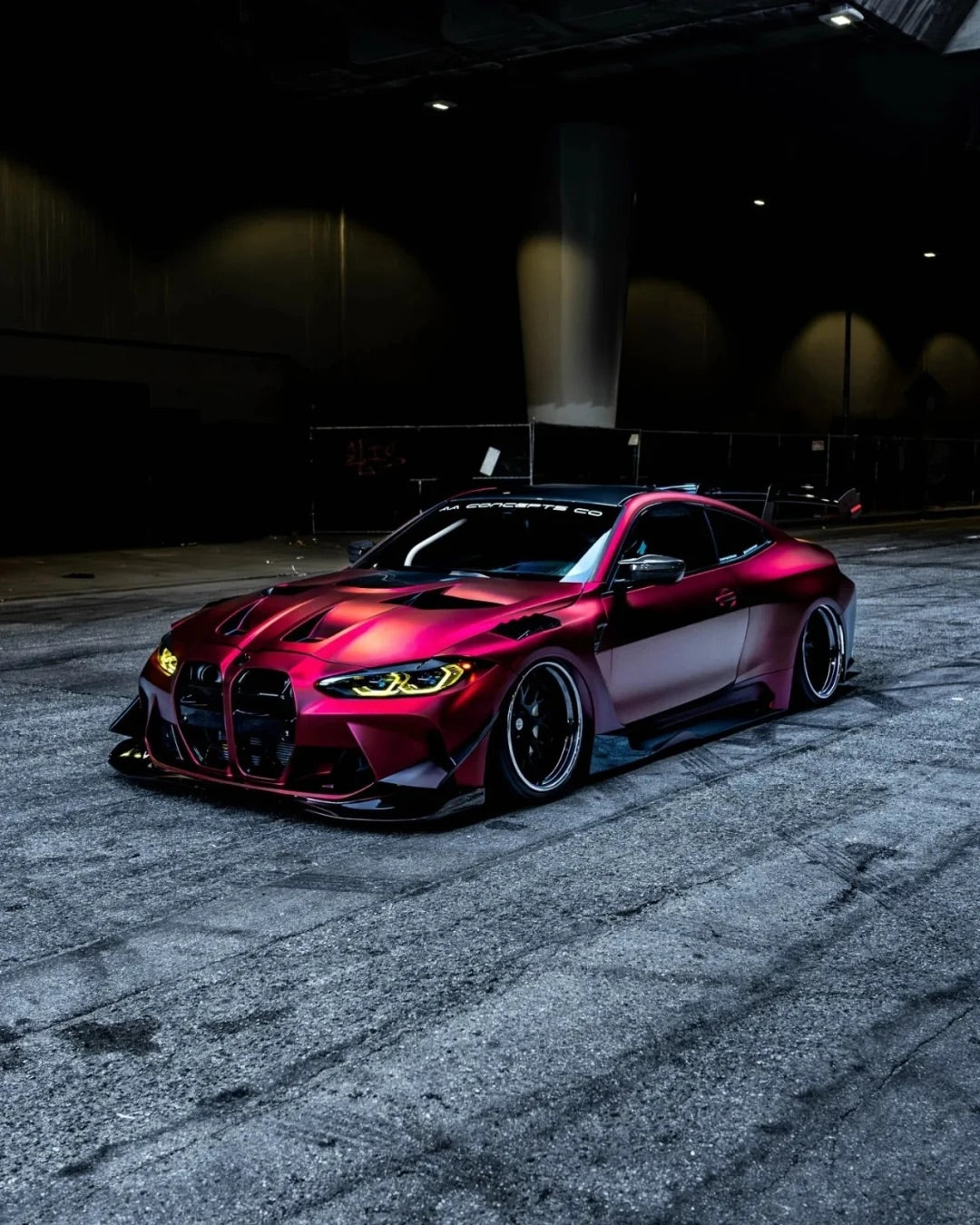
Dual color dream vinyl wrap and chameleon effect films demand extra precision during installation because patterns and color transitions must align perfectly across panels. Expect these specialty wraps to add roughly half a day to one full day compared to solid color alternatives. The stunning visual impact justifies this additional investment in time.
Factors That Influence Your Timeline
Vehicle Condition and Preparation
Your vehicle's current condition significantly impacts how long preparation takes before any vinyl touches the surface. Clean vehicles with smooth paint require minimal prep beyond thorough washing and decontamination with isopropyl alcohol. However, cars with existing damage, oxidation, or contaminants need additional attention.
Minor scratches, dents, or peeling paint must be addressed before wrapping because vinyl conforms to surface imperfections rather than hiding them. These repairs can add several hours or even an extra day to your overall project timeline. Professional wrap shops often recommend customers arrive with freshly washed vehicles to minimize this preparation phase.
Film Material Characteristics
Different vinyl wrap materials handle differently during installation, directly affecting completion time. Standard gloss finishes from the crystal vinyl wrap collection apply relatively quickly because they stretch predictably and forgive minor positioning adjustments.
Colored paint protection film requires extra care during application because TPU material stretches differently than standard vinyl. These protective films offer superior durability with self-healing properties, but installers must work more slowly to prevent optical distortions and ensure perfect adhesion.
Matte finishes hide installation marks better than glossy options but require different heat application techniques. The non-reflective surface of ultra matte wrap films shows fingerprints and oils easily during installation, meaning installers must maintain clean hands and tools throughout the process.
Design Complexity and Custom Graphics
Simple single-color applications proceed fastest because installers work with uniform panels without alignment concerns. Introducing multiple colors, custom graphics, or printed designs adds substantial time for precise positioning, pattern matching across body lines, and ensuring seamless transitions between colors.
Two-tone designs require extra measurement, masking, and careful seam placement. Full custom wraps with printed graphics demand the most time because every element must flow correctly across doors, fenders, and bumpers. Misalignment becomes immediately visible and requires time-consuming corrections.
The Installation Process Timeline
Day One: Consultation and Preparation
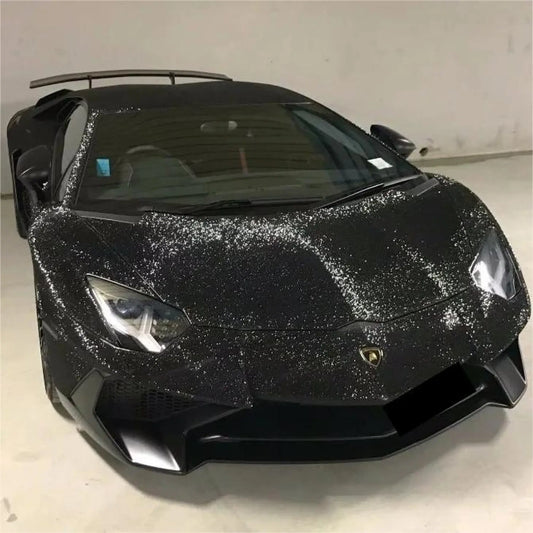
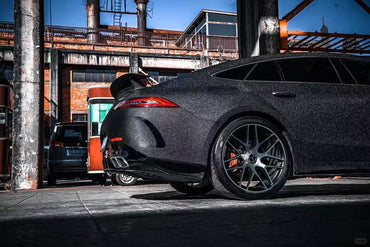
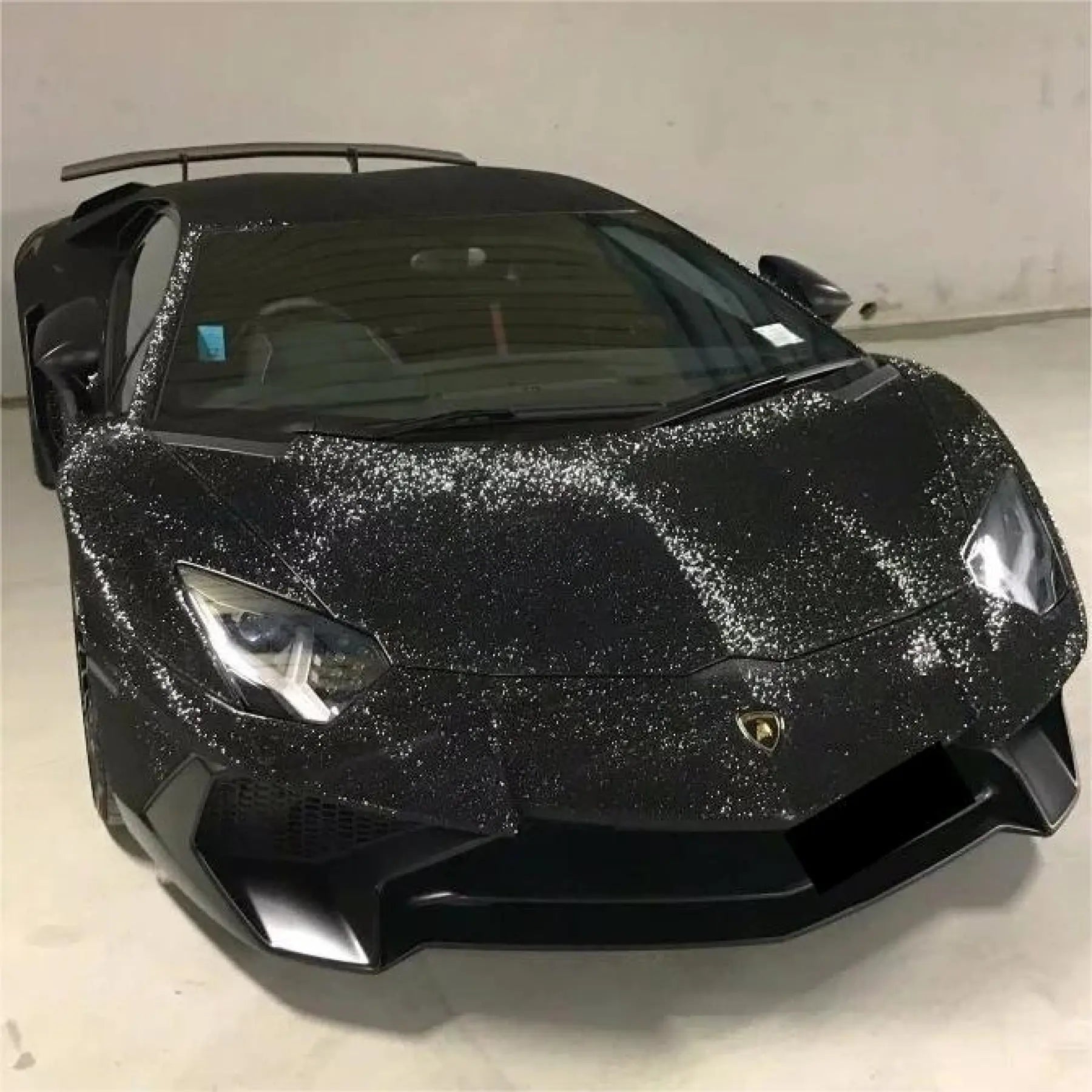
The first phase begins before your vehicle enters the installation bay. During consultation, you select your desired finish from options like glitter sparkle car wrap for eye-catching shimmer or understated elegance from the metallic series. Design decisions, color selection, and coverage areas get finalized during this stage.
Once scheduled, your vehicle undergoes thorough cleaning and surface preparation. This critical step cannot be rushed because any contamination trapped beneath the vinyl causes bubbles, adhesion failure, and lifting edges over time. Installers remove badges, trim pieces, door handles, and mirrors to ensure complete coverage without visible seams or cuts around obstacles.
Days Two Through Four: Application Phase
The actual vinyl application consumes the majority of your project timeline. Skilled installers work methodically from larger, flatter surfaces like hoods and roofs before tackling complex bumpers, mirrors, and recessed areas. Each panel receives individual attention with heat guns and squeegees to eliminate air pockets and conform the material perfectly to your vehicle's contours.
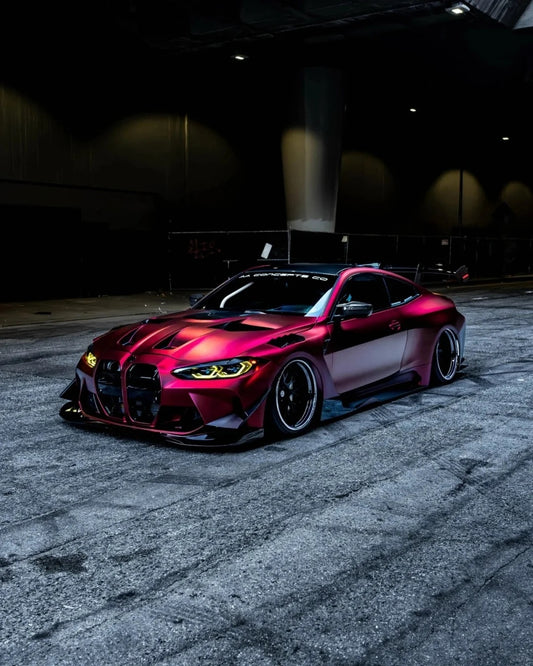
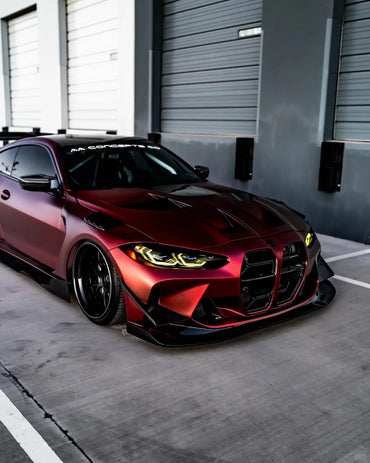
According to automotive customization experts, the application process for Rainbow Laser Gloss Metallic vinyl wrap delivers stunning color-shifting effects that transform vehicles into head-turning masterpieces. This premium film features exceptional conformability for complex curves while creating prismatic displays that change appearance based on viewing angle and lighting conditions.
Final Day: Inspection and Curing
After complete coverage, installers inspect every inch under bright lighting to identify bubbles, wrinkles, or lifting edges that need correction. Small imperfections get addressed immediately while the vinyl remains workable. Any necessary touch-ups happen during this phase before final trimming and edge sealing.
The curing period following installation is equally important as the application itself. Adhesives require time to bond fully with your paint surface, typically twenty-four hours minimum before washing or exposing the vehicle to extreme conditions. Many shops keep wrapped vehicles indoors overnight to complete this bonding process before releasing them to owners.
How Wrap Selection Affects Duration
Quick-Install Options
Solid color vinyl wraps in standard gloss or matte finishes install fastest among available options. These films stretch predictably, require minimal pattern matching, and forgive minor positioning adjustments during application. If you need your vehicle back quickly, consider these straightforward options from the best sellers collection.
Moderate Timeline Materials
Metallic vinyl wrap films add slight complexity due to their directional flake patterns that must align consistently across panels. Installers take extra care to maintain uniform appearance because metallic flakes catch light differently depending on application direction.
Pearl and satin finishes fall into this category as well. These popular choices offer sophisticated aesthetics without extreme installation difficulty, making them excellent middle-ground options between speed and visual impact.
Extended Timeline Specialty Films
TPU paint protection wrap installations take longer than standard vinyl due to the material's unique stretching properties and the precision required for optically clear results. This investment pays dividends through superior protection against rock chips, scratches, and environmental damage.
Chrome finishes present the most challenging installation of any vinyl type. The reflective surface shows every imperfection, requiring extremely precise application with minimal stretching. Many installers quote additional time and charge premiums for chrome wrap projects because the margin for error essentially disappears.
DIY vs Professional Installation Time
Attempting vinyl wrap installation without professional experience typically multiplies completion time by three to five times compared to trained installers. What takes a professional team two days often stretches to a full week or longer for first-time DIY installers working evenings and weekends.
Sailifilm provides comprehensive wrapping tools and sample kits for enthusiasts who want to tackle their own projects. Practicing on smaller sections or interior trim before attempting full panels helps develop skills without wasting material on visible areas.
The learning curve involves mastering heat gun technique, squeegee pressure, stretching limits, and edge tucking—skills that professional installers develop over hundreds of installations. Budget additional time for inevitable mistakes and rework during your first DIY wrap project.
Planning Your Wrap Project Schedule
Booking Timing Considerations
Popular wrap shops often have waiting lists extending several weeks, especially during spring and summer months when vehicle customization demand peaks. Contact installers early to secure your preferred appointment date, particularly if you need your vehicle ready for a specific event or car show.
Discuss your timeline requirements during initial consultations so installers can allocate appropriate shop time. Rushing complex installations leads to quality compromises that become visible shortly after completion. Quality installers prefer adequate time to deliver work they can stand behind.
Weather and Season Factors
Installation environment significantly impacts both application quality and timeline. Professional shops maintain temperature-controlled environments that allow consistent results regardless of outdoor conditions. Attempting installations in cold garages during winter or hot driveways during summer extends working time and compromises adhesion.
Ideal application temperatures range between sixty and eighty degrees Fahrenheit. Outside this range, vinyl becomes either too stiff or too stretchy for optimal handling. Climate-controlled shops eliminate these concerns entirely.
Maximizing Your Investment
Selecting high-quality vinyl film from reputable suppliers like Sailifilm ensures your time investment produces lasting results. Premium materials from collections including crystal vinyl wrap and dual color dream vinyl wrap feature air-release adhesive technology for easier installation and superior longevity compared to bargain alternatives.
Quality wraps maintain their appearance for five to seven years with proper care, making the initial installation timeline investment worthwhile. Following recommended maintenance practices from the car film maintenance guide extends this lifespan further.
Conclusion
Understanding car wrap project timelines helps you plan effectively for your vehicle transformation. Full wraps typically require two to five days depending on vehicle size, design complexity, and material selection. Partial wraps complete faster, often within a single day for simple accent pieces.
Whatever timeline your project requires, the results of professional vinyl wrap installation deliver dramatic visual impact while protecting your original paint. Explore the complete car vinyl wrap collection to find the perfect finish for your vehicle, or review the DIY car wrap installation guide if you prefer hands-on project experience.
External Authority Links Included:
How to prepare your car for wrapping
Best car wrap colors for resale value
Vinyl wrap vs paint comparison

