









Understanding Vinyl Wrap Batch Variations
Vinyl wrap manufacturing involves mixing precise combinations of pigments, dyes, and base materials to create each color. Despite rigorous quality control measures, slight variations naturally occur between production batches. According to color science principles documented by the International Commission on Illumination, even minimal differences in pigment concentration or manufacturing conditions can produce perceptible color shifts.
Production facilities manufacture vinyl in large rolls, often 2000 feet or longer, with each production run receiving a unique lot number. When pigments are mixed for a new batch, even following identical formulas, subtle environmental factors influence the final result. Temperature variations during production, humidity levels in the coating environment, and minor differences in raw material sourcing all contribute to potential color drift between batches.
These variations become problematic when installers use material from different production runs on adjacent vehicle panels. What appears identical on separate rolls can reveal noticeable differences when applied side by side under natural lighting. The human eye proves remarkably sensitive to color inconsistencies, particularly on large, continuous surfaces like vehicle hoods and roofs.
Why Batch Matching Matters for Professional Results
Professional wrap installations demand visual perfection across every panel. Using material from the same production batch ensures the pigment mixture, adhesive formulation, and film properties remain consistent throughout your project. This consistency becomes especially critical when working with specialty finishes that contain metallic flakes, color-shifting pigments, or pearlescent effects.
The Metallic Vinyl Wrap collection demonstrates why batch matching proves essential for specialty finishes. Metallic films contain suspended reflective particles that must distribute uniformly for consistent light reflection. Batch variations can affect both particle density and orientation, creating panels that sparkle differently despite appearing similar in the roll.
Color-shifting films present even greater challenges. The Dual Color Dream Series creates its signature effect through precisely layered interference coatings. Variations in coating thickness between batches can shift the colors that appear at different viewing angles, making mismatched panels immediately obvious when examined together.
Identifying Batch and Lot Information
Every vinyl roll includes production identification that allows tracking back to specific manufacturing runs. Lot numbers typically appear on the roll core, outer packaging, or printed directly on the backing liner. Before beginning any installation, record this information and verify that all material shares the same production batch.
When purchasing material for a complete vehicle wrap, request rolls from the same lot number at the time of ordering. Reputable suppliers track inventory by batch and can fulfill matching requirements when notified in advance. For larger projects requiring multiple rolls, confirming batch consistency before shipping prevents delays and potential color mismatches.
Store leftover material with its lot information clearly labeled. Future repairs or additions to the same vehicle require matching material, and having recorded batch numbers makes sourcing replacement vinyl far easier. Some installers photograph lot labels and maintain digital records for every project they complete.
Calculating Material Requirements Accurately
Avoiding batch variations starts with purchasing sufficient material from a single production run. Underestimating requirements leads to ordering additional rolls that may come from different batches, while overbuying wastes resources. Professional installers measure every panel carefully and add appropriate overage for complex curves, mistakes, and tucking.
Standard vehicles typically require 50-60 feet of material when using 60-inch-wide rolls. Vehicles with complex body styling, numerous curves, or extensive tucking requirements may need additional material. Adding 15-20 percent overage accounts for learning curves, repositioning during installation, and maintaining consistent film direction across all panels.
Before committing to full rolls, use the sample kits to confirm your color selection under various lighting conditions. Samples help verify the color meets expectations before purchasing project quantities, reducing the risk of returns and reorders that might involve different production batches.
Managing Directional Films and Orientation
Many specialty films exhibit directional characteristics where the appearance changes based on orientation. The Rainbow Laser Vinyl Wrap collection produces its holographic effect through micro-structured surfaces that interact with light directionally. Installing panels with inconsistent orientation creates obvious visual discontinuity, even when using material from identical batches.
Testing directional characteristics requires cutting two small pieces from the roll and rotating one 90 or 180 degrees relative to the other. Comparing them under various lighting angles reveals whether the film appears different when oriented inconsistently. Films showing directional behavior require maintaining identical roll orientation throughout installation.
Many manufacturers print directional indicators on backing liners to help installers maintain consistent orientation. Recording which direction faced up during cutting allows tracking orientation as pieces move from cutting table to vehicle. Consistent orientation proves just as important as batch matching for achieving uniform appearance.
Special Finish Color Matching Considerations
Matte and Satin Finishes
Non-reflective surfaces from the Ultra Matte Series show batch variations differently than glossy films. Matte finishes scatter light rather than reflecting it directly, which can actually help conceal minor color differences in some cases. However, variations in the matte texture itself become more apparent, as inconsistent surface roughness creates visible differences in how panels absorb light.
Chrome and Mirror Finishes
The Liquid Chrome Wrap collection requires particular attention to batch matching. Chrome effects depend on ultra-thin metallic layers that must deposit uniformly during manufacturing. Batch variations in chrome films often manifest as differences in reflectivity or slight color tinting rather than obvious shade changes, making them harder to detect on individual rolls but immediately visible on installed vehicles.
Glitter and Sparkle Effects
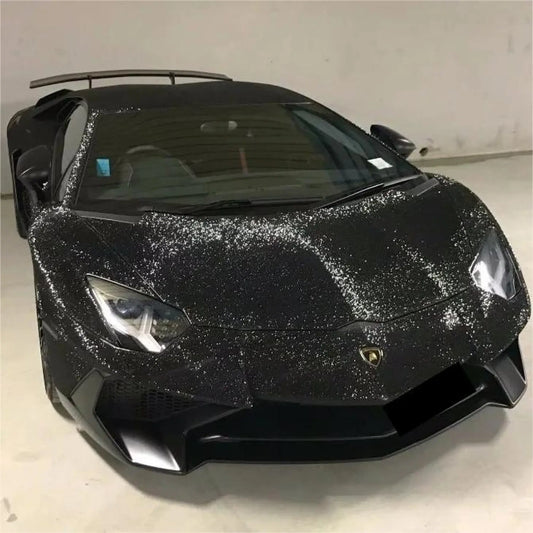
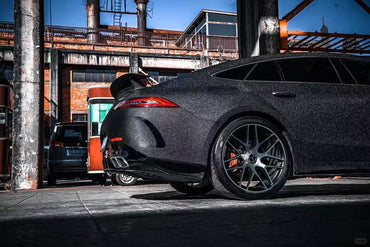
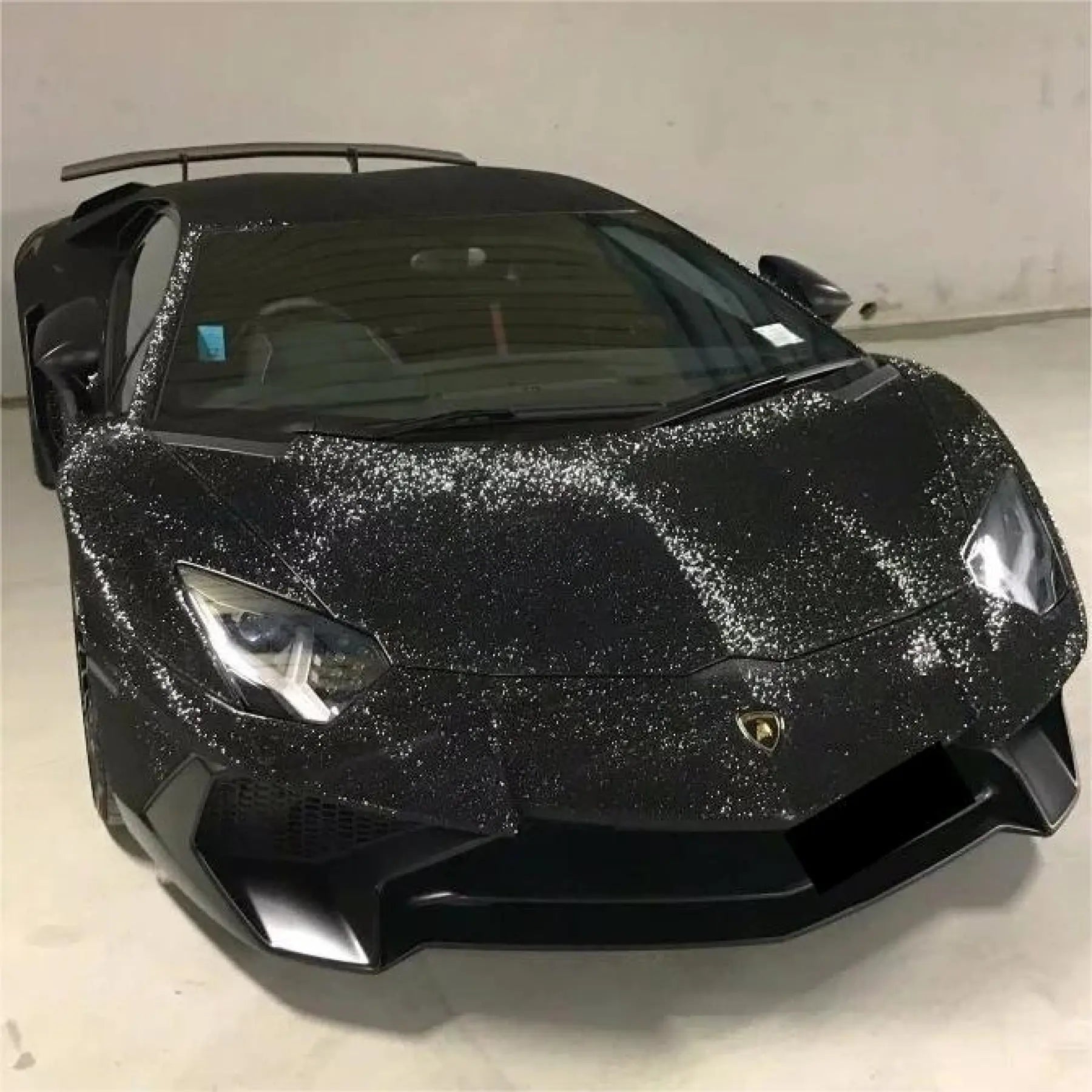
Particle-based finishes like the Glitter Sparkle Car Wrap and Crystal Vinyl Wrap collections face unique batch variation challenges. Variations in particle size, density, and distribution between batches affect how intensely the surface sparkles. Installing mismatched batches results in panels that glitter differently, particularly noticeable under direct sunlight or artificial lighting.
Textured Films and Pattern Matching
Textured films like the 3D Carbon Fiber Wrap add pattern alignment considerations beyond color matching. The embossed weave pattern must maintain consistent depth, spacing, and orientation across all panels. Batch variations can affect texture depth or pattern registration, creating sections where the carbon fiber weave appears different despite identical color formulation.
When working with patterned films, compare texture characteristics between rolls before cutting. Run your hand across samples from different rolls to detect variations in embossing depth. Visual inspection under raking light reveals pattern inconsistencies that might not appear under direct illumination.
Paint Protection Film Color Consistency
Clear paint protection film presents batch variation challenges that differ from colored vinyl. The TPU Paint Protection Wrap must maintain consistent optical clarity across all panels. Batch variations in clear films typically manifest as differences in haze level, yellow tinting, or gloss characteristics rather than obvious color shifts.
The Colored Paint Protection Film collection combines protection with subtle tinting, making batch matching even more critical. Variations in tint density become immediately apparent on installed vehicles, particularly on lighter-colored surfaces where the film contrast proves most visible.
Professional Verification Methods
Before beginning installation, professional wrappers verify batch consistency through systematic comparison. Cut samples from each roll and position them adjacent on a neutral surface. Examine under multiple lighting conditions including direct sunlight, overcast daylight, fluorescent lighting, and LED illumination. Color variations often appear under specific lighting that might not be present during initial inspection.
Rotate samples to verify consistent appearance regardless of orientation. Apply samples to a test surface and observe from multiple angles to detect directional characteristics. This verification process takes minimal time but prevents costly corrections after installation begins.
Quality wrapping tools include precision cutting equipment that produces clean sample edges for accurate comparison. Ragged or stretched sample edges can create shadows that interfere with color evaluation.
Strategies When Different Batches Cannot Be Avoided
Sometimes project requirements or availability constraints force using material from different production runs. When batch matching proves impossible, strategic panel assignment minimizes visible inconsistencies. Assign each batch to complete vehicle sides rather than mixing across adjacent panels. The body break between left and right sides creates a natural visual separation that makes subtle batch differences less noticeable.
Position the most visually similar batches on primary viewing surfaces like the hood, roof, and trunk. Assign any notably different material to less visible areas including rocker panels, lower bumper sections, and interior-facing door jambs. This strategic placement keeps variations out of direct sight lines.
Popular Color Choices and Batch Availability
High-volume colors typically offer better batch availability and consistency due to more frequent production runs. Exploring the best sellers reveals which finishes maintain strong inventory turnover, making batch-matched quantities more readily available. Popular colors like matte black, gloss black, and neutral metallics benefit from continuous production that maintains tight color tolerances.
Specialty colors and limited-edition finishes may have longer intervals between production runs. For these materials, purchasing complete project quantities from available inventory proves preferable to waiting for new batches that might exhibit slight variations from previous runs.
Achieving Perfect Color Consistency
Successful color matching requires attention before material ever reaches the vehicle. Verifying batch numbers, calculating accurate requirements, testing samples, and maintaining consistent orientation throughout installation eliminates the variables that cause visible inconsistencies. Whether working with standard solid colors or specialty finishes from the complete car vinyl wrap collection, these practices ensure professional results.
For detailed information about vinyl manufacturing processes and color science, explore resources from the Society of Plastics Engineers. Industry publications provide ongoing insights into manufacturing improvements that continue reducing batch variation across the automotive vinyl industry.

