









Why Seam Placement Matters for Professional Results
Seams occur whenever two pieces of vinyl meet on a vehicle surface. While standard vinyl rolls measure 60 inches wide, many vehicle panels exceed this dimension. Hoods, roofs, and large truck panels frequently require multiple sheets joined together. According to Wikipedia's entry on vehicle vinyl wrap, proper seam management directly impacts both appearance and longevity of wrapped vehicles.
Poor seam placement creates multiple problems that worsen over time. Exposed seams collect dirt and debris, becoming increasingly visible against lighter-colored wraps. Improperly sealed joints allow moisture infiltration that compromises adhesive bonds. High-stress seam locations experience premature lifting and peeling, requiring costly repairs or complete rewrapping.
Strategic Seam Location Planning
Professional installers approach every vehicle with a seam strategy developed before cutting any material. This planning phase considers vehicle body lines, viewing angles, color properties, and stress points to determine optimal placement.
Following Natural Body Lines
Every vehicle features designed character lines, panel breaks, and styling elements that provide natural seam concealment opportunities. Door edges, fender breaks, and hood contours create logical transition points where seams blend naturally. Professional installers study vehicle architecture to identify these built-in hiding spots before beginning any installation.
Aligning seams with existing panel gaps makes them virtually undetectable. The eye naturally expects visual breaks at these locations, so properly placed seams disappear into the vehicle design. This technique proves especially important when working with attention-grabbing finishes like the Rainbow Laser Vinyl Wrap collection, where holographic effects can highlight poorly placed joints.
Using Dark Colors to Hide Seams
Color selection significantly impacts seam visibility. Darker shades absorb light, making the slight elevation at seam edges far less noticeable. Lighter colors reflect light and create shadows that emphasize any surface irregularity. When seams cannot be avoided in prominent locations, positioning them within darker design elements minimizes visual impact.
The Ultra Matte Series offers excellent seam concealment properties due to its non-reflective finish. Matte surfaces scatter light rather than reflecting it directly, softening the appearance of seam edges. Colors like Meteorites Grey and Black Purple from this collection provide ideal backgrounds for hiding necessary panel joints.
Avoiding High-Stress Areas
Certain vehicle areas experience constant flexing, stretching, and environmental exposure that accelerates seam failure. Positioning seams away from these high-stress zones dramatically improves wrap longevity. Door handles, deep recesses, tight curves, and areas near rubber trim experience repeated stress that can separate poorly placed seams over time.
Bumpers present particular challenges because they combine complex curves with constant impact exposure. When wrapping bumpers, professional installers position any necessary seams in protected areas away from the primary impact zone. This approach maintains appearance while ensuring the wrap survives daily driving conditions.
Professional Seam Creation Techniques
Creating invisible seams requires specific techniques that differ from basic vinyl application methods. Professional installers employ several approaches depending on the situation, material type, and desired finish quality.
The Overlap and Double-Cut Method
This technique produces the cleanest possible seams and remains the preferred method for premium installations. The process involves overlapping two vinyl pieces by approximately 2-3 centimeters at the intended seam location. Using a sharp blade, the installer cuts through both layers simultaneously along the seam line. Removing the excess material from both pieces leaves perfectly matched edges that butt together seamlessly.
The overlap and double-cut method requires exceptional blade control to avoid cutting into the vehicle surface beneath. Many professionals use this approach with high-value finishes like the Liquid Chrome Wrap collection, where perfect seam alignment preserves the mirror-like metallic effect across large panels.
Knifeless Tape Technique
Knifeless tape revolutionized seam creation by eliminating blade-to-surface contact entirely. This specialized tape contains a fine cutting filament embedded within an adhesive carrier. Installers apply the tape along the desired seam line before laying vinyl. After smoothing the vinyl over the tape, pulling the filament cuts through the material cleanly without touching the painted surface below.
This method proves especially valuable when working near fresh paint or on vehicles where surface protection is paramount. The wrapping tools collection includes professional-grade knifeless tape systems designed for clean, precise cuts every time.
Butt Joint Seaming
Butt joints position two vinyl edges directly against each other without overlap. This technique minimizes material thickness at the seam, creating the flattest possible transition. Success requires precise cutting and careful alignment during application. The key involves maintaining minimal tension at the joint area while firmly adhering surrounding material.
When creating butt joints, place the first piece and cut it precisely along the intended seam line. Position the second piece so its edge meets the first without overlapping or leaving gaps. The resulting seam appears as a thin line rather than a raised edge, nearly invisible once properly heated and sealed.
Choosing Films That Minimize Seam Visibility
Certain vinyl types and finishes handle seams better than others. Understanding material properties helps installers select appropriate films for challenging applications where seams cannot be avoided.
Textured films like the 3D Carbon Fiber Wrap collection offer natural seam concealment through their surface pattern. The raised weave texture breaks up straight lines, making seam edges far less apparent than on smooth glossy surfaces. These textured materials also hide minor alignment variations that would appear obvious on solid-color films.
Color-shifting films present unique seam challenges because the apparent color changes with viewing angle. The Dual Color Dream Series requires precise film orientation during installation. If adjacent panels have different orientations, the color shift will appear inconsistent across the seam, revealing the joint even when physically perfect. Consistent film direction throughout installation ensures uniform color behavior across all panels.
Metallic and pearlescent finishes from the Metallic Vinyl Wrap and Crystal Vinyl Wrap collections reflect light directionally based on metallic flake orientation. Professional installers maintain consistent roll direction across all panels to prevent visible differences in light reflection at seam locations.
Vertical vs. Horizontal Seam Orientation
Seam orientation affects both appearance and durability. Most professional installations use vertical seams running from top to bottom of the vehicle. This orientation follows natural panel lines and keeps seam edges facing away from forward airflow during driving.
When airflow passes over a seam from edge to adhesive side, it can gradually lift the material over time. Vertical seams with the overlap facing rearward experience far less lifting force than horizontal seams facing forward airflow. This aerodynamic consideration becomes especially important at highway speeds where continuous wind pressure tests every seam edge.
Horizontal seams sometimes make sense for specific design requirements or when following horizontal body lines. In these cases, ensure the overlap edge faces downward so rain and wash water flow over rather than under the seam. Water infiltration under seam edges causes adhesive failure and accelerates lifting.
Special Considerations for Paint Protection Film
Clear paint protection film presents unique seam challenges because any joint remains visible against the vehicle paint beneath. The TPU Paint Protection Wrap offers exceptional clarity that showcases original paint while providing protection, but this transparency also reveals seam placement to careful observers.
Professional PPF installations prioritize seamless coverage on high-visibility areas. Hoods, fenders, and bumpers typically receive full-panel coverage without seams whenever possible. When vehicle dimensions require seams, installers position them along body lines or in areas that receive less direct viewing attention.
The Colored Paint Protection Film collection offers an alternative approach. Tinted protection films add subtle color while protecting paint, and the color helps conceal seam edges more effectively than completely clear material. This option works particularly well on lighter-colored vehicles where clear PPF seams tend to show most prominently.
Sealing Seams with Proper Post-Heating
Every seam requires thorough post-heating to activate adhesive bonding and prevent future lifting. This critical step transforms temporary vinyl placement into permanent installation. Without proper post-heating, even perfectly positioned seams will eventually fail.
Heat the seam area to approximately 180-200 degrees Fahrenheit using a quality heat gun. Use an infrared thermometer to verify consistent temperature across the entire seam length. Apply firm pressure with a squeegee or gloved hand while heating, forcing the adhesive into full contact with the surface beneath. This combination of heat and pressure creates a molecular bond that resists lifting.
Pay particular attention to seam ends where lifting typically begins. These termination points experience the most stress and require extra heating and pressure. Some professionals apply edge sealer at seam ends for additional protection, especially in harsh climates or on vehicles exposed to frequent washing.
Testing Seam Techniques Before Full Installation
Before committing to a full vehicle wrap, smart installers test their seam techniques on sample materials. The sample kits provide ideal material for practicing seam creation without risking expensive full rolls. Use samples to perfect knifeless tape technique, test overlap dimensions, and verify post-heat temperatures for your specific film type.
Different vinyl formulations respond differently to seaming techniques. What works perfectly on matte films may require adjustment for glossy surfaces. Testing ensures your technique produces invisible seams on your chosen material before working on the actual vehicle. This practice also builds muscle memory for consistent results across large projects.
Popular Finishes and Their Seam Characteristics
Current styling trends favor finishes that present varying seam challenges. Understanding these characteristics helps installers prepare appropriate strategies for each material type.
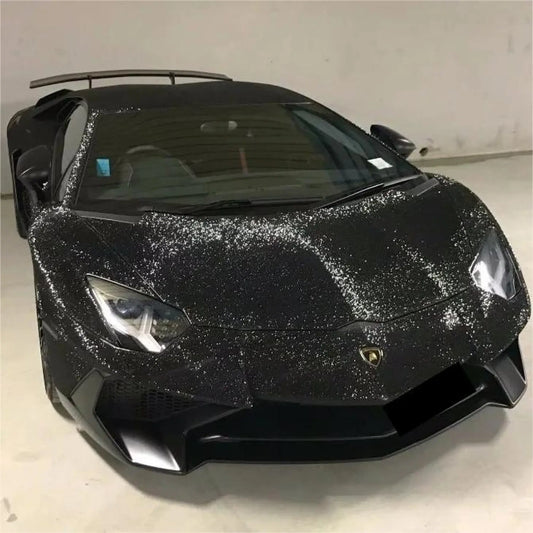
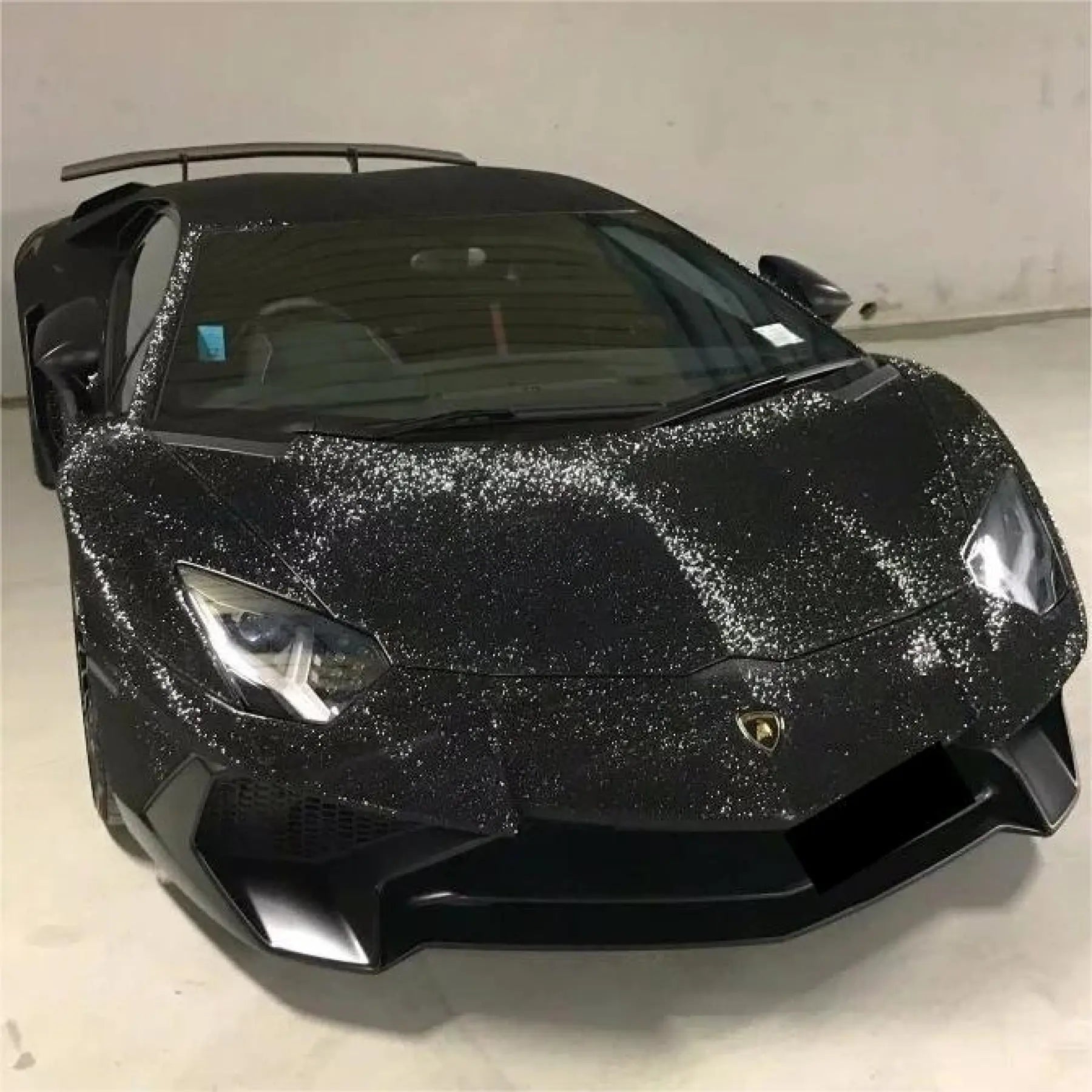
The Glitter Sparkle Car Wrap collection delivers eye-catching effects that can work for or against seam visibility. The reflective particles create visual complexity that helps disguise seams when properly aligned. However, misaligned glitter direction at seams creates obvious visual discontinuity. Maintain consistent roll orientation and minimize stretching near seams to preserve uniform sparkle effect.
Check the best sellers to see which finishes other enthusiasts are choosing. Popular options often indicate materials that perform well under real-world conditions, including those that handle seams gracefully during installation.
Achieving Professional Seam Quality
Mastering seam placement and creation techniques elevates wrap quality from acceptable to exceptional. Strategic planning, proper technique selection, and thorough post-heating combine to produce seams that disappear into the vehicle design. Whether working with premium finishes from the complete car vinyl wrap collection or protective films, these principles ensure professional results.
For additional information about vinyl wrap installation and maintenance, explore resources from the Society of Automotive Engineers and automotive customization communities. Continuous learning and practice refine seam skills until invisible joints become standard rather than exceptional.
How to Wrap Complex Curves and Bumpers
Choosing Between Matte, Gloss, and Satin Finishes

