



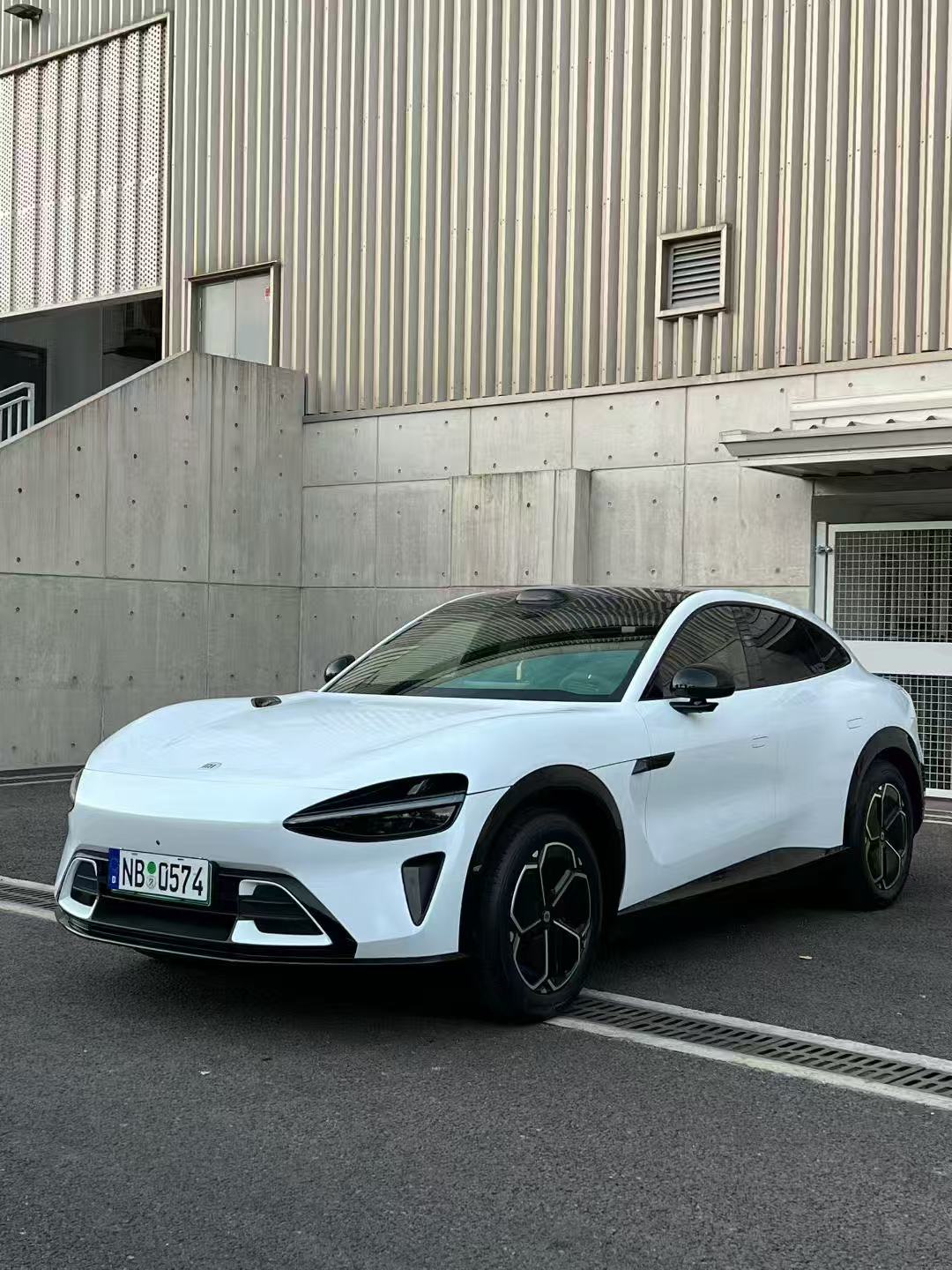


Understanding Compound Curves in Vehicle Wrapping
Vehicle wrapping fundamentally involves transforming two-dimensional vinyl film into three-dimensional applications. Bumpers, fenders, and mirrors present compound curves where the surface bends in multiple directions simultaneously. According to Wikipedia's article on vehicle vinyl wrap, managing distortion during installation requires specific techniques that professional installers have refined over years of practice.
The key challenge lies in how vinyl film naturally responds to stretching. When pulled across complex surfaces, the material tends to create tension points that can lead to lifting, silvering, or premature failure. Understanding these physical properties allows installers to work with the film rather than against it.
Essential Tools for Professional Results
Success with complex curves begins with proper equipment. A quality heat gun remains essential for making vinyl pliable enough to conform to challenging contours. Temperature control proves critical because overheating damages the adhesive while insufficient heat prevents proper conforming. Industry professionals recommend maintaining temperatures between 80-90°C during stretching operations.
Beyond heat guns, felt-edge squeegees help smooth vinyl into recesses without scratching the film surface. The professional wrapping tools available today include specialized applicators designed specifically for automotive contours. Infrared thermometers ensure consistent heating, while knifeless tape systems enable clean cuts without risking paint damage.
The Pre-Stretch and Shrink Method
Professional installers rely on a four-step process known as the Pre-Stretch and Shrink Method for compound curves. This technique takes advantage of vinyl film memory properties to achieve seamless coverage on challenging surfaces like front bumpers, rear bumpers, side mirrors, door handles, and cant rails.
The process begins with heating the vinyl to make it pliable. Next, the installer stretches the material across the curve, pulling tension toward the midpoint of opposite edges. When applied to the surface, the pre-stretched film uses its natural memory to conform around complex shapes. Finally, post-heating locks the installation in place permanently.
This method works exceptionally well with high-quality cast vinyl films. Products like the Liquid Chrome Series feature advanced formulations specifically engineered for complex curve applications. Their metallic finish options including Dragon Red, British Racing Green, and Indigo Blue maintain consistent appearance even when stretched to their limits.
Bumper Wrapping Step-by-Step Guide
Bumpers consistently rank among the most challenging vehicle components to wrap. Their complex geometry includes multiple cutouts for sensors, license plates, and air intakes, combined with sharp radius changes that test even experienced installers.
Surface Preparation
Thorough cleaning forms the foundation of every successful bumper wrap. Remove all dirt, wax, and adhesive residue using isopropyl alcohol. Improper cleaning causes more wrap failures than any other factor. For plastic bumpers specifically, consider using a plastic prep solution that removes mold release agents from manufacturing.
Measuring and Cutting
Always cut vinyl pieces larger than the target area. Professional installers recommend adding 3-4 inches of extra material on all sides. This overhang provides room for adjustments and ensures clean edge tucks. Before committing to the final installation, use the sample kits to test color matching and material behavior on your specific vehicle.
Application Process
Position the vinyl loosely over the bumper surface, aligning it with key reference points. Begin application from the center, working outward toward edges while using a squeegee to expel trapped air. Heat the vinyl gradually as you approach curved sections, allowing it to stretch and conform naturally.
For deep recesses and complex contours, the bridging technique proves invaluable. Stretch vinyl over recessed areas without forcing it into every crevice initially. Apply heat to the bridged section, allowing the material to drop into place gradually. This approach prevents overstretching that can cause premature failure.
Selecting the Best Vinyl for Complex Applications
Film selection dramatically impacts installation success on challenging surfaces. Cast vinyl films offer superior conformability compared to calendered alternatives. The manufacturing process creates a thinner, more flexible material that naturally follows compound curves without excessive tension.
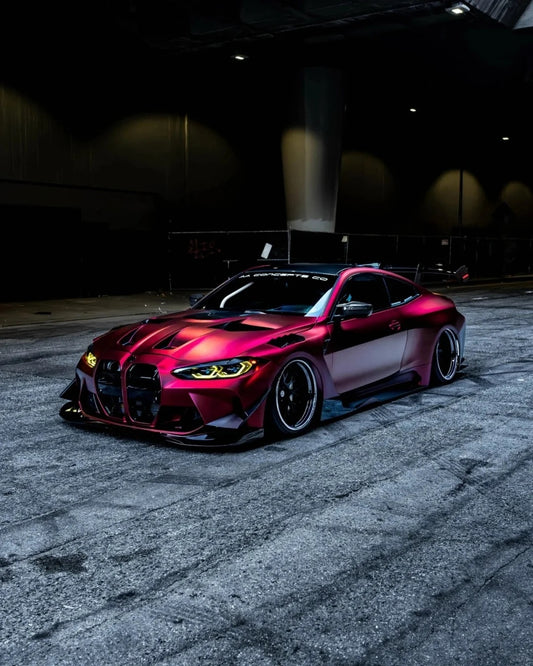
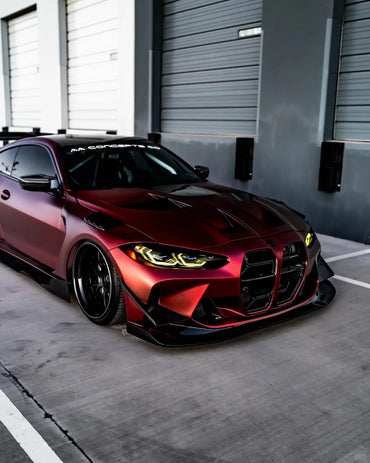
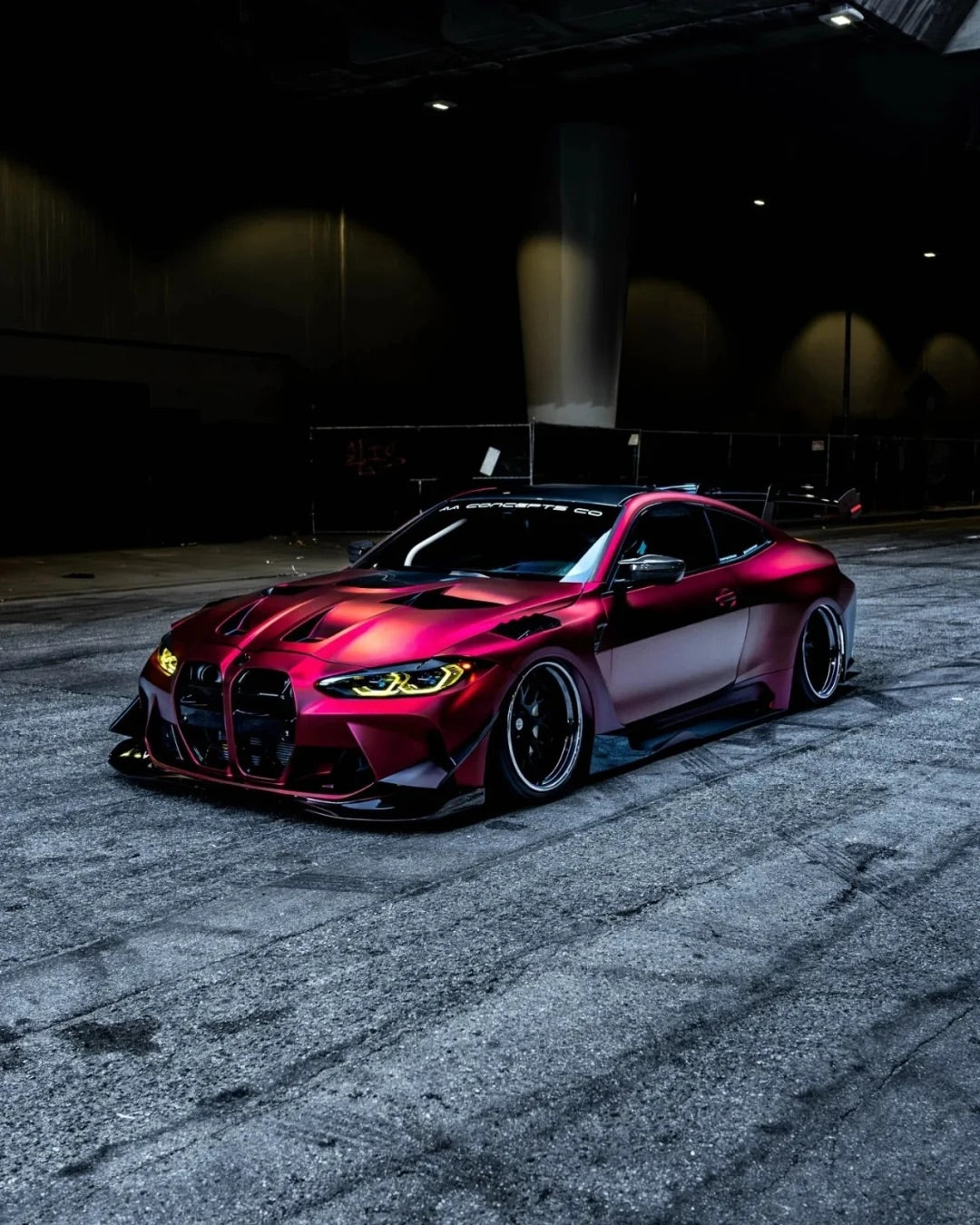
For bumper applications, consider the finish type carefully. The Ultra Matte Series provides excellent conformability with a sophisticated non-reflective appearance. Colors like Meteorites Grey and Romance Red deliver stunning visual impact while the matte texture helps hide minor imperfections during installation.
For those seeking maximum visual impact, the Rainbow Laser Vinyl Wrap collection offers holographic effects that create stunning color-shifting displays. The Galaxy Chameleon Diamond variants feature micro-embossed patterns that produce prismatic effects across bumper surfaces. These premium films combine show-stopping aesthetics with the conformability needed for complex installations.
Working with Textured Films on Curves
Textured films present unique challenges on complex curves because the pattern must remain consistent across stretched areas. The 3D Carbon Fiber Wrap collection replicates authentic carbon fiber weave patterns that motorsport enthusiasts recognize immediately. When applying these textured films to bumpers, maintain consistent tension to prevent pattern distortion. The realistic weave structure adds depth and dimension while the protective coating ensures long-term durability.
Paint Protection Film for High-Impact Areas
Front bumpers endure constant bombardment from road debris, making them ideal candidates for protective film applications. The TPU Paint Protection Wrap offers invisible defense against rock chips, scratches, and environmental damage. This thermoplastic polyurethane film features self-healing technology that repairs minor scratches automatically when exposed to heat.
For drivers who want both style and protection, the Colored Paint Protection Film delivers exceptional versatility. These tinted films provide paint protection while adding subtle color enhancement to bumpers and other high-impact zones.
2025 Trending Vinyl Wrap Styles
Current automotive styling trends favor bold, attention-grabbing finishes. Iridescent and chameleon wraps continue gaining popularity for their dynamic color-shifting properties. The Dual Color Dream Series captures this aesthetic perfectly, offering wraps that transition between complementary colors depending on viewing angle and lighting conditions.
Metallic finishes remain perennial favorites, with the Metallic Vinyl Wrap collection offering professional-grade options in colors ranging from GT Silver to Ocean Blue. The Crystal Vinyl Wrap series adds dimensional sparkle that catches light beautifully across curved bumper surfaces.
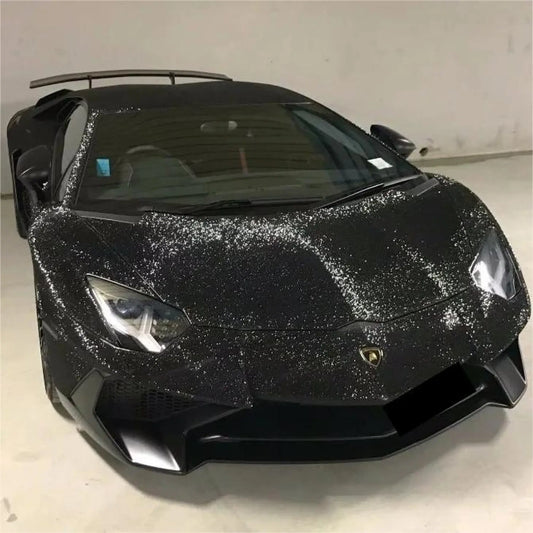
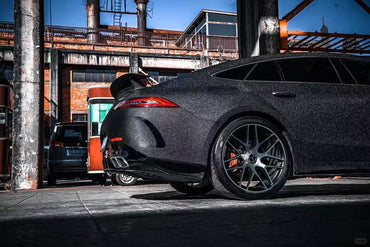
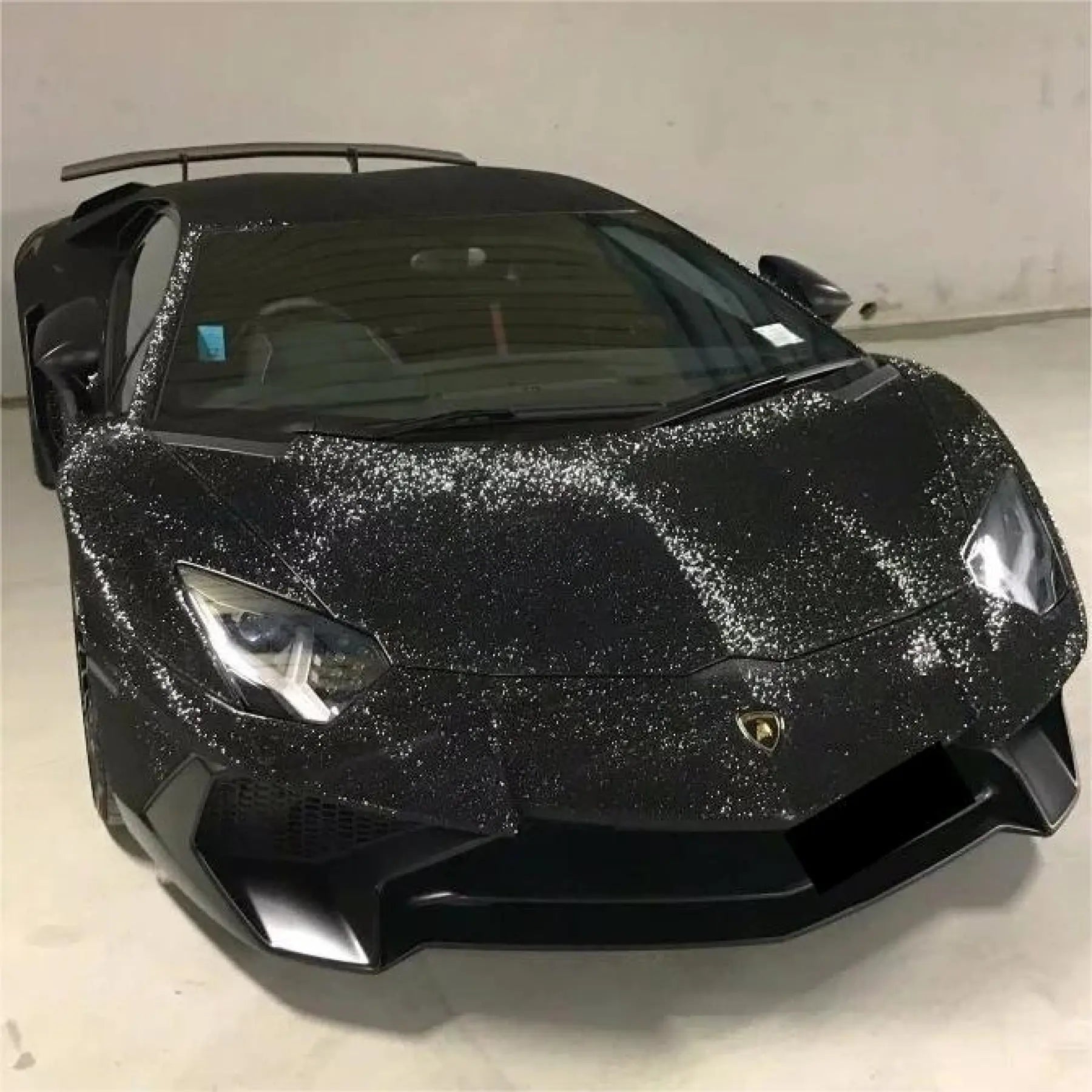
Glitter and sparkle effects represent another growing trend. The Glitter Sparkle Car Wrap collection delivers eye-catching aesthetics that transform ordinary vehicles into head-turning showpieces. Check out the best sellers to see which finishes other enthusiasts are choosing for their projects.
Post-Installation Care and Maintenance
After completing a bumper wrap, allow 24-48 hours of curing time before washing or exposing the vehicle to extreme conditions. This waiting period ensures the adhesive bonds fully to the surface. During this time, avoid touching the wrapped areas or parking in direct sunlight.
Regular maintenance extends wrap longevity significantly. Hand washing with pH-neutral soap removes contaminants without damaging the film. Avoid automated car washes with brushes that can lift edges, particularly on complex curved sections. For complete maintenance guidance, review the manufacturer guidelines specific to your chosen film type.
Common Problems and Solutions
Lifting at edges indicates insufficient post-heating or inadequate surface preparation. Address lifting immediately by reheating the affected area and pressing firmly with a squeegee. For stubborn cases, edge sealer products create additional adhesion at vulnerable points.
Silvering occurs when vinyl film becomes overstretched, causing the adhesive layer to separate visibly from the colored layer. Prevention requires careful tension management during installation. If silvering appears, the affected section requires replacement rather than repair.
Air bubbles remaining after installation often work themselves out within a few days as the film settles. Persistent bubbles can be punctured with a fine needle and pressed flat with moderate heat application.
Transform Your Vehicle Today
Mastering complex curve and bumper wrapping opens possibilities for complete vehicle transformation. Whether selecting a sophisticated matte finish, dramatic metallic effect, or protective paint protection film, quality materials combined with proper technique deliver professional results.
For more information about vinyl wrap technology and automotive customization, explore resources from the International Window Film Association and automotive detailing communities. Ready to begin your project? Browse the complete car vinyl wrap collection to find the perfect film for your vehicle.
How to Choose Between Matte, Gloss, and Satin Finishes
Paint Protection Film vs. Vinyl Wrap Comparison

