

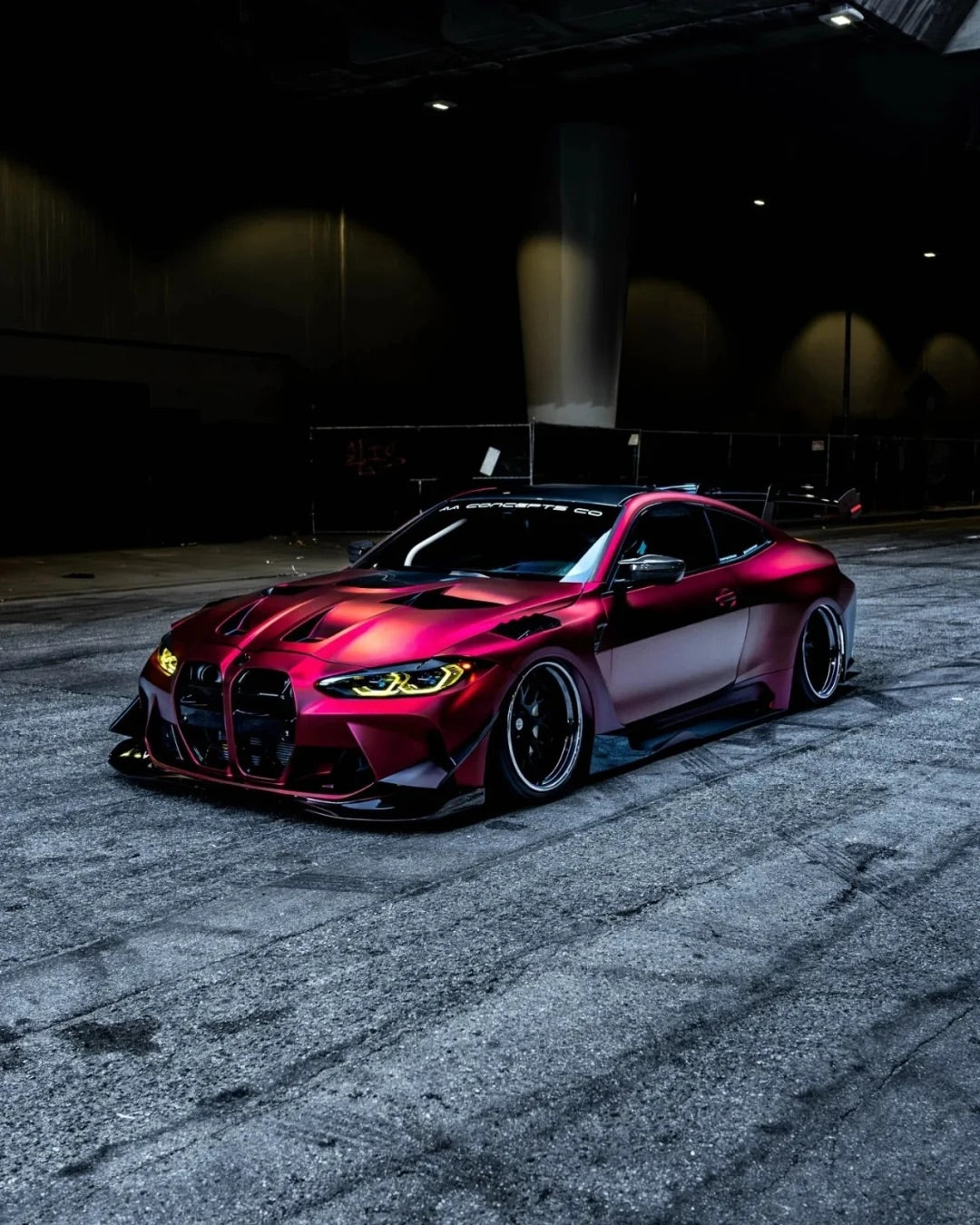






Understanding PVC-Based Vinyl Wrap Materials
Both cast and calendered vinyl wraps share a common foundation in polyvinyl chloride polymer, a synthetic material prized for its durability, flexibility, and resistance to water and environmental factors. According to the vehicle wrap manufacturing standards, PVC provides the versatile base that enables the vast array of colors, finishes, and textures available in decorative automotive films. However, the manufacturing process used to transform raw PVC into finished film creates dramatically different performance characteristics between cast and calendered products.
The fundamental chemistry of PVC allows manufacturers to incorporate plasticizers that enhance flexibility and workability. These additives determine how the finished film stretches, conforms to surfaces, and maintains stability over time. Pressure-sensitive adhesive layers provide secure application, while protective backing papers prevent contamination during storage and transport.
Cast Vinyl: The Premium Performance Standard
Cast vinyl represents the pinnacle of PVC-based automotive film technology, created through a sophisticated solvent casting process that produces exceptionally thin, flexible, and dimensionally stable material. The manufacturing begins with a liquid mixture called organosol, consisting of PVC resins, high-grade plasticizers, pigments, and stabilizing additives. This blend is carefully poured onto a casting sheet and passed through a series of heated ovens where solvents gradually evaporate, leaving behind a thin, uniform film.
The casting process creates stress-free film with molecules arranged naturally rather than stretched into alignment. This molecular structure delivers exceptional conformability, allowing cast vinyl to wrap around complex curves, deep recesses, and intricate body contours without lifting, bubbling, or shrinking over time. Professional installers prefer cast materials for vehicles with aggressive styling because the film stretches smoothly without losing memory or reverting toward its original state.
Cast Vinyl Performance Characteristics
Cast vinyl typically measures approximately 2 mils in thickness, making it noticeably thinner than calendered alternatives. This reduced thickness contributes to superior conformability while maintaining adequate durability for long-term exterior applications. The film demonstrates exceptional resistance to cracking, fading, and peeling, with typical outdoor lifespans ranging from 5 to 12 years depending on color and environmental exposure.
Premium collections like the crystal vinyl wrap series and metallic vinyl wrap options utilize cast construction to achieve their stunning visual effects while maintaining professional-grade durability. The dimensional stability of cast film ensures that color-shifting effects in products like the dual color dream vinyl wrap collection remain consistent across all viewing angles throughout the product lifespan.
Calendered Vinyl: The Budget-Friendly Alternative
Calendered vinyl follows a fundamentally different manufacturing approach that produces cost-effective film suitable for specific applications. The process begins with a semi-gelatinous PVC mixture called plastisol, which is pressed through a series of heated rollers that squeeze and stretch the material into uniform thin sheets. This calendering process aligns molecules in one direction, creating a film with different mechanical properties than cast alternatives.
The rolling and compression process produces thicker film, typically measuring 2.5 to 4 mils, with reduced flexibility compared to cast vinyl. Because the material is stretched during manufacturing, calendered vinyl retains internal stress that causes it to naturally want to return toward its original state. This characteristic makes calendered film more prone to shrinkage over time, particularly when applied to curved surfaces or exposed to heat and sunlight.
Appropriate Applications for Calendered Vinyl
Despite its limitations, calendered vinyl excels in specific applications where its characteristics align with project requirements. Flat or gently curved surfaces benefit from calendered film because minimal stretching is required during installation. Short-term wraps, event graphics, and promotional applications justify the lower material cost when longevity is not the primary concern. Wall wraps, floor graphics, and interior applications also suit calendered vinyl because indoor environments reduce UV exposure and temperature fluctuations that accelerate shrinkage.
Calendered vinyl typically lasts 2 to 5 years in outdoor applications, with premium calendered products approaching the lower end of cast vinyl durability. The significantly lower price point makes calendered vinyl attractive for budget-conscious projects, though the potential for premature failure on complex curves means total cost of ownership may exceed cast vinyl when replacements become necessary.
TPU: Advanced Paint Protection Film Technology
Thermoplastic polyurethane represents a revolutionary advancement in automotive film technology, engineered from elastomeric materials that combine exceptional durability with remarkable flexibility. Unlike PVC-based wraps designed primarily for aesthetic transformation, TPU paint protection wrap prioritizes defending your vehicle paintwork against physical damage, environmental contamination, and UV degradation. According to paint protection film technology standards, TPU delivers performance characteristics that PVC materials simply cannot match.
Self-Healing Technology Explained
The most remarkable feature of premium TPU film is its self-healing capability, which allows minor scratches and swirl marks to disappear when exposed to heat. The elastomeric top coat contains molecular memory that responds to moderate temperatures from sunlight, warm water, or a heat gun. When heat activates the polymer network, the material flows back to its original smooth state, leveling micro-marring without polishing or professional intervention.
This self-healing property dramatically reduces maintenance requirements and preserves the pristine appearance of protection film throughout its lifespan. Vehicle owners who frequently drive in harsh conditions particularly benefit from self-healing TPU because road debris, car wash brushes, and daily handling no longer leave permanent marks on the protective layer.
TPU Thickness and Impact Protection
TPU paint protection film measures significantly thicker than vinyl wrap, typically ranging from 7.5 mils to 8.5 mils. This substantial thickness creates a true protective barrier that absorbs and disperses impact energy from road debris, rock chips, and minor abrasions. When a stone strikes TPU film at highway speed, the elastomeric material flexes to absorb kinetic energy rather than transferring force directly to the underlying paint.
The clear PPF options available in both 7.5mil and 8.5mil thicknesses provide invisible protection that preserves factory paint appearance while defending against environmental hazards. Both gloss and matte finish options allow vehicle owners to maintain original shine or achieve a stealth aesthetic without sacrificing protection. The 8.5mil variants offer maximum impact resistance for high-exposure areas like front bumpers, hoods, and fenders where rock chip damage occurs most frequently.
Comparing Material Performance Across Key Metrics
Durability and Lifespan
Material composition directly determines how long your wrap maintains appearance and adhesion. Calendered vinyl typically performs reliably for 2 to 5 years before showing signs of shrinkage, edge lifting, or color degradation. Cast vinyl extends this performance window to 5 to 7 years for most colors, with some premium products warranting up to 12 years of outdoor durability. TPU paint protection film leads the category with 7 to 10 year lifespans, maintaining optical clarity and protective performance throughout.
Environmental factors significantly impact real-world durability regardless of material type. Vehicles parked outdoors in intense UV environments experience accelerated degradation compared to garage-kept vehicles. Dark colors absorb more heat and stress adhesive bonds more than lighter shades. Geographic location, maintenance practices, and exposure patterns all influence how closely your wrap approaches its maximum potential lifespan.
Flexibility and Conformability
Vehicle body complexity determines which material flexibility profile suits your project. Modern automotive designs feature increasingly aggressive curves, deep recesses, and compound surfaces that demand exceptional conformability. Cast vinyl excels in these applications because its stress-free molecular structure allows dramatic stretching without memory effects that cause later shrinkage. TPU paint protection film offers similar conformability plus elastomeric recovery that helps the material settle into complex contours.
Calendered vinyl presents challenges on complex surfaces due to its stretched molecular structure. The film can be applied to moderate curves with appropriate heat and technique, but installers must account for potential shrinkage that may cause edge lifting or surface distortion over time. Flat panels, simple curves, and vehicles with boxy styling represent appropriate applications for calendered materials.
Weather and Environmental Resistance
TPU demonstrates superior weather resistance compared to PVC-based alternatives, excelling in extreme temperatures, high UV exposure, and chemically challenging environments. Aliphatic TPU formulations are specifically engineered for UV stability and non-yellowing clarity, maintaining optical performance for years without degradation. The material remains flexible in cold weather when PVC can become brittle and crack.
Cast vinyl provides good UV resistance with proper protective laminates, maintaining color stability significantly longer than calendered alternatives. Premium cast products incorporate UV inhibitors that slow fading and degradation processes. Calendered vinyl remains most vulnerable to environmental factors, with prolonged sun exposure causing yellowing, fading, and accelerated shrinkage that shortens effective lifespan.
Choosing the Right Material for Your Project
When to Choose Cast Vinyl
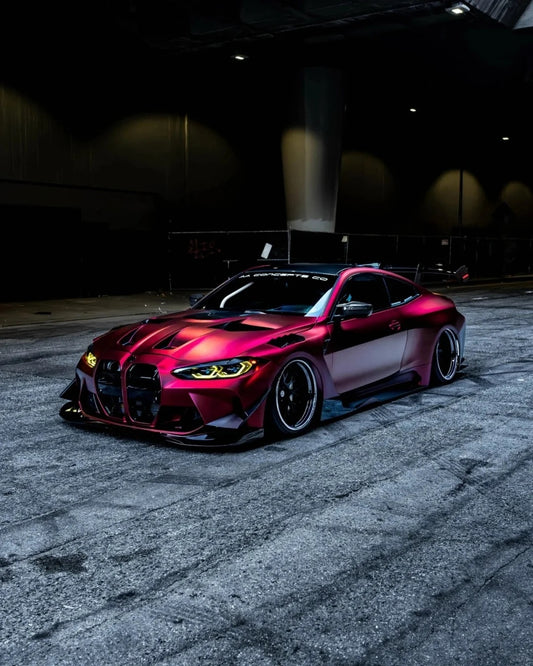
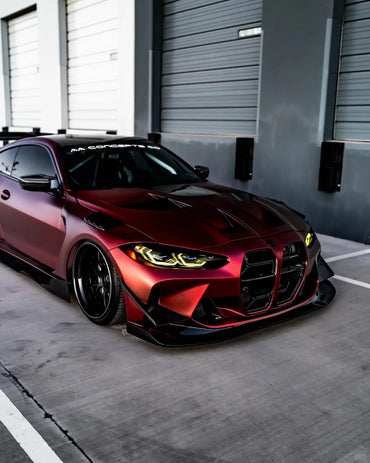
Cast vinyl remains the professional standard for full vehicle color change wraps where aesthetic transformation is the primary goal. Vehicles with complex styling benefit from cast conformability that handles curves without compromise. Long-term installations justify the higher material cost through extended durability and reduced risk of premature failure. Premium finishes like the rainbow laser vinyl wrap, liquid chrome wrap, and ultra matte wrap collections utilize cast construction to achieve their distinctive effects.
When to Choose TPU Paint Protection Film
TPU protection film suits vehicle owners who prioritize paint preservation over color transformation. High-value vehicles with expensive factory finishes benefit enormously from PPF that prevents rock chips, scratches, and environmental damage. Daily drivers exposed to highway debris and harsh conditions gain practical protection that maintains resale value. The colored paint protection film collection offers the best of both worlds, combining TPU protective performance with color transformation capabilities.
Self-healing capability makes TPU particularly attractive for owners who want low-maintenance protection. Minor scratches from car washes, fingernails, or light contact disappear with heat activation, keeping the protective layer pristine without polishing. The thicker construction absorbs impacts that would damage or puncture vinyl wrap, providing genuine protection rather than just visual enhancement.
Combining Materials for Optimal Results
Sophisticated vehicle owners increasingly combine TPU and vinyl to achieve both protection and customization. The recommended approach applies clear TPU paint protection film to high-impact areas first, including the hood, fenders, bumpers, and mirror caps. A colored vinyl wrap then covers the entire vehicle, including over the TPU layer, providing aesthetic transformation while maintaining underlying protection. This combination delivers no-compromise results for enthusiasts who demand both visual impact and paint preservation.
Making Your Material Decision
Consider exploring sample kits to evaluate different materials and finishes before committing to your full project. Physical samples allow you to assess flexibility, thickness, and visual characteristics firsthand. Proper wrapping tools become essential regardless of which material you select, as professional application significantly impacts final results and longevity.
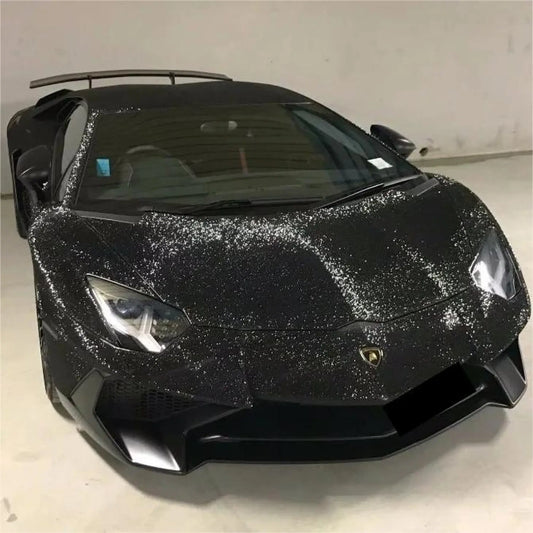
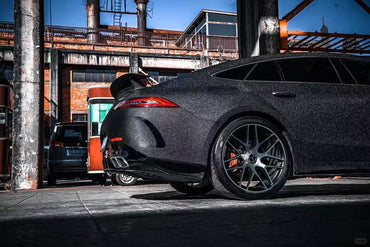
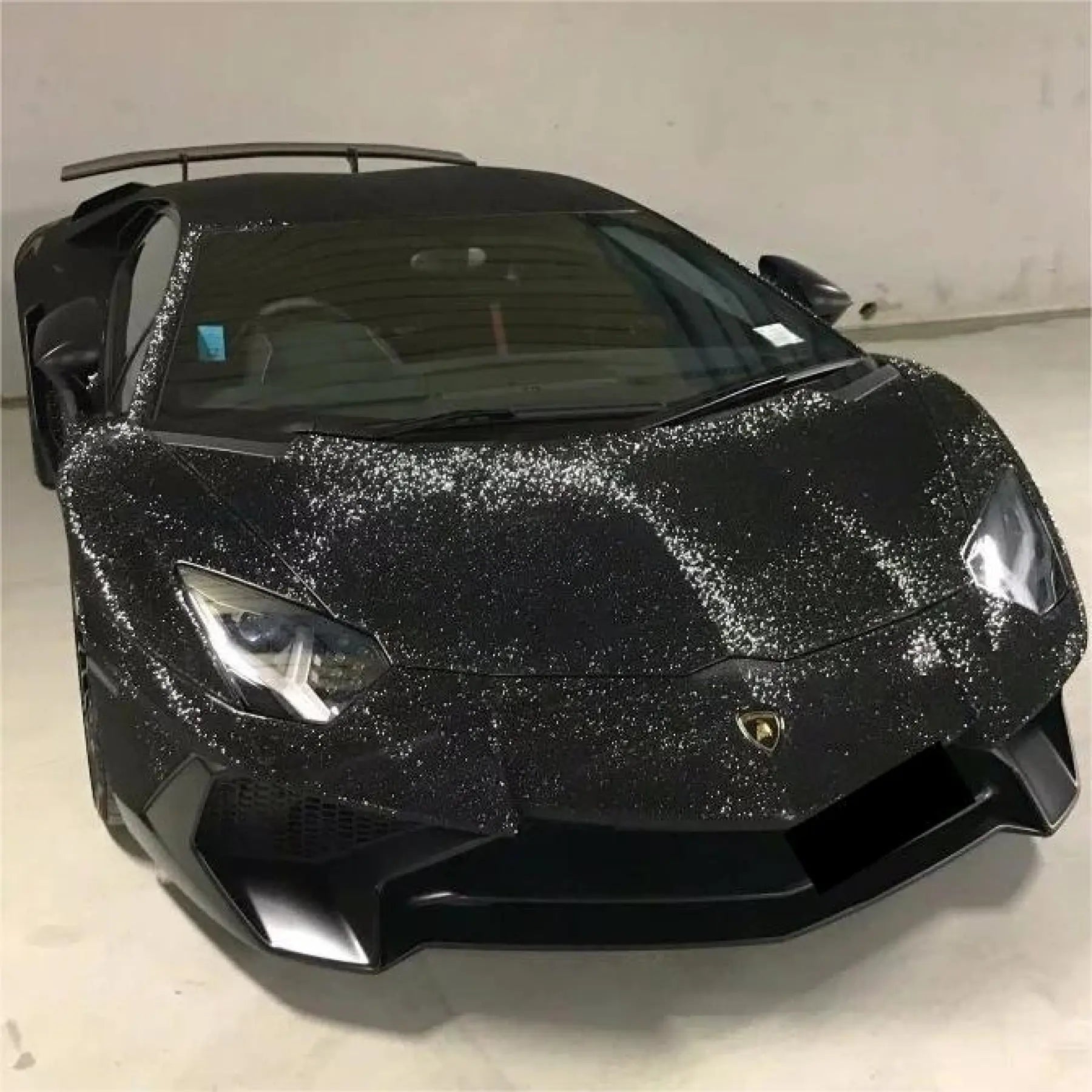
The best sellers collection showcases the most popular products across all material categories, providing insight into what experienced installers and vehicle owners prefer. Premium options like glitter sparkle car wrap and 3D carbon fiber wrap demonstrate the creative possibilities available with cast vinyl technology.
Conclusion
Understanding the fundamental differences between cast vinyl, calendered vinyl, and TPU paint protection film empowers you to select materials that align perfectly with your project goals. Cast vinyl delivers premium conformability and durability for aesthetic transformations on complex surfaces. Calendered vinyl offers budget-friendly solutions for flat applications and short-term projects. TPU protection film provides unmatched defense against physical damage with self-healing technology that maintains pristine appearance. By matching material characteristics to your specific requirements for durability, flexibility, protection, and budget, you achieve professional results that satisfy both immediate visual goals and long-term performance expectations.
How to install vinyl wrap on complex curves
Choosing between gloss and matte PPF finishes
Best car wrap finishes for each vehicle type

