





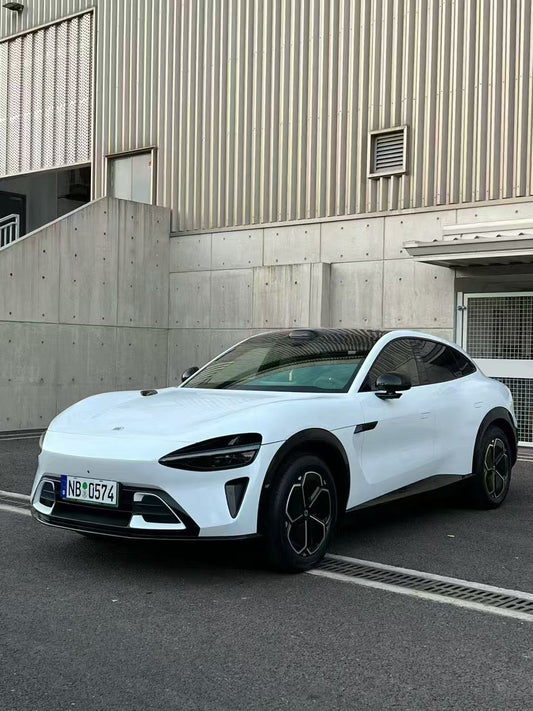
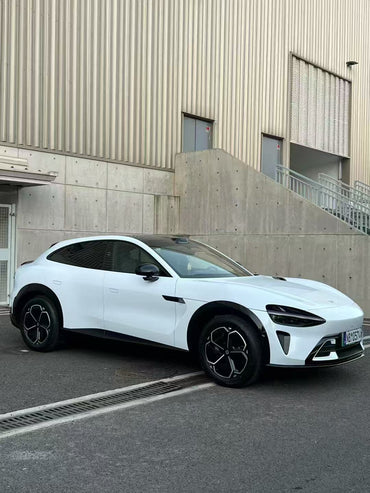
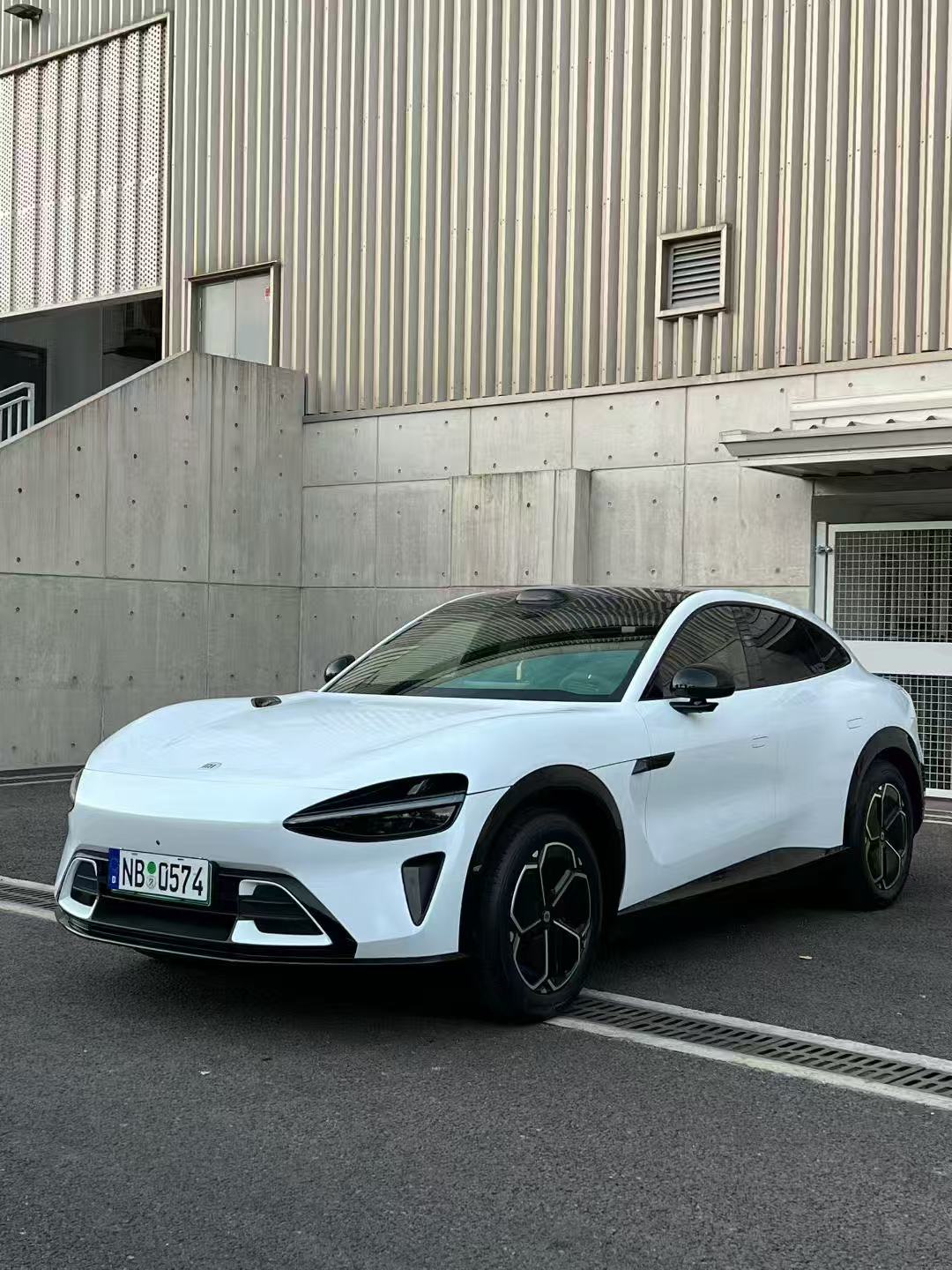


Essential Tools for Accurate Vehicle Measurement
Before beginning your measurement process, gather the proper equipment to ensure accuracy. A flexible tape measure of at least 25 feet allows you to follow vehicle contours properly. A notepad or smartphone app helps record measurements for each panel systematically. Having a helper makes measuring curved sections significantly easier, though solo measurement is entirely possible with patience and technique.
Professional installers recommend the wrapping tools kit which includes squeegees, cutting implements, and precision instruments that become essential during installation. While these tools are primarily for application, understanding them during the measurement phase helps visualize how material will be handled during the actual wrap process.
Understanding Vinyl Roll Dimensions and Standard Sizes
Professional automotive vinyl wrap typically comes in rolls measuring 5 feet (60 inches) in width. This standardized width accommodates most vehicle panels, allowing hoods, roofs, and doors to be covered with single seamless pieces. When calculating your material needs, you primarily focus on determining the length of vinyl required from a 60-inch wide roll.
Premium collections like the crystal vinyl wrap series and metallic vinyl wrap options come in various roll lengths ranging from 10 feet to 79 feet, allowing you to select the size closest to your calculated requirements. Understanding these available sizes helps optimize your purchase decision.
The Quick Estimation Formula for Full Vehicle Wraps
Professional installers use a proven formula to quickly estimate vinyl requirements for full vehicle coverage. Measure your vehicle length from the front bumper to the rear bumper, then multiply this measurement by three. This calculation accounts for both sides of the vehicle plus the top surfaces including hood, roof, and trunk. Finally, add an additional 10 to 15 feet to accommodate bumpers, mirrors, and material needed for errors during installation.
For example, a vehicle measuring 15 feet in length would require approximately 55 to 60 feet of vinyl wrap using this formula: 15 feet multiplied by 3 equals 45 feet, plus 10 to 15 feet for bumpers and buffer, totaling 55 to 60 linear feet from a 5-foot wide roll. This estimation method provides reliable results for most sedan and coupe applications.
Detailed Panel-by-Panel Measurement Guide
Measuring the Hood
The hood represents one of the most visible panels on any vehicle, making accurate measurement essential. Measure the width at the widest point, typically near the windshield. For length, measure along the center from the front edge to where the hood meets the windshield, then repeat along both sides to account for curvature. Always follow the actual contour rather than measuring straight across, as curved surfaces require more material than flat measurements suggest.
Add 3 inches of bleed material to all edges of your hood measurement. This extra material provides pulling room during installation and ensures complete coverage of edges that wrap underneath. A typical sedan hood measures approximately 4 to 5 feet wide and 3 to 4 feet long, requiring roughly 30 to 50 square feet of material including bleed allowance.
Measuring the Roof
Roof measurement follows similar principles to the hood but typically covers a larger surface area. Measure from the top of the windshield to the rear window, following the roof contour if your vehicle features any curvature. Measure width at the widest point, usually between the door frames. Vehicles with sunroofs require special attention, as you may choose to wrap around the sunroof opening or exclude it entirely from your wrap project.
The roof panel works exceptionally well with dramatic finishes like the rainbow laser vinyl wrap or sleek 3D carbon fiber wrap for contrast effects. Roof wraps alone require approximately 25 to 40 square feet depending on vehicle size.
Measuring Doors and Side Panels
Each door requires individual measurement since front and rear doors often differ in size. Measure door height from the bottom edge to the window line, and length from the front edge to the rear edge. Remember to account for door handle recesses, which require additional material for proper wrapping. Side panels between the wheel wells and doors need separate measurements as well.
Professional installers often wrap entire side panels as single pieces rather than individual door sections. For this approach, measure from the front fender edge to the rear fender edge, maintaining the same height measurement. This technique minimizes visible seams and creates a more cohesive appearance, particularly important for color-shifting films like the dual color dream vinyl wrap collection where pattern continuity matters.
Measuring Fenders and Quarter Panels
Front fenders typically measure from the headlight area to the door edge, wrapping around the wheel well. These panels feature significant curvature that requires careful measurement following the actual surface contour. Measure height at the tallest point and length along the longest edge. Rear quarter panels extend from the door edge to the tail light, often incorporating complex curves around the wheel arch.
Fenders generally require less than 30 inches of material height, allowing two fender pieces to be cut from a single yard of vinyl. Add the standard 3-inch bleed to all edges for installation flexibility. Complex body styling with aggressive flares or wide-body kits requires additional material allocation.
Measuring Bumpers
Bumper measurement presents unique challenges due to their complex three-dimensional shapes. For front bumpers, measure from the center outward to one side, then double this measurement to account for the full width. Measure height from the lowest point to where the bumper meets the hood or fender. Rear bumpers typically feature greater width and should be measured similarly, starting from center to one edge and doubling.
A common professional guideline allocates 8 to 10 linear feet specifically for front and rear bumper coverage on mid-size vehicles. Bumpers with integrated grilles, fog light openings, or sensor housings require additional material and more precise cutting. Consider the complexity of your specific bumper design when calculating material requirements.
Measuring the Trunk and Rear Surfaces
Trunk or hatch measurement depends significantly on vehicle body style. Sedans feature relatively flat trunk lids that measure straightforwardly with length and width dimensions. Hatchbacks and SUVs present larger rear surfaces that may require multiple pieces depending on size and curvature. Measure the longest and widest points, adding standard bleed allowances to all edges.
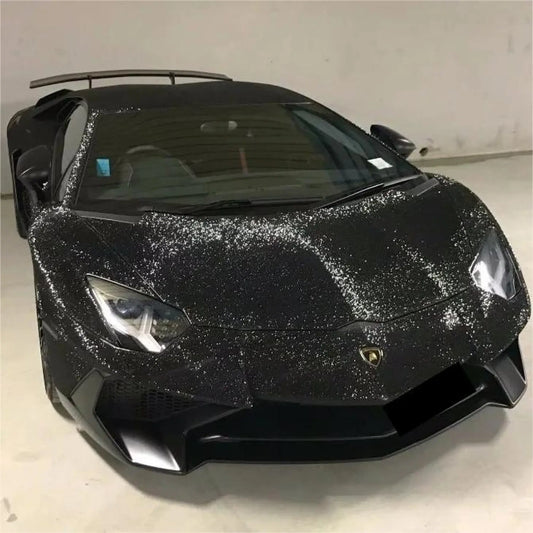
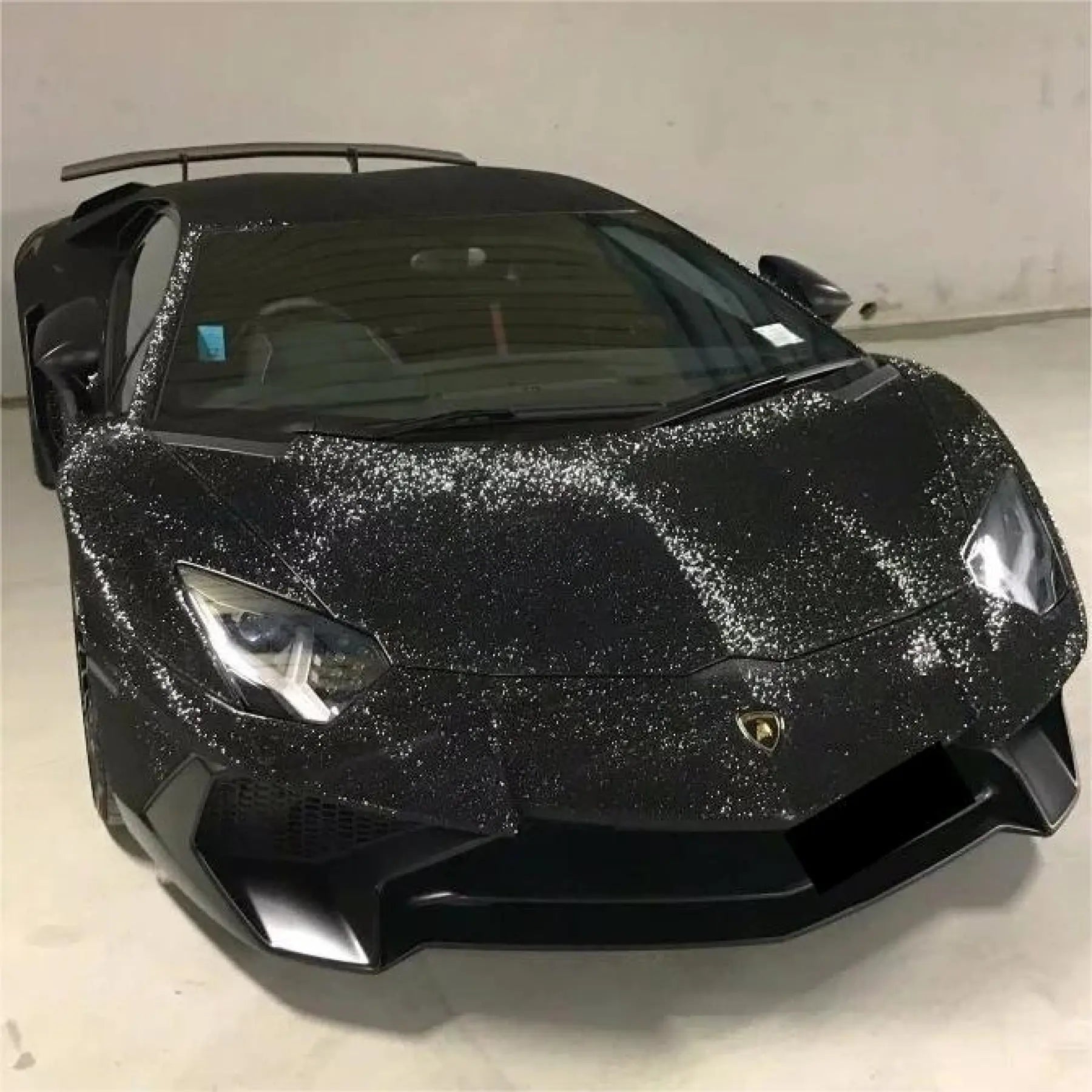
Trunk spoilers, if present, may be wrapped separately or integrated into the trunk panel measurement depending on their design. The trunk area showcases finishes beautifully, making it an excellent location for premium materials like the liquid chrome wrap or stunning glitter sparkle car wrap for eye-catching effect.
Vehicle Size Reference Chart for Vinyl Requirements
Different vehicle categories require varying amounts of material for full coverage. Compact cars like the Mini Cooper or Mazda MX-5 typically need 45 to 55 linear feet of 5-foot wide vinyl. Mid-size sedans including vehicles like the Toyota Camry or BMW 3 Series require approximately 60 to 70 feet. Full-size sedans and small SUVs need 65 to 80 feet of material for complete coverage.
Larger vehicles demand significantly more material. Mid-size SUVs require 70 to 85 feet, while full-size SUVs and trucks can need 85 to 125 feet depending on cab configuration and bed length. Commercial vans represent the highest material requirements, often exceeding 125 feet for complete exterior coverage. These estimates include appropriate waste and overlap allowances for professional installation.
Calculating Waste and Buffer Material
Industry experts recommend adding 10 to 20 percent additional material beyond your calculated measurements. This buffer accounts for trimming waste, installation errors, and the inevitable extra material needed for complex curves and tight spaces. Beginners tackling their first DIY wrap project should lean toward the higher 20 percent buffer to accommodate the learning curve associated with vinyl application techniques.
Overlapping seams require additional material allocation. While the standard 60-inch roll width covers most panels seamlessly, areas requiring seams need at least 1 inch of overlap on each side. Certain film types like the ultra matte wrap series require particularly careful seam planning as matte finishes can show seam edges more prominently than glossy alternatives.
Measuring for Partial Wraps and Accent Panels
Not every project requires full vehicle coverage. Partial wraps targeting specific panels like the hood, roof, mirrors, or rocker panels offer cost-effective customization options. For partial wrap projects, measure only the panels you intend to cover, maintaining the same measurement principles including bleed allowances and curvature considerations.
Popular partial wrap applications include roof wraps that create contrast against the body color, hood wraps for performance aesthetics, and mirror caps for subtle accent details. These targeted applications can reduce material requirements by 30 to 50 percent compared to full vehicle coverage. Consider exploring the sample kits to evaluate different finishes before committing to your partial wrap project.
Special Considerations for Paint Protection Film
Measurement principles for TPU paint protection wrap differ slightly from decorative vinyl. According to the vehicle wrap guidelines from automotive protection experts, PPF applications often focus on high-impact areas rather than full coverage. Front bumpers, hoods, fenders, mirror caps, and rocker panels represent the most common protection zones.
The colored paint protection film collection offers self-healing protection with color transformation capabilities. When measuring for colored PPF applications, follow the same panel-by-panel approach used for vinyl wrap, ensuring adequate material for complete coverage of your target areas.
Recording and Organizing Your Measurements
Create a systematic recording method for all your vehicle measurements. A simple diagram of your car with measurement notes for each panel prevents confusion during material ordering and installation. Label each panel clearly with both dimensions and the calculated square footage. This documentation becomes invaluable reference material throughout your project.
After recording all panel measurements, sum the total square footage and apply your chosen buffer percentage. Compare this final figure against available roll sizes to determine your optimal purchase quantity. For example, if calculations indicate 280 square feet of material needed, and your chosen vinyl comes in a 5-foot by 60-foot roll (300 square feet), that single roll provides adequate coverage with appropriate buffer.
Conclusion
Accurate vehicle measurement forms the foundation of every successful vinyl wrap installation. Taking time to measure each panel carefully, accounting for curves and contours, and adding appropriate buffer material prevents costly mistakes and project delays. Whether planning a full vehicle transformation with premium best sellers or a targeted partial wrap, these measurement principles ensure you order the right amount of material for professional results.
Remember that precision during measurement translates directly to efficiency during installation. Every measurement recorded now saves time, money, and frustration later in your project. With your calculations complete, you are ready to select your preferred finish and begin the exciting transformation of your vehicle.
How to cut vinyl wrap without damaging paint
Best vinyl wrap finishes for your vehicle type
Common vinyl wrap installation mistakes to avoid

