

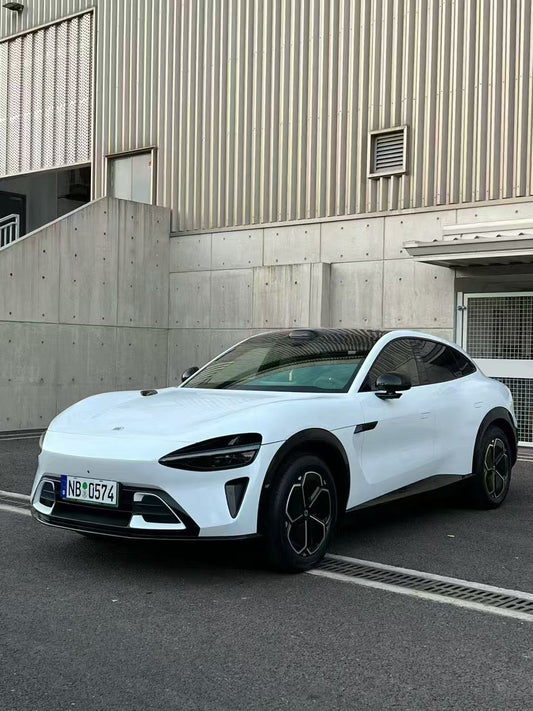
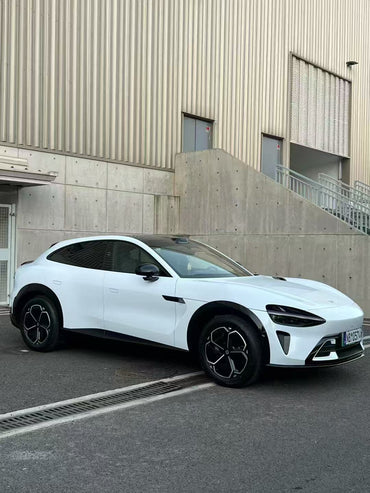
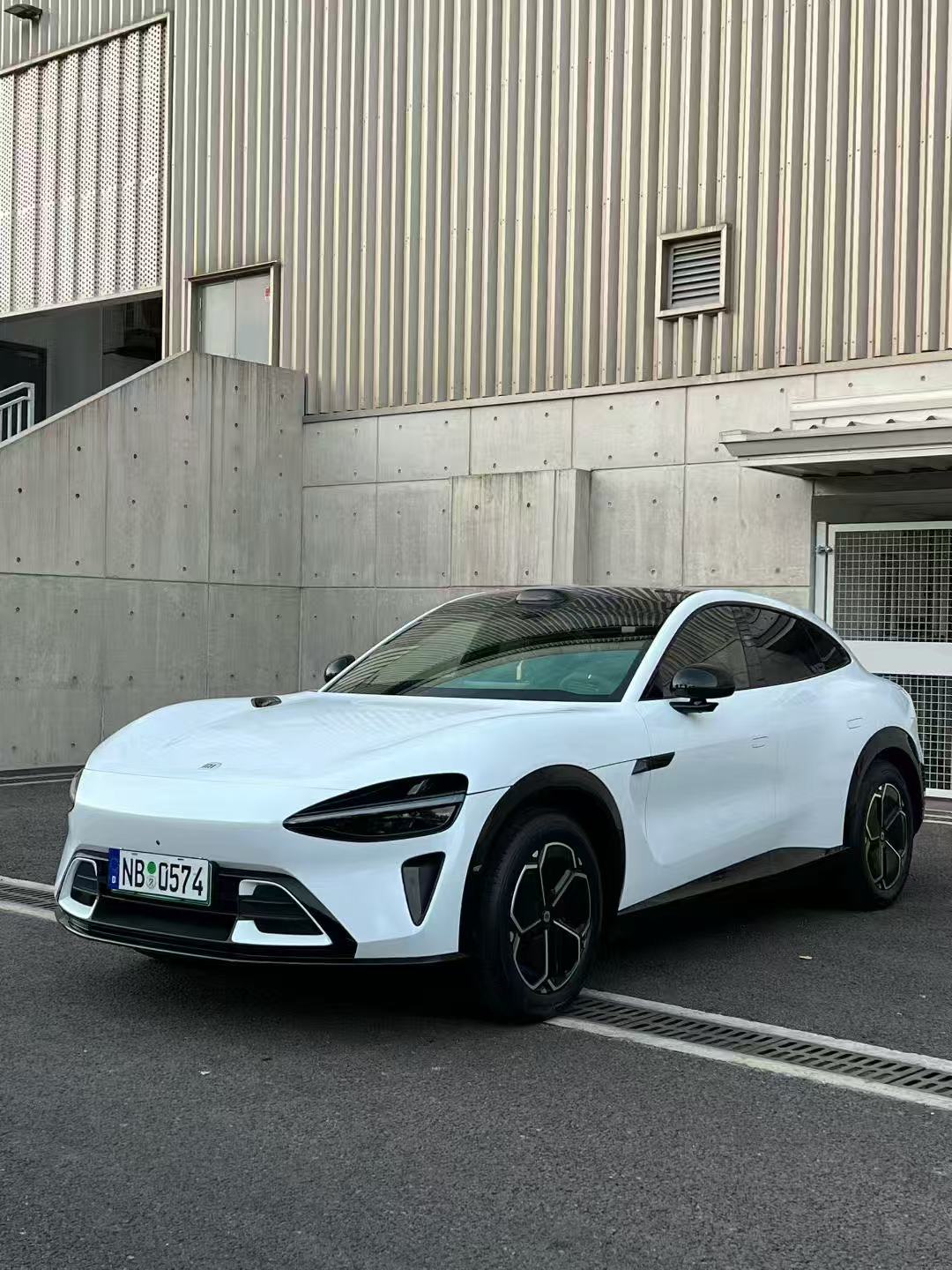


What Chrome Vinyl Wrap Actually Looks Like on a Vehicle
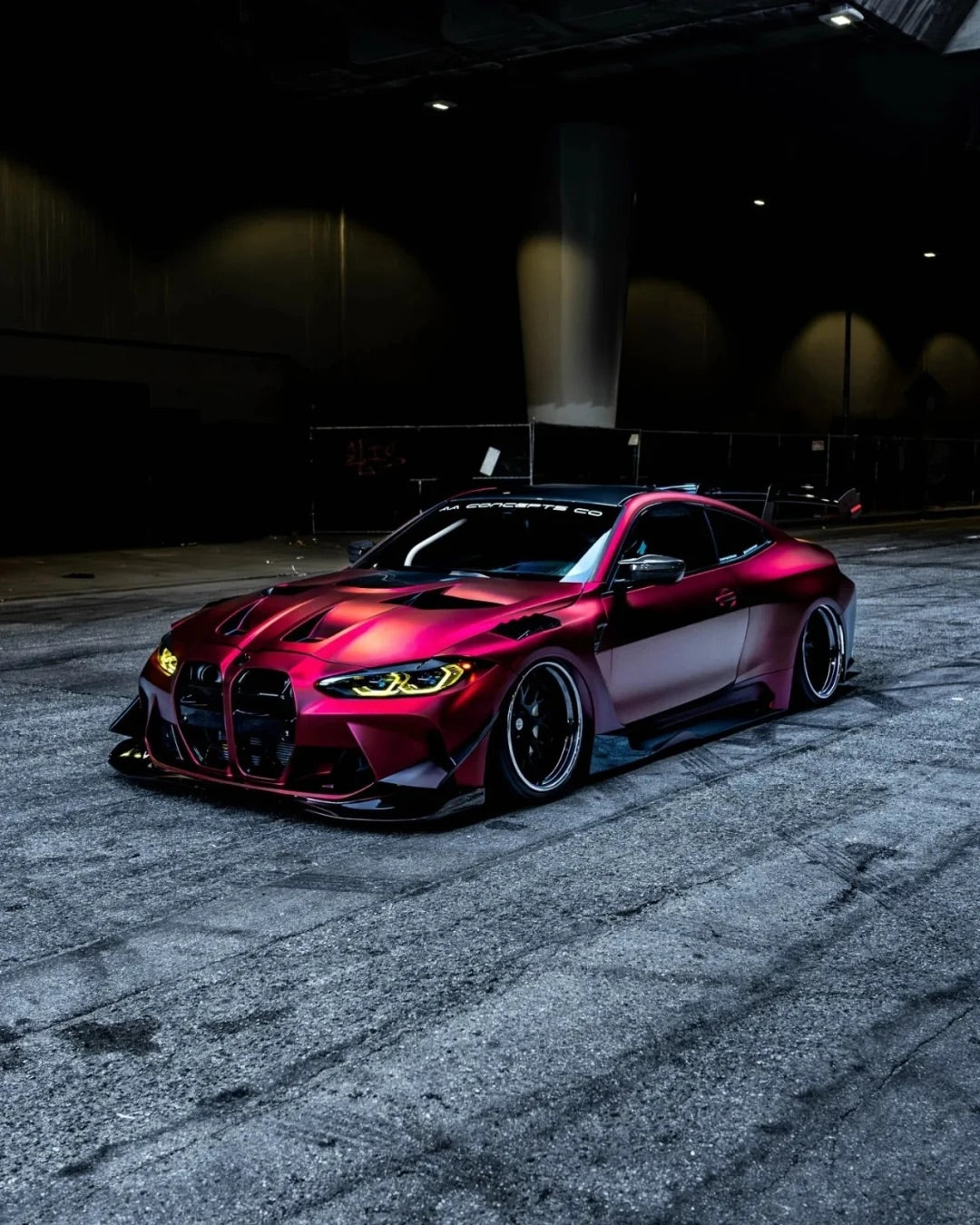
Chrome vinyl wrap, sold under the Sailifilm Liquid Series banner, produces a flowing, mirror-style reflection that mimics polished electroplated metal. The finish reacts dramatically to its surroundings — pull into a sunset and the panels glow amber; park beside a glass building and the wrap throws back the architecture. This is the look most car enthusiasts mean when they search for chrome car wrap or liquid chrome wrap, and it is currently one of the highest-impact aesthetic choices in the vehicle vinyl wrap category.
The Liquid Series at Sailifilm contains 36 colorways spanning Liquid Metal Gentian Blue, Liquid Gloss Metallic Galaxy Purple, Liquid Gloss Black Magic Red, Liquid Gloss Antarctic Star Blue, Liquid Gloss Navarra Blue, and Liquid Gloss Racing Orange, among others. Each film is engineered with mirror-like shine layered over a smooth gloss surface, superior stretchability for compound curves, and air-channel adhesive technology that allows bubble-free installation across hoods, fenders, and full-body wraps. The chrome-finish category also includes 15 dedicated chrome wrap variants and 31 gloss configurations within the same series, giving builders a wide range of reflectivity levels to work with.
What Metallic Vinyl Wrap Brings to the Table
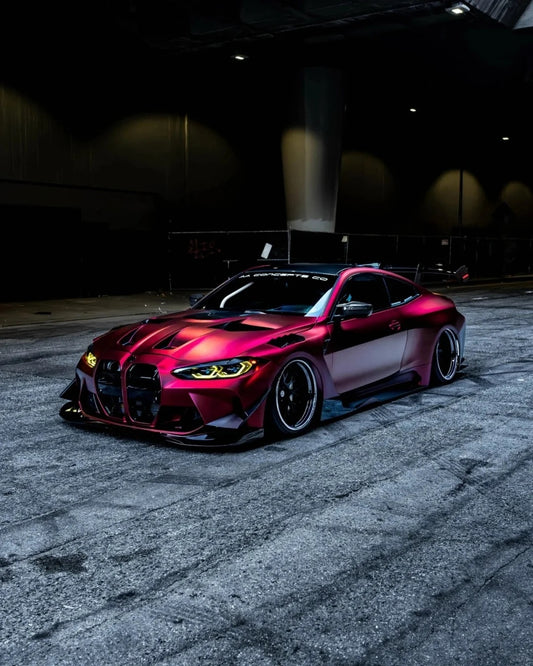
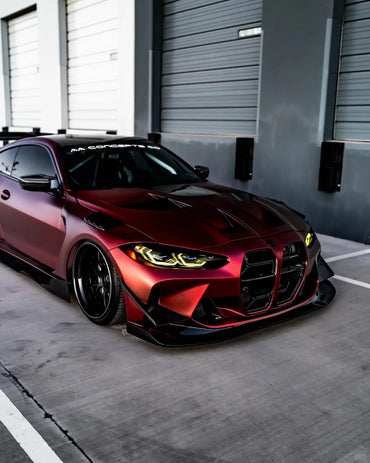
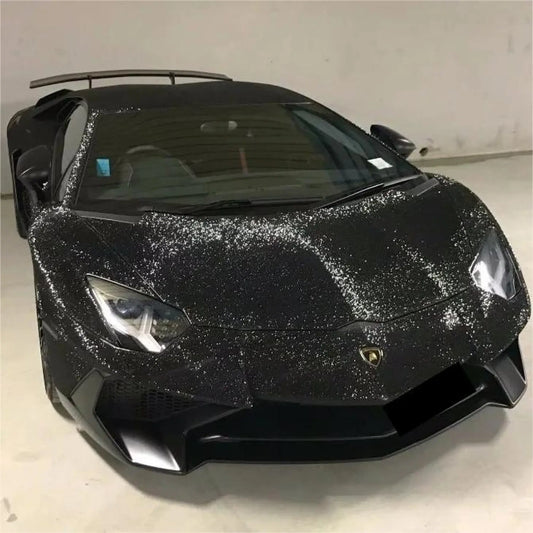
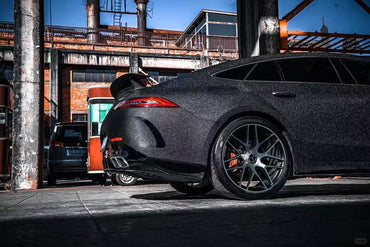
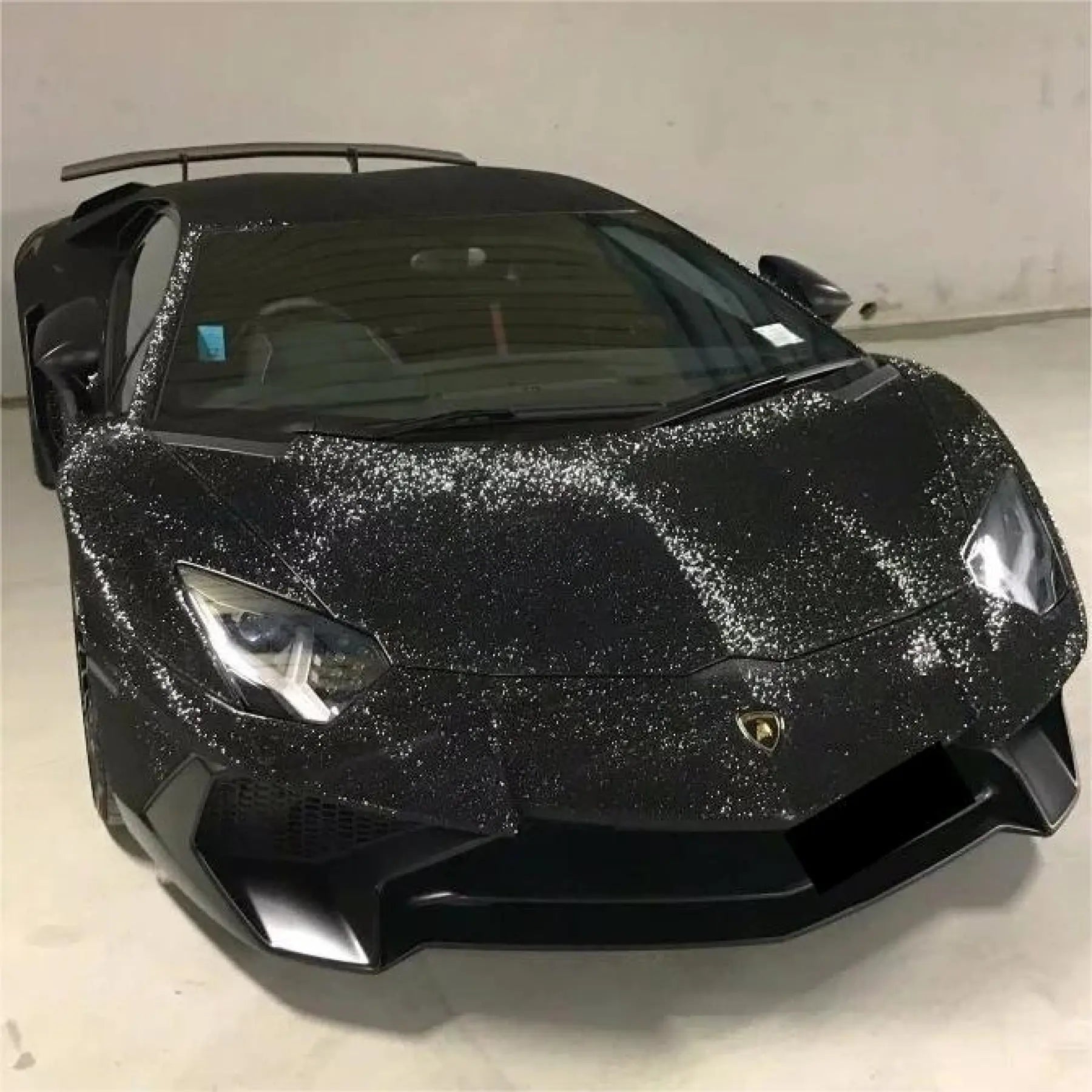
Where chrome reflects, metallic shimmers. The Sailifilm Metallic Series contains 22 production colors built around a different optical principle: fine metallic flakes suspended inside the vinyl film catch and refract light at multiple angles, producing depth and movement rather than a flat mirror image. The result is a finish that looks rich and three-dimensional from every viewing angle, similar to factory-grade pearl paint but with the protective and reversible benefits of vinyl.
Standout colors in the Metallic Series include Ghost Midnight Blue, Ghost Midnight Purple, Metallic Gloss Emerald Green, Metallic Gloss Frozen Berry Pink, Metallic Ultra-bright Orange, Metallic Gloss Sky Cloud Gray, Metallic Volcanic Ash, and Ultra Gloss Metallic Blueberry. The series is rated for five to seven years of service life with proper maintenance, includes UV-resistant and weatherproof construction, and uses the same air-release installation system found across the rest of the Sailifilm catalog.
Reflectivity: Mirror Drama vs Layered Shimmer
The single biggest decision factor between these two finishes is how aggressively you want your car to interact with its surroundings.
A liquid chrome wrap behaves almost like a flexible mirror. On a sunny afternoon, the panels will reflect sky, trees, and other vehicles with high clarity, creating the futuristic effect that has driven chrome wraps to viral status across short-form video platforms in 2026. This is the right choice if your goal is to stop people in parking lots and dominate the lighting at car meets.
A metallic vinyl wrap takes a more sophisticated route. The flake suspension scatters light into thousands of tiny highlights, producing what enthusiasts call sparkle depth. From ten feet away the car reads as one rich, saturated color; up close, the surface dances. Ghost Midnight Purple is a classic example — under shadow it appears nearly black, then erupts into deep violet under direct sunlight. Many luxury marques use this exact optical behavior on their flagship paint codes, which is why metallic finishes pair so naturally with executive sedans, GT cars, and SUVs.
Durability and Maintenance Reality
Neither finish is fragile, but their failure modes differ. Chrome films, due to the reflective metalized layer beneath the surface coating, are more sensitive to abrasion. Aggressive sponges, automatic brush car washes, and roadside debris will dull the mirror clarity faster than they would damage a metallic finish. Hand washing with a pH-neutral shampoo and microfiber wash mitt is the recommended practice — guidance that applies to every product in the car vinyl wrap catalog but is especially important for chrome.
Metallic films are more forgiving. The flakes sit beneath a clear topcoat, so light surface contact does not degrade the visual effect. The Sailifilm Metallic Series is rated for five to seven years of weatherproof performance, holds color stability under sustained UV exposure, and resists the swirl marks that often plague high-gloss finishes. For daily drivers, fleet vehicles, and anyone who parks outdoors, metallic typically delivers better long-term satisfaction than chrome.
For full upkeep guidance on either finish, the official Car Film Maintenance Guide covers wash frequency, drying technique, and contaminant removal in detail.
Installation Difficulty and Compound Curves
Chrome films are technically more demanding to install. The reflective metalized layer is less tolerant of overstretching, and any inconsistency in tension shows up immediately as visible distortion in the reflection. Tight fender flares, bumper corners, and aggressive body lines require post-heating and patience. Most professional installers charge a premium for full-body chrome jobs because the labor hours are simply higher.
Metallic films stretch more cooperatively. The flake structure hides minor tension variations, and the air-channel adhesive on the Metallic Series allows repositioning during application. For DIY installers tackling their first major project, metallic is usually the safer entry point. The complete DIY Car Wrap Installation Guide walks through both finish types, and pairing your project with the right squeegees and heat tools from the wrapping tools collection makes a measurable difference in finish quality.
If you want to test color and texture before committing to a full vehicle, ordering from the sample kits collection is the smartest small investment in the entire process.
When to Choose Chrome Over Metallic
Reach for a Liquid Series chrome wrap when the build is a show car, a partial accent (roof, mirror caps, hood scoop, or trim), a brand-activation vehicle that needs to dominate visual attention, or a personal statement piece that lives mostly in covered storage. Chrome is also the right pick when the goal is to mimic colors that simply do not exist in factory paint — Liquid Gentian Blue and Black Magic Red have no production-paint equivalent at any price point.
When to Choose Metallic Over Chrome
Choose the Metallic Series when the vehicle is a daily driver, when you live in a region with frequent sun and weather exposure, when resale value matters and you want a finish that ages gracefully, or when you prefer the timeless OEM-luxury look over maximum visual impact. Ghost Midnight Blue on a sport sedan or Metallic Volcanic Ash on a crossover delivers the kind of depth that makes onlookers ask which factory paint code that is — exactly the reaction many owners are after.
Combining Both Finishes for Custom Builds
A trend gaining serious momentum in 2026 is the mixed-finish build: a metallic base color across the body with chrome accents on the roof, mirrors, or grille surround. This approach controls cost, lowers maintenance demands on the largest panels, and still delivers the conversation-starting drama of liquid chrome where it matters most. Pairing the build with TPU paint protection wrap on high-impact zones such as the front bumper and rocker panels extends the life of the entire wrap system significantly.
Builders looking for an even more eye-catching contrast often layer in pieces from the dual color dream vinyl wrap, rainbow laser vinyl wrap, or crystal vinyl wrap collections for unique trim accents that neither pure chrome nor pure metallic can replicate.
Cost and Value Comparison
Both the Liquid Series and Metallic Series at Sailifilm are priced from $99 per panel size at entry, with full-vehicle quantities available in 5ft x 49ft, 5ft x 59ft, 5ft x 69ft, and 5ft x 79ft rolls. The pricing parity between chrome and metallic at the material level means the choice is genuinely about aesthetic and lifestyle fit rather than budget — which is unusual in the wrap industry, where chrome typically commands a heavy premium from other brands. Builders working through commercial projects or fleet conversions can also explore the best sellers collection for the most field-tested colors.
For a deeper look at how different surface textures interact with light, the Wikipedia entry on specular reflection explains the physics behind why chrome behaves like a mirror while metallic flake produces diffused shimmer — useful context for anyone making a serious purchase decision.
Final Decision Framework
If your priority is maximum visual drama, partial accent installation, or short-term show-car presentation, choose the Liquid Series. If your priority is long-term durability, daily-driver practicality, weather resistance, and luxury depth, choose the Metallic Series. If you cannot decide between the two, order matching sample swatches and see how each behaves on your actual vehicle in your actual lighting conditions before committing — that one step prevents almost every regret in the wrap world.
The full Sailifilm catalog also includes ultra matte wrap, 3D carbon fiber wrap, glitter sparkle car wrap, and colored paint protection film options for builders who want to go beyond the chrome-versus-metallic conversation entirely.

