





Why Different Finishes Behave Differently in Climate
All vinyl wraps share a basic construction — a PVC or TPU film, an adhesive layer, and various pigment or effect layers in between. What changes from finish to finish is the surface chemistry, the optical structure, and the layer count. A simple gloss vinyl has fewer layers than a rainbow laser vinyl wrap with its prismatic light-refracting structure. A textured 3D carbon fiber wrap has surface geometry that smooth films don't have. These structural differences mean each finish has different vulnerabilities.
The three main climate stressors are well documented. UV radiation breaks polymer chains over time — the Wikipedia entry on ultraviolet degradation describes the mechanism in detail. Thermal cycling causes repeated expansion and contraction that fatigues adhesive bonds. Moisture exposure, especially when combined with chemical contaminants like road salt, attacks edges and seams where film terminates. Each finish category has different sensitivities to these three forces.
Gloss and Crystal Finishes
Our crystal vinyl wrap line and the broader gloss range deliver deep, jewel-tone color with high reflectivity. The smooth surface is easy to clean, sheds water well, and resists embedded contamination better than textured films.
Best climates: Temperate zones (Pacific Northwest, Mid-Atlantic, Northern Europe) where moderate UV and stable humidity allow these finishes to hit their full 5-7 year lifespan.
Watch out for: High-UV regions like Arizona, Texas, Florida, and southern Spain. Glossy darker shades absorb more heat and can show UV fatigue earlier — apply a ceramic spray coating every 90 days as preventive maintenance.
Ultra Matte Finishes
The ultra matte wrap series uses a non-reflective topcoat that scatters light rather than reflecting it. This produces the satin appearance enthusiasts love but creates a slightly more porous surface than gloss equivalents.
Best climates: Cold and temperate climates. The matte finish hides minor surface contraction marks that can show on gloss films during freeze-thaw cycles, making it a strong winter performer in the Midwest, Northeast, Northern Europe, and similar regions.
Watch out for: High-humidity tropical and coastal climates. The matte topcoat traps moisture more readily than gloss, which can lead to water spotting if the vehicle isn't dried promptly after rain. Never apply carnauba waxes — they fill the matte texture and create permanent shiny patches.
Metallic Finishes
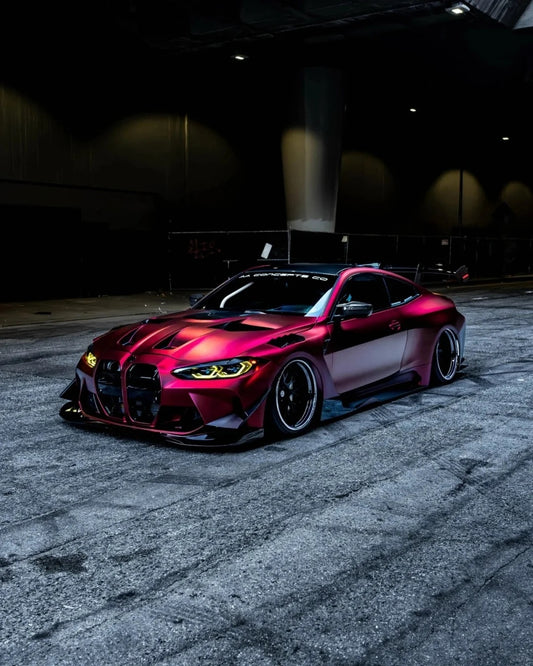
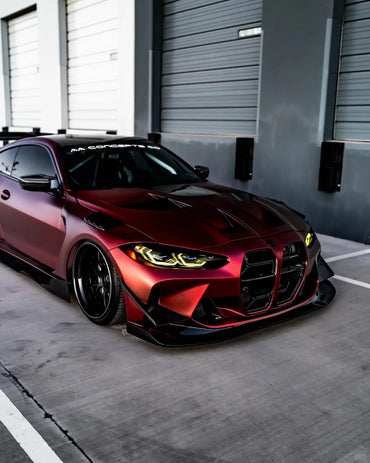
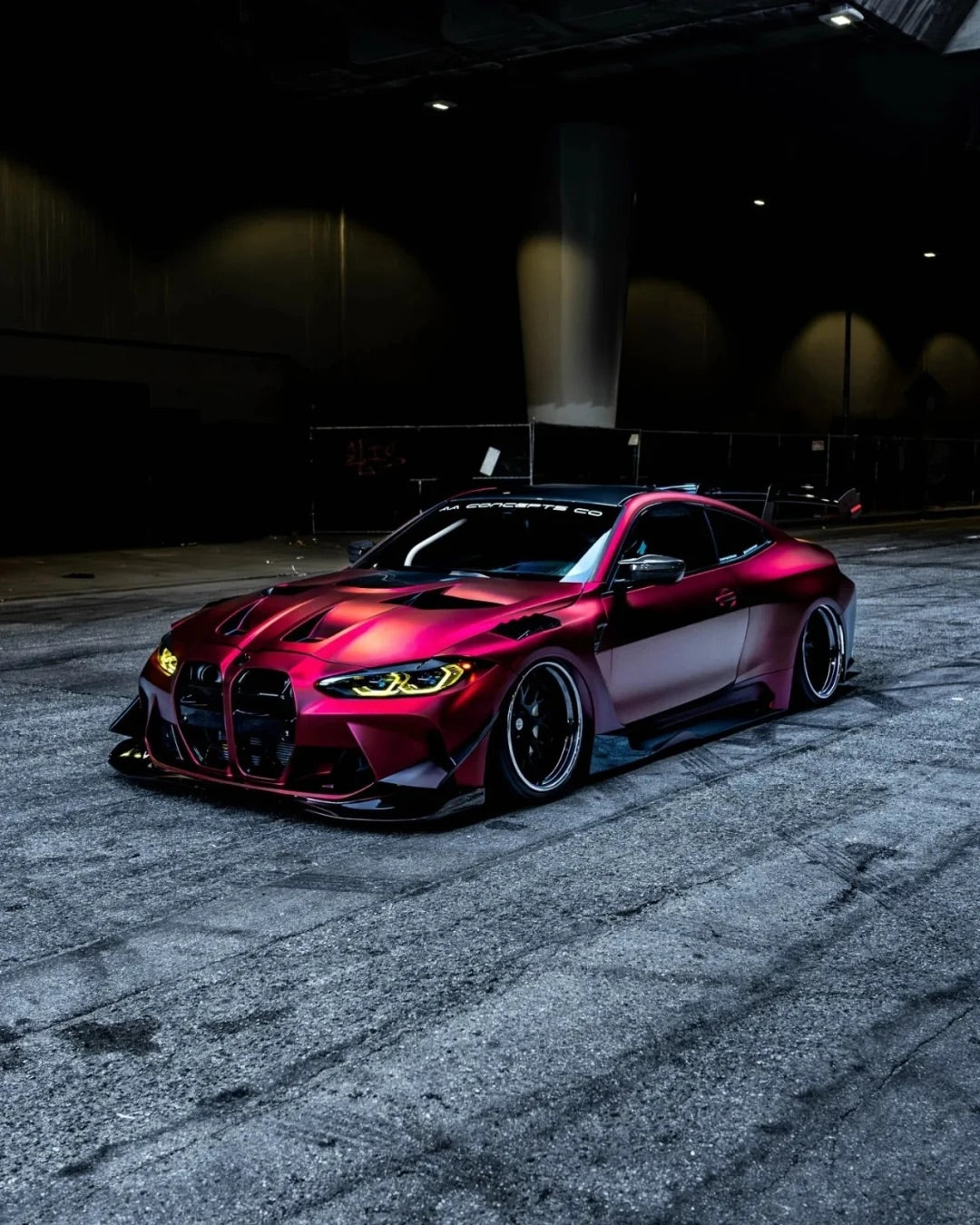
The metallic vinyl wrap range delivers depth that paint can't match through suspended metallic flakes that catch light at every angle. The visual effect depends on those flakes maintaining their alignment and reflectivity.
Best climates: Moderate climates with garage storage. Metallic flakes are most vulnerable to UV degradation — strong sun gradually dulls the reflective particles even when the surrounding film holds up.
Watch out for: Outdoor parking in high-UV regions. If you live in the American Southwest or anywhere with intense year-round sun, garage your vehicle whenever possible. Coastal salt air also accelerates flake oxidation, so coastal owners should rinse their cars more frequently than inland drivers.
Liquid Chrome
The liquid chrome wrap line produces the most attention-grabbing finishes in any catalog — mirror-like, mercury-effect surfaces. The optical effect comes from a vapor-deposited metal layer that's the most environmentally sensitive component in any wrap category.
Best climates: Mild, dry climates with garage storage and limited sun exposure. Show cars and weekend drivers in temperate regions get the most longevity from chrome finishes.
Watch out for: Daily driving in any harsh climate. UV oxidizes the metallic layer, salt air corrodes it, and freeze-thaw cycles can cause delamination of the multi-layer construction. Chrome wraps in tropical, desert, or cold-coastal climates may see lifespan reductions to 2-3 years even with diligent care. Reserve chrome for climate-controlled environments or short-term style projects.
Color-Shift and Holographic Finishes
The dual color dream vinyl wrap series and rainbow laser vinyl wrap line both rely on engineered optical layers to produce their color-shifting effects. These multi-layer constructions are more sensitive to environmental stress than single-layer films.
Best climates: Temperate and mild climates. The optical layers maintain their shifting effects best when not subjected to extreme UV or constant freeze-thaw stress.
Watch out for: Aggressive cleaning anywhere. Harsh chemicals, automatic car washes, and abrasive towels can damage the optical layers permanently — even more critical than the climate itself. Hand wash exclusively, regardless of where you live.
Glitter and Sparkle Finishes
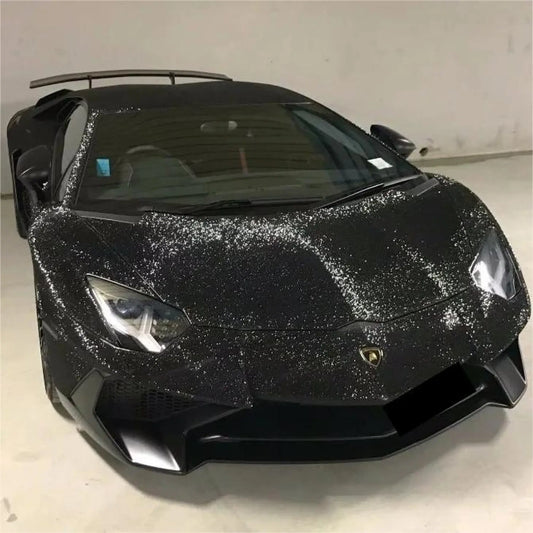
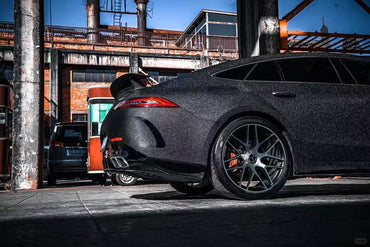
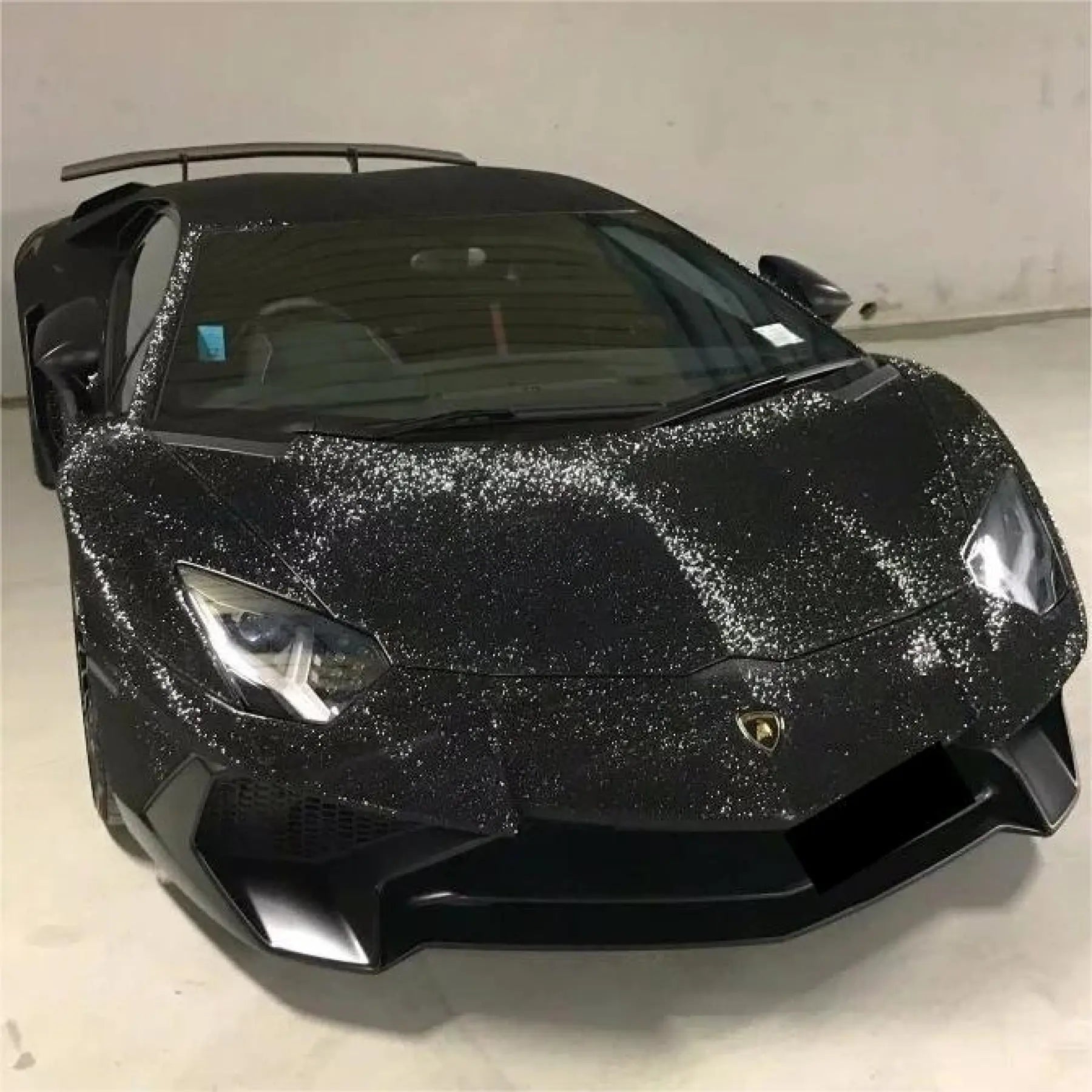
The glitter sparkle car wrap range includes Diamond Glitter options in Black, Pink, and Silver. The textured surface traps light to create the sparkle effect — but it can also trap fine particles.
Best climates: Most climates handle glitter finishes well, including high-UV regions. The multi-dimensional surface actually hides minor sun damage better than solid finishes, since the eye is drawn to the sparkle rather than to subtle color shifts.
Watch out for: Dusty, pollen-heavy environments. Spring blooms in temperate regions and fine sand in desert climates can settle into the textured surface. Use a soft detailing brush with pH-neutral solution during washing rather than relying on a wash mitt alone.
3D Carbon Fiber
The 3D carbon fiber wrap line uses embossed PVC with a textured weave pattern. The thicker construction and textured surface make it one of the more climate-tolerant finishes in the catalog.
Best climates: Cold climates particularly. Carbon fiber wraps maintain flexibility at lower temperatures than thinner specialty films, which makes them a strong choice for Northern winters and high-altitude environments where vehicles see real cold.
Watch out for: Texture cleaning is non-negotiable everywhere. Whether you're in Arizona dust, Pacific Northwest pollen, or Boston road salt, the carbon weave needs regular brush-assisted cleaning so contaminants don't compound in the texture grooves.
TPU PPF and Colored Paint Protection Film
Both clear TPU paint protection wrap and colored paint protection film use a thermoplastic polyurethane base instead of PVC. This single chemistry difference makes them fundamentally more climate-tolerant than vinyl wraps.
Best climates: Every climate, with particular advantage in extremes. TPU retains flexibility at sub-zero temperatures where vinyl turns brittle, resists yellowing under intense UV, and self-heals minor abrasions when warmed. For high-UV deserts, harsh winters, coastal salt air, and humid tropical zones — TPU outperforms vinyl in all of them.
Watch out for: Higher upfront cost. TPU films command roughly double the price of equivalent vinyl, but the broader climate suitability and 7-10 year lifespan often justify it for owners in challenging environments.
Quick Climate Reference Matrix
|
Finish Type |
Hot/UV |
Cold/Winter |
Coastal/Humid |
|
Crystal / Gloss |
Fair |
Strong |
Strong |
|
Ultra Matte |
Fair |
Strong |
Fair |
|
Metallic |
Fair |
Strong |
Fair |
|
Liquid Chrome |
Weak |
Fair |
Weak |
|
Rainbow / Dual Color |
Fair |
Fair |
Fair |
|
Glitter Sparkle |
Strong |
Strong |
Strong |
|
3D Carbon Fiber |
Strong |
Strong |
Strong |
|
TPU PPF / Colored PPF |
Strong |
Strong |
Strong |
Climate-Specific Care Tips
-
Hot/desert climates: Park in shade or garage. Wash in cool morning hours, never on heat-saturated panels with cool water. Apply ceramic spray every 90 days for UV stabilization.
-
Cold/winter climates: Hand-wash every 1-2 weeks during salt season using pH-neutral soap and warm (not hot) water. Inspect edges after deep freezes. Never pressure wash near edges.
-
Coastal/humid climates: Rinse weekly to remove salt aerosols. Dry promptly after rain to prevent water spotting on matte finishes. Check edges quarterly for moisture infiltration.
-
Tropical/high-humidity climates: Pay extra attention to drying after washes. Trapped moisture is the leading cause of wrap failure in humid environments. Consider a covered carport even if climate is otherwise mild.
-
Mountain/high-altitude climates: UV intensity increases with elevation, so high-altitude vehicles need the same UV care strategies as desert drivers even when temperatures feel mild.
Test Before You Commit
If you're unsure how a specific finish will hold up in your local conditions, order from our sample kits and tape a panel to a surface that mimics your typical parking situation. Leave it for two to four weeks and inspect for any color shift, edge lifting, or surface change. This simple field test reveals more about real-world performance than any spec sheet, and it costs almost nothing compared to wrapping a full vehicle.
For installation guidance and ongoing care techniques specific to your climate, the broader Sailifilm blog covers seasonal maintenance protocols, environmental factors, and finish-specific cleaning methods. Pair this finish-by-finish guide with those practical resources to make the most informed decision for your vehicle.
The Bottom Line on Climate and Wrap Choice
No single vinyl wrap finish is universally best in every climate — that's why Sailifilm offers as many categories as we do. Match the finish to your environment first, then to your aesthetic preferences. A daily-driven car in Phoenix is better served by a glitter sparkle, carbon fiber, or TPU finish than by liquid chrome. A weekend show car in Seattle's mild climate can wear chrome happily for years. Browse the full car vinyl wrap collection or our best sellers with this climate framework in mind, and you'll end up with a wrap that lasts as long as the manufacturer intended.

