












Why Finish Type Decides the Care Routine
Surface texture is not cosmetic trivia. It controls how the film interacts with water, wax, soap, heat, UV exposure, and even the fibers of your drying towel. Smooth glossy films bounce dirt off their sealed top layer. Textured matte and satin films grip microscopic particles inside their micro-structure. Metallic pigments react to chemical cleaners differently than clear gloss. If you want a quick primer on the underlying material science, the Wikipedia entry on vehicle wraps explains the adhesive chemistry and polymer layers in clear language. Once you understand that every finish is essentially a different micro-landscape, the right care routine becomes obvious rather than mysterious.
Gloss and Crystal Series — Handle the Shine With Care
Films from the Crystal Series and the broader gloss category rely on an ultra-smooth top layer that reflects light uniformly. Any swirl, micro-scratch, or haze immediately shows up under sunlight. Hand washing with a pH-neutral car shampoo and a clean microfiber mitt is the safest routine. Work top-down, rinse the mitt often, and dry with a plush microfiber towel using straight-line motion rather than circular swirls. A vinyl-safe spray sealant every two to three months adds hydrophobic protection and makes future cleanings far quicker. Glossy wraps can be gently waxed only with products explicitly labeled wrap-safe, because traditional paint waxes contain solvents that attack vinyl plasticizers over time. Expect roughly two weeks between washes under normal driving, and bump that up during pollen season or after coastal trips.
Ultra Matte Series — The Strictest Rulebook
The Ultra Matte Series is where most owners accidentally destroy their investment. Matte films achieve their soft, flat appearance through a deliberately textured surface. Any wax, polish, compound, or glossy quick-detailer fills those micro-pockets permanently, leaving greasy shiny patches that cannot be reversed. The rule is simple: nothing shiny touches a matte wrap. Clean only with matte-specific cleaners or a mild soap solution. Dry with a flat microfiber cloth using straight passes. Skip automatic car washes entirely — the brushes burnish the texture. For fingerprints around door handles and fuel doors, a gentle isopropyl alcohol and distilled water mix at a 1:1 ratio, applied with a soft cloth, lifts oils without disturbing the finish. Treat your matte wrap like suede, not leather, and it will reward you with years of understated sophistication.
Metallic Series — Preserve the Sparkle Beneath the Surface
Metallic finishes in the Metallic Series contain suspended metallic flakes under a clear protective layer. That clear top coat is what you are actually cleaning — the sparkle comes from beneath. Avoid anything abrasive, because scratches in the clear layer dull the metallic depth instantly. Use two-bucket washing with grit guards if possible. Metallic films handle light wax sealants well, provided the product specifies vinyl compatibility. Pay special attention to pollen and bird droppings, since both contain acids that can etch the clear top coat and create visible dull spots around the metallic flakes. Spot-clean within hours, not days. A quick-detailer safe for metallic vinyl, used between washes, keeps the flake dimension looking deep and alive.
Liquid Series — Chrome-Like Drama Demands Gentle Hands
The Liquid Series delivers that wet, poured-paint look through highly reflective layers that are thinner and more delicate than standard gloss. Chrome-effect films are sensitive to heat buildup, harsh solvents, and fuel spills. Always rinse off road salt, tree sap, and insect splatter within the same day. Never use ammonia-based glass cleaners near the edges. Cover bucket handles and tool edges with foam pads if you use detailing tools nearby, because a single hard knock can crease the reflective layer. Store the vehicle in shade whenever possible — chrome films age fastest when parked in direct afternoon sun for hours. Expect a well-cared-for liquid finish to hold its drama longer if you wash weekly rather than biweekly and skip any product containing petroleum distillates.
Rainbow Laser Series — Protect the Color Shift
Color-shifting films from the Rainbow Laser Series use microscopic prismatic particles that refract light into shifting hues. This optical effect depends entirely on the cleanliness and clarity of the surface. Any film of road dust, wax residue, or soap streaks dulls the rainbow depth immediately. Rinse thoroughly after every wash, use distilled water for the final pass if your tap water is hard, and dry with a soft towel in straight lines. Avoid parking under sap-dropping trees, since sticky residues can bond with the pigment layer if left to bake. Quick-detailer sprays designed for color-shift films are worth the investment — they remove light contamination between full washes without altering the optical behavior.
Dual Color Dream Series — Two Colors, Twice the Attention
Films in the Dual Color Dream Series shift between two distinct hues based on viewing angle and lighting. The care principles match chameleon-style films but with a stronger focus on even cleaning across curved surfaces. Uneven residue build-up creates visible color-transition patches where the shift looks muted. Wash the entire panel in one session rather than spot-cleaning sections, and always dry the whole panel uniformly. Pay close attention to body lines, hood curves, and fender arches, where the color transition is most visible and most vulnerable to streaking.
3D Carbon Fiber Wrap — Textured, Tactile, Trap-Prone
The 3D Carbon Fiber Wrap delivers a three-dimensional woven texture that looks spectacular but catches dust and road grime inside its grooves. Standard flat-washing does not reach into those channels. Use a soft-bristle detailing brush along with your wash mitt to agitate the textured pattern gently. Never scrub hard — the three-dimensional relief is surface-deep and can be flattened by aggressive pressure. After rinsing, blow-dry with a clean leaf blower or compressed air to clear water from the grooves, since pooled water leaves visible white mineral marks. Skip wax entirely on carbon fiber wraps; it fills the texture and defeats the point of the finish.
Glitter and Sparkle Wraps — Keep the Shimmer Alive
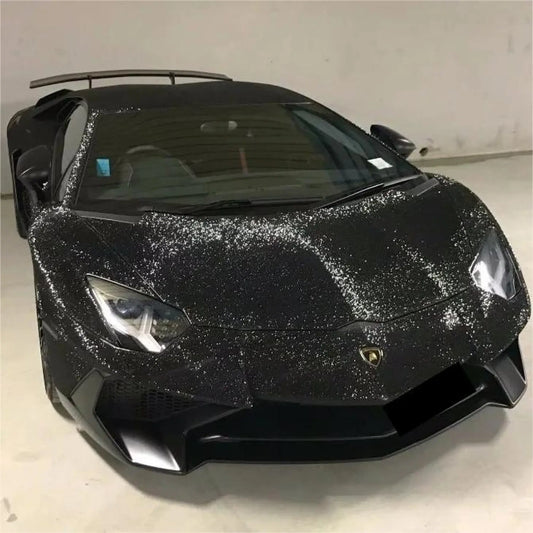
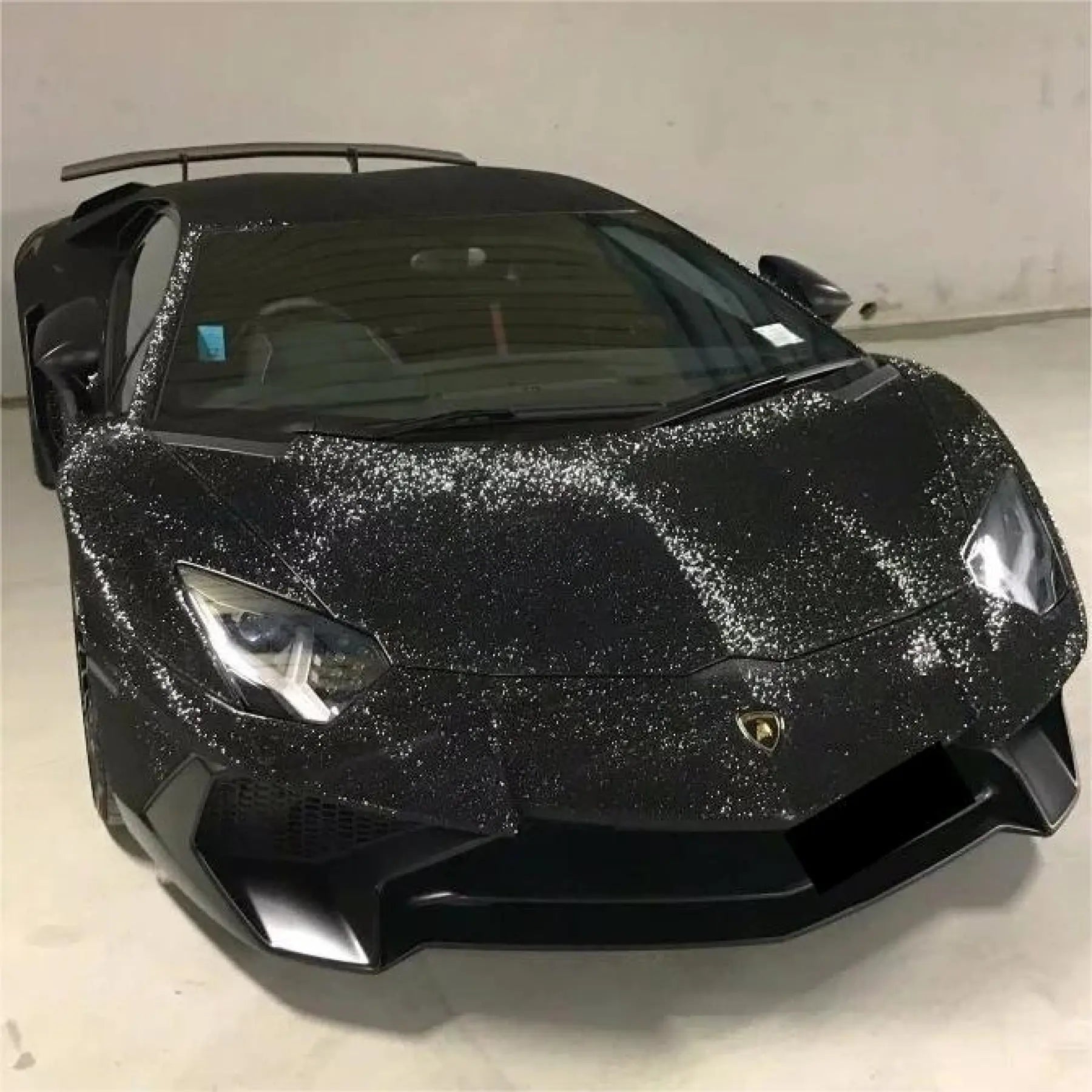
Diamond glitter and pearlescent sparkle finishes, available throughout our best-selling lineup, contain reflective particles suspended in a clear carrier. Rough washing scratches that carrier and dulls the sparkle. Treat these films like a cross between metallic and gloss finishes: gentle hand-washing only, no brush washes, and absolutely no abrasive compounds. A wrap-safe sealant every couple of months helps maintain the depth of the shimmer and adds a hydrophobic layer that protects against water spots.
TPU Paint Protection Wrap — The Self-Healing Workhorse
Films in the TPU Paint Protection Wrap collection and the Colored Paint Protection Film range behave differently from standard vinyl. The top polymer layer is designed to self-heal minor scratches and swirl marks when warmed by sunlight or warm water. That self-healing property is actually enhanced by proper care. Wash regularly with pH-neutral shampoo, dry with microfiber, and take advantage of warm water rinses in winter to trigger healing of fine surface marks. TPU PPF tolerates ceramic coatings beautifully and actually benefits from them — a coated PPF is the closest thing to a fortress your paint will ever have. Inspect edges every few months for any lifting, since trapped moisture at a lifted edge is the fastest path to premature failure.
Universal Rules That Apply to Every Finish
Regardless of which film sits on your panels, a handful of habits separate wraps that age gracefully from wraps that look tired by year three. Hand wash rather than tunneling through automatic car washes, because spinning brushes and high-pressure nozzles are the single biggest cause of edge lifting. Rinse bird droppings, tree sap, bug splatter, and road salt the same day they land — acidic contaminants etch faster than most owners realize. Park in shade or a garage whenever practical, because UV exposure is the silent killer that breaks down plasticizers from the inside out. Use only pH-neutral wrap-safe soap, soft microfiber mitts, and plush drying towels. Skip any product containing petroleum solvents, strong alcohols at high concentrations, ammonia, or traditional paint polish. Inspect edges, seams, and recessed areas monthly for any sign of lifting, and address small issues before they spread.
Tools That Make Maintenance Easier
Proper tools simplify the entire routine. Our curated Wrapping Tools collection includes the microfiber mitts, detailing brushes, soft squeegees, and finishing cloths that wrap professionals rely on. Ordering a Sample Kit before committing to a full color also lets you test your cleaning routine on a small piece of the exact film you plan to install — a small step that saves expensive mistakes later.
When to Call in a Professional
Some problems deserve professional attention rather than DIY experimentation. Edge lifting longer than a coin's width, bubbling that appears months after installation, chemical staining that will not rinse away, and scratches that reach the adhesive layer all warrant a visit to an experienced installer. Catching these issues early is inexpensive; ignoring them until the wrap delaminates is not. If you are in an early-care window after a new install, our detailed Car Film Maintenance Guide walks through the first-week cure period and the specific dos and don'ts that protect your warranty.
The Bottom Line
Vinyl wrap maintenance is not complicated, but it is specific. Match your routine to your finish, stay consistent with gentle products, and inspect your wrap often enough that small issues never become big ones. A Sailifilm wrap installed correctly and maintained properly can hold its showroom character for five to seven years, sometimes longer on TPU paint protection films. The difference between a wrap that looks alive and one that looks exhausted is rarely the film itself — it is almost always the care routine behind it.
Ready to refresh your ride or start a new project? Browse the full Car Vinyl Wrap collection, explore the latest arrivals in our Best Sellers, or download the complete DIY Car Wrap Installation Guide before you begin.

