




What Counts as a Partial Wrap, and Why Drivers Choose One
A partial wrap applies vinyl film or colored paint protection to a defined portion of a vehicle rather than every surface. Coverage typically ranges from 10 percent on a simple chrome delete up to 70 percent on a roof, hood, and mirror combination. The approach preserves the factory paint underneath while giving owners the freedom to experiment with textures and colors they might hesitate to commit to permanently.
The budget advantage is significant. A partial project often uses one to three rolls of film rather than the seven to ten rolls required for a full sedan wrap, which dramatically reduces both material and labor costs. For first-time customers, starting with a Sailifilm sample kit is the smartest way to confirm color behavior in daylight before ordering full rolls. Curious readers can also review the foundational concept of vehicle vinyl wrap on Wikipedia to understand the underlying cast-film technology.
Partial Wrap Ideas for Sedans and Compact Cars
Sedans reward precision. Their clean horizontal lines and defined shoulder creases respond beautifully to targeted contrast panels. The most requested look for compact cars this year is a satin or matte roof paired with gloss factory paint — an effect that visually lowers the roofline and mimics the premium two-tone treatment found on luxury coupes.
For a bolder statement, the Ultra Matte Series works beautifully on mirror caps, the front grille surround, and the lower door panels. This approach delivers the popular blacked-out aesthetic without touching the rest of the body. Compact EV drivers are also gravitating toward the Dual Color Dream Series on hoods and trunk lids — the color shift between two tones creates a futuristic look that photographs exceptionally well under dealership and boulevard lighting.
Partial Wrap Ideas for SUVs and Crossovers
SUVs offer enormous surface area, which means partial wrap placement can transform the vehicle's entire presence without wrapping every square foot. Roof blackouts remain the single most popular SUV upgrade because the roof is one of the most visible panels from the side and from above. A matte black or satin gunmetal roof instantly modernizes older models and adds visual height to boxier silhouettes.
Hood accents are the second favorite. Military-inspired earth tones — army green, desert tan, and slate gray — dominate the crossover segment this year, and a hood-only application in one of these shades pairs perfectly with stock wheels. Drivers looking for a more dramatic change can consider the Metallic Series for roof-plus-mirror-cap combinations. For owners who want maximum durability on high-impact panels, the Colored Paint Protection Film combines tinted aesthetics with self-healing TPU technology on rocker panels, lower doors, and fender arches.
Partial Wrap Ideas for Pickup Trucks
Pickup trucks live rougher lives than most vehicles, so a partial wrap must balance style with resilience. The hood, tailgate, and rocker panels take the most abuse from gravel, road debris, and loading activity, which makes them ideal candidates for protective wrapping rather than vanity-only vinyl.
Color-matched TPU Paint Protection Wrap is the smartest option for truck owners who want the best of both worlds: a refreshed appearance on the most exposed panels with genuine impact protection underneath. For accent detailing, the 3D Carbon Fiber Wrap adds an aggressive performance vibe to bed rails, tailgate trim, and hood scoops. Off-road enthusiasts also love a satin-finish roof combined with matte-blacked-out badges, a combination that reads as rugged without crossing into costume territory.
Partial Wrap Ideas for Sports Cars and Performance Coupes
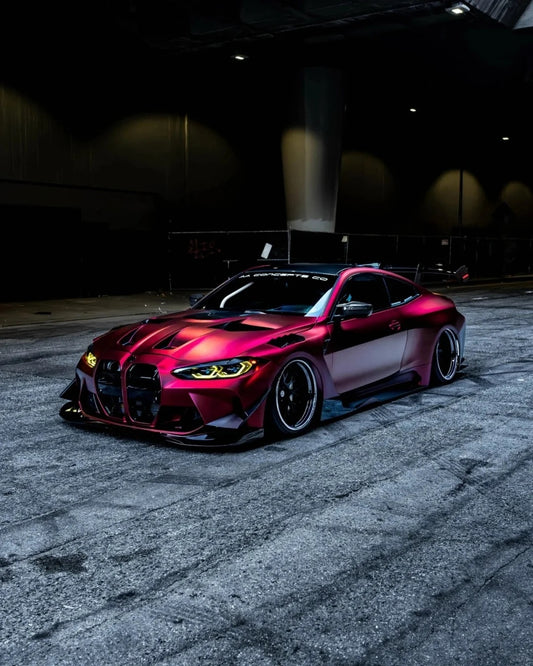
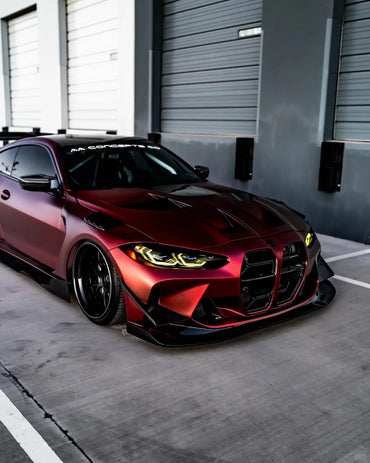
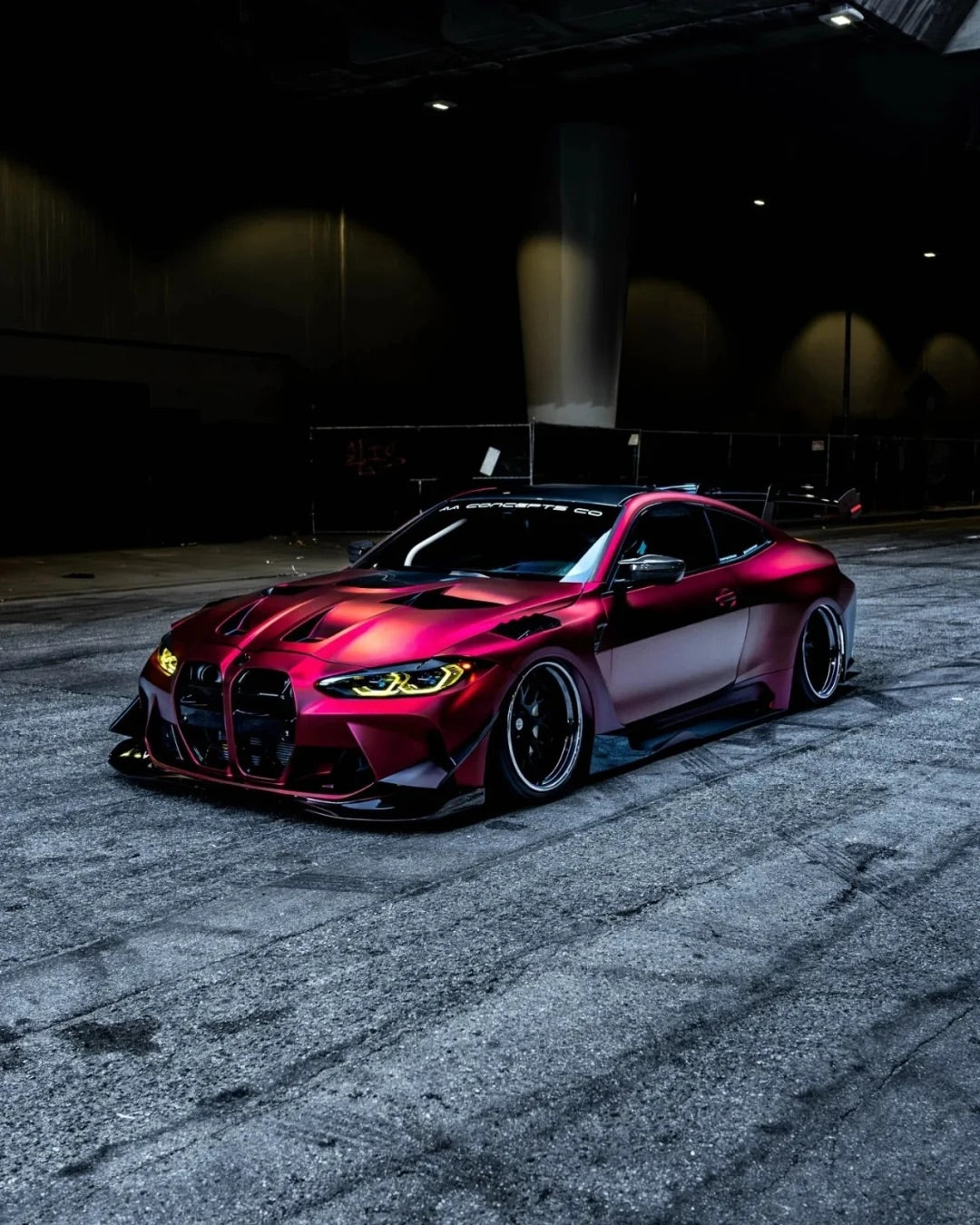
Sports cars invite the most creative partial wrap treatments because their aggressive body lines already do half the visual work. The objective becomes enhancement, not reinvention. Racing stripes running hood-to-roof-to-trunk remain a timeless choice, particularly in satin or metallic finishes that catch light differently from the base paint.
The single biggest trend in the performance segment is the rise of the Rainbow Laser Series on rear diffusers, side skirts, and mirror caps. These holographic films produce color-shifting effects that intensify under direct sunlight and nighttime event lighting — ideal for show-and-shine events, track days, and car meets. For a cleaner approach, the Liquid Chrome Wrap applied to the roof panel alone gives a sedan-coupe a mirror-like top that turns sidewalk heads without overwhelming the rest of the bodywork.
Partial Wrap Ideas for Electric Vehicles
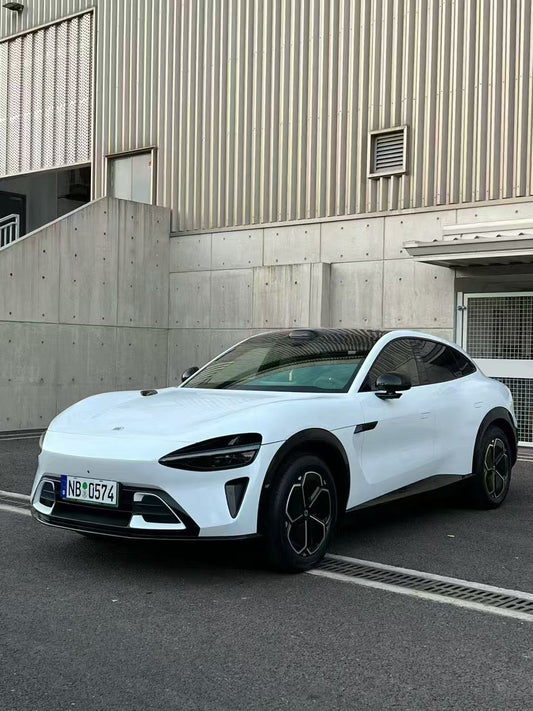
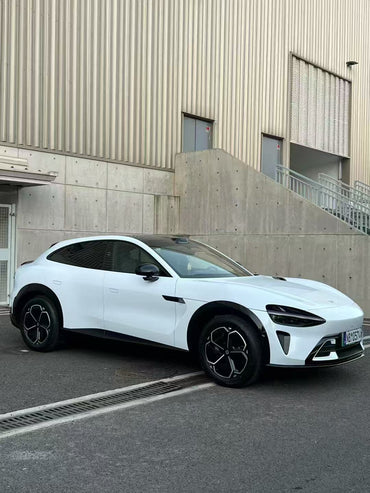
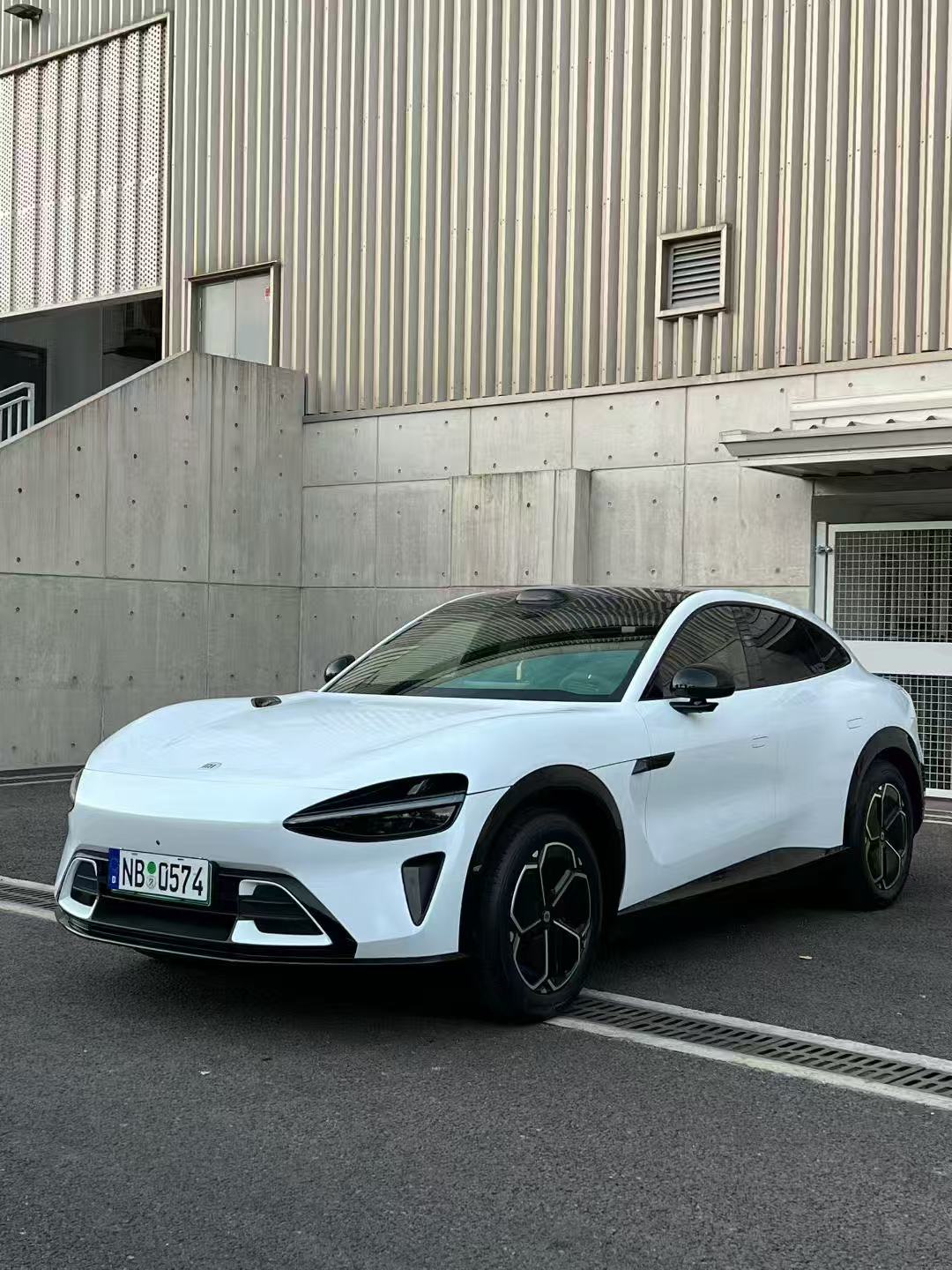
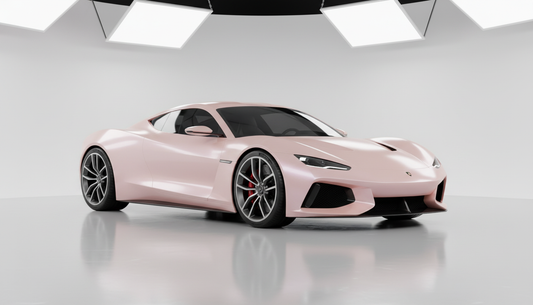
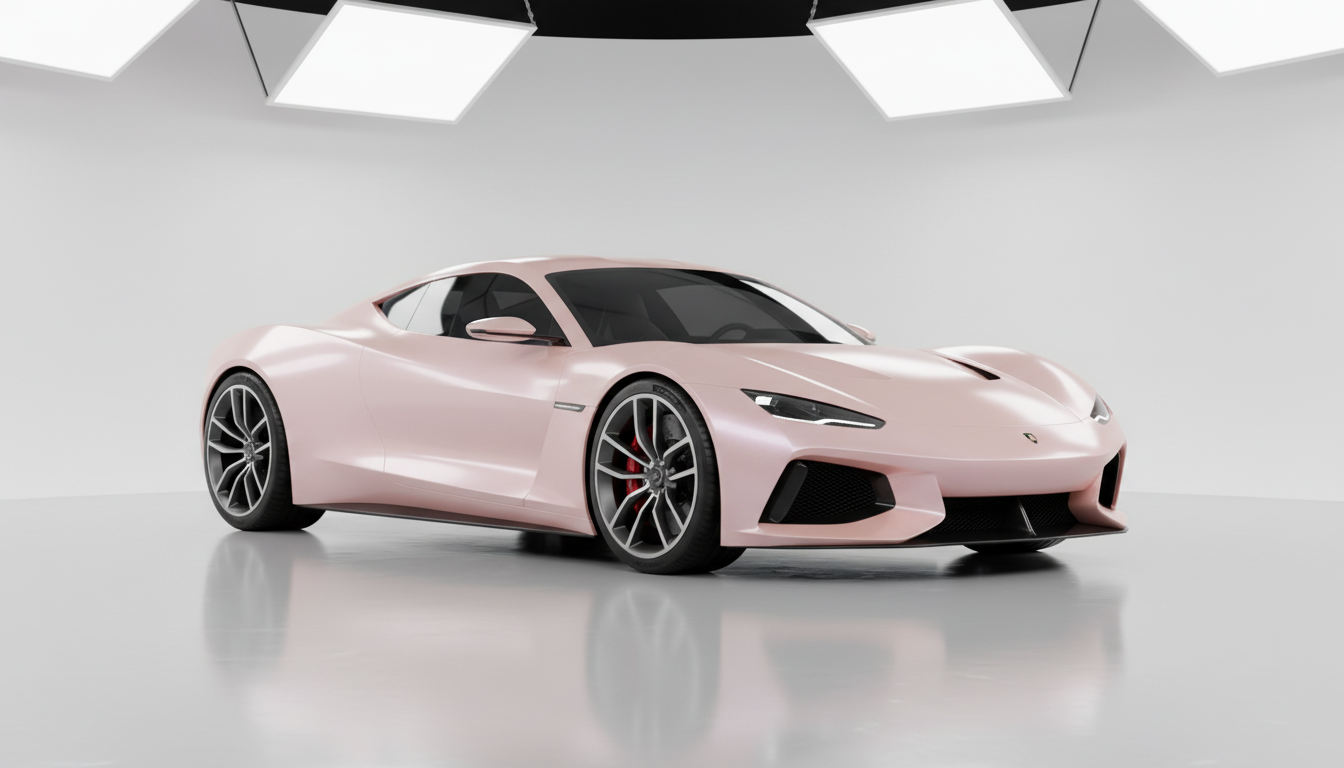
Electric vehicles come with smooth, sculpted body panels that practically beg for subtle accenting. Because most EV buyers value quietness and minimalism, the best partial wrap strategies emphasize restrained elegance over loud statements. Chrome deletes around window trim are almost universally flattering on modern EVs, and pairing them with a satin matte hood creates a stealth aesthetic that matches the silent drivetrain.
The Crystal Vinyl Wrap adds gentle pearlescent shimmer to roof panels and makes white and silver EVs look one tier more expensive. Drivers who want something unique without sacrificing the clean factory lines often combine crystal finishes on the roof with matte black mirror caps and a color-matched PPF on the lower doors.
Partial Wrap Ideas for Classic and Vintage Cars
Vintage vehicles require the gentlest touch, because original paint is often part of the car's value. Partial wraps are ideal for this category because they are fully removable without damaging the surface underneath when installed and removed by trained hands. Roof-only applications in period-appropriate tones — British racing green, cream, or gunmetal — allow enthusiasts to explore a two-tone look without repainting.
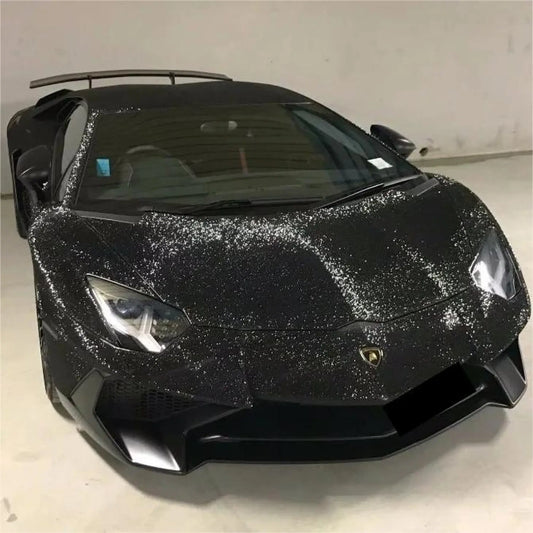
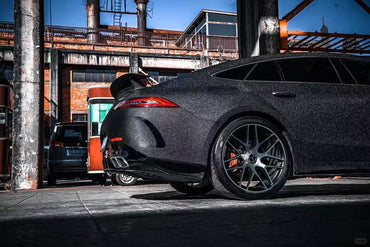
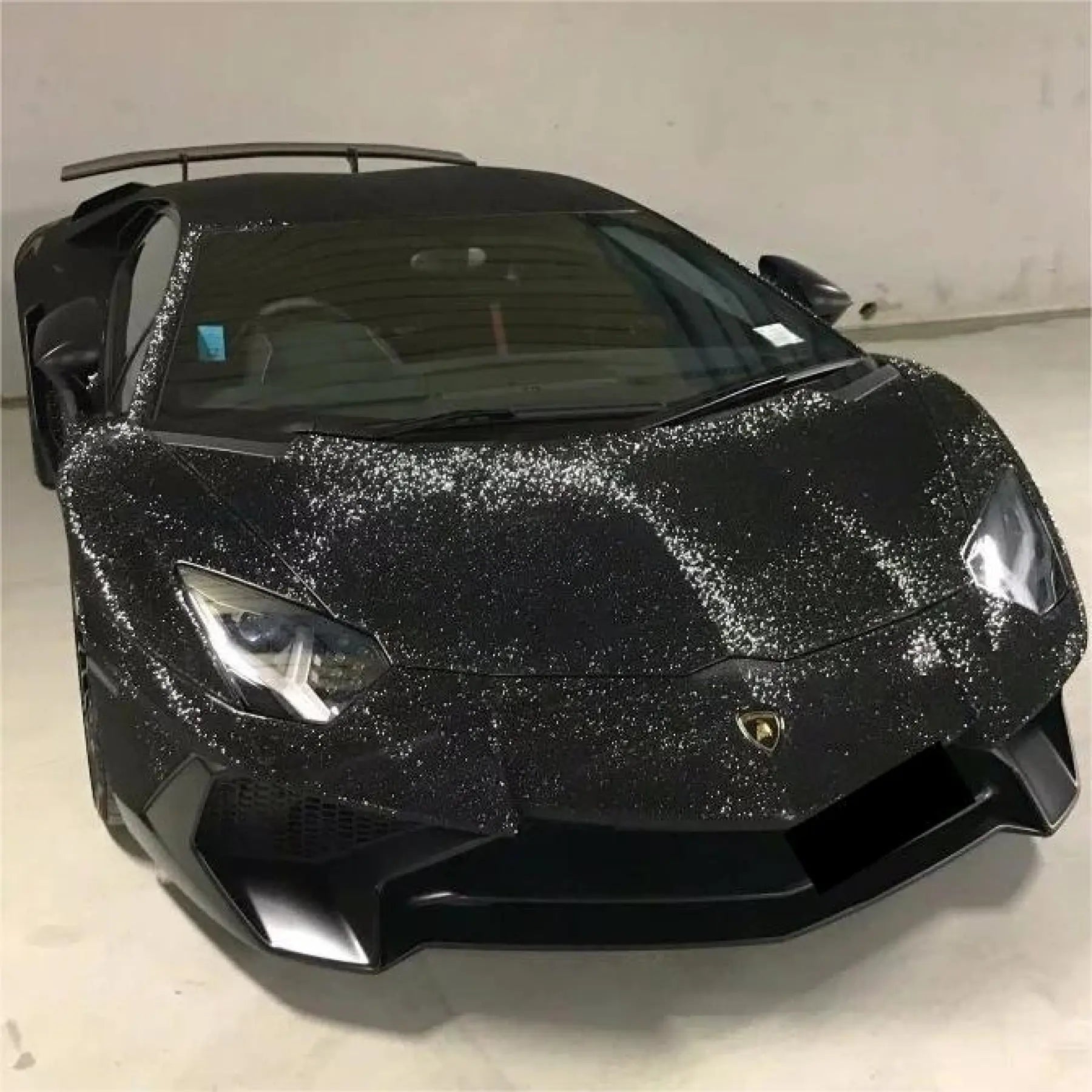
The Glitter Sparkle Car Wrap has found a surprising audience among hot rod and custom show car builders who use it on hood scoops, fender accents, and interior trim to echo the metalflake paint jobs of mid-century customs — without the irreversible commitment of spray paint.
Partial Wrap Ideas for Commercial Vans and Service Vehicles
Commercial fleets have quietly become the largest segment of partial wrap buyers. Full-fleet wraps are expensive, but a partial branding wrap on the side panels and rear doors delivers roughly 80 percent of the visual impact for 40 percent of the cost. Combined with a matte color base, branded partial wraps look intentional rather than budget-conscious.
The most efficient fleet approach pairs a solid base finish from Sailifilm's best sellers collection with printed logo decals on the doors and rear quarter panels. This combination refreshes older vans and service trucks, strengthens brand recognition, and protects the panels most likely to sustain parking-lot damage.
Tools and Preparation Matter as Much as Film Choice
Even the best film fails on poorly prepared panels. A successful partial wrap depends on thorough cleaning, proper degreasing, and the right installation gear. The Sailifilm wrapping tools collection includes squeegees, felt edges, magnets, cutting blades, and heat guns engineered specifically for cast-film installation. DIY installers should also follow the official DIY Car Wrap Installation Guide before starting, and reference the Car Film Maintenance Guide after the install to protect the new surface.
How to Choose the Right Finish for Your Vehicle Type
Match the finish to the purpose. Daily drivers benefit most from satin and ultra matte finishes because these hide minor scratches and fingerprints better than high-gloss films. Show cars, weekend toys, and photography-focused builds shine brightest with liquid chrome, dual color dream, and rainbow laser finishes because those films reward close inspection and dramatic lighting. Work vehicles gain the most from colored TPU paint protection because the film defends the panel while refreshing the look.
Climate matters too. Hotter regions favor lighter colors and ultra matte finishes because they manage surface heat better. Colder, salt-treated regions benefit from TPU-based films on lower panels, where road grit causes the most damage.
Start Small, Then Expand
The smartest partial wrap strategy is the modular approach. Begin with a single high-visibility panel — typically the roof or hood — and evaluate how the finish behaves in real-world driving conditions for a few weeks. Once confidence builds, additional panels can be added to create a cohesive, layered look that still costs a fraction of a full wrap.
Partial wraps have officially outgrown their status as a compromise option. With Sailifilm's full range of premium cast films, DIY-ready accessories, and color-matched TPU protection, every vehicle type — from a first-year commuter to a decade-old pickup — can wear a partial transformation that looks intentional, professional, and genuinely modern. Explore the full Sailifilm car wrap catalog to start planning the next build.

