





The Four Climate Enemies of a Vinyl Wrap
Every finish on the market fights the same four enemies, just in different proportions. UV radiation breaks down colorants and softens the top coat, which causes fading and chalking. Heat expands the film and softens the adhesive, which causes edge lift and tunneling. Humidity traps water vapor between the film and the panel, which causes bubbling and mildew near seams. Cold makes vinyl brittle and shrinks the adhesive, which causes cracking and corner peel. Understanding which enemy dominates in your region decides which finish to choose.
Hot and Dry Climates: Arizona, Nevada, Inland California, Middle East
Desert regions punish wraps with a double dose of intense UV and surface temperatures that routinely pass 140°F on hood panels during summer afternoons. High-gloss and mirror-finish films struggle most here, because darker glosses absorb heat faster and their reflective top coats eventually haze under prolonged UV stress.
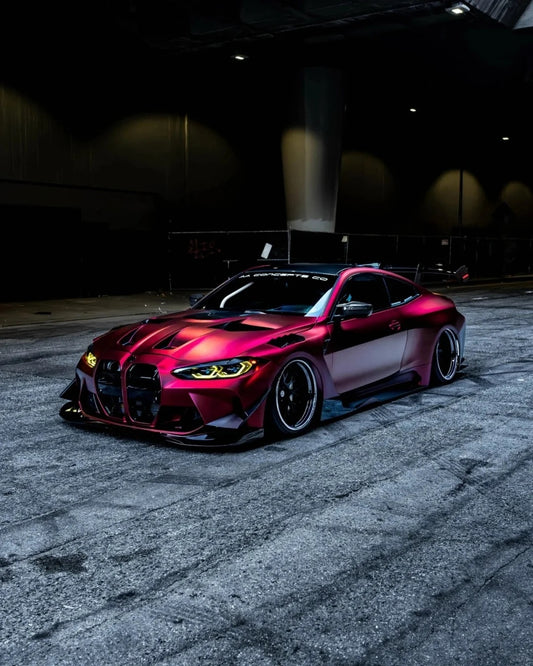
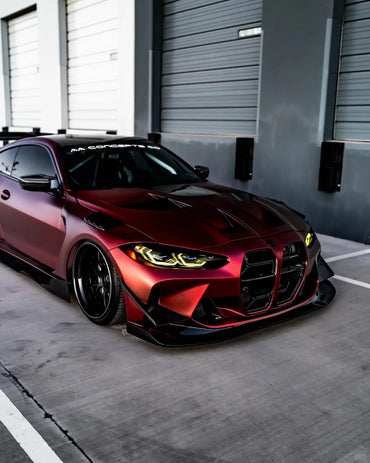
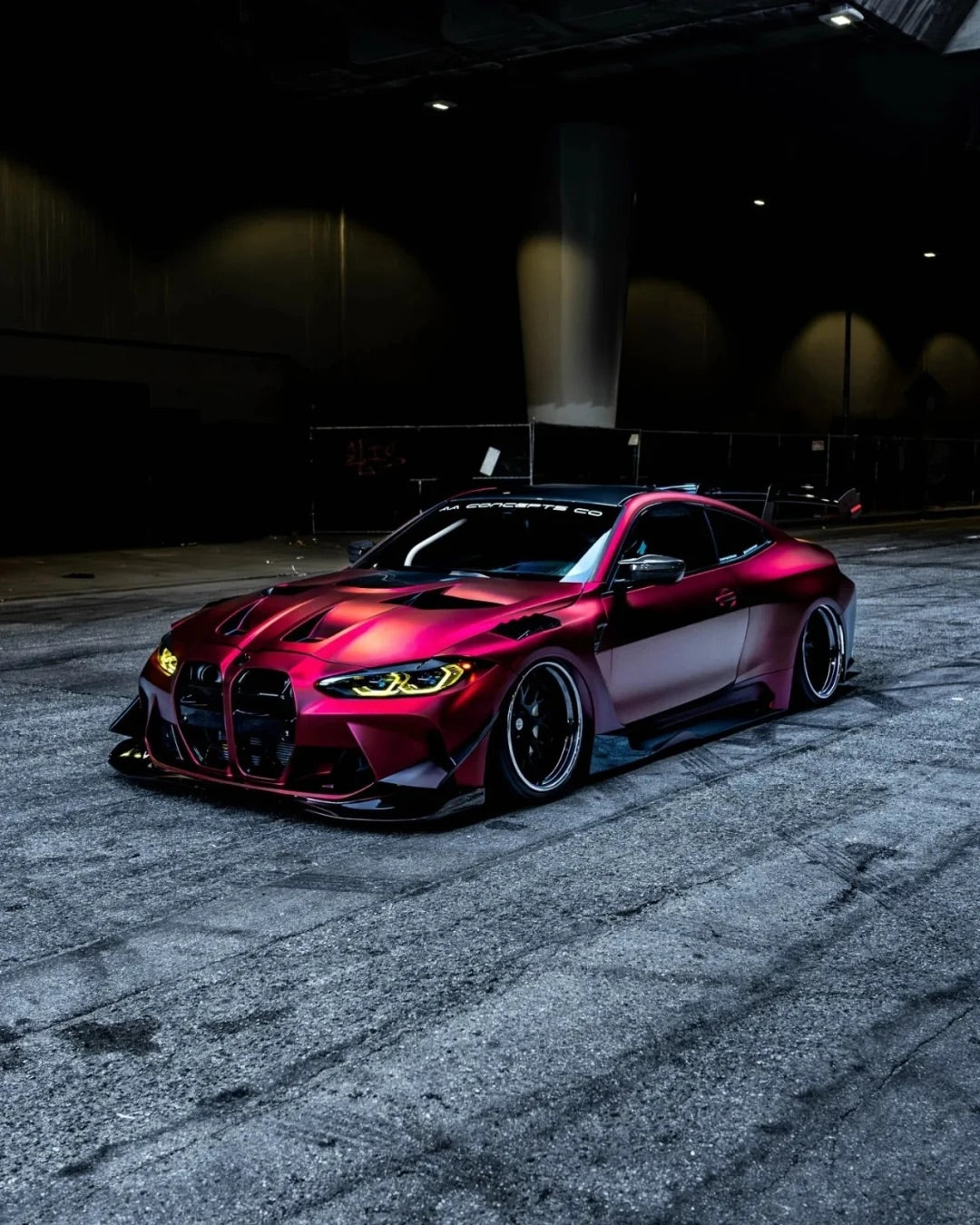
The smartest choices in hot, dry climates come from the Ultra Matte Series and from lighter-toned films that reflect more solar energy instead of absorbing it. Matte finishes scatter incoming light rather than concentrating it, which lowers surface temperature and slows pigment degradation. For performance owners who still want a premium look, the Metallic Series in lighter shades — silver, champagne, and pearl white — reflects heat beautifully while keeping the upscale presence desert enthusiasts love.
Specialty finishes like the Liquid Chrome Wrap should be reserved for garage-kept show cars in these regions, because chrome coatings have shorter native lifespans and respond poorly to sustained heat. Owners who love the chrome look can still apply it to mirror caps, roof accents, or trim pieces rather than full panels, and pair the accent with a heat-tolerant base finish.
Hot and Humid Climates: Florida, Gulf Coast, Southeast Asia, Tropical Regions
Tropical and subtropical regions combine year-round warmth with consistently high humidity and frequent rainstorms. This combination attacks wraps in a different way than desert sun. Heat softens the adhesive while moisture tries to creep under panel edges and around door handles, mirror bases, and fender liners.
The winning strategy here is a film with a robust TPU top layer that repels water and resists microbial growth. The TPU Paint Protection Wrap is built specifically for this kind of punishment, because its thermoplastic polyurethane base is hydrophobic, self-healing, and far more resistant to edge lift than standard PVC vinyl. For buyers who still want visual customization alongside that tropical-grade protection, the Colored Paint Protection Film delivers tinted aesthetics and TPU-level defense in a single layer.
Gloss finishes from the Sailifilm best sellers collection also perform well in humid climates because their smoother top surface resists dirt pickup and lets water run off cleanly. The key maintenance rule is to rinse salt-air residue off regularly, especially on coastal vehicles, and to keep an eye on panel seams during the first rainy season after install.
Cold Climates: Northern Europe, Canada, Upper Midwest, Scandinavia
Cold regions introduce a different challenge. Freezing temperatures make vinyl stiffer and more brittle, which raises the risk of hairline cracking on sharp body edges and around wheel arches. Road salt is the other major threat, because salt crystals work their way into any small gap in the film and accelerate adhesive breakdown.
Cast films with high memory and strong cold-crack resistance are non-negotiable in northern climates. Products from the Liquid Chrome Wrap and Metallic Series offer the pliability needed for deep panel contours even at lower application temperatures. For high-impact protection on lower panels where salt and gravel do the most damage, layering TPU Paint Protection Wrap on rocker panels, fender arches, and the front bumper dramatically extends the vehicle's winter survival.
Installation timing also matters more in cold climates than anywhere else. The ideal wrap environment sits between 68°F and 75°F with controlled humidity, so winter installs should always happen in a heated indoor bay with a proper dwell time before the vehicle returns to freezing outdoor exposure.
Temperate and Coastal Climates: Pacific Northwest, Northern Europe, UK, Japan
Mild regions with moderate temperatures, regular rainfall, and lower UV index offer the friendliest environment for vinyl. Wraps in these areas routinely outlast the manufacturer spec because none of the four main enemies reaches peak intensity. This is where adventurous finish choices become practical, not just aspirational.
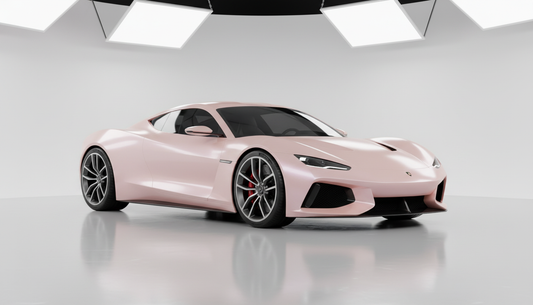
Temperate climates are the natural home of the Rainbow Laser Series and the Dual Color Dream Series. These color-shifting films depend on precise optical layers that age faster under extreme UV. In mild conditions, those layers stay crisp and dramatic for their full rated life. The Crystal Vinyl Wrap also shines in coastal light, where soft, diffused sunlight lets the pearlescent particles show their full depth.
Coastal vehicles still need periodic attention to salt spray. A routine freshwater rinse every week or two keeps the edges clean, and the wrapping tools collection includes soft edge sealers and detailing applicators that help maintain a tight seam against incoming moisture.
High-Altitude and Mountain Regions: Colorado, Alps, Andes, Highlands
Elevation adds an often-overlooked twist. Every thousand feet of altitude gain increases UV intensity noticeably, which means a car parked at 7,000 feet faces more daily UV load than a car of the same color at sea level in the same sunlight. Mountain regions also cycle between warm days and freezing nights, which stresses adhesives with constant expansion and contraction.
The best mountain-climate picks favor thicker cast films with excellent UV stabilizer packages. The 3D Carbon Fiber Wrap performs notably well here because its textured surface scatters UV more effectively than a smooth gloss panel, and its pattern visually hides any minor UV dulling that does occur over time. Ultra matte finishes are another safe mountain bet, as matte surfaces tolerate thermal cycling better than high-gloss or chrome finishes.
Urban Climates and Daily Drivers: Pollution, Acid Rain, and Industrial Air
City vehicles face a different kind of climate — the microclimate of traffic, industrial emissions, bird droppings, tree sap, and brake dust. These contaminants are mildly acidic and can etch delicate finishes if left on the surface for days.
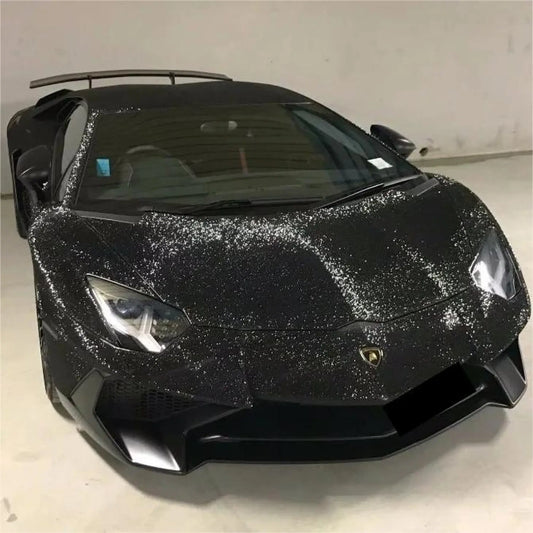
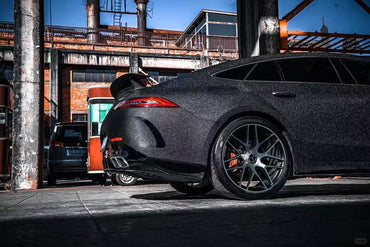
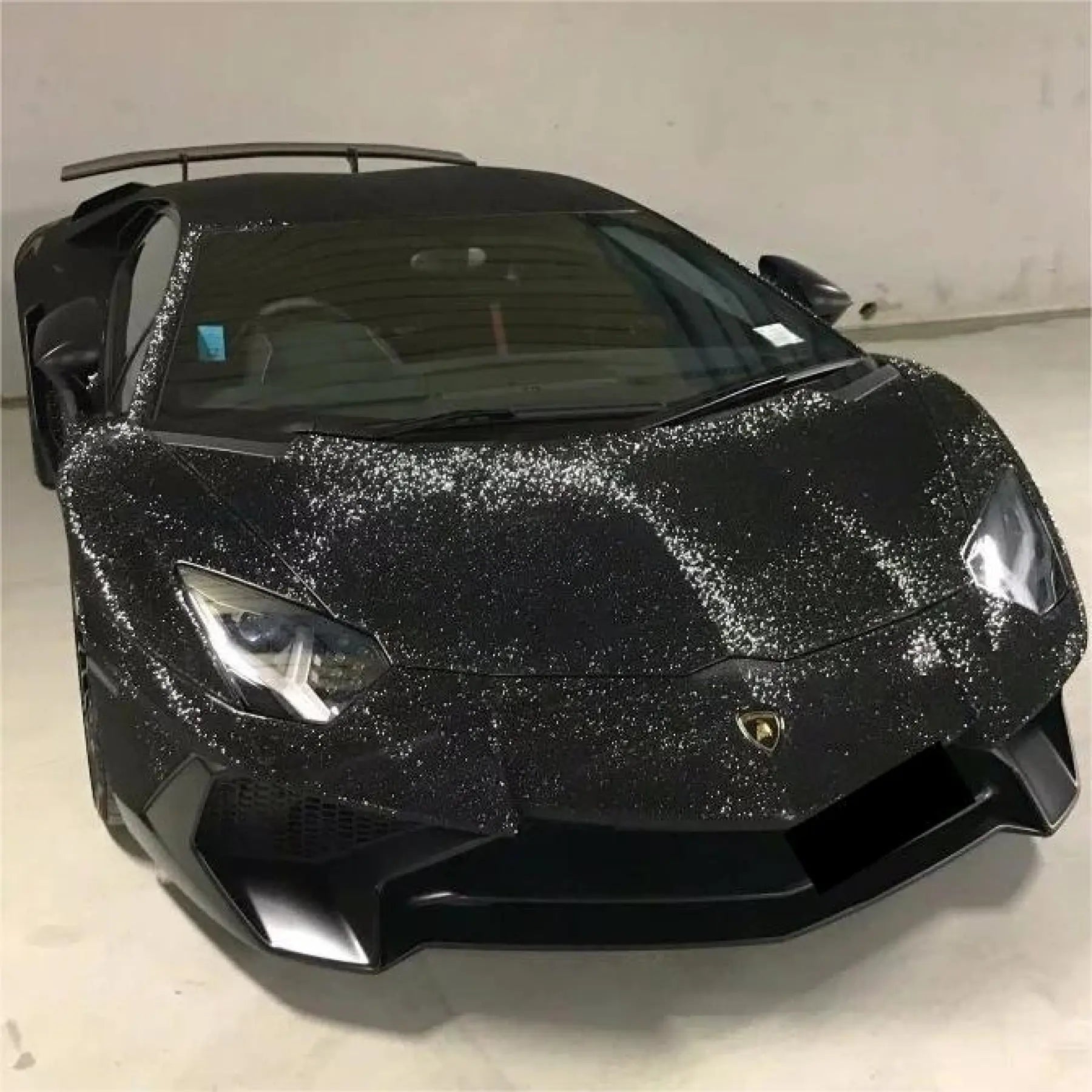
The Ultra Matte Series and the Colored Paint Protection Film are both strong urban picks. Matte surfaces hide the micro-scratches that accumulate from automated car washes and valet rags, while colored TPU film resists acidic contaminants thanks to its sacrificial top layer. For flashier urban builds, the Glitter Sparkle Car Wrap catches streetlight and neon reflections beautifully after dark — a practical benefit, since most urban driving and photo opportunities happen in low-light conditions.
Finish-by-Finish: Climate Performance Summary
Ultra matte films resist scratches, hide minor flaws, and manage heat well, which makes them outstanding all-around performers in hot, urban, and mountain environments. The Ultra Matte Series is often the safest finish for buyers who want long service life with minimal maintenance drama.
Gloss and metallic finishes shine brightest in temperate and moderate climates, where neither extreme heat nor deep cold shortens their top-coat life. The Metallic Series delivers excellent versatility across most of Europe, the UK, Japan, and the temperate Americas.
Chrome, liquid, and color-shift finishes reward the careful owner. The Liquid Chrome Wrap, Rainbow Laser Series, and Dual Color Dream Series all reach their maximum visual potential in temperate, indoor-garaged, or show-car conditions. Their optical sophistication is worth protecting with smart parking habits.
TPU-based films are the universal climate survivor. The TPU Paint Protection Wrap category — including colored PPF — handles UV, heat, humidity, cold, and salt better than almost any other option, which is why it has become the go-to film for fleet vehicles and daily drivers in challenging climates worldwide.
Test Before You Commit: The Sample Kit Strategy
The simplest way to see how a finish behaves in a specific local climate is to test it first. A Sailifilm sample kit lets buyers tape small swatches to a sunny window, an outdoor panel, or even an unused car hood for two to four weeks. The swatches reveal how the color reads in actual daylight, how the finish holds up to local heat and humidity, and how it photographs against the specific architecture and landscape the vehicle will spend its life around.
Climate-Smart Installation and Maintenance
Even the right film in the right climate will fail early without a climate-aware install. Follow the Sailifilm DIY Car Wrap Installation Guide carefully, and pay close attention to ambient temperature during the install window. After the wrap is on, the Car Film Maintenance Guide lays out cleaning routines that should be tuned to local conditions — more frequent rinses in salty coastal air, gentler products in hot-sun regions, and regular edge inspections in cold or high-altitude zones.
Choose the Finish Your Weather Will Love
The finish that looks spectacular in a studio photograph may not be the finish that still looks spectacular three summers later in your driveway. Matching film chemistry to climate reality is what turns a good wrap into a great long-term investment. Browse the full Sailifilm car vinyl wrap collection to find the finish that fits both the dream and the weather it will face every day.

