









Understanding Why Surface Preparation Matters
Vinyl wrap adhesives form molecular bonds with vehicle surfaces through a process requiring absolutely clean, contaminant-free contact. Even microscopic particles—invisible to the naked eye—prevent proper adhesion and create failure points where moisture infiltration begins. According to adhesion science research, surface energy and cleanliness determine bond strength more than adhesive formulation itself.
Paint contaminants include obvious substances like dirt and mud, but also invisible elements such as automotive waxes, silicone-based dressings, road film, and industrial fallout. These contaminants create barrier layers between vinyl adhesive and paint surface, preventing the chemical bonding necessary for long-term durability. Understanding contamination sources helps develop effective removal strategies that ensure successful car vinyl wrap installations.
Temperature during preparation also impacts results significantly. Cold surfaces prevent adhesives from flowing properly and forming strong initial bonds, while excessively hot surfaces can cause premature adhesive activation before proper positioning. Ideal preparation temperatures range between sixty-five and seventy-five degrees Fahrenheit, matching optimal installation temperature ranges for most vinyl materials.
Initial Assessment: Evaluating Your Vehicle's Condition
Before purchasing materials or scheduling installation, thoroughly assess your vehicle's current condition to identify potential complications requiring attention. Walking around the vehicle in bright, direct sunlight reveals paint defects, damage, and areas needing repair before wrap application. This evaluation phase prevents discovering problems mid-installation when addressing them becomes significantly more difficult.
Paint condition directly affects wrap suitability. Factory paint in good condition provides ideal wrap surfaces, while repaints require careful evaluation. Fresh paint needs adequate curing time before wrap application—typically thirty days minimum for standard automotive paints, though this varies by paint system. Attempting to wrap uncured paint risks paint damage during eventual wrap removal and may void paint warranties.
Existing paint damage including chips, scratches, dents, and rust spots show through vinyl wrap, especially with glossy finishes like crystal vinyl wrap or chrome materials. While ultra matte wrap provides slightly better concealment of minor imperfections, significant damage remains visible regardless of finish type. Addressing these issues before wrapping prevents disappointment and ensures your investment showcases properly.
Check panel alignment and gaps between body panels. Uneven gaps or misaligned panels complicate installation and create areas where vinyl may not adhere properly. Vehicles that have undergone collision repair sometimes have panels sitting slightly off original specifications, requiring extra attention during installation. Document these areas during assessment to develop specific strategies for addressing them.
Washing and Decontamination: The First Critical Step
Proper washing removes surface-level contaminants and provides the foundation for deeper cleaning steps. This process differs significantly from regular car washing because the goal extends beyond visual cleanliness to achieving truly contaminant-free surfaces suitable for adhesive bonding. Standard car wash methods leave behind residues that interfere with vinyl adhesion, making specialized approaches necessary.
Begin by rinsing the entire vehicle with clean water to remove loose dirt and debris. This prevents scratching during subsequent washing steps when physical contact occurs. Pay particular attention to lower body panels, wheel wells, and behind trim pieces where accumulated debris hides. These areas often harbor grit that can scratch paint during the washing process if not removed first.
Use automotive-specific degreasing soap rather than standard car wash shampoo. Degreasing formulations cut through road film, oil residue, and other contaminants that regular soap leaves behind. Apply soap with clean wash mitts or microfiber towels, working from top to bottom in overlapping sections. This systematic approach ensures complete coverage while preventing cross-contamination from dirtier lower sections to cleaner upper areas.
Rinse thoroughly with clean water, ensuring all soap residue is completely removed. Soap residue creates adhesion problems just as serious as the contaminants it removes, so multiple rinse passes may be necessary. According to surface chemistry principles, even thin molecular layers significantly impact adhesion characteristics, making thorough rinsing essential.
Clay Bar Treatment: Removing Embedded Contaminants
After washing, surfaces may feel clean but often retain embedded contaminants that washing alone cannot remove. Industrial fallout, tree sap, rail dust, and other bonded contaminants require mechanical removal through clay bar treatment. This step proves especially critical before applying TPU paint protection wrap or other transparent materials where underlying surface quality directly impacts appearance.
Clay bar treatment involves using specially formulated automotive clay compounds that mechanically lift embedded contaminants without damaging paint. The process requires clay lubricant—typically a spray detailer or dedicated clay lubricant—that prevents the clay from sticking to paint while allowing it to grab and remove contaminants. Working in small sections approximately two feet square ensures thorough coverage without the clay drying out.
Fold the clay into a flat pad roughly three inches by four inches and spray the working area liberally with lubricant. Gently glide the clay across the surface using light pressure and straight-line motions. The clay should move smoothly; if it drags or sticks, apply more lubricant. As you work, you will feel the surface transition from rough to glass-smooth as contaminants are removed.
Frequently inspect the clay surface and refold to expose clean clay. Once a section becomes heavily contaminated, discard it and use fresh clay. Contaminated clay can scratch paint, defeating the purpose of this treatment. After completing each section, wipe away clay residue with a clean microfiber towel before moving to the next area. The entire vehicle requires clay treatment, including glass, plastic trim, and all painted surfaces.
Removing Waxes, Sealants, and Coatings
Perhaps the most critical preparation step involves completely removing any waxes, sealants, or ceramic coatings from vehicle surfaces. These products are specifically designed to create barrier layers that repel water and contaminants—exactly the opposite of what vinyl adhesive needs to bond properly. Even trace amounts of these products cause adhesion failure, making their complete removal absolutely essential.
Specialized wax and grease removers formulated for automotive refinishing work effectively for wrap preparation. These solvents dissolve waxy residues without leaving their own residue behind. Apply the remover to small sections using clean, lint-free towels, working it across the surface thoroughly. Then immediately wipe with a second clean towel to remove dissolved contaminants before they can dry back onto the surface.
This process typically requires multiple passes. After the first application, run your hand across the surface—it should feel slightly tacky or grabby rather than slick or smooth. Slick-feeling surfaces indicate remaining wax or sealant requiring additional removal steps. Persist until all surfaces exhibit this slightly tacky feel, which indicates proper surface energy for adhesive bonding.
Pay special attention to areas where dressings and protectants accumulate, including around trim pieces, door jambs, and lower body panels. Tire dressing and trim products often contain silicones that migrate onto painted surfaces, creating particularly problematic contamination. These areas may require extra solvent applications and careful attention to achieve proper cleanliness.
Isopropyl Alcohol Final Wipe: The Last Defense
After removing waxes and sealants, a final wipe with isopropyl alcohol provides the last line of defense against contamination. Use seventy percent isopropyl alcohol diluted with thirty percent distilled water for optimal results. Pure isopropyl alcohol evaporates too quickly to effectively dissolve and remove all contaminants, while lower concentrations lack sufficient cleaning power.
Apply alcohol solution liberally to clean microfiber towels and wipe entire surfaces systematically. Work in sections approximately three feet square, maintaining wet surfaces throughout the process. The goal involves keeping surfaces wet long enough for the alcohol to dissolve any remaining contaminants while preventing premature evaporation. Immediately follow with a second clean, dry microfiber towel to remove dissolved contaminants before they can dry back onto the surface.
This two-towel technique—one wet with alcohol solution and one dry for removal—ensures contaminants actually leave the surface rather than simply being redistributed. Replace towels frequently as they become dirty. Once towels stop showing visible contamination after wiping, that section is adequately clean. The entire vehicle requires this treatment, including all surfaces where vinyl will be applied.
Allow surfaces to air dry completely before beginning vinyl application. While alcohol evaporates quickly, rushing this step risks trapping solvent between vinyl and paint. Even small amounts of trapped solvent can interfere with adhesion and create bubbles or hazy areas, particularly noticeable with metallic vinyl wrap or other reflective finishes.
Removing Trim, Badges, and Hardware
Professional wrap installations typically involve removing various vehicle components to achieve seamless results and allow vinyl to wrap around edges properly. Door handles, side mirrors, emblems, badges, antenna bases, and various trim pieces can be removed to facilitate better coverage and create cleaner finished appearances. This step also allows access to areas behind these components for thorough cleaning.
Begin by photographing component locations and orientations before removal. These reference photos prove invaluable during reassembly, especially for vehicles with multiple similar-looking components or complex trim arrangements. Document wire harness connections, clip locations, and any special installation sequences required for proper reassembly.
Use appropriate tools to prevent damage during removal. Plastic trim removal tools prevent scratching or marring painted surfaces around trim pieces. Many modern vehicles use plastic clips that break easily if removed improperly, so research proper removal techniques for your specific vehicle model before attempting removal. Replacement clips cost little but delays waiting for parts can disrupt project timelines.
Store removed components in labeled containers or bags to prevent loss and confusion during reinstallation. Small fasteners, clips, and hardware pieces disappear easily in shop environments. Organizing components by location—for example, separate containers for front bumper pieces, side mirror components, and rear trim—streamlines reassembly and reduces frustration.
Clean removed components thoroughly before setting them aside. Many will be reinstalled over the new wrap, so ensuring they are clean prevents introducing contaminants onto fresh vinyl surfaces. This particularly matters for components like door handles and side mirrors that people touch frequently, as hand oils and residues can transfer to vinyl and cause premature soiling.
Addressing Paint Defects and Damage
Any existing paint damage will show through vinyl wrap, so addressing defects before installation improves final appearance significantly. The extent of repairs depends on desired finish quality and budget constraints, but even basic attention to obvious problems yields noticeable improvements. Different wrap materials exhibit varying levels of defect concealment, with matte finishes generally hiding imperfections better than glossy ones.
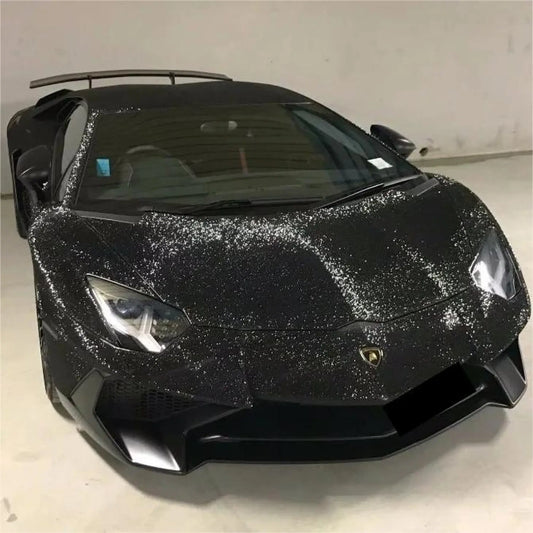
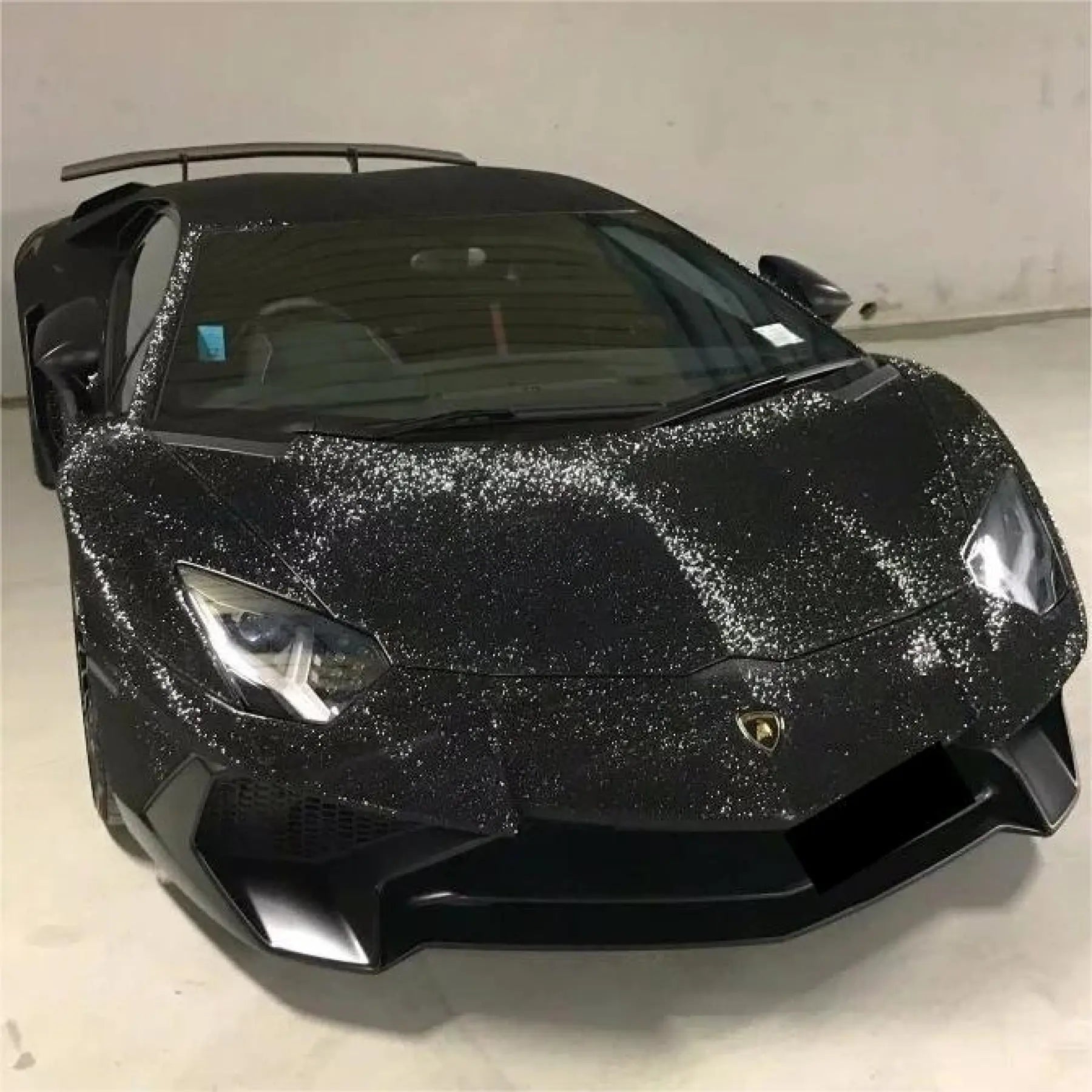
Minor paint chips and scratches can be touched up using factory-matched touch-up paint. Allow adequate drying and curing time before wrap application—rushing this risks paint damage during future wrap removal. Sand touch-up areas smooth using fine-grit sandpaper followed by polishing to create level surfaces that won't telegraph through vinyl. This proves especially important under glitter sparkle car wrap where surface irregularities become more apparent.
Dents require professional repair or acceptance that they will show through the wrap. While vinyl conforms to surface contours, it follows rather than fills depressions. Severe dents become more noticeable after wrapping because color changes draw attention to body irregularities. Consider professional paintless dent removal for significant dents, especially on high-visibility panels like hoods, doors, and fenders.
Rust represents a serious concern requiring proper remediation before wrapping. Vinyl wrap traps moisture against rusted areas, accelerating corrosion and potentially leading to rapid damage progression. Surface rust must be removed, treated, and sealed before wrap application. Extensive rust damage may indicate the vehicle is not a suitable wrap candidate without professional rust repair first.
Clear coat failure, peeling, or delamination also creates problems for wrap adhesion. In these cases, vinyl may adhere to failing clear coat rather than stable underlying layers, meaning wrap removal later pulls off paint along with the vinyl. Areas with clear coat damage require repair or the vehicle should not be wrapped. Testing adhesion in affected areas using sample kits helps evaluate risk before committing to full installation.
Creating the Ideal Work Environment
Work environment impacts wrap success nearly as much as surface preparation. Temperature and humidity control, adequate lighting, and cleanliness all contribute to results. Professional installation facilities maintain strict environmental controls because even minor variations affect vinyl handling characteristics and adhesive performance. According to material science research, adhesive bond formation depends heavily on environmental conditions during application.
Temperature control proves critical for proper vinyl behavior and adhesive activation. Most vinyl materials specify installation temperature ranges between sixty and eighty degrees Fahrenheit. Below sixty degrees, vinyl becomes stiff and difficult to stretch, while adhesives may not activate properly. Above eighty degrees, vinyl becomes too pliable, stretching excessively and potentially distorting printed patterns on materials like 3D carbon fiber wrap.
Humidity affects adhesive cure rates and can cause condensation on cold vehicle surfaces. Moderate humidity between forty and sixty percent provides optimal conditions. Excessive humidity slows adhesive curing and may cause water spots under vinyl, while very low humidity accelerates adhesive activation potentially before proper positioning is achieved. Climate-controlled indoor environments offer significant advantages over outdoor installations for these reasons.
Lighting quality impacts the installer's ability to see surface contaminants, air bubbles, and other defects during application. Bright, even lighting from multiple angles reveals problems that single-source lighting might miss. LED shop lights providing daylight-balanced color temperature allow accurate color matching and defect detection. Avoid direct sunlight during installation as it creates hot spots and makes consistent temperature control impossible.
Workspace cleanliness prevents airborne contaminants from settling on prepared surfaces or adhesive sides of vinyl during installation. Sweep and clean the work area thoroughly before beginning preparation. Avoid activities that generate dust during preparation and installation phases. Some installers use air filtration systems to maintain clean environments, though this represents professional-level equipment beyond what most DIY installers need.
Preparing Specific Materials for Application
Different vinyl wrap materials have specific preparation requirements beyond general surface cleaning. Understanding material-specific needs ensures optimal results with each product type. Testing approaches using sample kits before committing to full installations helps identify potential issues and develop effective techniques.
Rainbow laser vinyl wrap and other holographic materials show every surface imperfection due to their reflective properties. These materials demand absolutely flawless surface preparation including paint correction to remove swirl marks and fine scratches. Even minor paint defects become magnified under holographic finishes, requiring extra attention to polishing and surface leveling before application.
Dual color dream vinyl wrap and color-shifting films require careful handling to prevent fingerprints and smudges on adhesive surfaces. These materials often use special adhesive formulations that show handling marks more readily than standard vinyl. Wearing clean cotton gloves during installation helps prevent contamination while allowing adequate grip for manipulation.
Colored paint protection film typically applies using wet installation methods that require different surface preparation than dry application techniques. Surfaces must be cleaned identically, but installation fluid—usually a mixture of water and baby shampoo or dedicated slip solution—allows positioning adjustment before final squeegee application. Proper fluid mixture ratios prevent adhesive contamination while providing adequate slip.
Matte and textured materials including ultra matte wrap require extra care regarding oils and fingerprints. These finishes show contamination more readily than glossy materials because oils create shiny spots on matte surfaces. Using clean gloves throughout installation and avoiding touching finished surfaces prevents permanent marks. Have appropriate wrapping tools including felt-edge squeegees that won't mar matte finishes.
Final Pre-Installation Checklist
Before beginning actual vinyl application, verify all preparation steps are complete and conditions are optimal. This systematic check prevents discovering problems after partially completing installation when addressing them becomes significantly more difficult and potentially requires material replacement.
Confirm surface temperature meets vinyl manufacturer specifications. Use an infrared thermometer to check actual surface temperature rather than relying on ambient air temperature, as vehicle surfaces can differ significantly from surrounding air temperature, especially if the vehicle was recently outside or exposed to sunlight. Surfaces must be within the proper temperature range throughout installation.
Verify all cleaning products, tools, and materials are readily accessible before beginning. Stopping mid-installation to search for supplies risks dust settling on prepared surfaces or adhesive sides of partially applied vinyl. Organize work areas logically with cleaning supplies, installation tools, heat guns, and vinyl materials in designated locations for efficient access throughout the project.
Check that removed components are safely stored and labeled. Verify you have all necessary fasteners, clips, and hardware for reassembly. Missing components discovered after wrap completion forces delays while sourcing replacements. Taking inventory before installation prevents these frustrations.
Ensure adequate lighting from multiple angles illuminates the entire work area. Shadows hide defects, bubbles, and contamination during installation, leading to problems discovered only after completion. Adjusting lighting before beginning prevents mid-installation disruptions and ensures consistent visibility throughout the project.
Review your installation plan including seam placement strategies, material layout, and any special techniques required for complex areas. Having clear plans prevents indecision during installation that can lead to mistakes or poor material utilization. Professional installers often create simple sketches showing planned material placement and seam locations for reference during installation.
Material Acclimation and Handling
Allow vinyl materials to acclimate to work environment temperature before installation. Materials stored in cold or hot environments need time to reach optimal handling temperature. Cold vinyl is stiff and difficult to work with, while overheated vinyl becomes too stretchy and may distort. Bringing materials to installation temperature several hours before use ensures proper handling characteristics.
Unroll and inspect materials before beginning installation. Look for defects, damage, or contamination that might affect results. Addressing material issues before application prevents wasting time on defective products. Most quality vinyl including best sellers arrives in excellent condition, but occasional manufacturing defects occur and should be identified early.
Handle vinyl carefully to prevent fingerprints, creases, or adhesive contamination. Store materials flat or properly supported on rolls to prevent curling or shape distortion. Once adhesive liners are removed, avoid allowing adhesive surfaces to contact anything except intended surfaces. Contaminated adhesive rarely cleans adequately, usually requiring material replacement.
Conclusion: Preparation Determines Success
Vehicle preparation for vinyl wrapping separates professional results from amateur attempts more than any other factor. While proper installation technique matters significantly, even expert application over poorly prepared surfaces yields disappointing longevity and appearance. Investing adequate time in thorough preparation ensures your investment in premium liquid chrome wrap, metallic vinyl wrap, or any other material delivers maximum value through extended life and stunning appearance.
Rushing preparation to begin the seemingly more exciting installation phase inevitably leads to premature failure, edge lifting, and trapped contaminants. Professional installers understand that preparation time represents investment rather than overhead, directly correlating with finished quality and customer satisfaction. Embracing this mindset and committing to thorough preparation produces results worthy of the effort and materials invested.
Every surface preparation step builds upon previous ones, creating cumulative improvement in surface condition and adhesion potential. Skipping steps or performing them inadequately undermines all subsequent work, making the entire preparation sequence only as strong as its weakest link. Methodical attention to each preparation phase ensures strong foundations for beautiful, long-lasting vinyl wrap installations.

