











Understanding Vinyl Wrap Seams and Material Limitations
Every vinyl wrap installation requires seams because no single piece of material can cover an entire vehicle. Standard vinyl wrap rolls measure 60 inches wide, which means strategic planning becomes essential for achieving seamless-looking results. Whether you're working with metallic vinyl wrap, paint protection film, or specialty finishes like liquid chrome wrap, seam placement principles remain fundamentally similar while requiring finish-specific considerations.
The primary goal involves positioning seams where they become naturally invisible to casual observers. This means understanding vehicle body lines, contours, and typical viewing angles. Professional installers spend years developing instincts for optimal seam placement, but following established principles accelerates this learning curve dramatically.
Strategic Seam Placement Zones: Where Seams Should Live
Natural Body Lines and Character Lines
Vehicle manufacturers design cars with intentional creases, body lines, and panel transitions that serve both aesthetic and aerodynamic purposes. These features become your best allies for seam concealment. When working with ultra matte wrap or 3D carbon fiber wrap, positioning seams directly along existing body lines makes them virtually undetectable.
The door jambs, trunk edges, and hood boundaries represent primary seam zones because these areas naturally separate vehicle sections. Placing seams here aligns with factory panel gaps, creating visual continuity that appears intentional rather than necessary. According to vehicle design principles, these transitions exist partly to accommodate manufacturing processes, making them ideal for wrap seams as well.
Lower Body Areas and Rocker Panels
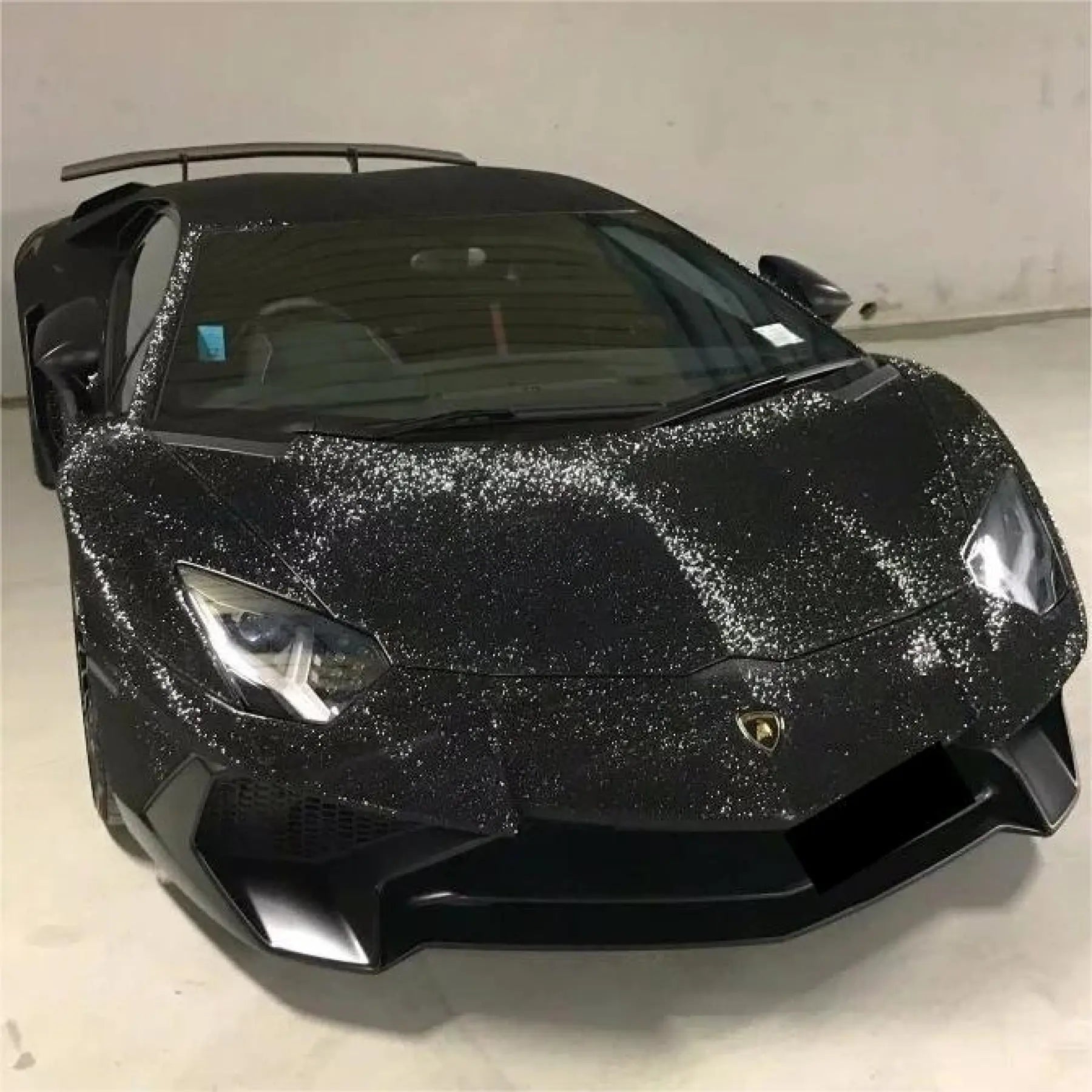
The lower third of any vehicle receives significantly less visual attention than upper surfaces. Rocker panels, lower door sections, and areas below the beltline make excellent seam locations, especially for complex finishes like glitter sparkle car wrap where matching patterns becomes challenging. These zones also benefit from shadow effects that further obscure seam lines.
Professional installers frequently run horizontal seams along the vehicle's beltline—the character line separating upper and lower body sections. This placement works exceptionally well because viewers' eyes naturally follow horizontal lines without scrutinizing them for imperfections. When executing this technique with colored paint protection film, the clarity and gloss help blend seams even more effectively.
Behind Mirrors and Trim Components
Removable components offer strategic opportunities for completely hidden seams. Side mirrors, door handles, antenna bases, and trim pieces can be removed during installation, allowing seams to hide underneath. When reinstalled, these components cover seam edges entirely, creating genuinely invisible transitions.
This approach proves particularly valuable for high-visibility areas like hoods and roofs where unbroken surfaces significantly impact overall appearance. Materials with directional patterns, such as dual color dream vinyl wrap, especially benefit from this technique since pattern matching becomes unnecessary when seams disappear beneath hardware.
Material-Specific Seam Considerations
Reflective and Chrome Finishes
Chrome and metallic finishes present unique challenges because their reflective properties highlight even minor imperfections. Liquid chrome wrap demands exceptional precision in seam placement since light reflection can emphasize edges and overlaps. For these materials, the overlap method works better than butt seams, typically maintaining a minimal overlap of approximately one-eighth inch.
The overlap technique creates a subtle shadow line that becomes less noticeable than gaps created by butt seams. When working with reflective materials, positioning overlaps so they face away from primary viewing angles—typically toward the rear of the vehicle—minimizes visual detection. Professional installers also orient overlaps downward when possible, allowing water drainage to seal rather than lift edges over time.
Matte and Textured Surfaces
Ultra matte wrap and textured finishes like 3D carbon fiber wrap offer more forgiveness in seam placement because their non-reflective nature diffuses light rather than reflecting it. However, directional textures require careful alignment to maintain pattern continuity across seams.
Carbon fiber patterns particularly demand attention to weave direction. The three-dimensional appearance comes from printed patterns that must align precisely at seams to maintain realism. Many installers practice pattern matching on sample kits before attempting full vehicle applications, developing the spatial reasoning necessary for accurate alignment.
Multi-Color and Color-Shifting Films
Rainbow laser vinyl wrap and other color-shifting materials introduce complexity because their appearance changes based on viewing angle. Seam placement becomes even more critical since misaligned patterns create obvious disruption in the color-shift effect. These materials often work best with panel-by-panel application methods rather than attempting to wrap multiple panels with single pieces.
The strategy involves treating each major panel as an independent section, positioning seams at natural panel boundaries rather than within panel surfaces. This approach maintains the integrity of the color-shift effect while creating clean transitions that appear intentional. Understanding color theory in automotive design helps predict how different viewing angles will affect seam visibility.
Panel-by-Panel Seam Strategy
Hood Applications
Hoods present challenging geometry with compound curves and often feature raised sections or scoops. The ideal seam placement runs along the hood's perimeter, tucked into the gap between the hood and fender. This creates a clean, uninterrupted surface across the entire hood face—the most visible area when viewing the vehicle from the front.
For vehicles with hood scoops or raised sections, additional seams become necessary. These should follow the scoop edges, maintaining the factory design lines. When applying metallic vinyl wrap to complex hood geometry, pre-cutting relief cuts at strategic points prevents material stretching that could distort metallic flake appearance.
Roof Sections
Vehicle roofs typically allow for seamless single-piece application on smaller vehicles, but larger vehicles like SUVs and trucks require strategic seaming. The preferred approach runs a single seam along the roof's centerline from front to back, positioned precisely at the roof's apex. This location experiences minimal visual scrutiny and benefits from the roof's curvature, which helps hide the seam line.
Alternative approaches include positioning seams along factory sunroof edges or panoramic roof boundaries when present. These existing design elements naturally accommodate seams without appearing added or artificial. TPU paint protection wrap works exceptionally well for roof applications because its self-healing properties help maintain seam integrity over time.
Door Panels
Doors require careful consideration because they're highly visible from multiple angles and experience frequent flexing during opening and closing. The optimal strategy places seams along the door's vertical front edge, within the gap between the door and fender. This completely hides the seam from standard viewing angles while accommodating door movement without stressing the material.
For rear doors on four-door vehicles, running seams along the B-pillar gap provides similar concealment. When working with crystal vinyl wrap or other transparent materials, positioning seams carefully becomes even more critical since underlying body lines or original paint may show through at seam locations.
Bumper Applications
Front and rear bumpers feature complex three-dimensional shapes with multiple curves, angles, and often integrated vents or grilles. Seam placement here focuses on breaking the bumper into logical sections based on its design features. Natural dividing lines include character lines that separate upper and lower bumper sections, vertical edges around fog light openings, and transitions between bumper faces and side returns.
Car vinyl wrap specifically designed for automotive applications typically offers enough conformability to wrap bumper sections without excessive seaming, but strategic seams still reduce material waste and improve overall finish quality. Professional techniques involve wrapping bumper faces as complete sections, then separately addressing side returns and lower valances.
Advanced Seam Techniques for Professional Results
The Overlap Method
Overlapping involves laying one piece of vinyl over another with a slight overlap—typically between one-eighth and one-quarter inch. This technique works best for most applications because it creates a clean edge without gaps. The key involves ensuring the top piece overlaps in a direction that prevents water infiltration and edge lifting.
When executing overlaps with glitter sparkle car wrap, the sparkle particles can sometimes create visible thickness at the overlap. Minimizing overlap width while maintaining adequate adhesion becomes crucial. Using proper wrapping tools like precision knives and squeegees ensures clean, consistent overlap dimensions.
The Butt Seam Technique
Butt seams involve cutting two pieces of vinyl so their edges meet precisely without overlap or gap. This technique creates the flattest possible seam profile but demands exceptional precision. Even minor gaps become immediately visible, while any overlap defeats the purpose of choosing this method.
Butt seams work best on flat or gently curved surfaces where both pieces can be cut simultaneously using a straightedge. The cutting process typically involves laying both pieces in position with slight overlap, then cutting through both layers simultaneously with a fresh blade. Removing the waste strips from both pieces creates perfectly matched edges.
Knifeless Tape Applications
Knifeless tape revolutionized vinyl wrapping by allowing clean cuts without risking damage to underlying paint or prior vinyl layers. This tool proves invaluable for creating precise seams in challenging locations. The tape applies to the surface before vinyl installation, then after the vinyl is positioned, pulling the tape's cutting filament slices through the vinyl cleanly.
For materials like colored paint protection film, knifeless tape prevents scratching the film's clear coat layer that protects the color underneath. According to automotive aftermarket research, precision cutting tools significantly improved wrap quality standards across the industry.
Common Seam Placement Mistakes to Avoid
High-Visibility Horizontal Seams
Placing seams horizontally across hoods, roofs, or trunk lids creates immediately noticeable lines that break up the vehicle's visual flow. While sometimes unavoidable on extremely large vehicles, these locations should be last resorts rather than primary choices. When working with best sellers from any product line, preserving unbroken surfaces on these high-visibility panels maximizes visual impact.
Seams on Convex Curves
Positioning seams on outward-curving (convex) surfaces makes them more visible because light hits these areas directly. Conversely, concave areas and recessed sections receive less direct light, providing natural shadow that helps conceal seams. Understanding how light interacts with vehicle surfaces guides optimal seam placement decisions.
Inconsistent Overlap Directions
When using overlap methods, maintaining consistent overlap direction across the entire vehicle creates visual harmony. Random overlap directions appear haphazard and unprofessional. Establishing a consistent pattern—such as all overlaps facing rearward and downward—creates a cohesive installation that appears intentional.
Ignoring Material Grain or Pattern Direction
Many vinyl materials feature directional characteristics, whether obvious patterns like carbon fiber or subtle grain in solid colors. Failing to maintain consistent direction across seams creates visual disruption. Before cutting any material, identifying and marking the pattern direction prevents costly mistakes. Testing alignment with sample kits before full installation saves both material and time.
Planning Your Seam Layout: Pre-Installation Strategy
Successful seam placement begins long before touching vinyl to vehicle surfaces. Professional installers create detailed plans that map every seam location, considering material width, panel geometry, and design priorities. This planning phase identifies potential challenges and develops solutions before committing material to the vehicle.
Photography from multiple angles provides reference for identifying natural seam locations. Many installers create simple sketches or diagrams showing planned seam positions, which serve as guides during installation. For complex projects involving dual color dream vinyl wrap or multi-color designs, detailed planning becomes absolutely essential.
Digital tools and software designed for vinyl wrap planning allow virtual layout before physical installation. These tools calculate material requirements, identify optimal seam locations, and even account for material stretch and conformability characteristics. While not necessary for simple projects, complex vehicles benefit significantly from this level of planning.
Maintaining Seam Integrity Over Time
Even perfectly placed seams can fail without proper installation techniques and post-care. Ensuring complete adhesion at seam edges prevents lifting, which accelerates seam failure. Proper edge sealing techniques, adequate pressure application, and appropriate heating during installation all contribute to long-term seam durability.
TPU paint protection wrap offers superior edge durability compared to standard vinyl because its thermoplastic urethane composition resists edge lifting. This makes it particularly suitable for seams in high-stress areas like bumper edges and door openings. Understanding material properties helps select appropriate materials for different vehicle zones.
Post-installation care significantly impacts seam longevity. Avoiding high-pressure car washes near seam areas, applying edge sealant products, and regular inspection for early signs of lifting allow preventive maintenance before minor issues become major failures. According to polymer science research, proper adhesion depends on both surface preparation and environmental factors during curing.
Material Selection Impact on Seam Placement
Different vinyl materials offer varying levels of conformability, stretch, and thickness, all affecting optimal seam placement strategies. Thicker materials like 3D carbon fiber wrap create more pronounced seam profiles, requiring more careful placement in low-visibility zones. Conversely, thinner materials like crystal vinyl wrap create flatter seams that blend more easily.
Highly conformable materials allow wrapping larger sections without seams, reducing the total number of seams required. However, excessive stretching can distort patterns or create adhesion issues, so material conformability must be balanced against other factors. Consulting manufacturer specifications for maximum recommended stretch percentages prevents material failure.
Cast vinyl films generally offer superior conformability compared to calendared vinyl, allowing more aggressive curves without seaming. When budget allows, choosing premium cast materials reduces seam requirements and improves overall results. Testing different material types with sample kits helps determine which products work best for specific vehicle types and installer skill levels.
Conclusion: Mastering the Art of Invisible Seams
Professional vinyl wrap seam placement combines technical knowledge, spatial reasoning, and artistic sensibility. Understanding vehicle geometry, material properties, and visual perception principles allows strategic seam positioning that creates virtually seamless appearances. Whether working with rainbow laser vinyl wrap, protective films, or any other material type, these fundamental principles guide decision-making throughout the installation process.
Success requires practice, patience, and willingness to learn from both successes and mistakes. Starting with smaller projects, carefully studying professional installations, and continuously refining techniques gradually builds the expertise necessary for flawless results. Every vehicle presents unique challenges, but applying consistent principles adapted to specific circumstances produces professional-quality outcomes that transform vehicles while maintaining factory-level appearance standards.

